Living Rooms
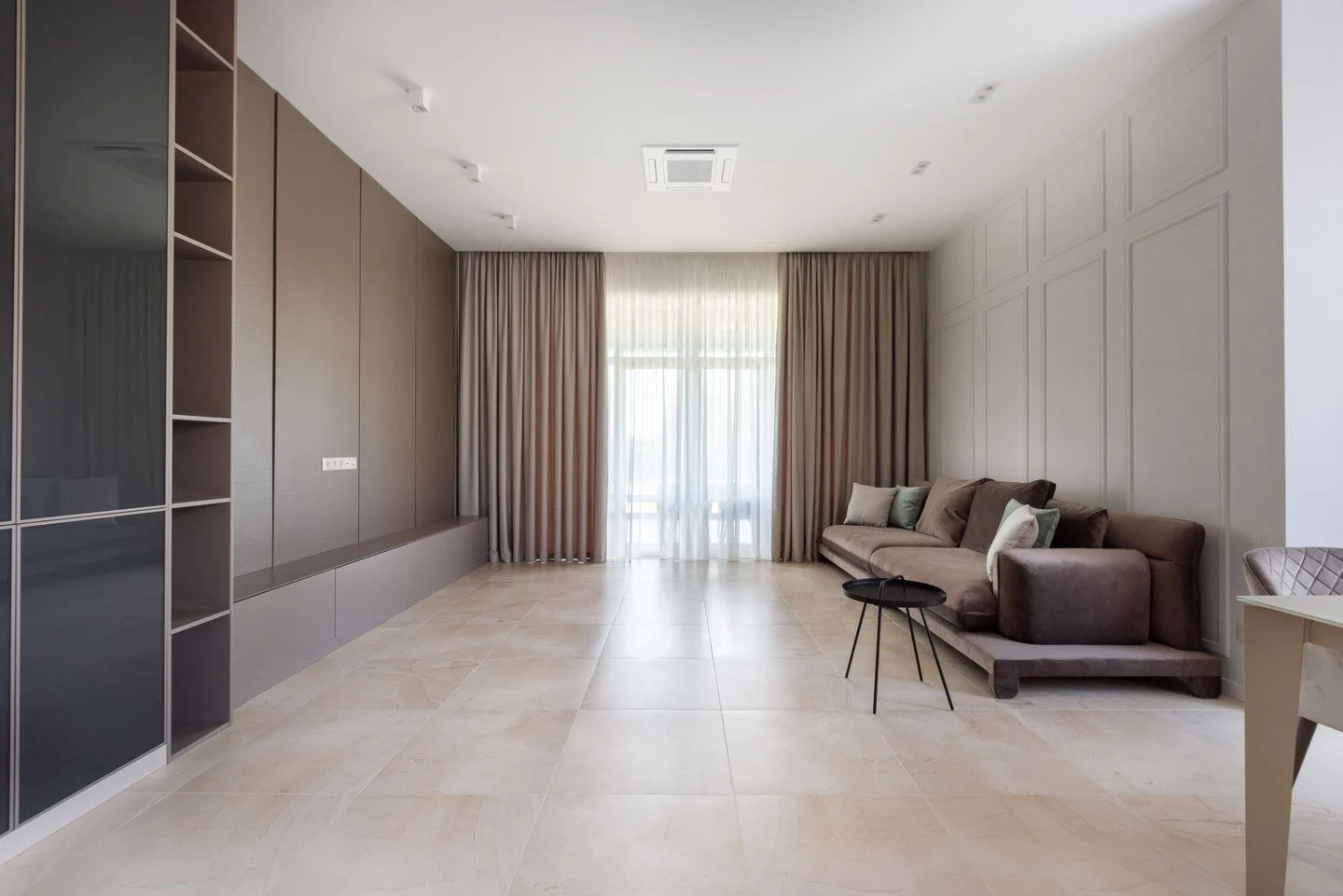
A floating sofa layout that leaves room to walk
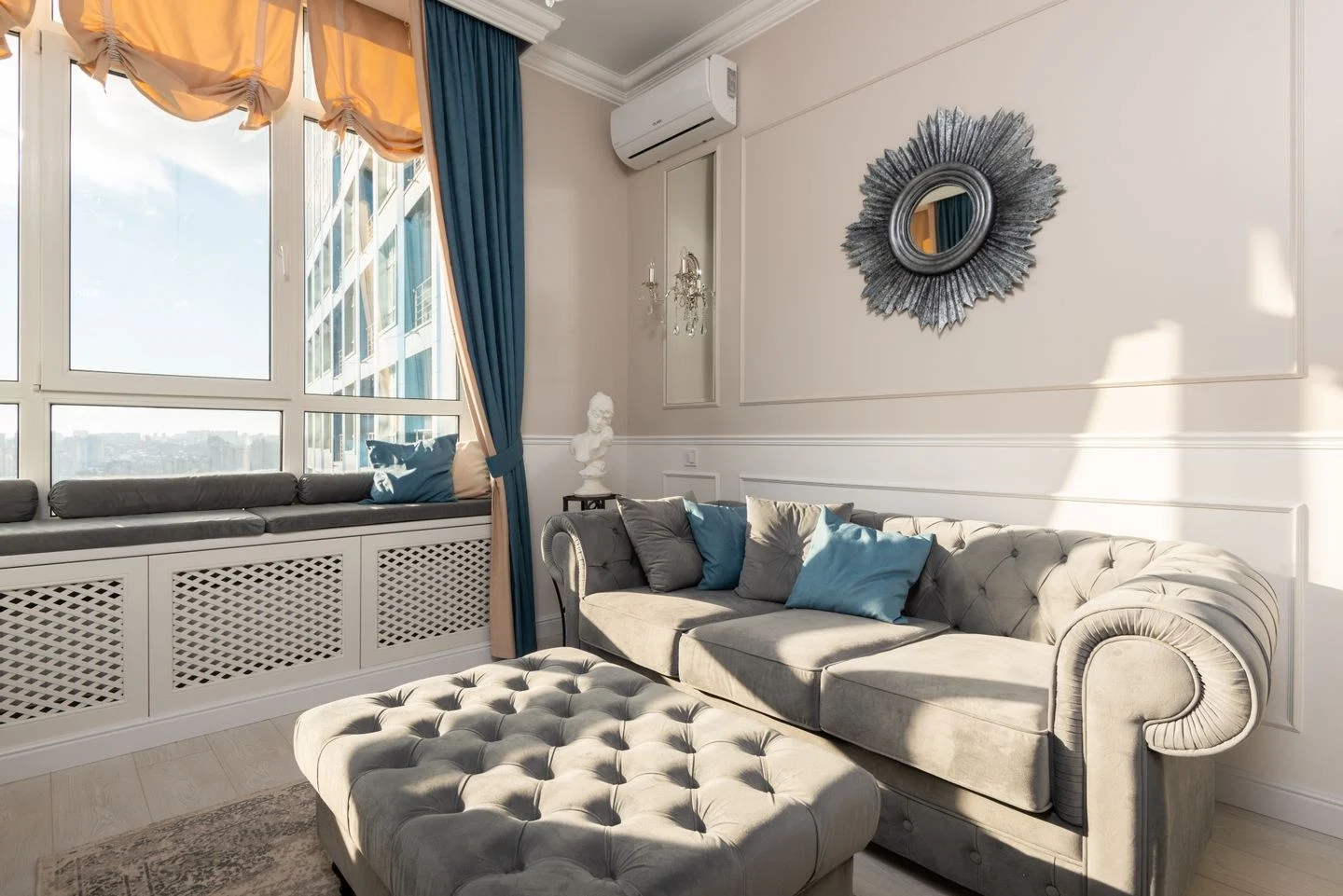
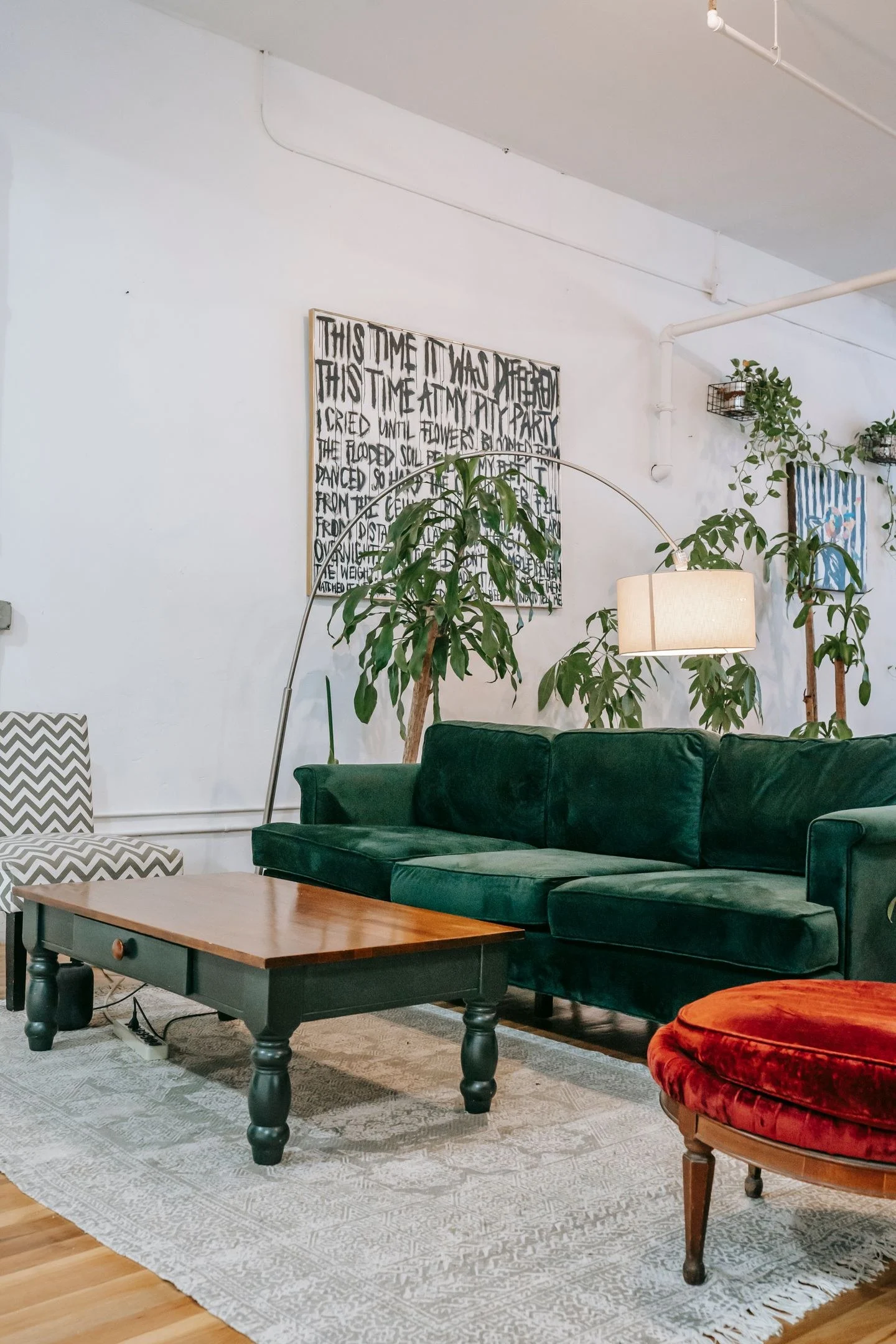
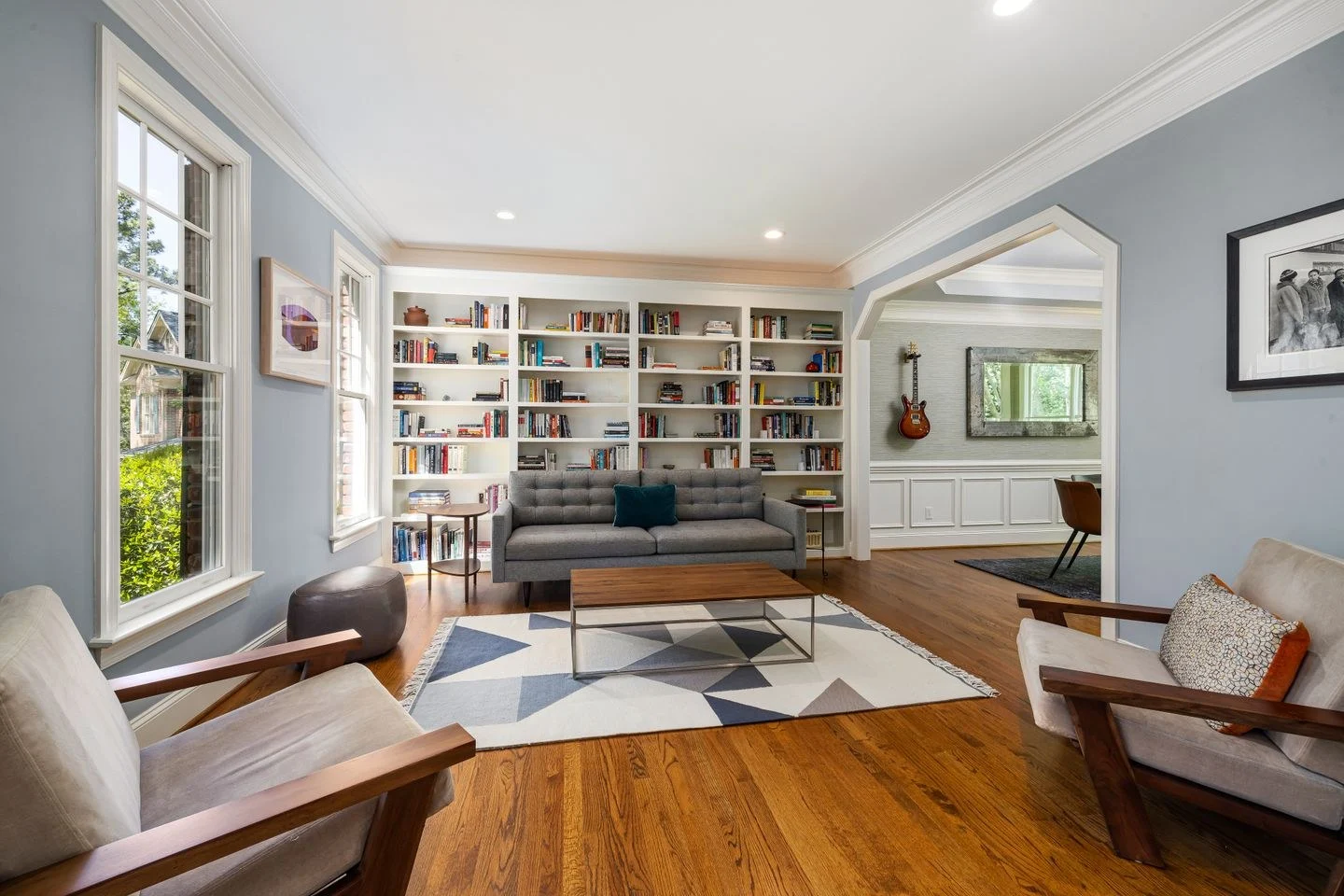
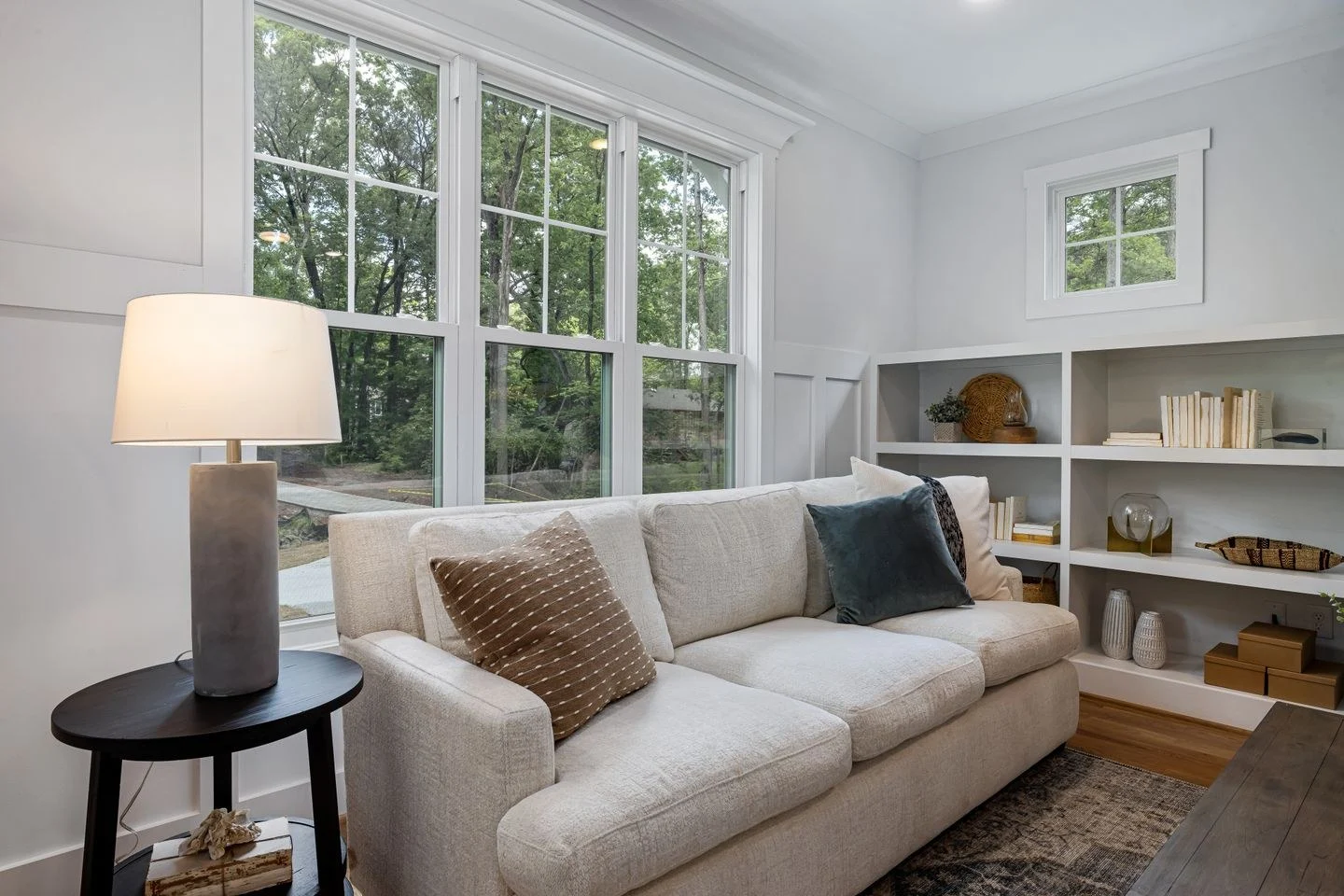
Plan a floating sofa around the routes through your living room, with a usable seating group, sensible lamp placement, and space behind the back.
Home/Living Rooms
Furniture plans, gathering spaces, and the everyday details that make a living room work.
Living Rooms
Plan a floating sofa around the routes through your living room, with a usable seating group, sensible lamp placement, and space behind the back.
Living Rooms
Compare usable seat depth, cushion firmness, and back support before choosing a sofa, with a sitting test that reflects how your household relaxes.
Living Rooms
Break a long living room into connected seating areas while keeping an uninterrupted route through it and avoiding furniture lined up along both walls.
Living Rooms
Arrange a television-free living room around conversation, reading, or a view, using flexible seating and a focal point that does not overpower the room.
Living Rooms
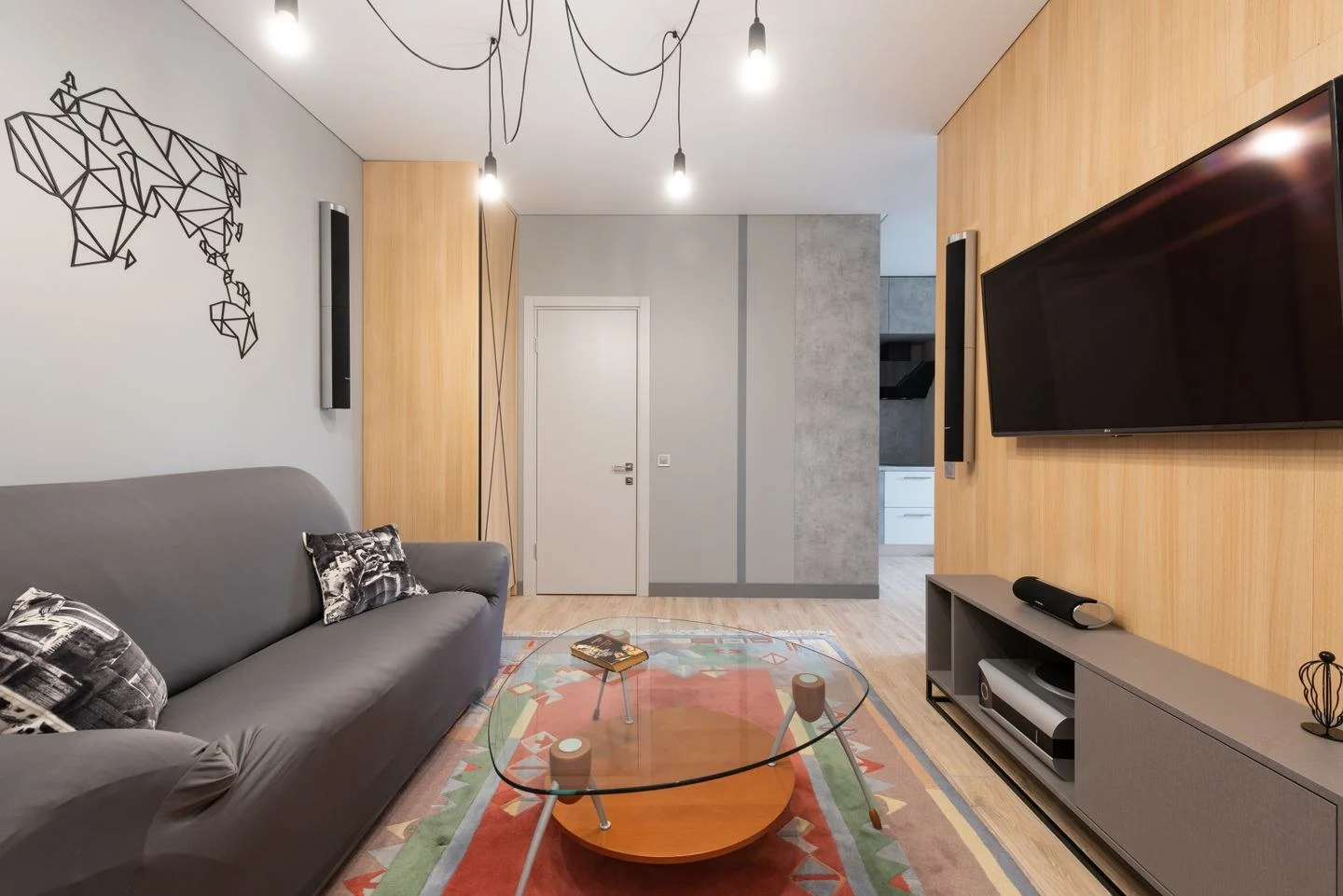
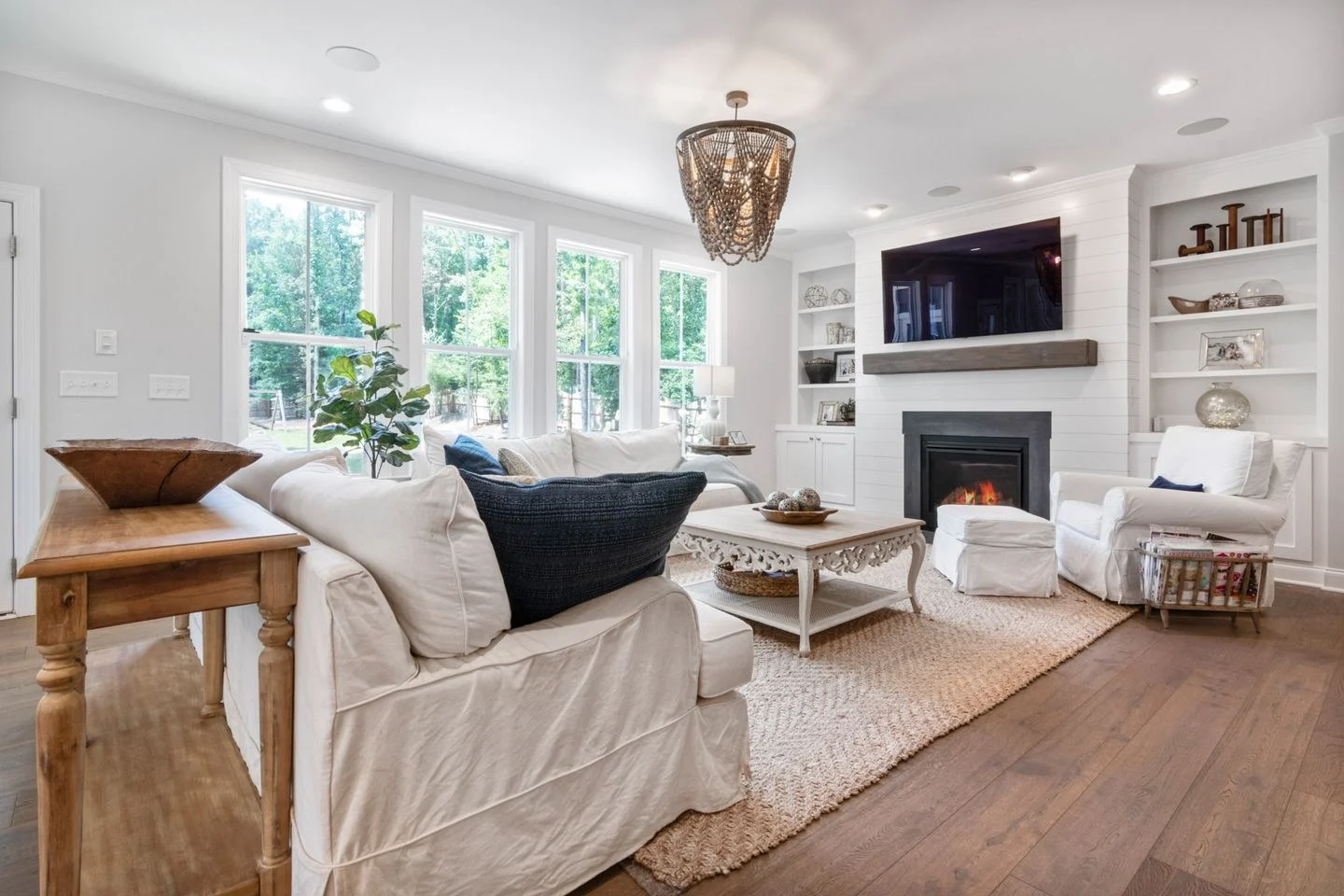
Consider a television beside the fireplace, on an adjacent wall, or in a separate viewing zone while preserving comfortable seating and safe equipment placement.
Living Rooms
Compare two sofas with a sofa-and-chair arrangement by conversation, lounging, circulation, and flexibility before committing to a matched seating group.
Living Rooms
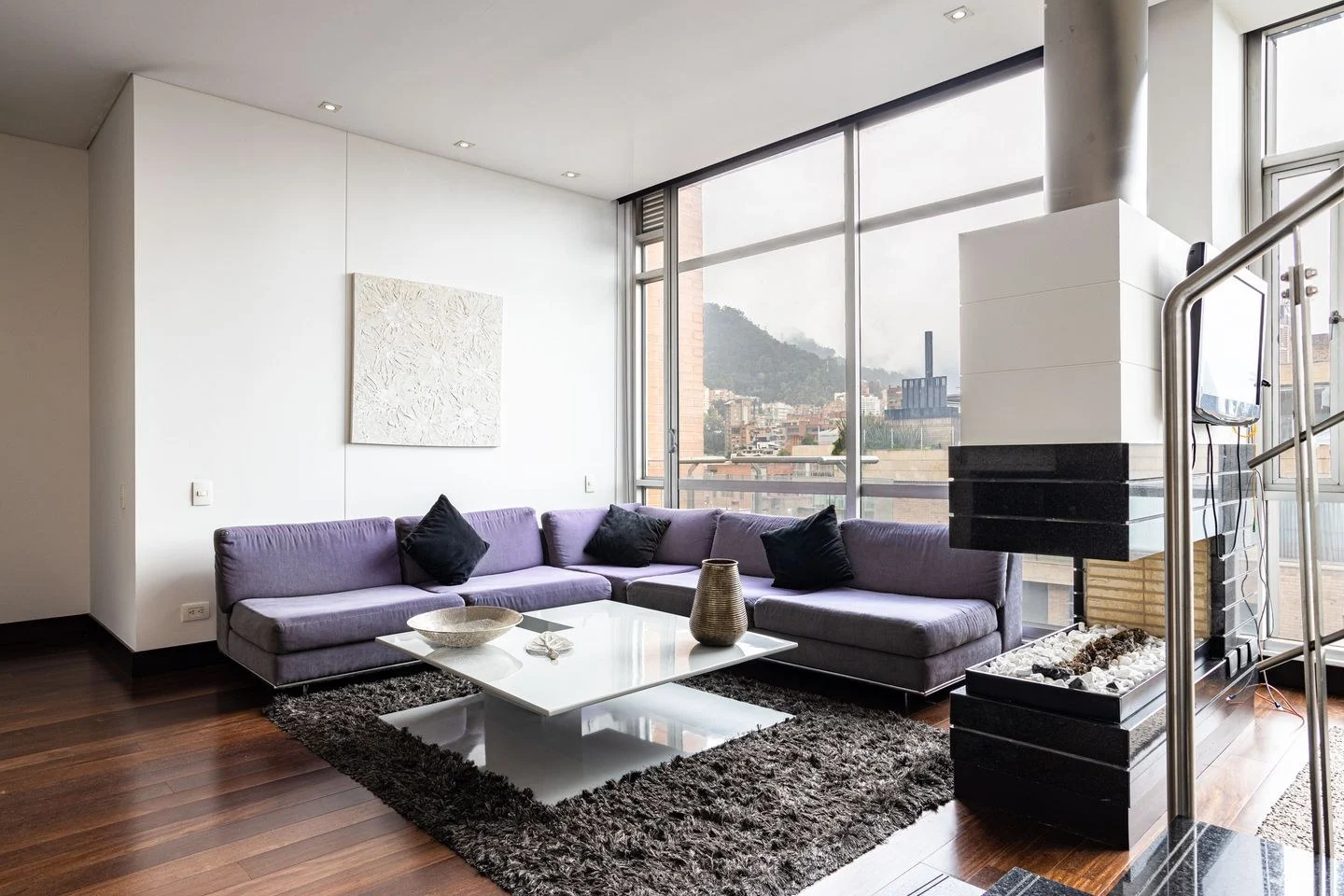
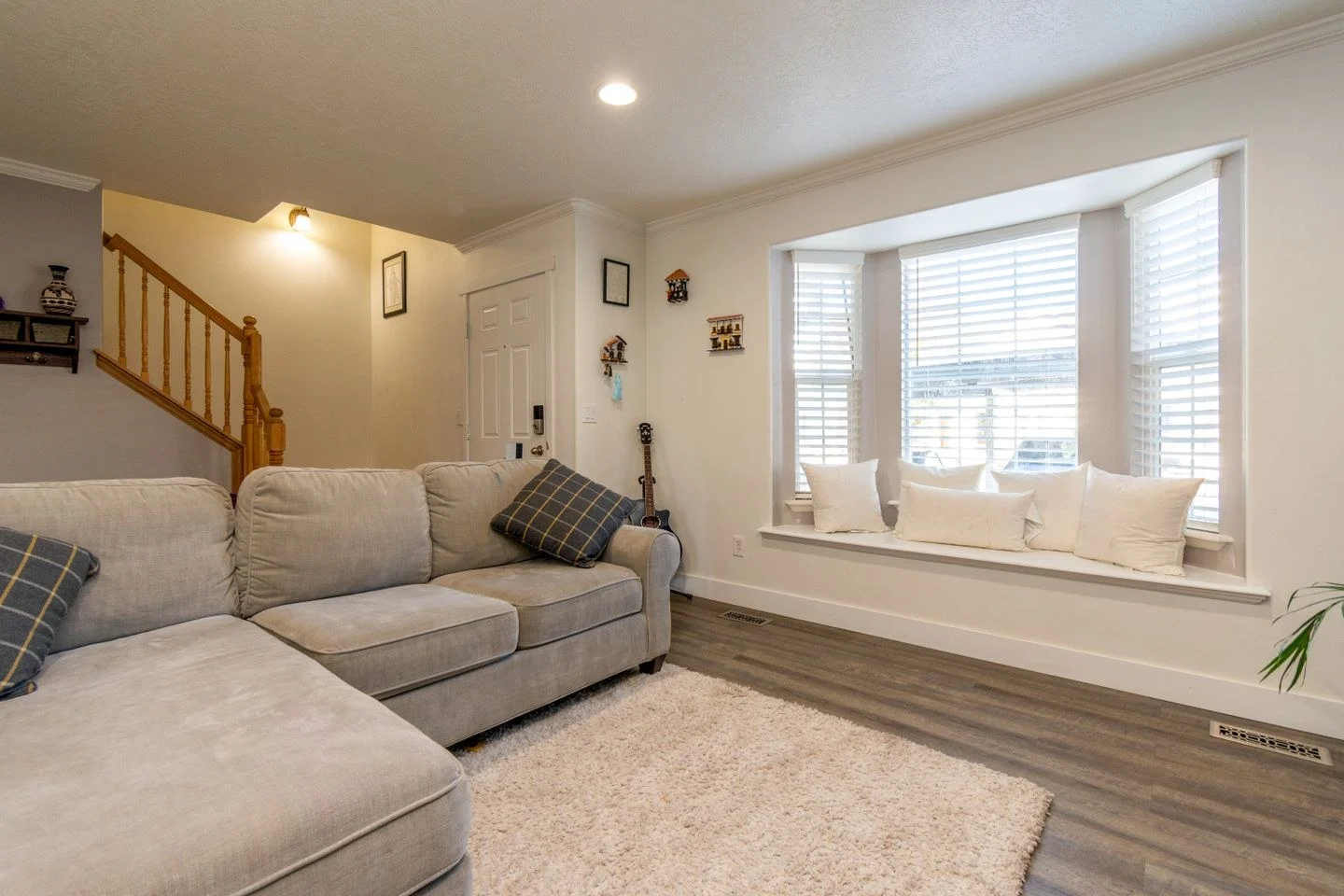
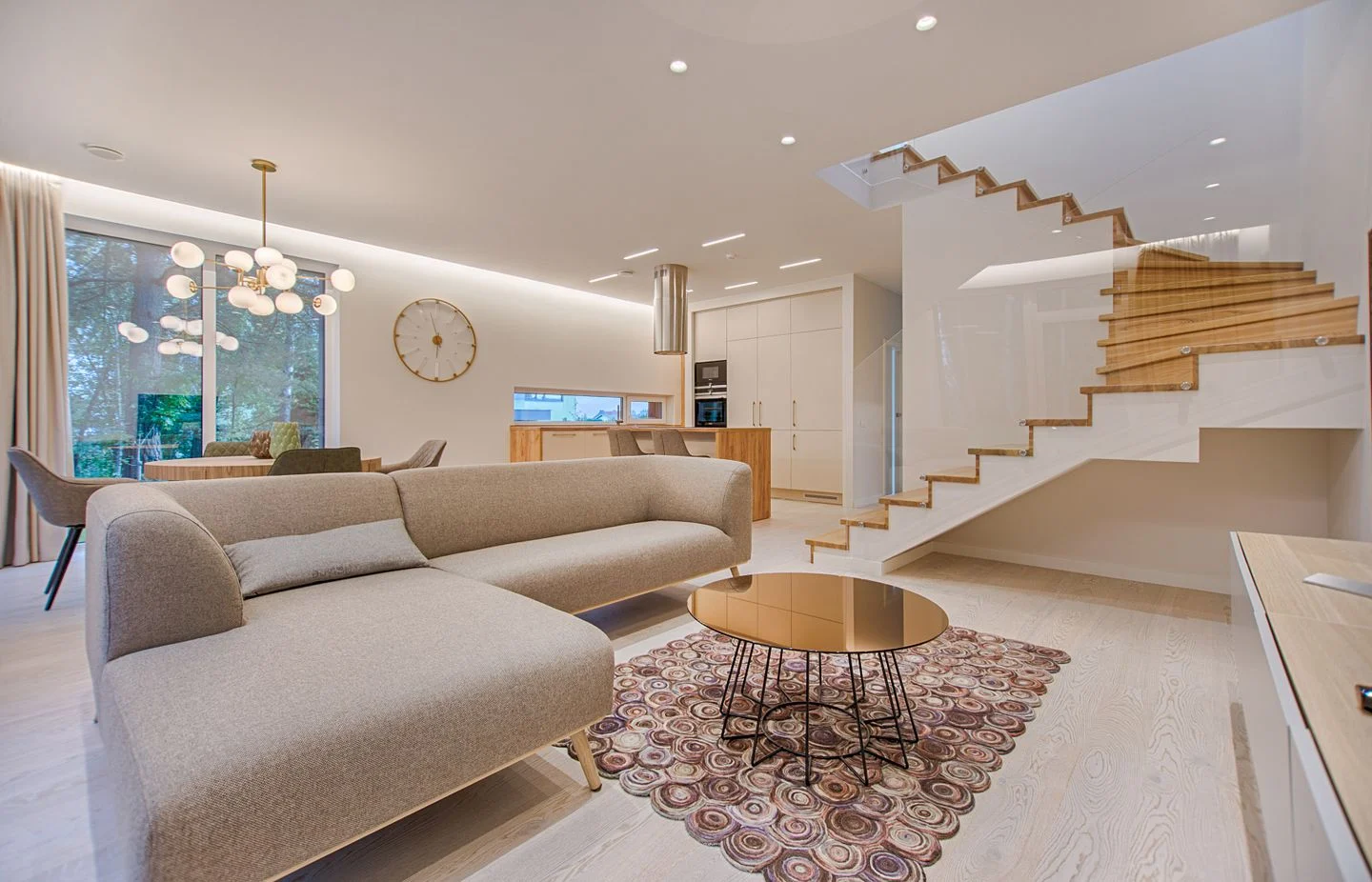
Size a rug around a sectional’s full shape and the seats beside it, with placement checks for a chaise, coffee table, walking routes, and visible floor.
Living Rooms
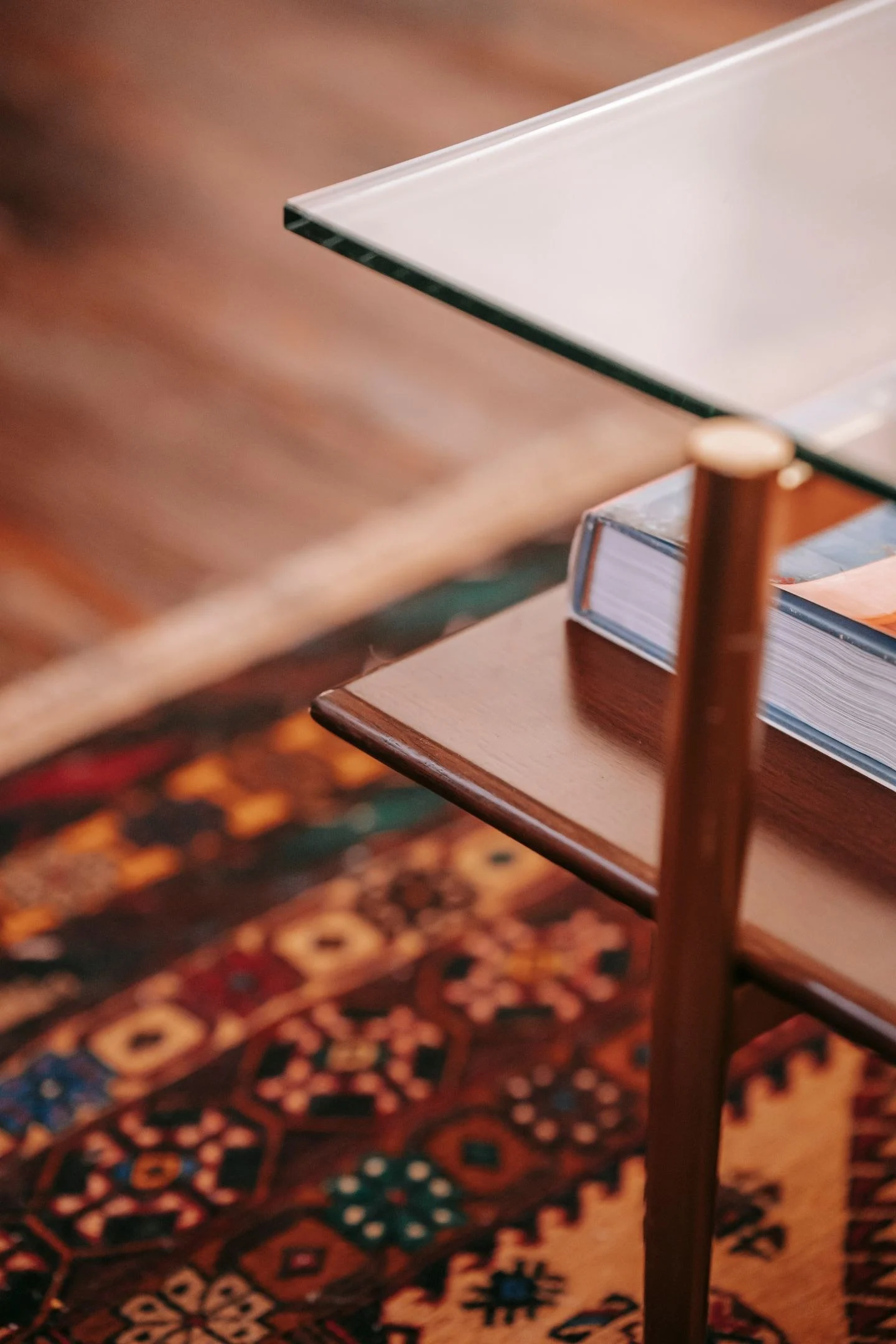
Choose a coffee table by the way people reach, stand, and pass through the seating group, then compare shape, surface material, and storage needs.
Living Rooms
Distribute living-room storage across a few useful pieces, matching books, games, blankets, and daily clutter to the places where they are used.
Living Rooms
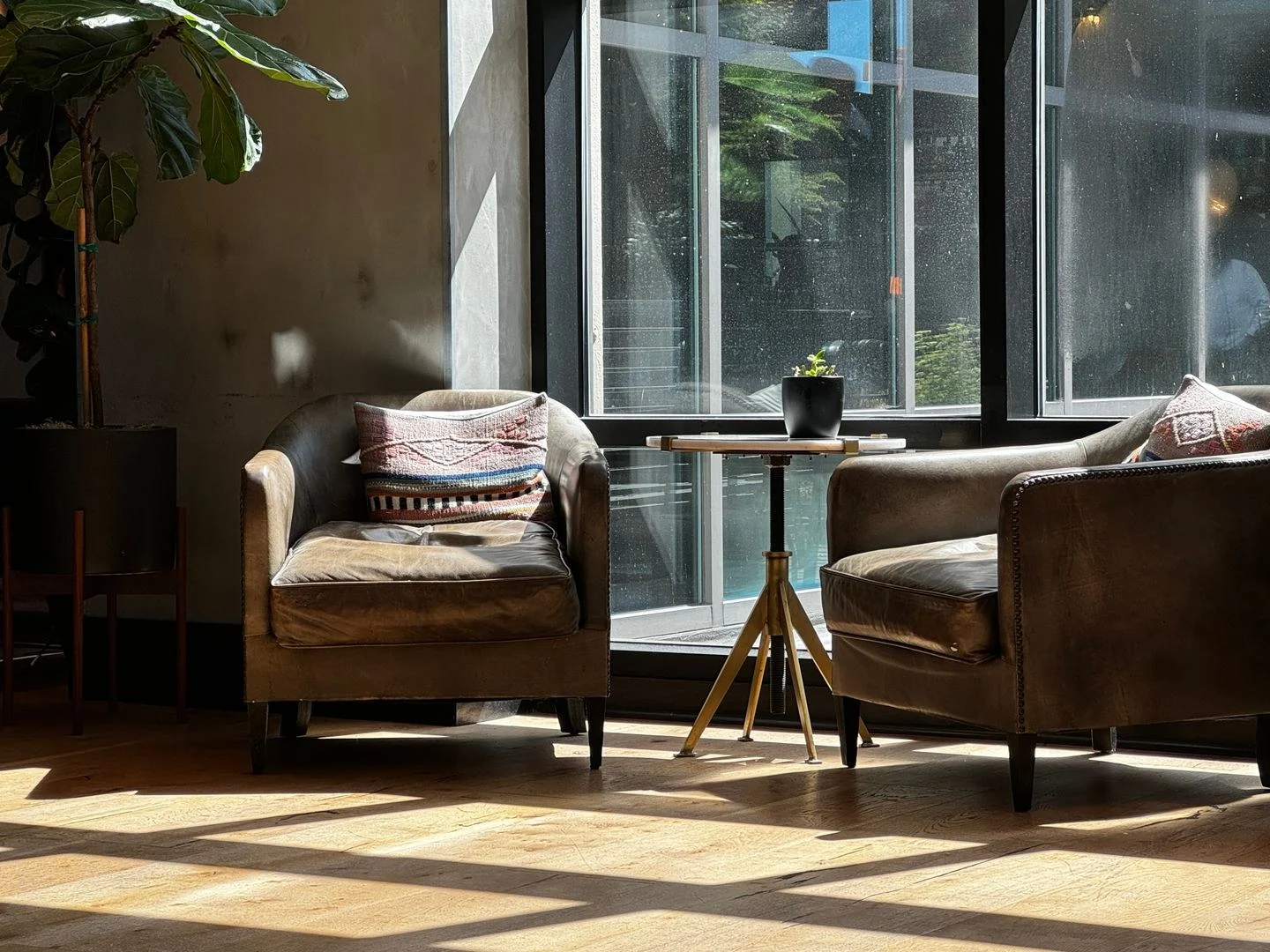
Set up two seats by a window with reachable tables, manageable glare, and a clear route for curtains and window operation, even in a modest corner.
Living Rooms
Map traffic through a living room with several doorways and use a compact seating island, shallow furniture, and carefully placed tables to keep routes clear.
Living Rooms
Define living and dining areas in one open room through furniture orientation, lighting, and repeated materials, without building a barrier between them.
Living Rooms
Use a bay window’s shape without forcing furniture into every angle, allowing room for curtains, the view, and a comfortable approach to the seating.
Living Rooms
Use two small side tables to put surfaces where people need them, comparing height, stability, and flexibility instead of automatically choosing one large table.
Living Rooms
Connect a vintage chair and a contemporary sofa through proportion, color, and one shared detail while letting their different materials and shapes remain visible.
Living Rooms
Plan a family living room with a defined play area, reachable toy storage, and adult seating that still works when the toys are in use.
Living Rooms
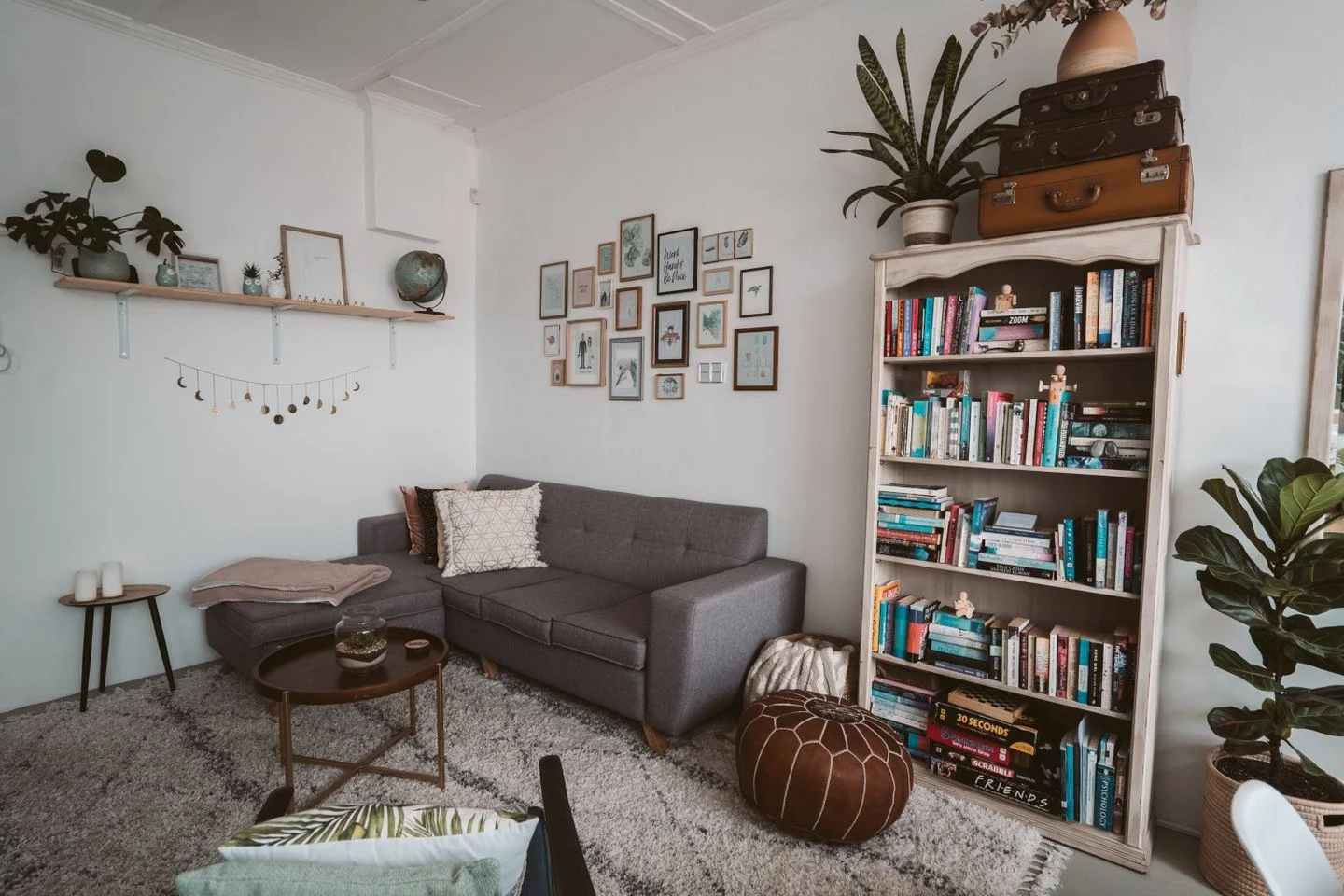
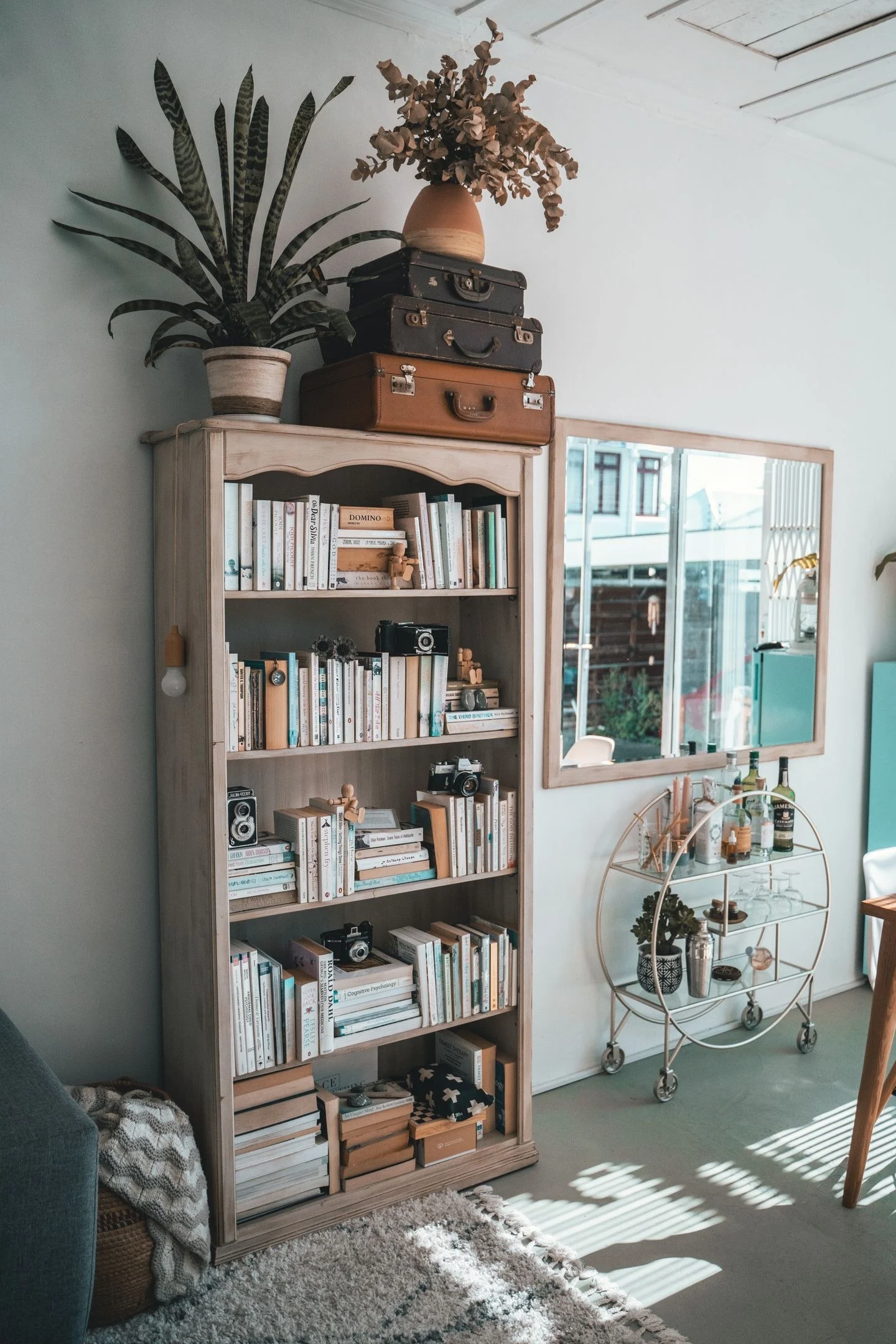
Arrange an open bookshelf around books you use, a few objects, and deliberate empty space, with shelves that remain accessible rather than purely decorative.
Living Rooms
Choose a sofa-back console by its job, depth, and relationship to the sofa, with checks for walking space, lamp cords, drawers, and views across the room.
Living Rooms
Measure devices, ventilation needs, cables, and television supports before selecting a media cabinet, so the storage works with the equipment you actually use.
Living Rooms
Arrange a living room with one usable wall by assigning that wall carefully and letting freestanding seating define the rest of the room.
Living Rooms
Make a recliner part of the seating group by planning its full movement, viewing angle, side table, and visual relationship to the sofa.
Living Rooms
Consider how a large ottoman affects foot space, serving surfaces, storage access, and circulation before replacing the living room’s coffee table.
Living Rooms
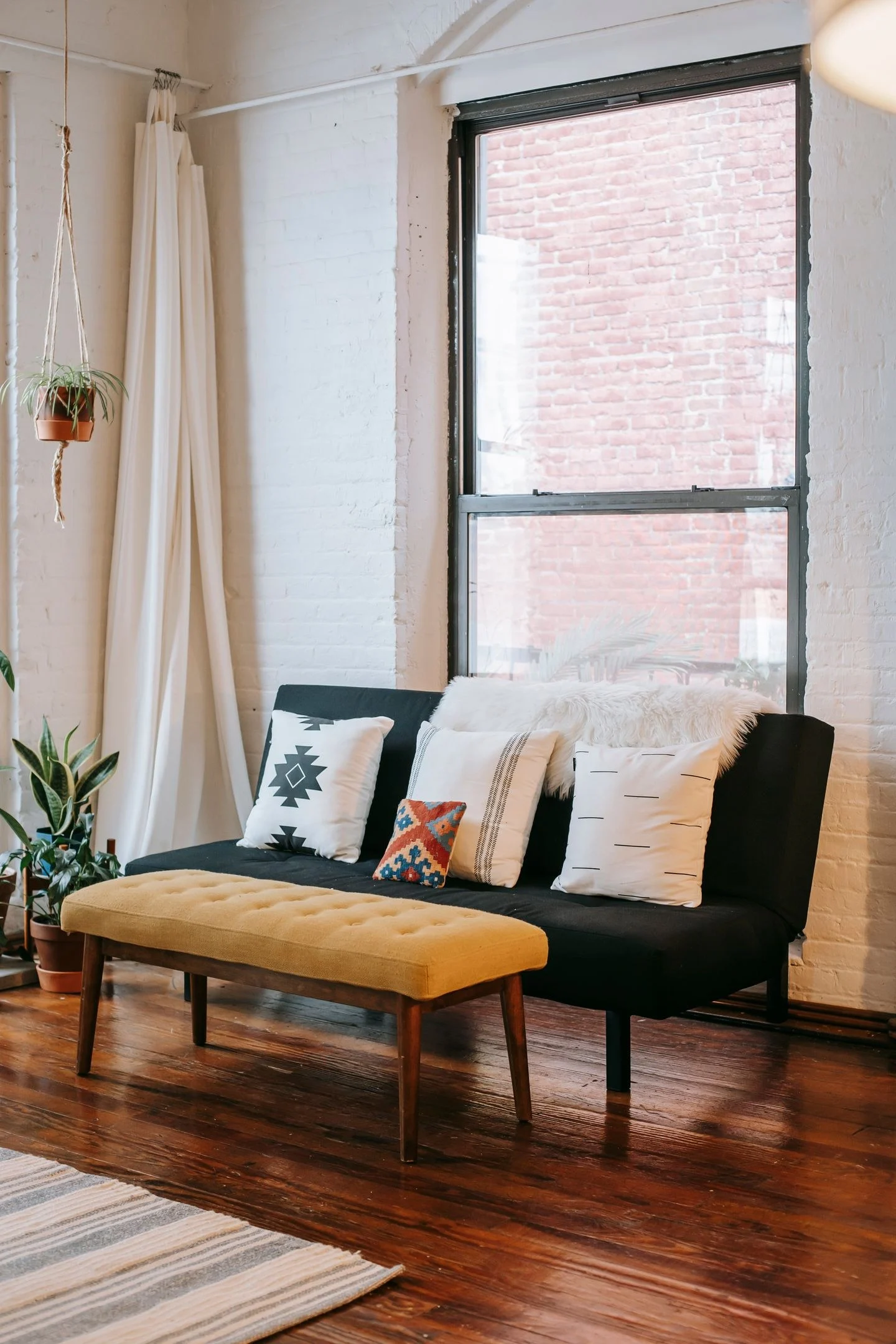
Add a living-room bench where occasional seating is useful, checking comfort, weight, and a real parking place before treating it as flexible furniture.
Living Rooms
Create a reading corner beside the main seating with the right chair orientation, reachable book storage, and a light that serves the page without glare.
Living Rooms
Balance a dark sofa with the surrounding floor, rug, lighting, and smaller dark accents so the room feels connected without needing every surface to be pale.
Living Rooms
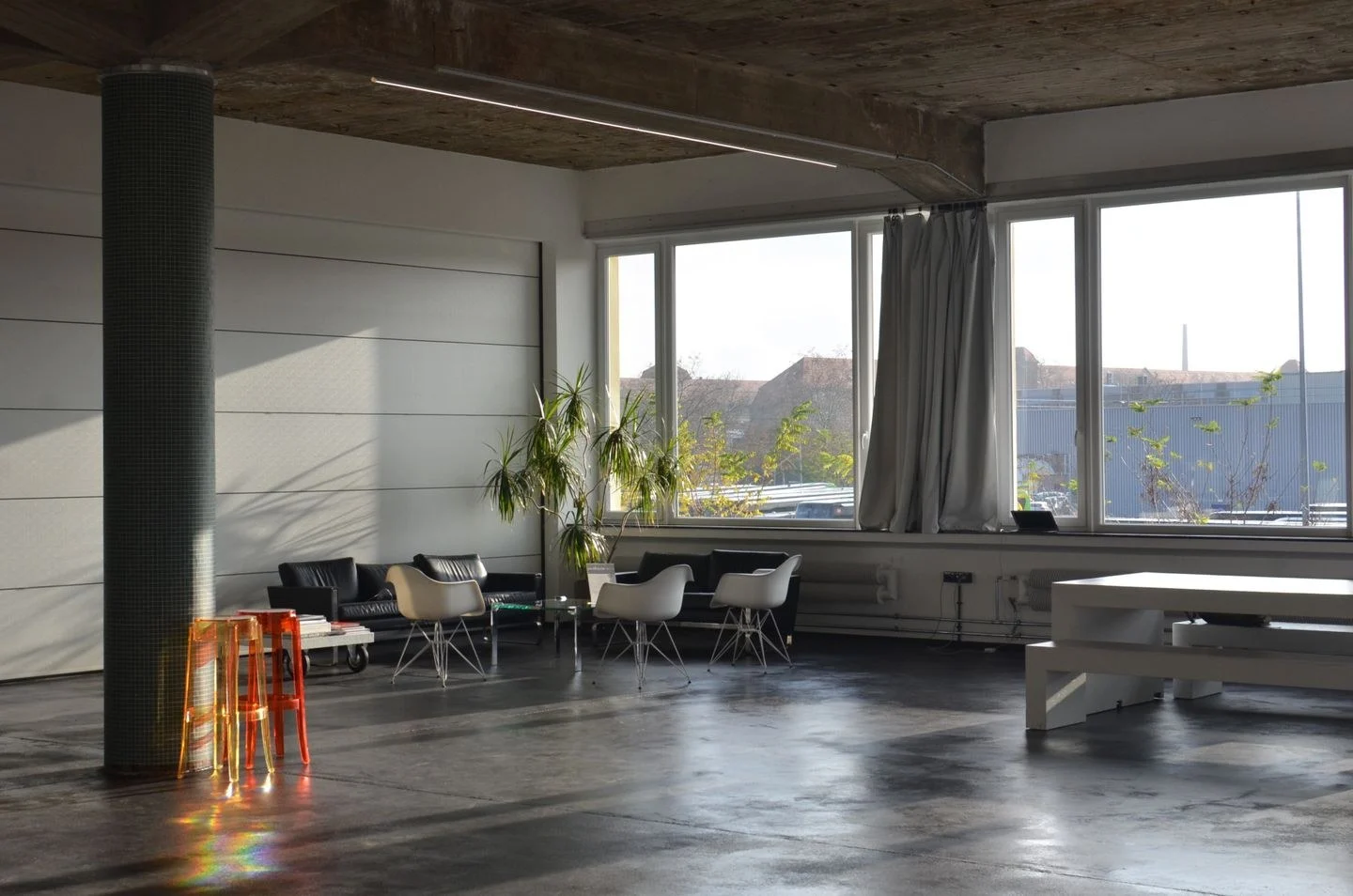
Bring a large living room into focus with a main conversation group, one secondary activity, and furniture spacing based on use rather than the walls.
Living Rooms
Keep a sliding patio door easy to use while arranging nearby seating, rugs, and curtains, with attention to the active panel and everyday outdoor traffic.
Living Rooms
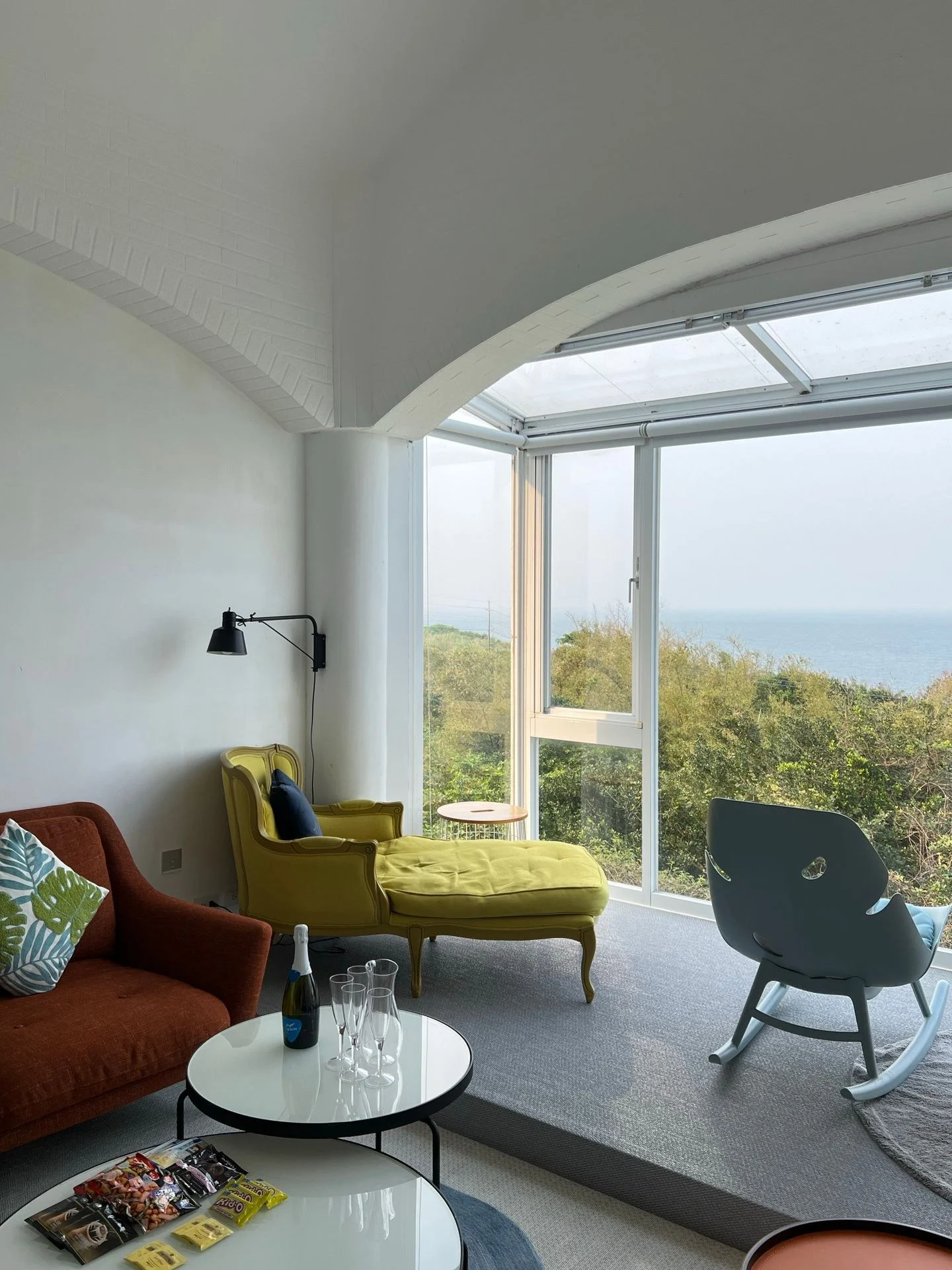
Pair accent chairs with different silhouettes by comparing seat height, visual weight, materials, and how each chair participates in the living-room layout.
Living Rooms
Plan artwork above a sofa by its overall footprint, relationship to the furniture, and viewing position before choosing a single piece or a group of frames.
Living Rooms
Refresh a living room with existing furniture by editing the room, testing a different layout, and moving lamps and textiles before making a shopping list.