Bedrooms
Planning a bedroom around the bed rather than the dresser
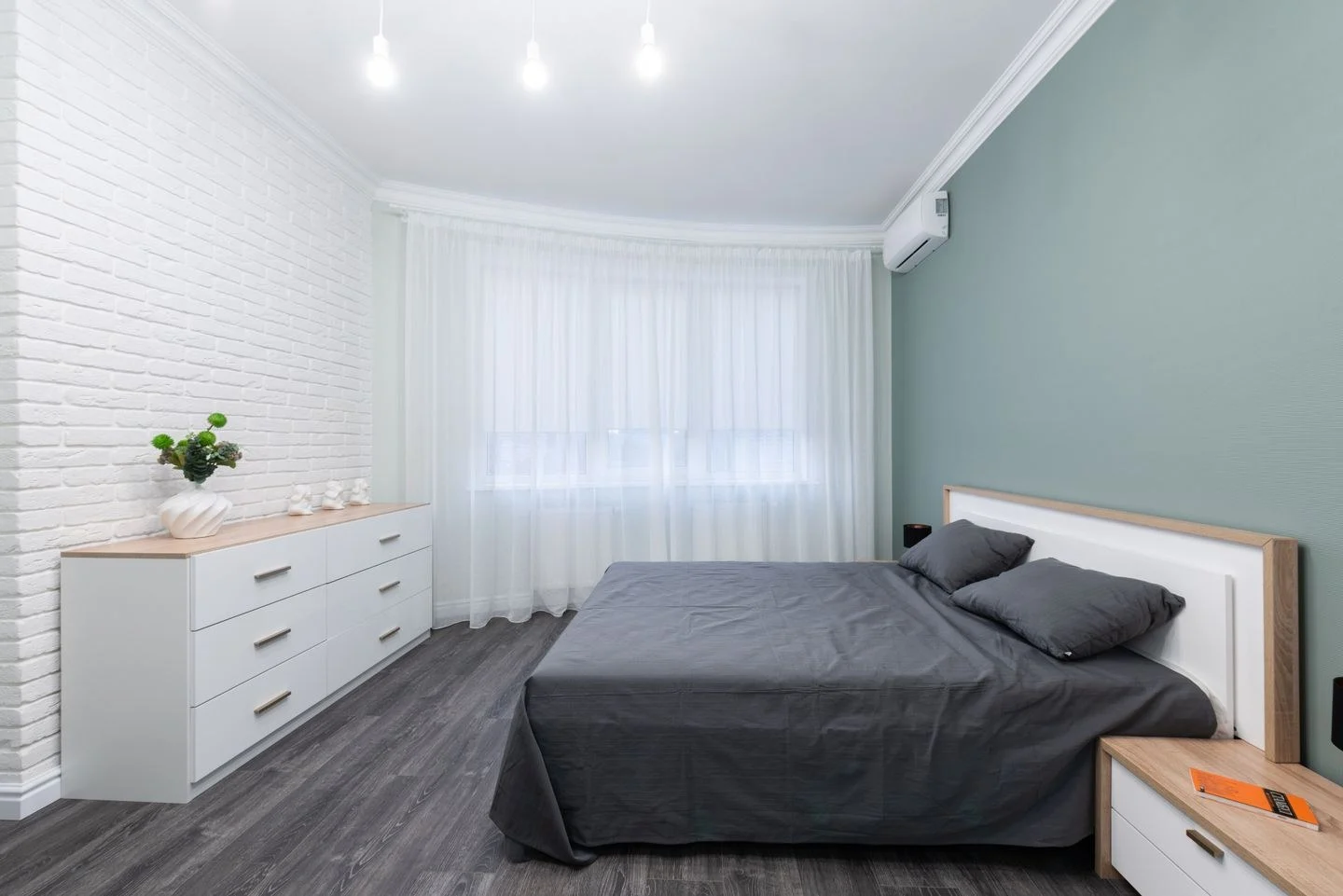
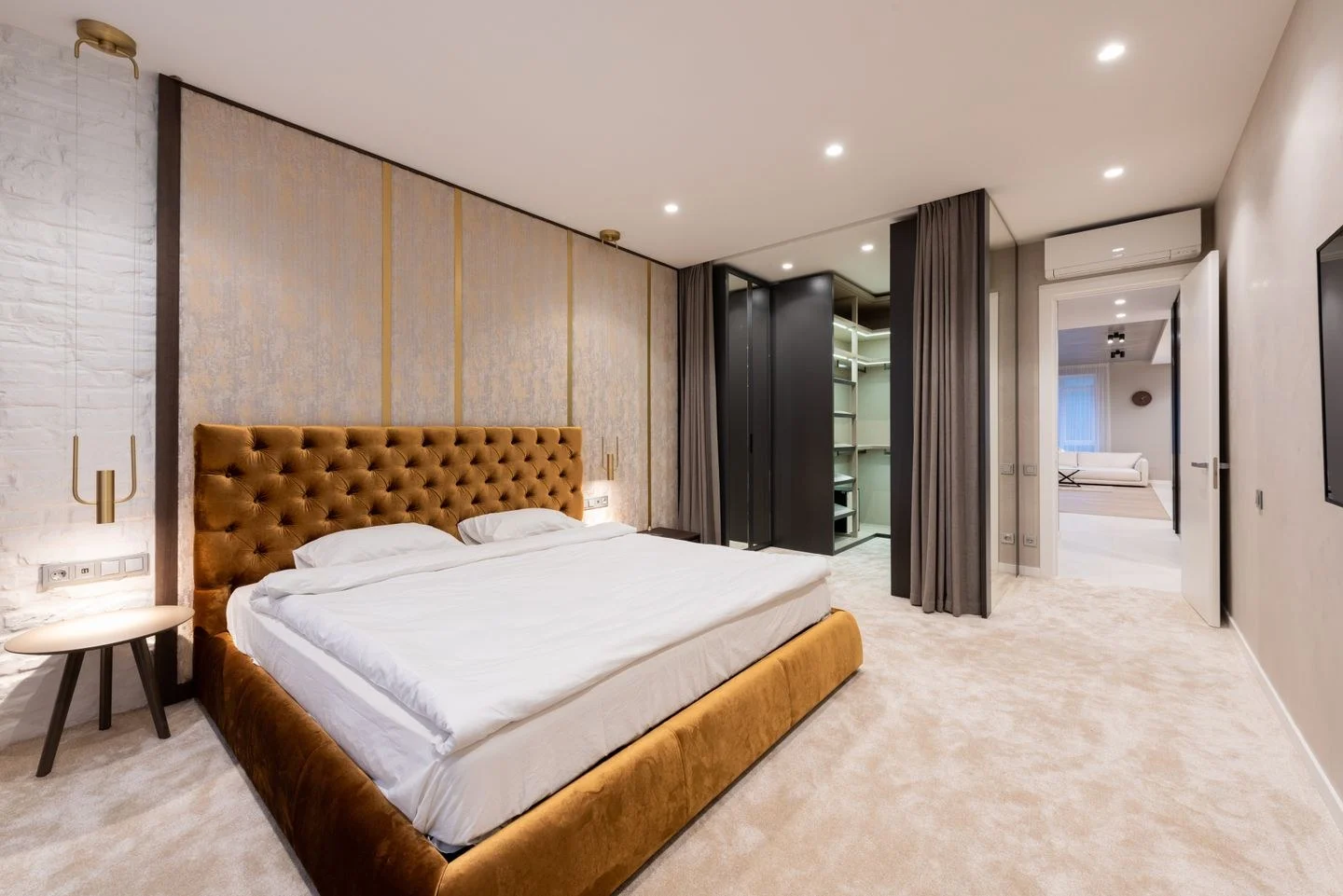
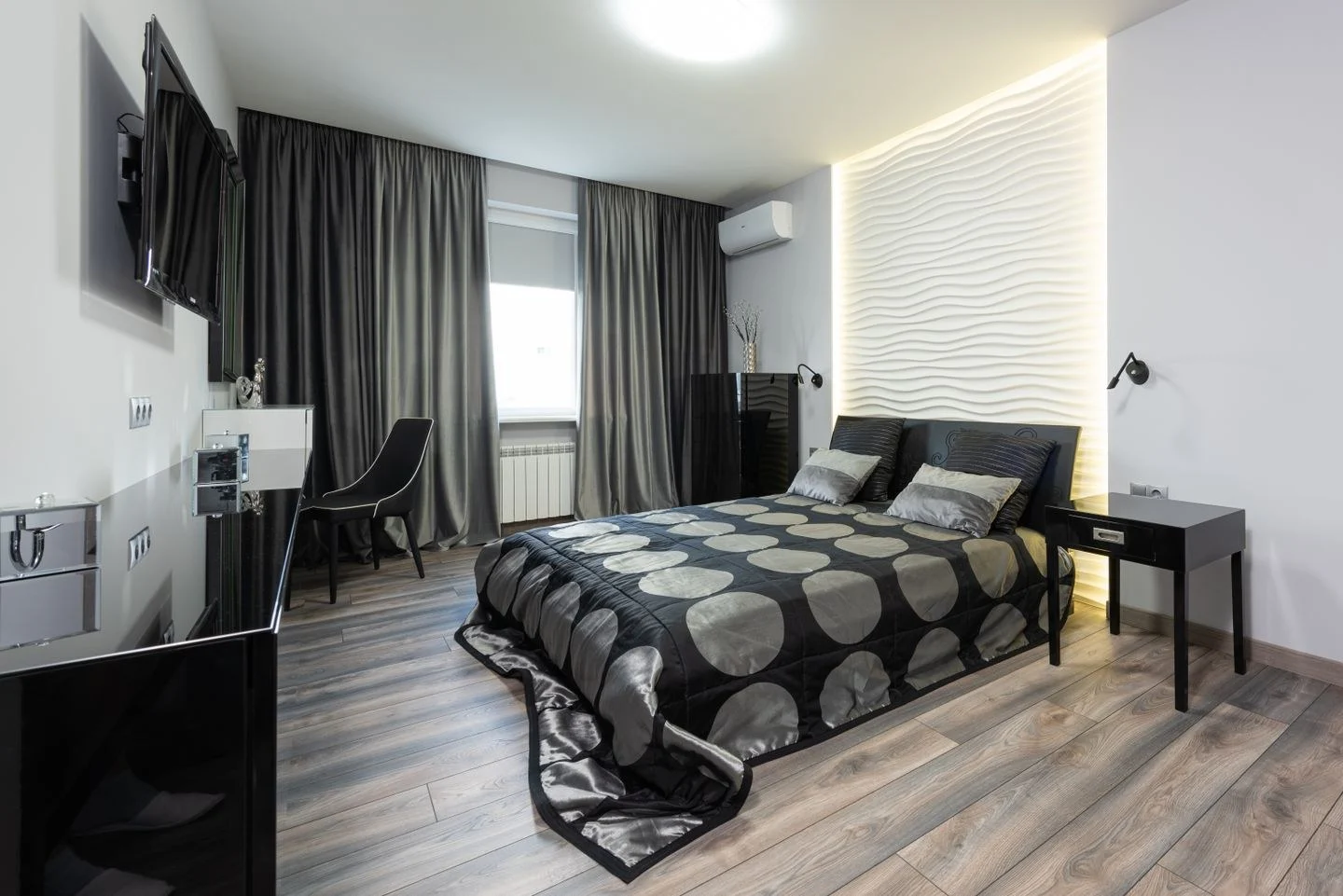
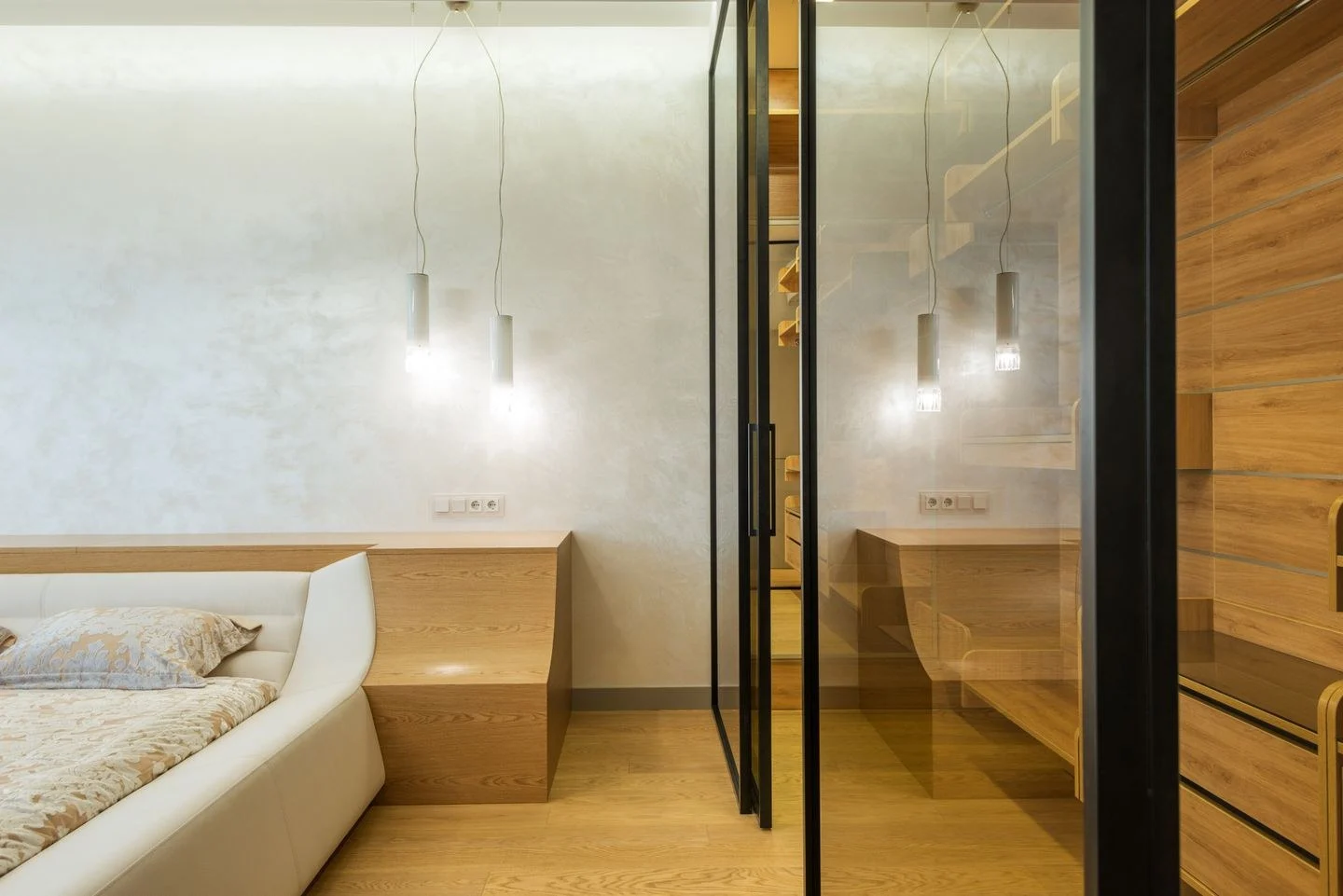
Plan a bedroom around the bed, walking routes, and everyday storage, then choose a dresser that fits the space you actually have left.
Bedrooms
Plan a bedroom around the bed, walking routes, and everyday storage, then choose a dresser that fits the space you actually have left.
Bedrooms
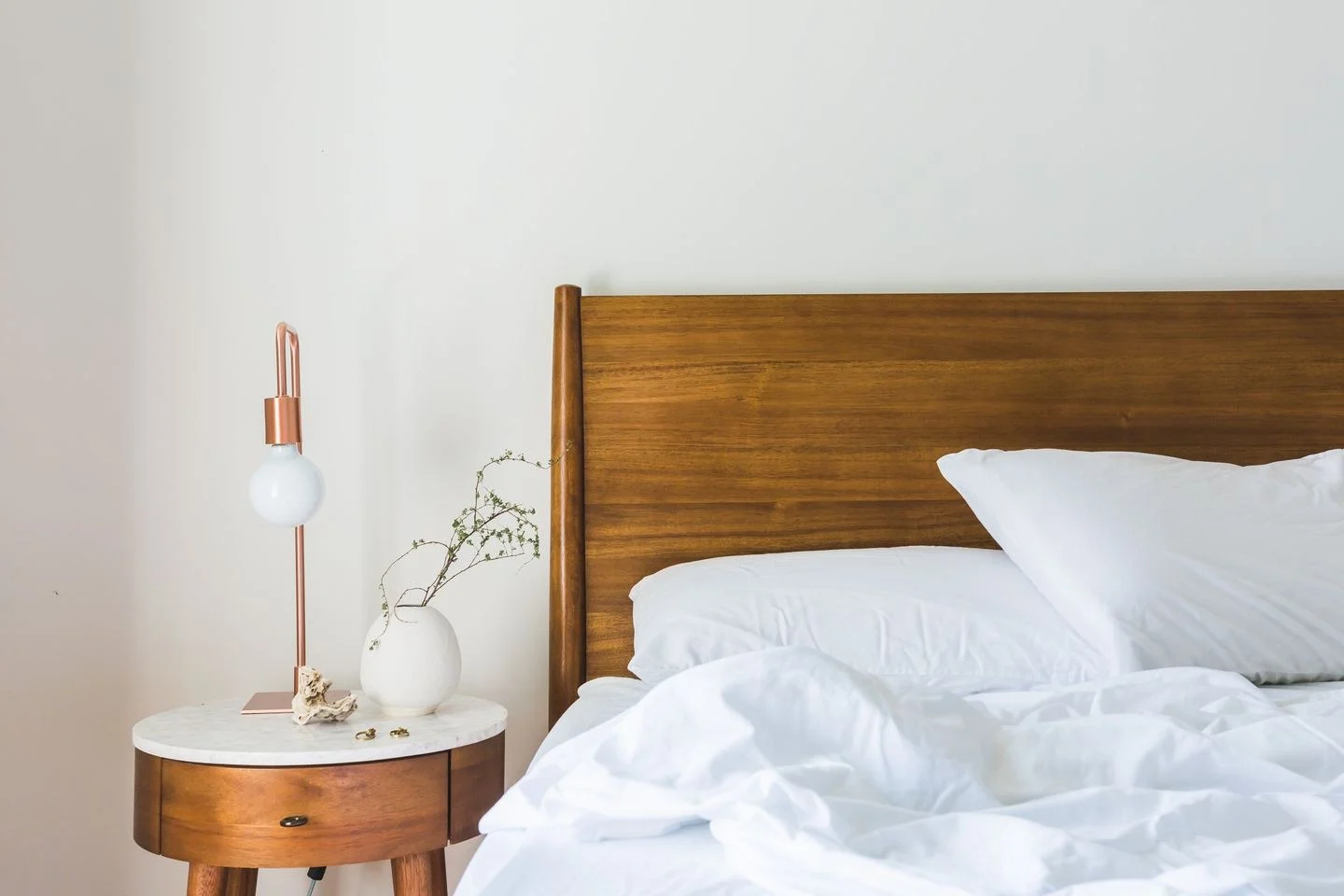
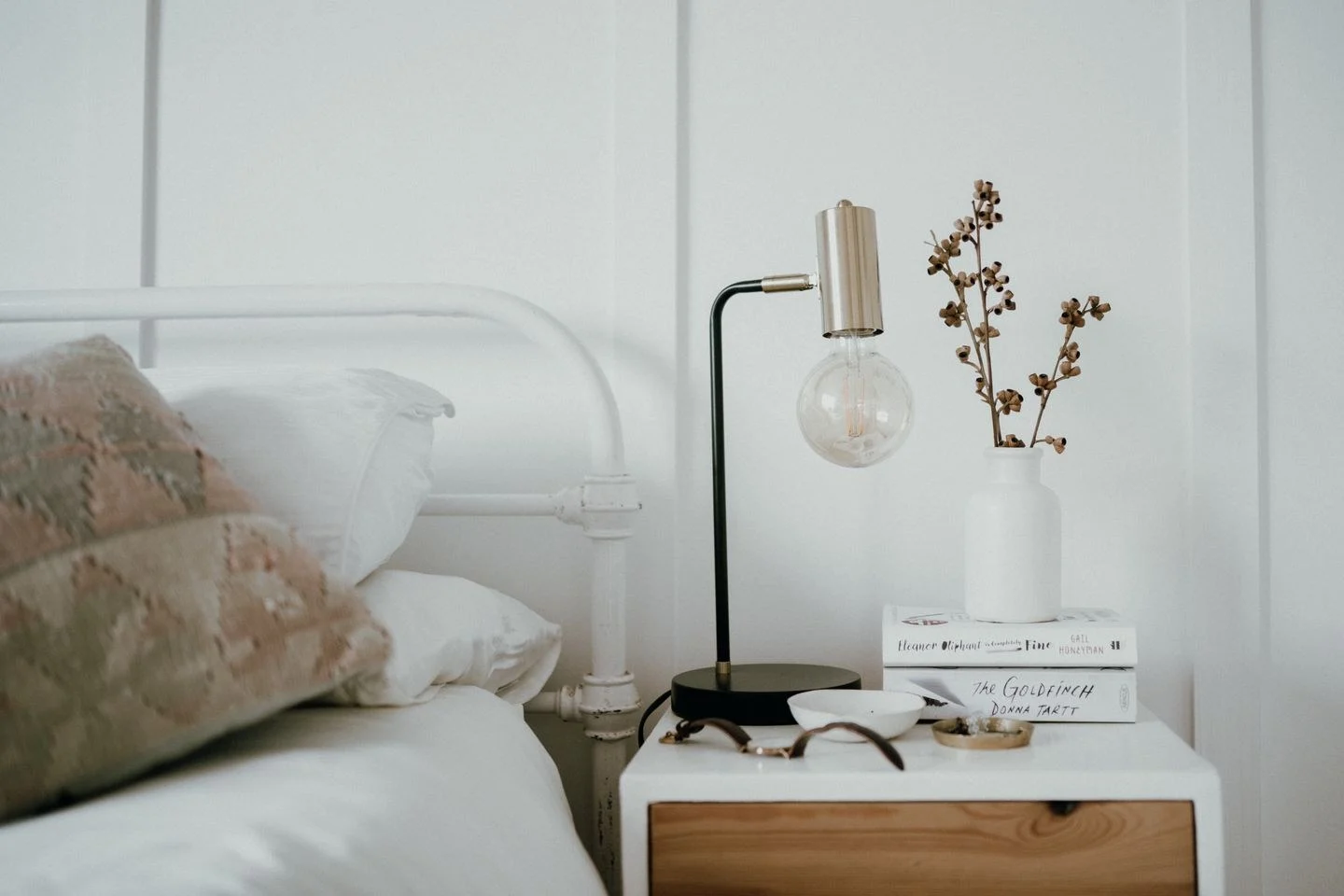
Choose a nightstand using the finished mattress height, bedside reach, drawer access, and the space left after a lamp and nightly essentials are in place.
Bedrooms
Keep access on both sides of a bed in a small room by checking the bed frame, door swings, storage openings, and the furniture that can move elsewhere.
Bedrooms
Layer a bed with sheets, a useful cover, and one optional accent, choosing texture and seasonal warmth without a daily stack of decorative pillows.
Bedrooms
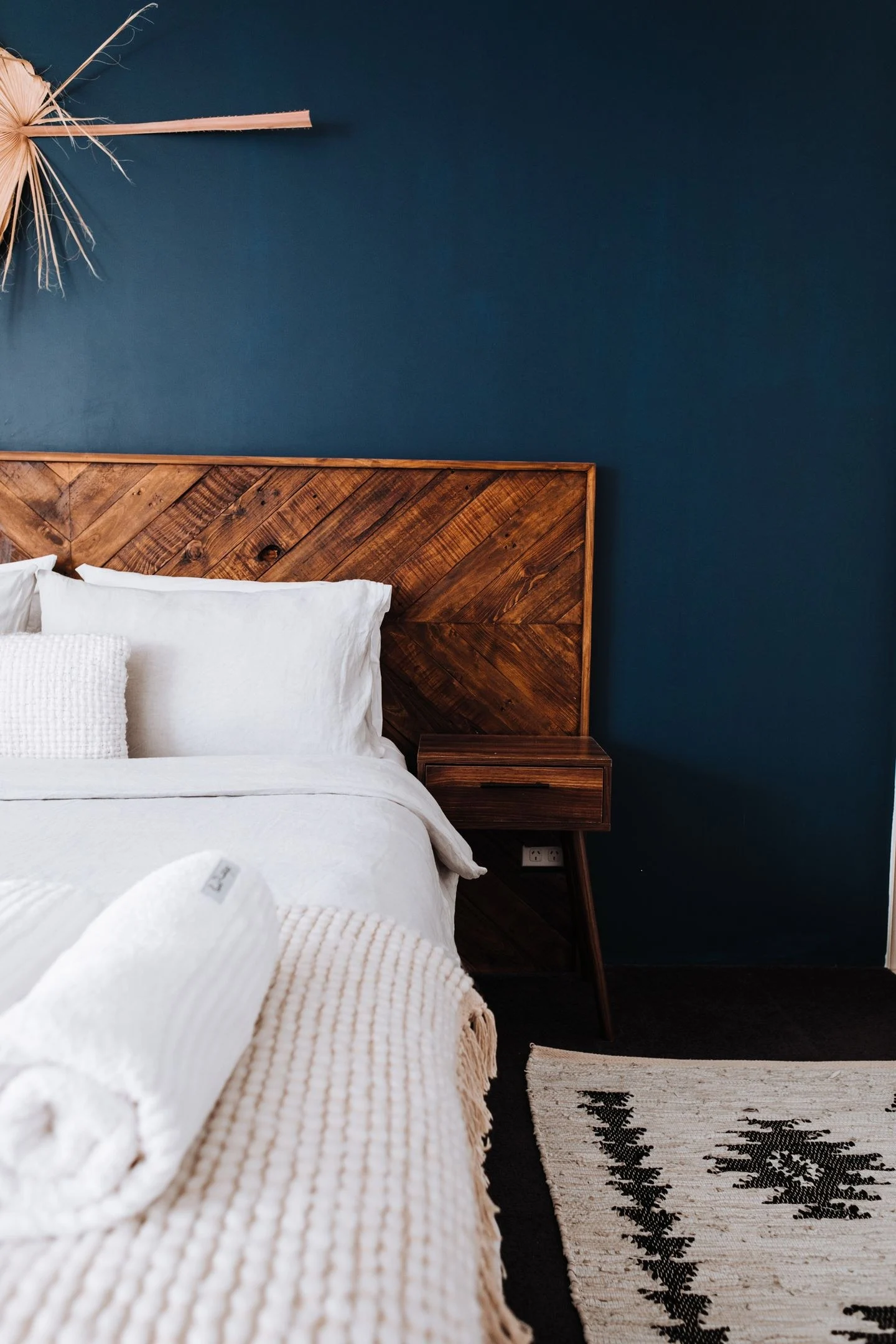
Build a bedroom color palette around warm wood by comparing its undertone with bedding, wall samples, and a small number of darker or cooler accents.
Bedrooms
Choose art, color, or a quiet wall behind a bed by considering the headboard, ceiling height, lighting, and safe installation rather than filling every gap.
Bedrooms
Fit a dresser into a narrow bedroom by measuring drawers in use, comparing tall and wide options, and separating clothing storage from the room’s walking route.
Bedrooms
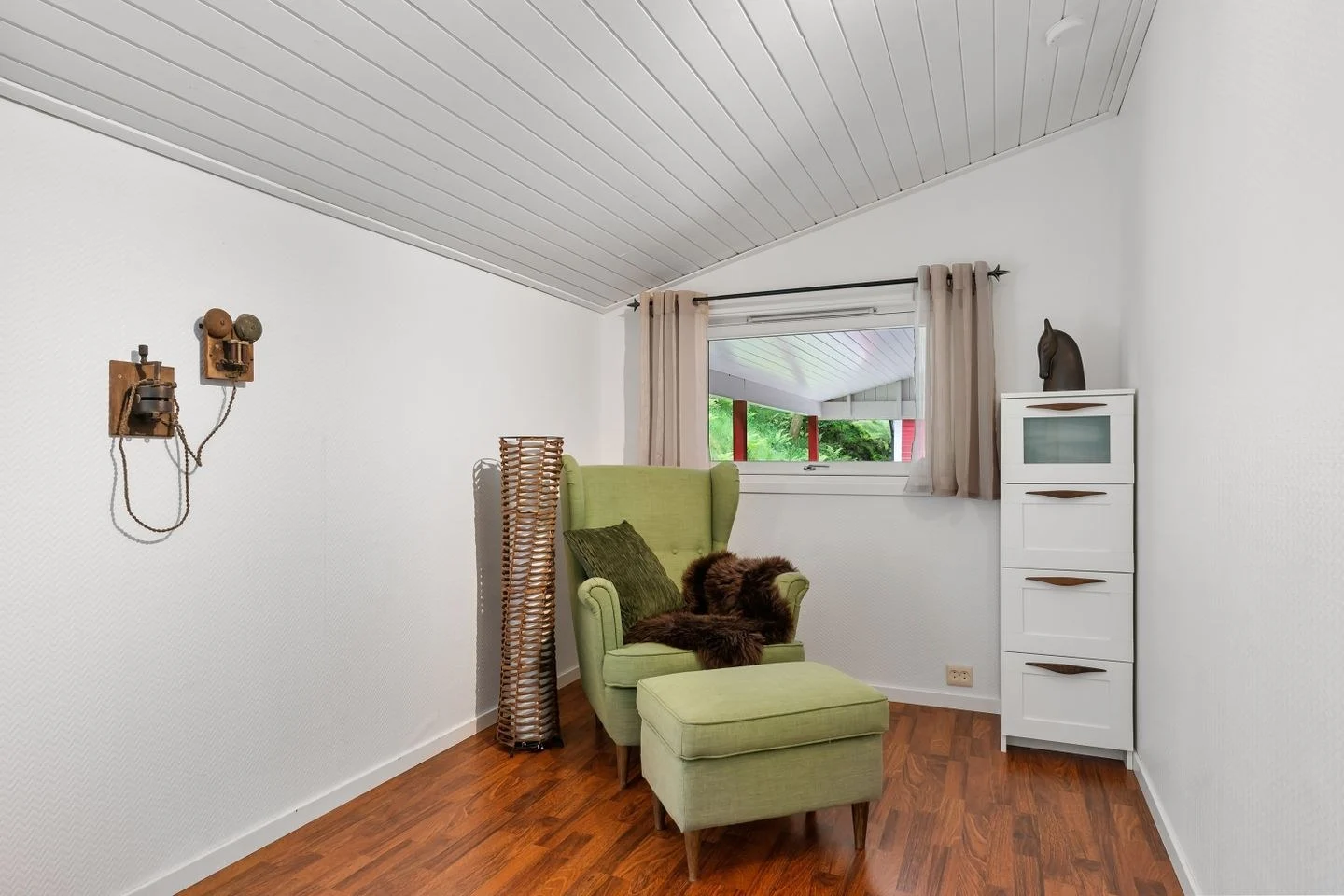
Add a bedroom reading chair only after checking closet access, the chair’s occupied footprint, lamp placement, and where clothes will go instead.
Bedrooms
Make mismatched nightstands feel intentional through a shared height, finish, or lamp detail while allowing each side of the bed to suit a different routine.
Bedrooms
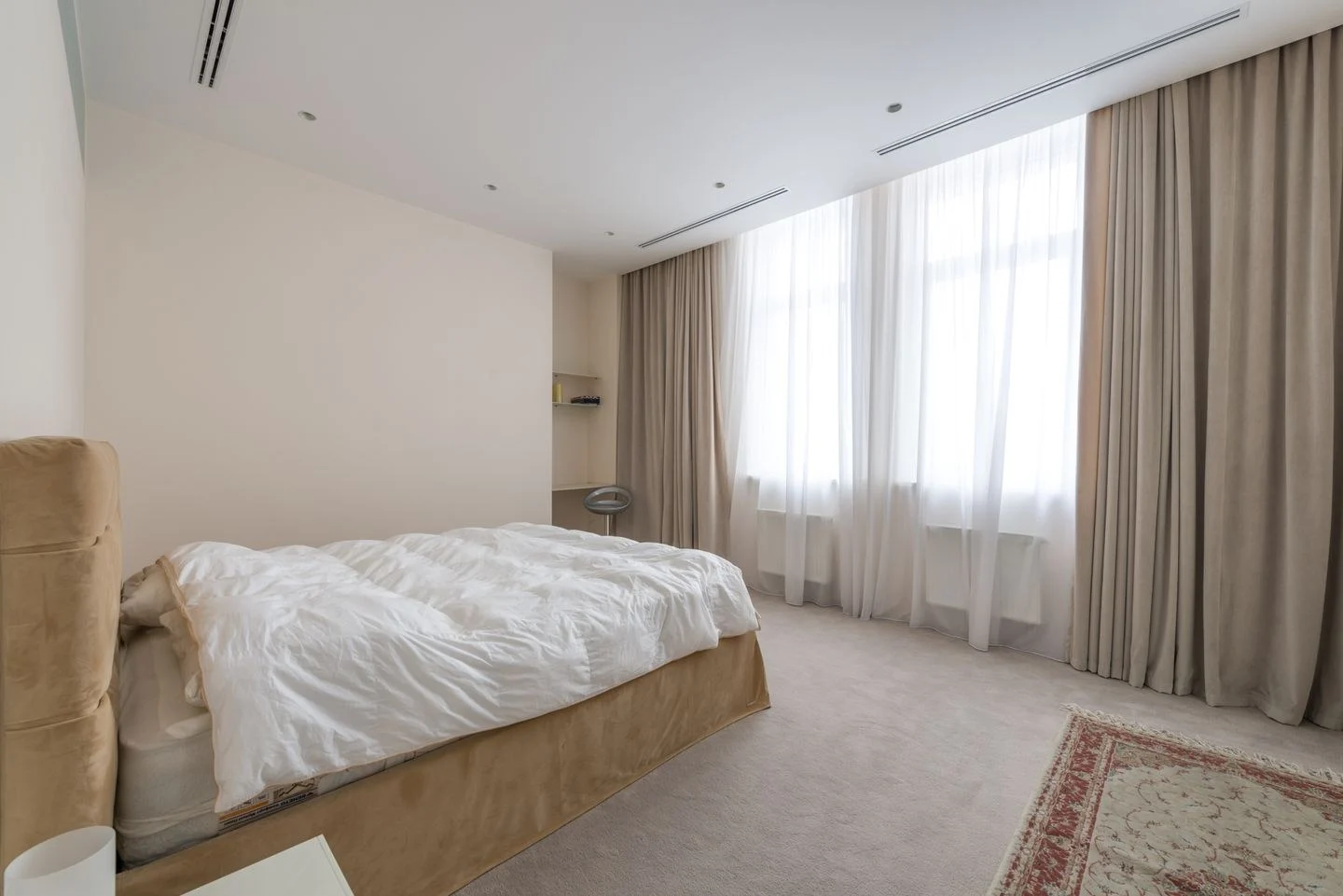
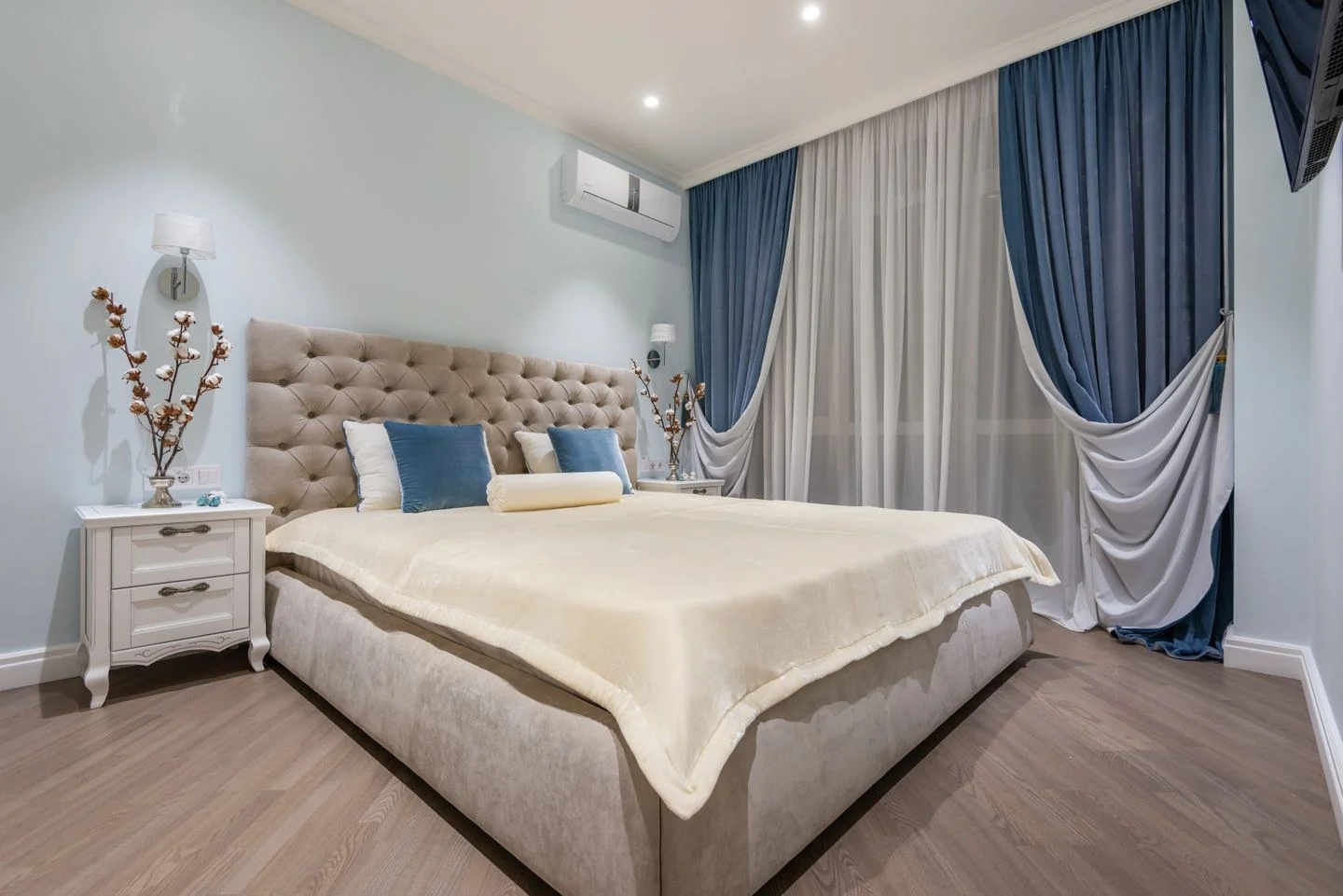
Compare bedroom curtains and shades by light blocking, privacy, edge gaps, operation, and care, then choose a combination that fits the window and routine.
Bedrooms
Make a guest bedroom share household storage without crowding visitors, using clear zones for luggage, accessible drawers, and items that stay out of the guest routine.
Bedrooms
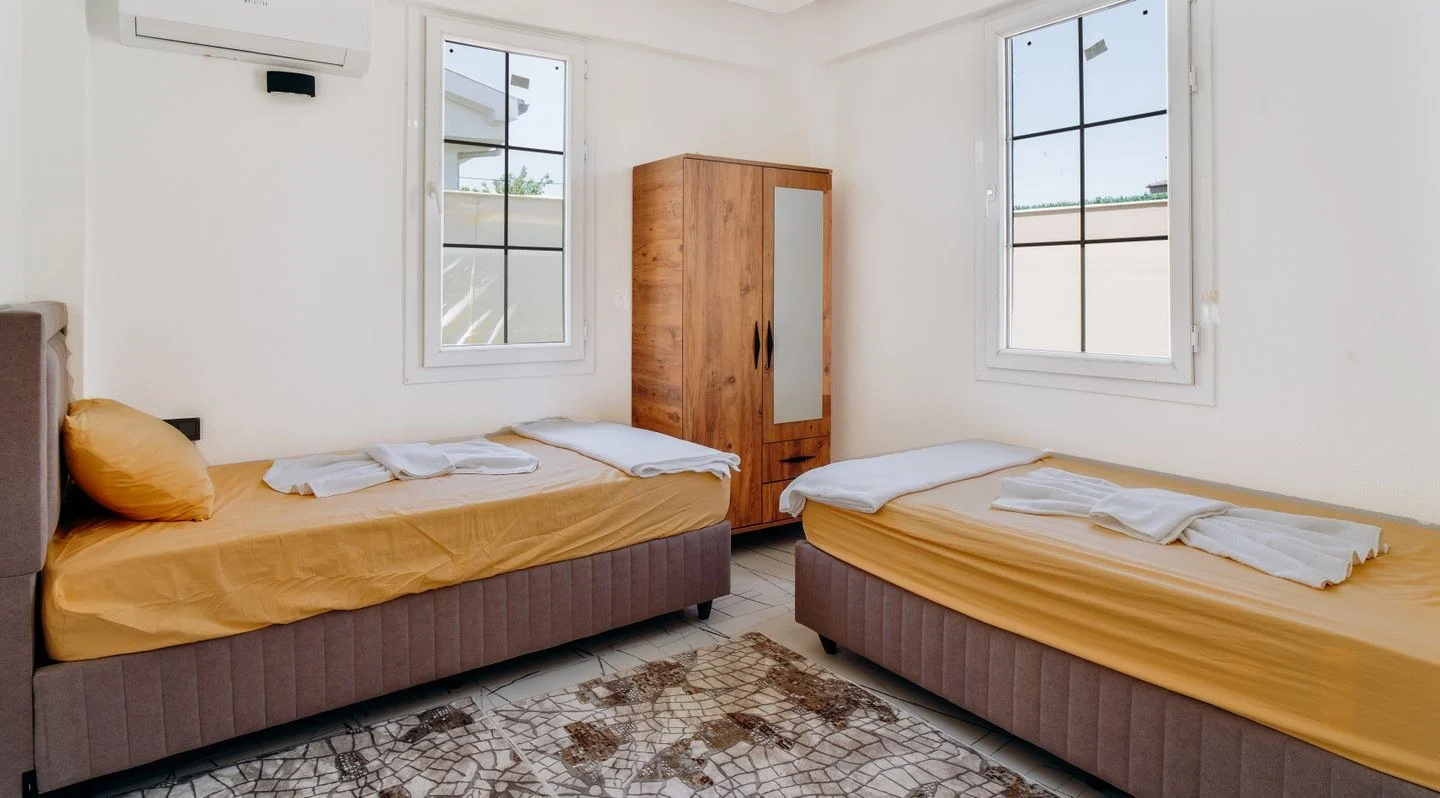
Plan a shared bedroom with fair access, individual bedside space, and storage that supports different routines without splitting the room into competing halves.
Bedrooms
Decorate a bedroom with a low ceiling using proportion, lighting, and a calmer upper wall, without choosing furniture so low that it becomes uncomfortable.
Bedrooms
Replace a bedroom dresser with a planned mix of closet storage, suitable under-bed containers, and small compartments that keep everyday clothing accessible.
Bedrooms
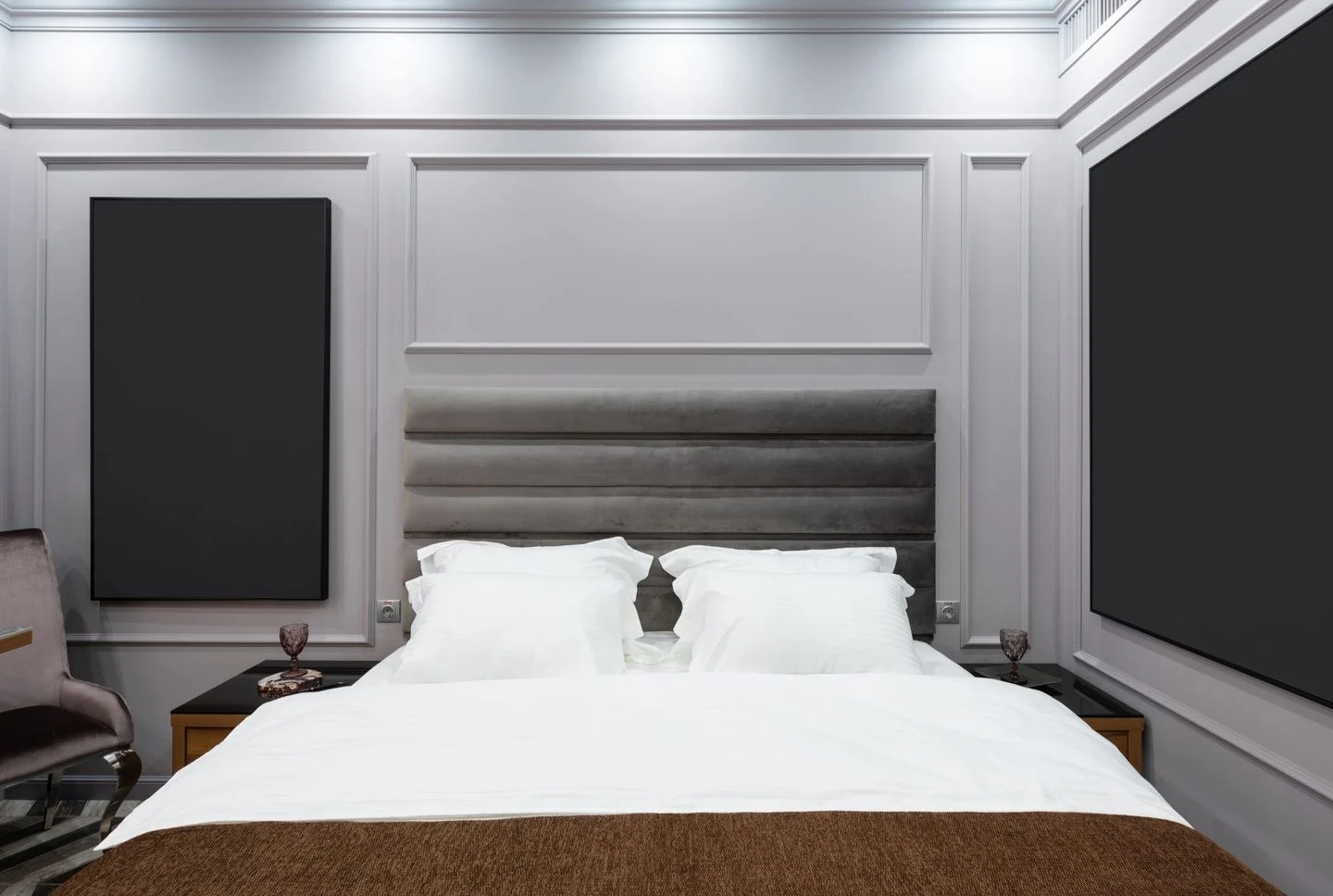
Choose a headboard by the bed’s complete height, the width of the wall, bedside furniture, and the role you want the bed to play in the room.
Bedrooms
Compare bed frames with visible legs and solid-looking bases by finished height, mattress support, cleaning access, storage, and the space they occupy.
Bedrooms
Position a bedroom rug where feet actually land, comparing one large rug with runners and checking bed legs, door clearance, and cleaning access.
Bedrooms
Make a compact bedside setup work with a small set of essentials, a suitable light, and charging arrangements that do not occupy the entire surface.
Bedrooms
Balance a bedroom with an off-center window by relating the bed, curtains, lamps, and artwork to the usable wall instead of forcing false symmetry.
Bedrooms
Turn a bedroom corner into a dressing area with a usable mirror view, a seat or surface suited to the routine, and storage that does not crowd the bed.
Bedrooms
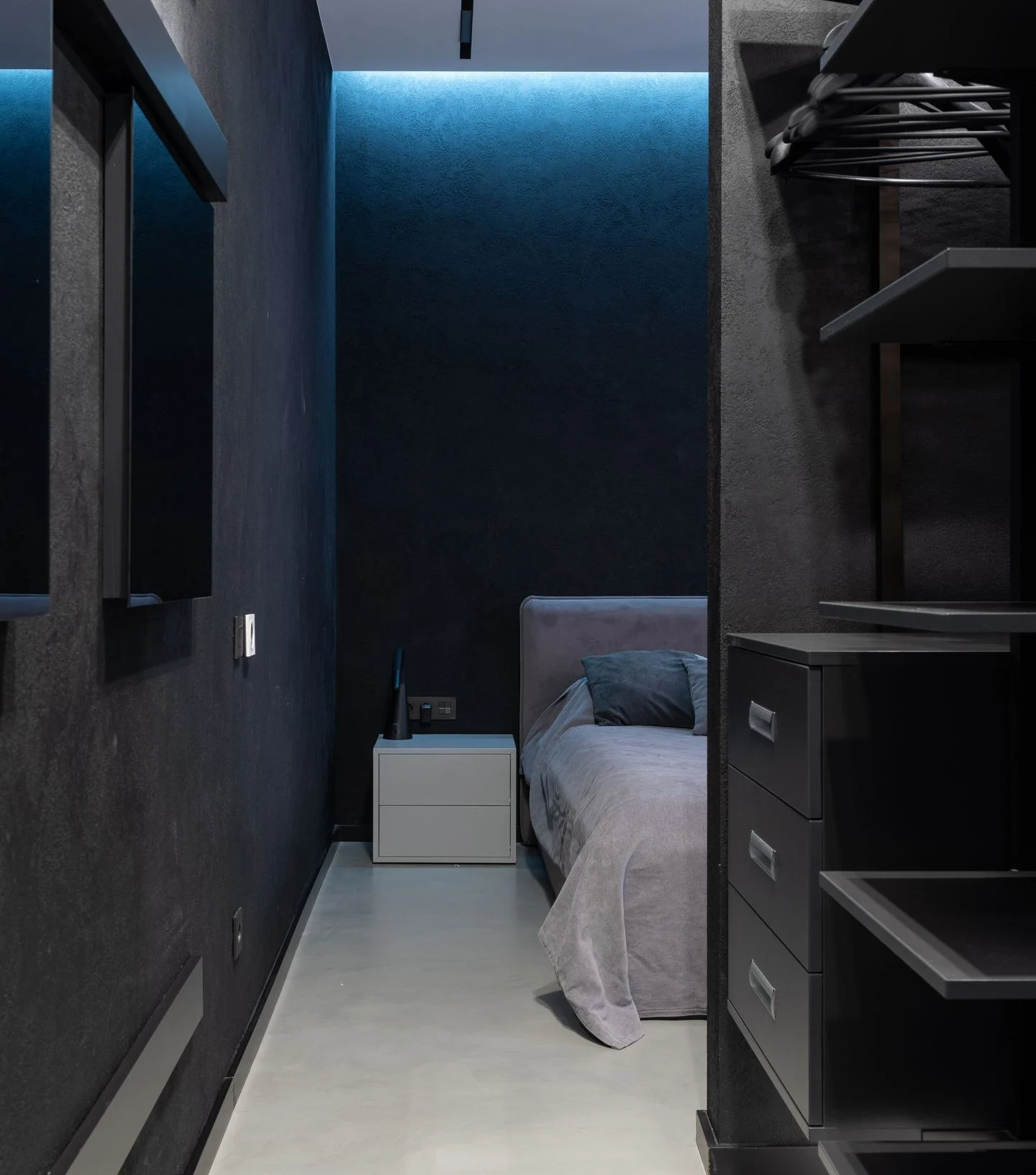
Decorate a dark-walled bedroom with readable furniture shapes, layered light, and bedding that suits the room rather than automatically adding stark white contrast.
Bedrooms
Prepare a guest bed with washable layers, accessible spare bedding, and a simple reset routine that works between visits without an elaborate decorative arrangement.
Bedrooms
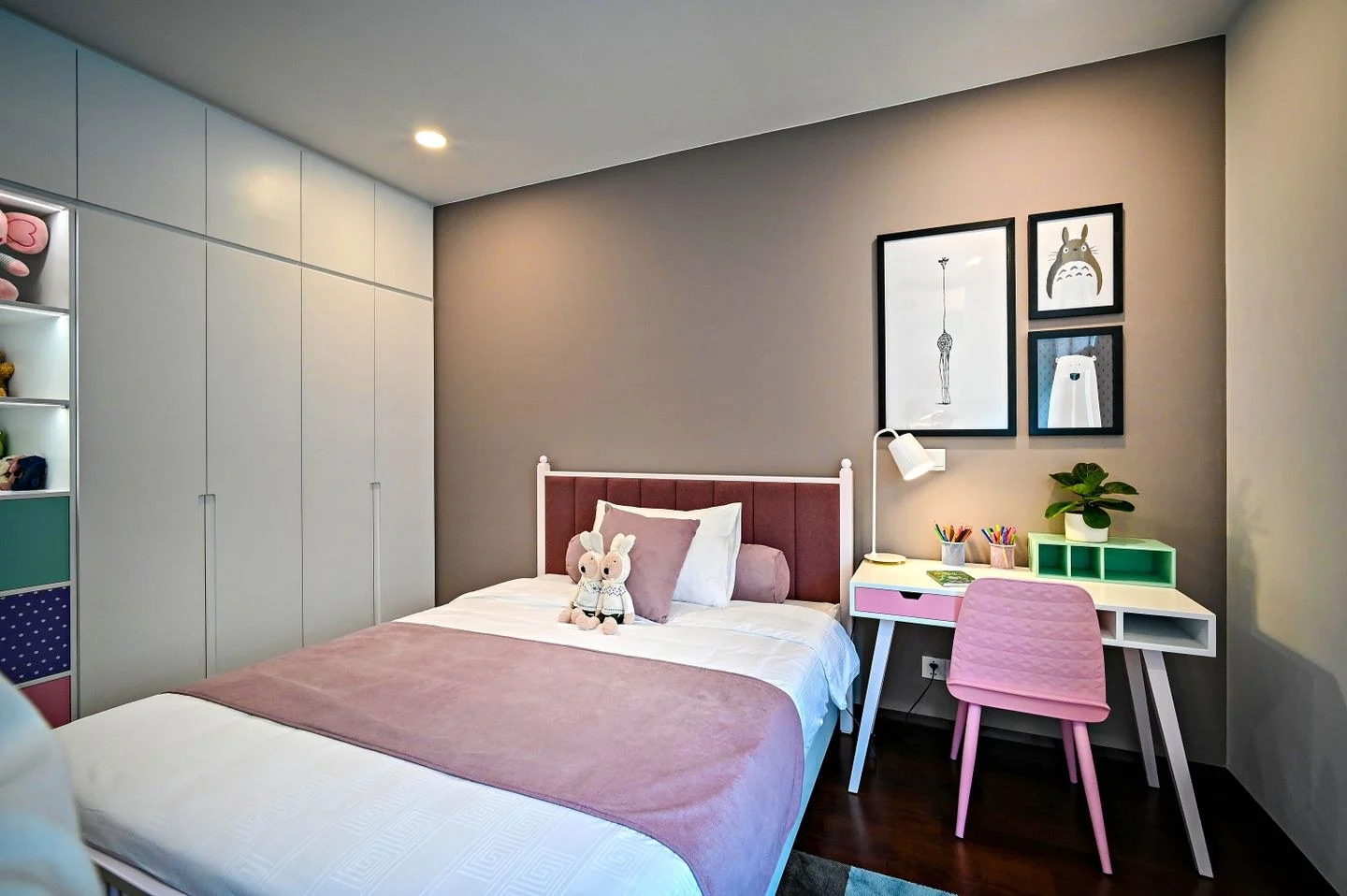
Separate a bedroom workspace through furniture orientation, contained storage, and an end-of-day routine while preserving comfortable work and clear access to the bed.
Bedrooms
Use curtains, rugs, and upholstery to soften a bedroom’s hard surfaces while distinguishing reduced room echo from soundproofing against neighboring noise.
Bedrooms
Clear bedroom surfaces by separating nightly essentials, dressing items, and things that belong elsewhere, then create a small reset that fits an ordinary morning.