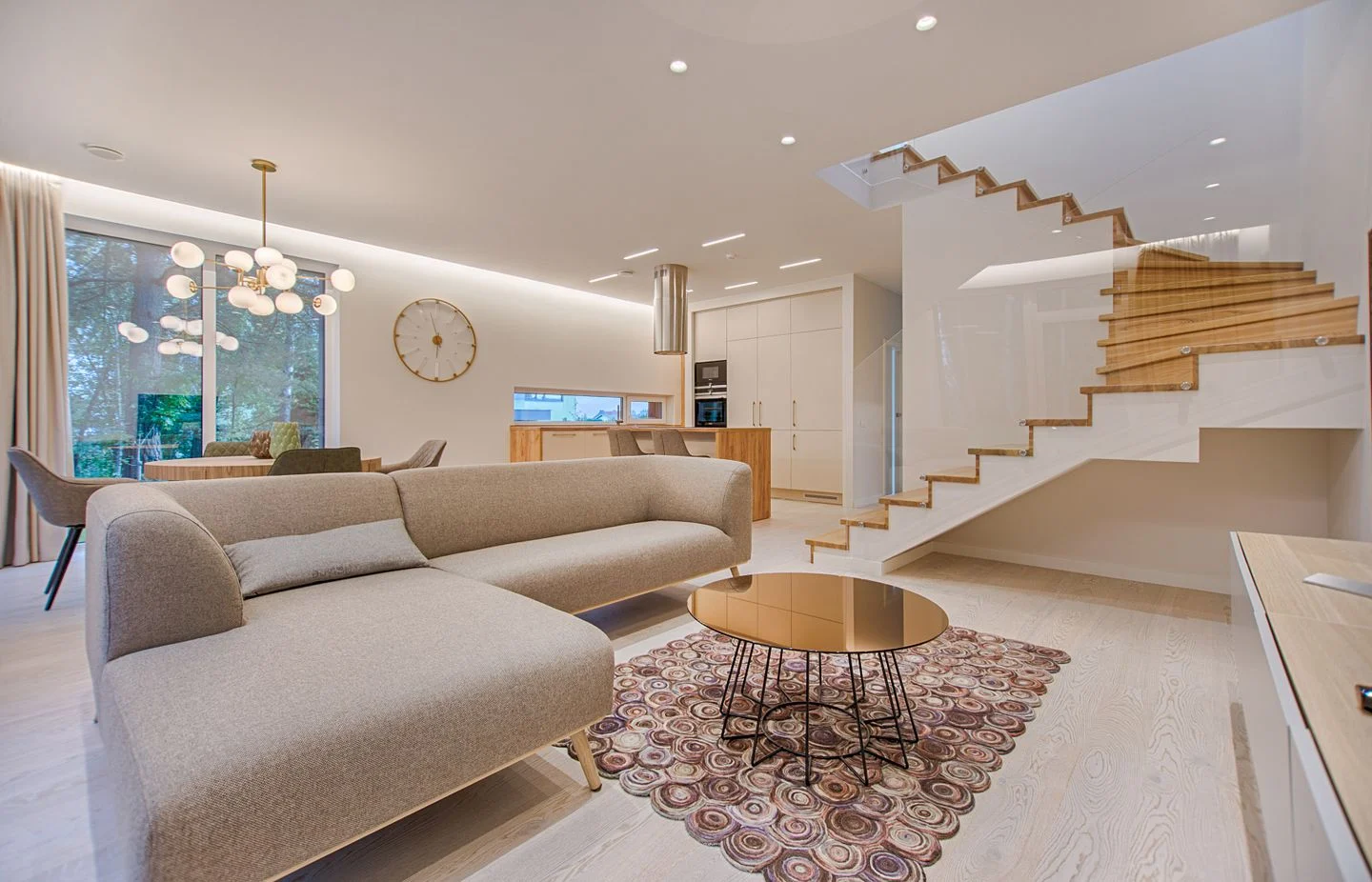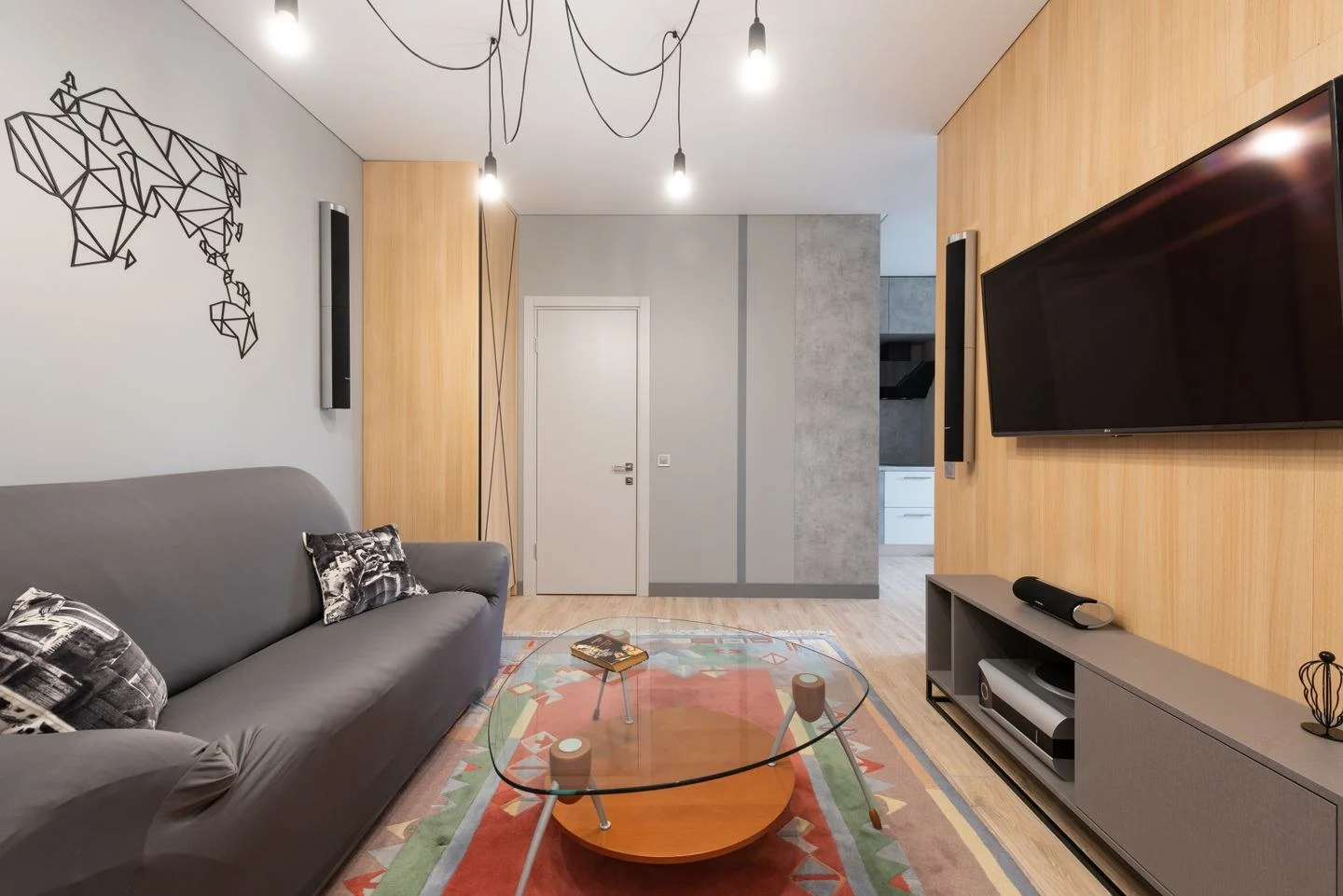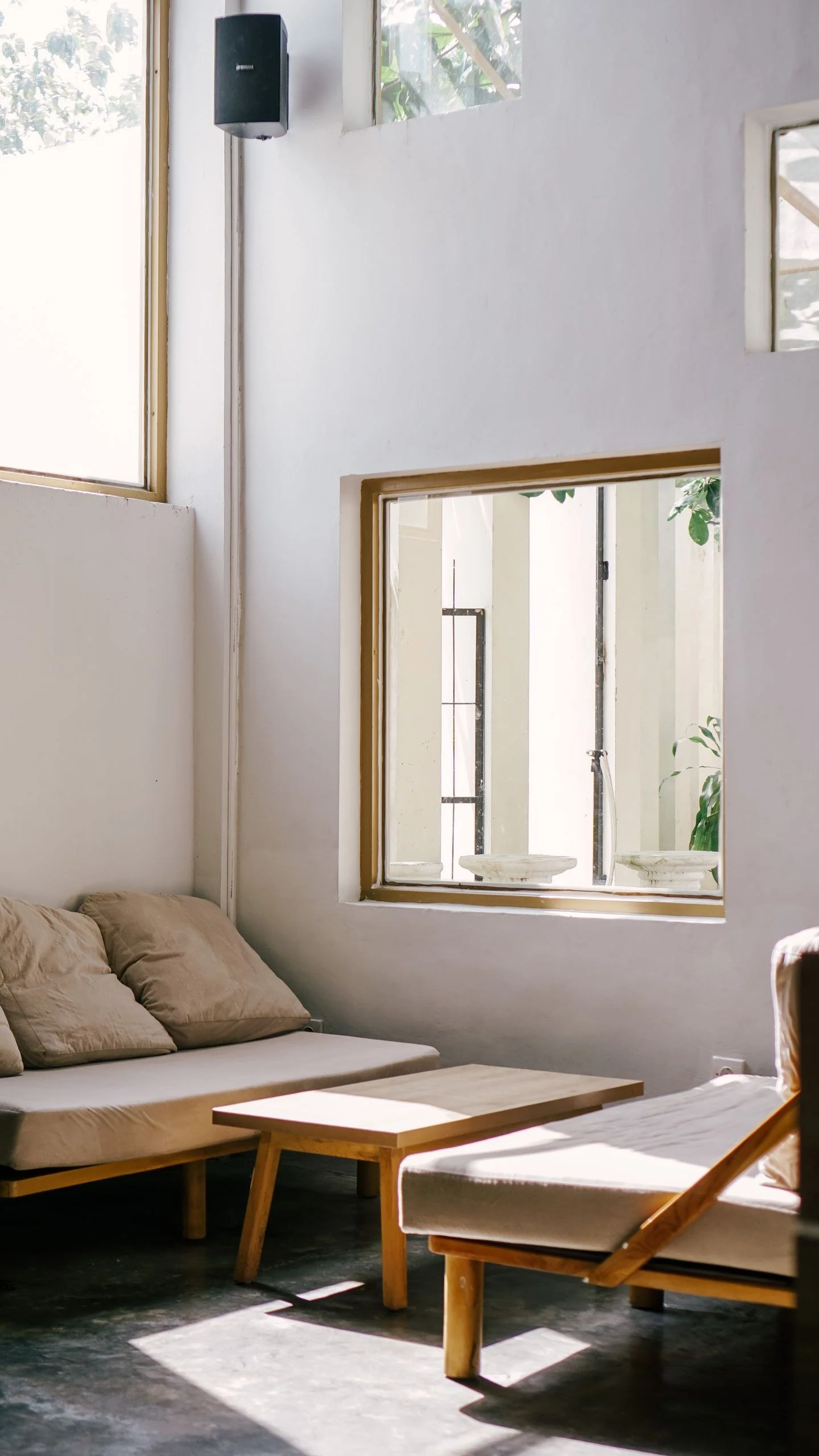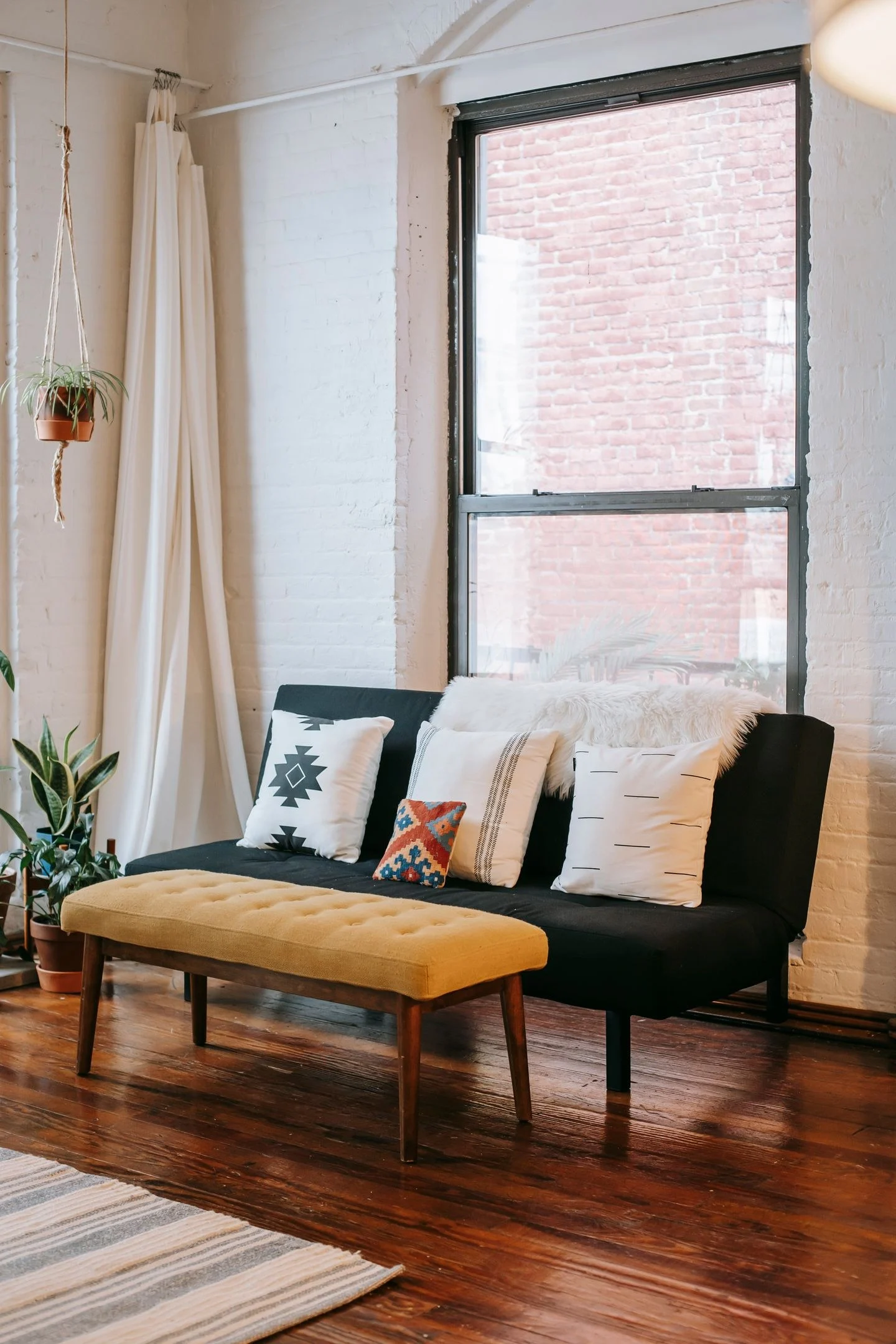
A sofa can fit perfectly against a wall and still feel wrong every evening. Overall depth tells you how much floor it occupies; usable seat depth tells you more about how you will sit. The distinction matters when two sofas look almost identical in a photograph.
Room & Board measures seat depth from the inside of the back cushion to the front edge of the seat. Its comfort guide also separates depth from seat height and cushion firmness. Treat those as three different decisions rather than assuming a deep sofa is automatically soft or a shallow one firm.
Start with the seat you already like
Measure a chair or sofa that feels comfortable, then note your posture in it. Are your feet on the floor with your back supported? Do you habitually tuck your legs under you? A person who reads upright may want a different seat from someone who stretches across the cushions. Write down the position, not just a number.
If several people share the sofa, identify the competing needs. One deeper seat with a removable back cushion may offer flexibility, but a stack of decorative pillows should not be the only way a shorter person can sit comfortably. A sofa paired with a different chair can serve a household better than one supposedly universal seat.
Give the showroom visit more than a minute
Sit back fully instead of perching on the front edge. Let the cushions settle, place your feet naturally, and notice whether the seat presses behind your knees. Then try your usual relaxed position. A low arm may suit lying down but provide little support when you want to sit sideways and read.
Stand up without pulling on a nearby display table. This tests a combination of height, depth, and softness. If getting up feels awkward in the showroom, do not assume the problem will disappear at home. Bring the people who use the sofa most, and compare their reactions without choosing solely by the tallest person's preference.
A chaise can solve the desire to stretch out without making every seat deep. Check which side it occupies from the manufacturer's diagram, and remember that its long footprint affects the room even when no one is sitting there.
Keep the measurement sheet honest
Ask whether dimensions include loose back cushions and whether the display uses the same cushion filling as the sofa you can order. A deeply angled back changes usable space even when the stated depth matches another model. Photographs do not reveal how much a cushion compresses under a person.
For an online purchase, request the interior seat dimensions, return conditions, and any restocking or pickup costs before ordering. Use a full-size floor outline for the exterior dimensions, but judge seated comfort from a comparable physical seat whenever possible. These two tests answer different questions: whether the sofa belongs in the room and whether you want to spend an evening on it.