Lighting
Layering lamps in a living room
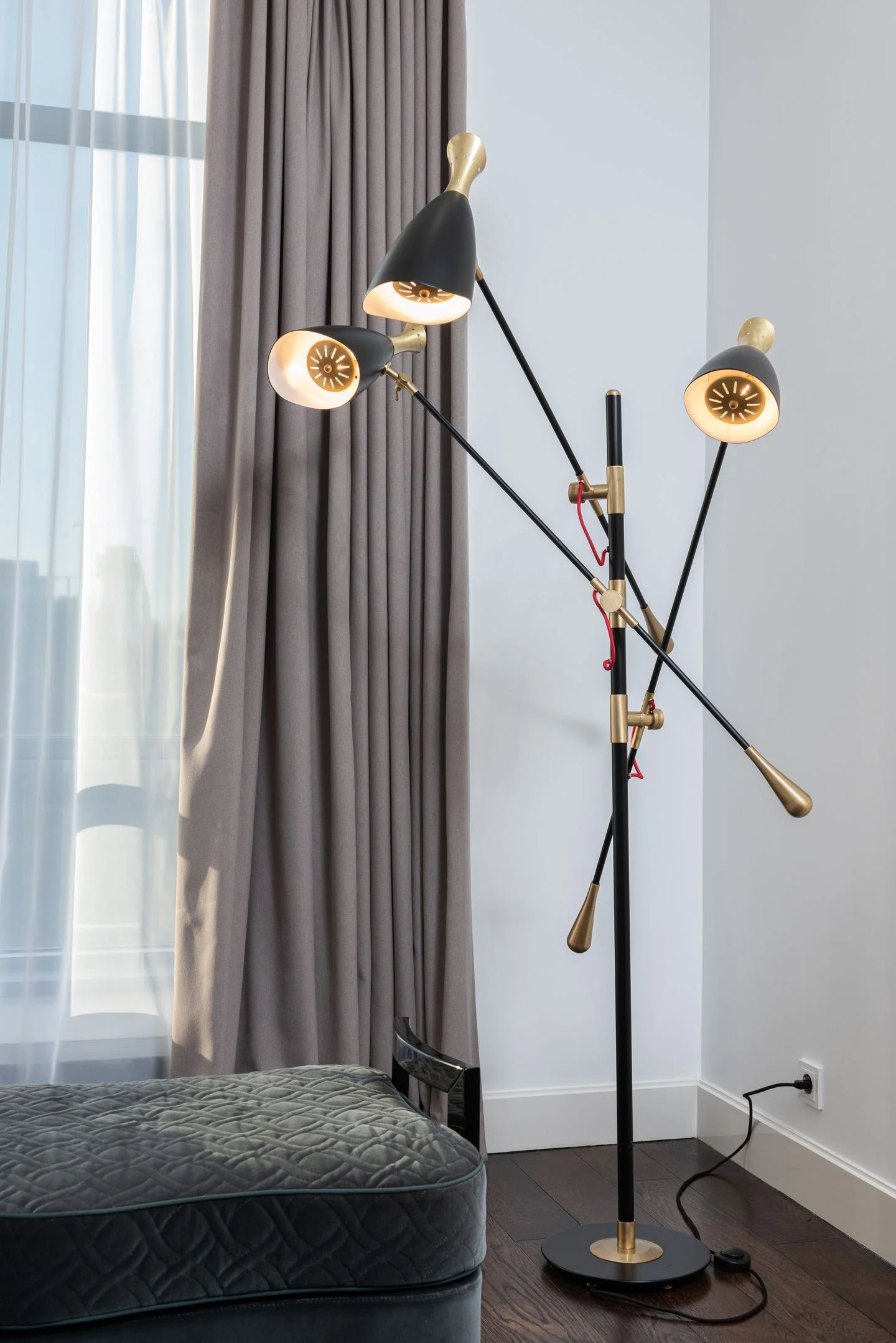
Layer living room lamps around the activities and dark areas that need them, checking glare, controls, and the balance of light after sunset.
Lighting
Layer living room lamps around the activities and dark areas that need them, checking glare, controls, and the balance of light after sunset.
Lighting
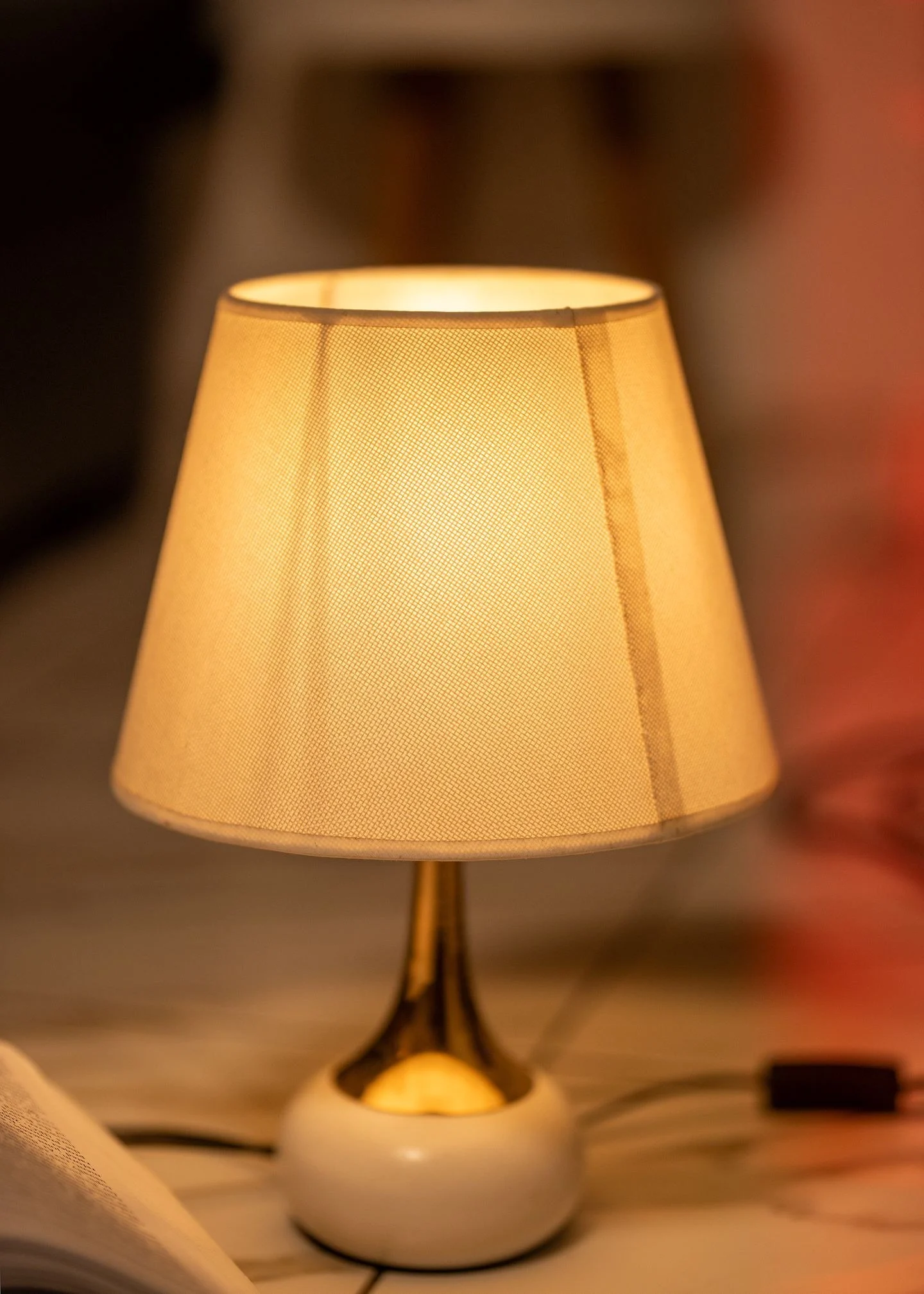
Choose a replacement lampshade by checking the fitting, safe clearances, proportions, and the way the shade controls light around the existing base.
Lighting
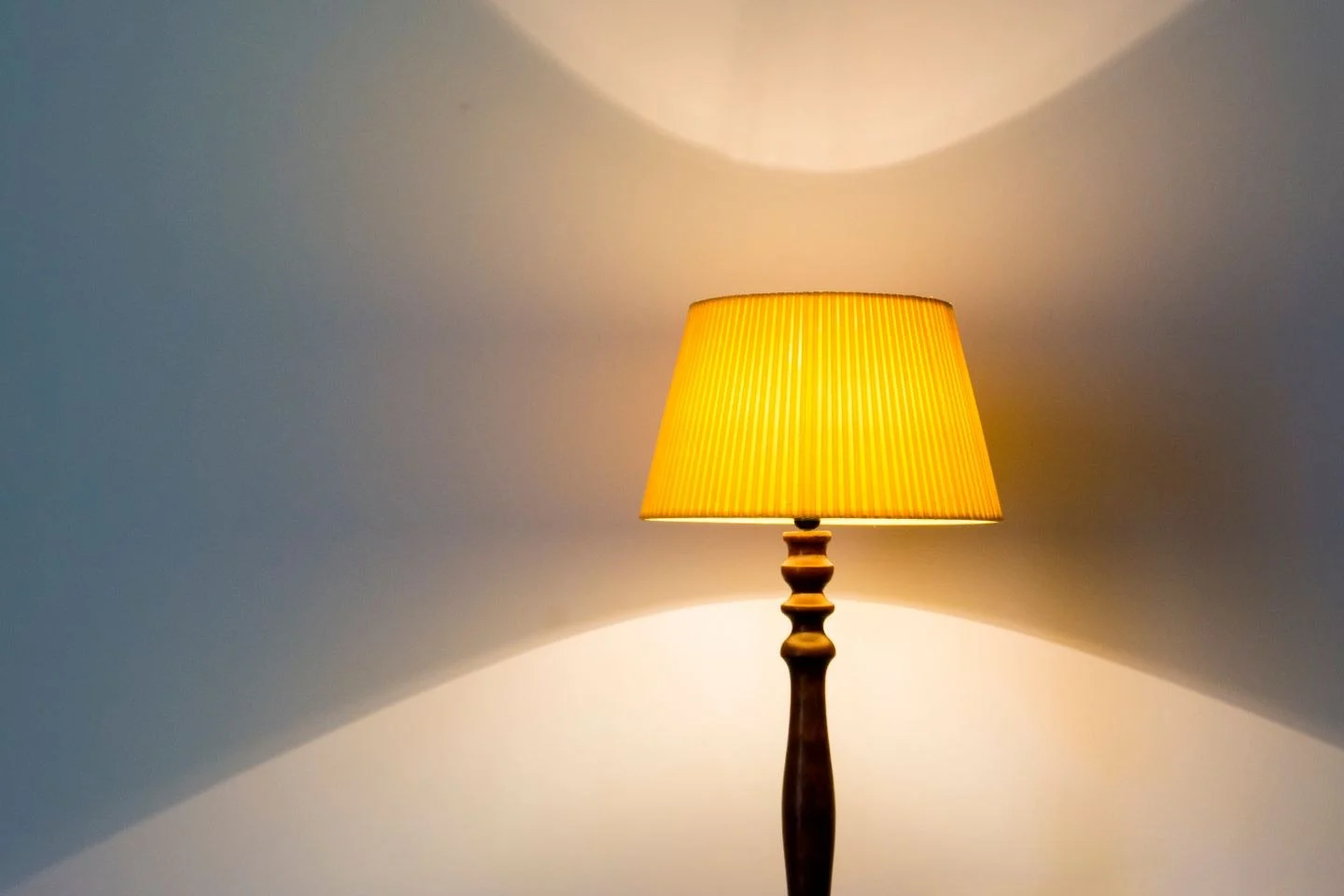
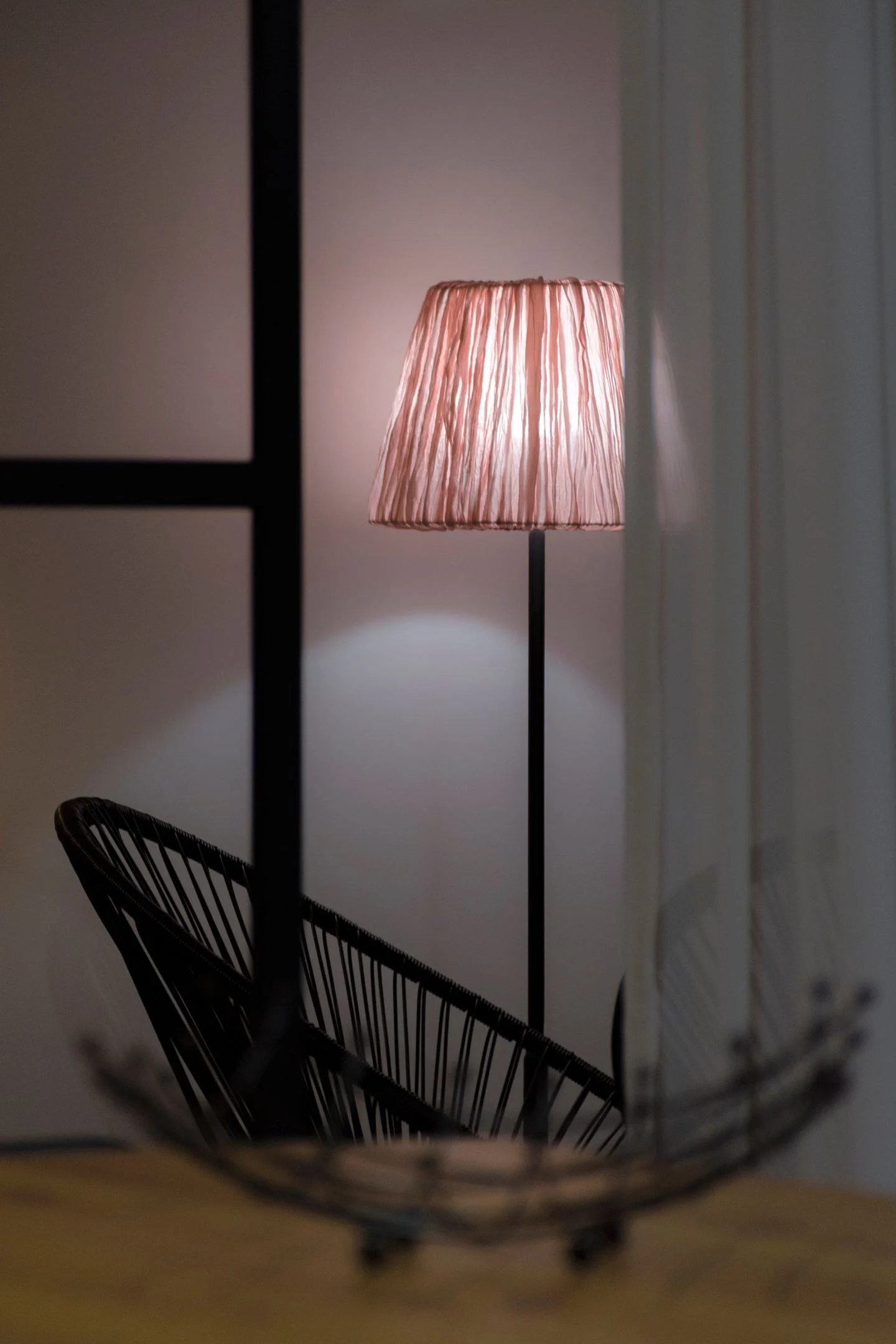
Place a floor lamp beside a reading chair by checking the light on the page, glare from the seat, the lamp base, and a reachable switch.
Lighting
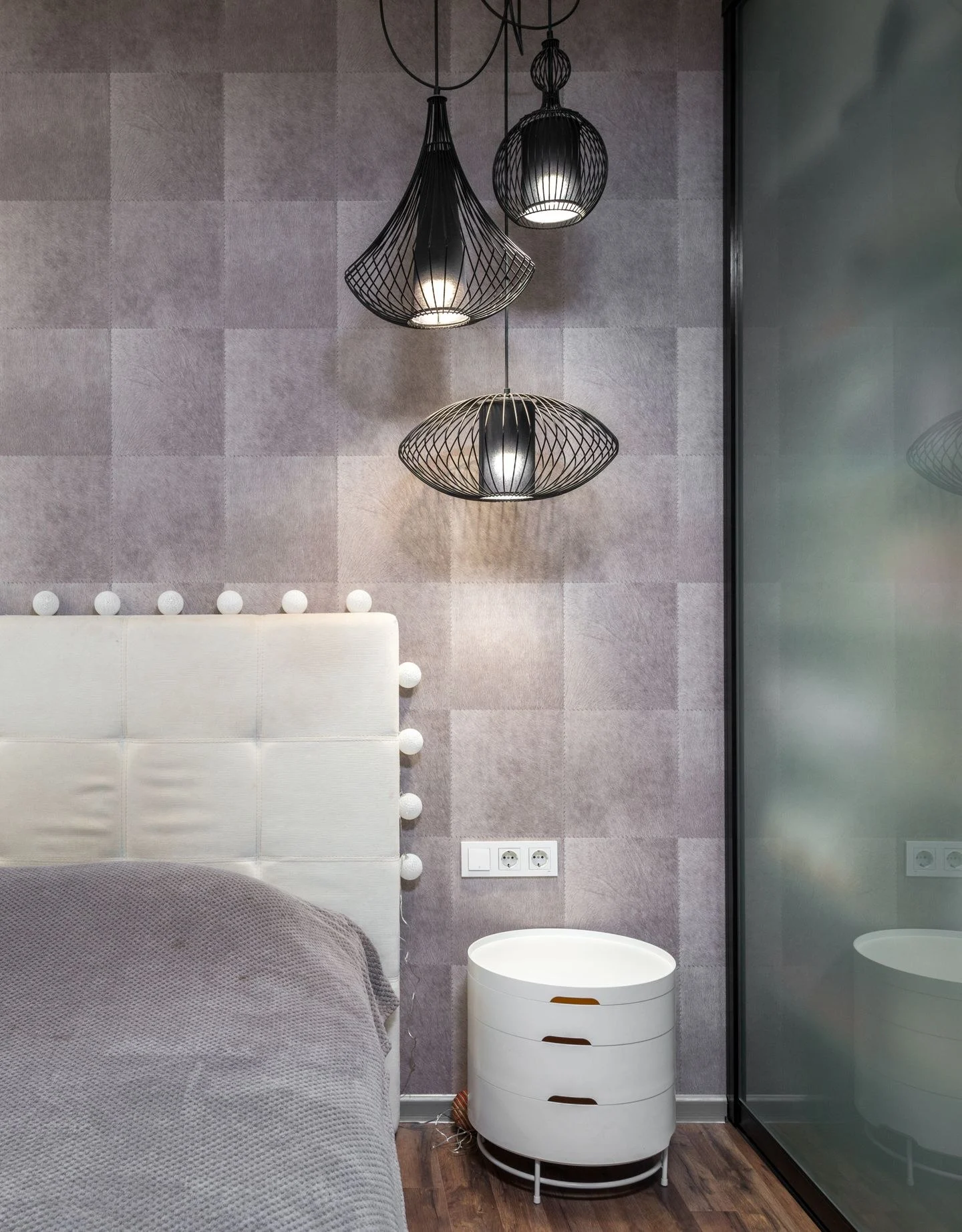
Find bedside lighting for a small nightstand by comparing compact bases, suitable wall options, reach from bed, and the light needed for reading.
Lighting
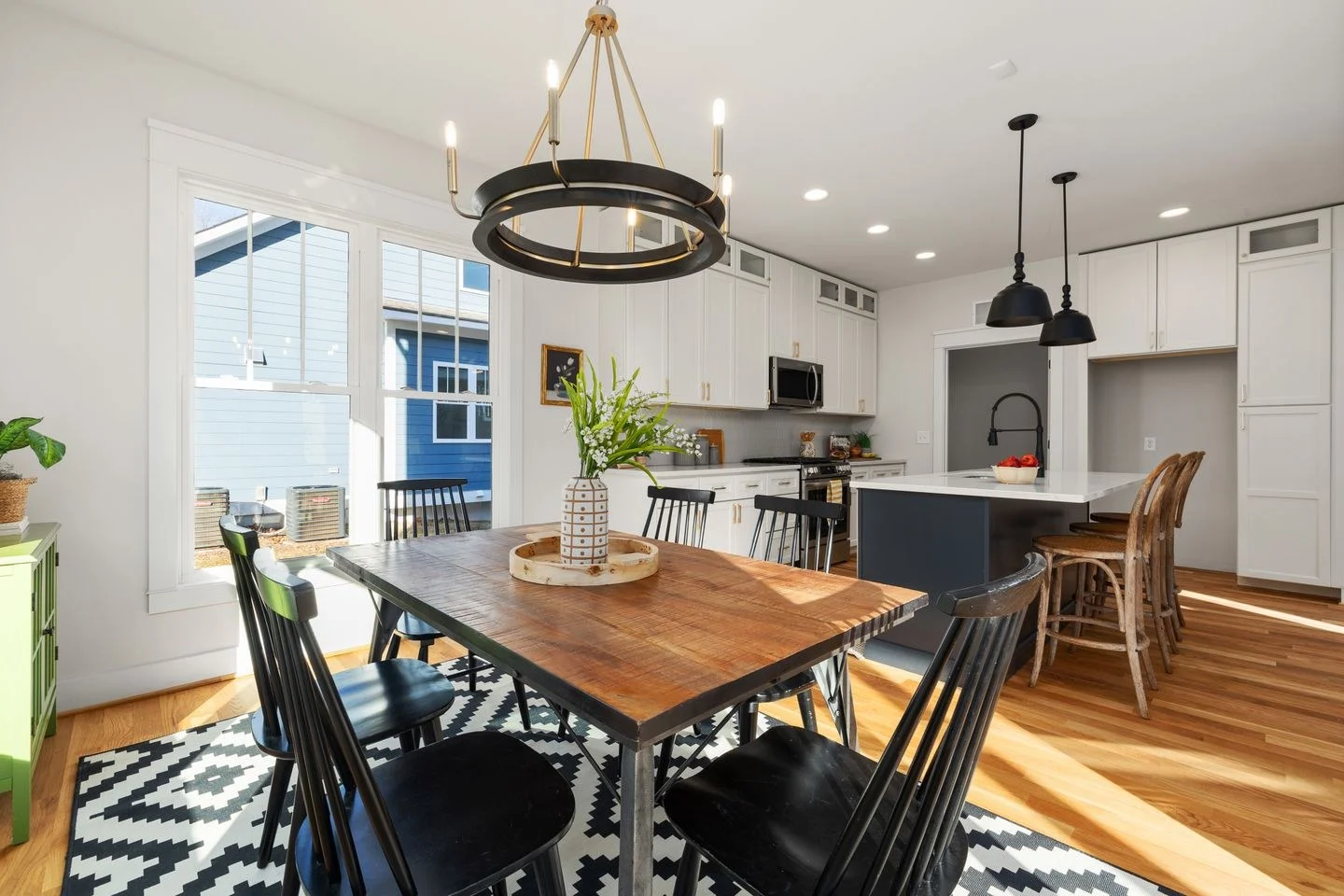
Size a dining pendant around the table, seated sightlines, and fixture shape, considering the room’s full lighting plan before installation.
Lighting
Compare warm and cool light for an evening room by separating color temperature from brightness and testing bulbs through the shades you use.
Lighting
Reduce screen glare by observing reflections, changing the desk or monitor position, and controlling nearby light without darkening the entire workspace.
Lighting
Light a room without a ceiling fixture using well-placed portable lamps, clear walking routes, and reachable controls for the activities that happen there.
Lighting
Fit a table lamp on a narrow console by measuring the shade and base, checking the passing route, and keeping enough usable surface beside it.
Lighting
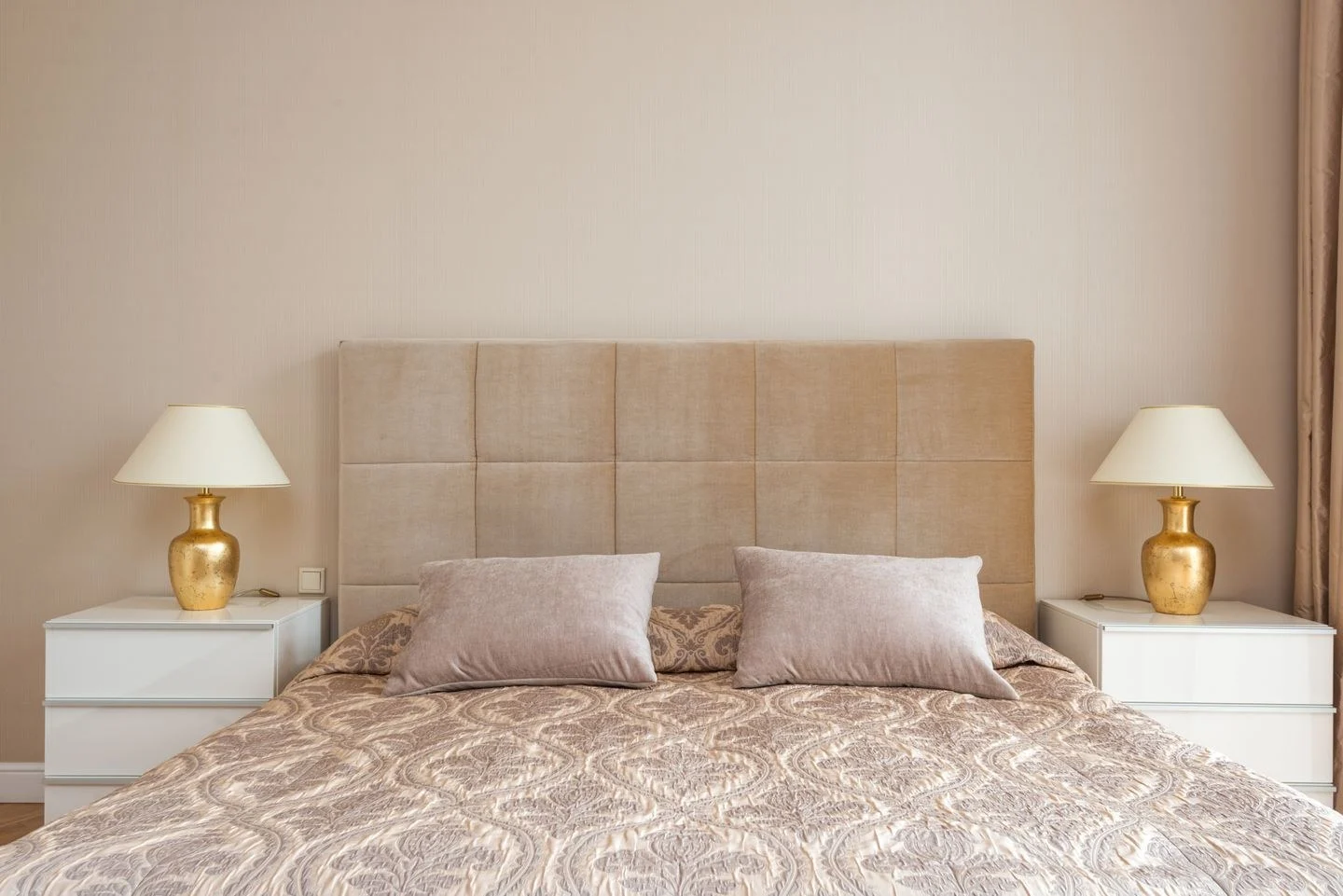
Use matching lamps in an uneven room by relating their height and light to nearby furniture, while allowing the surrounding arrangement to differ.
Lighting
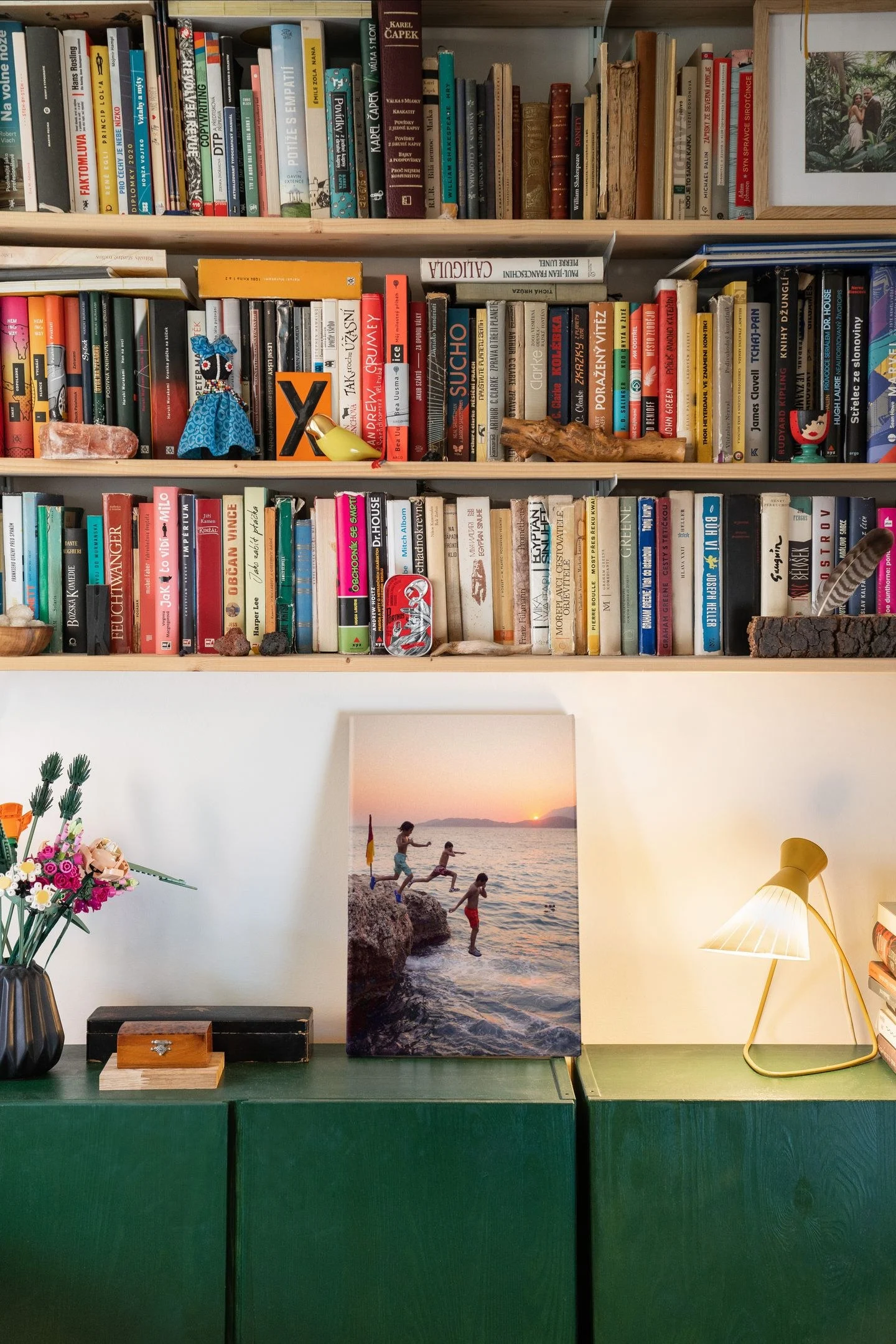
Plan light around open shelves by identifying what needs to be seen, avoiding direct glare, and keeping fixtures clear of objects and storage movement.
Lighting
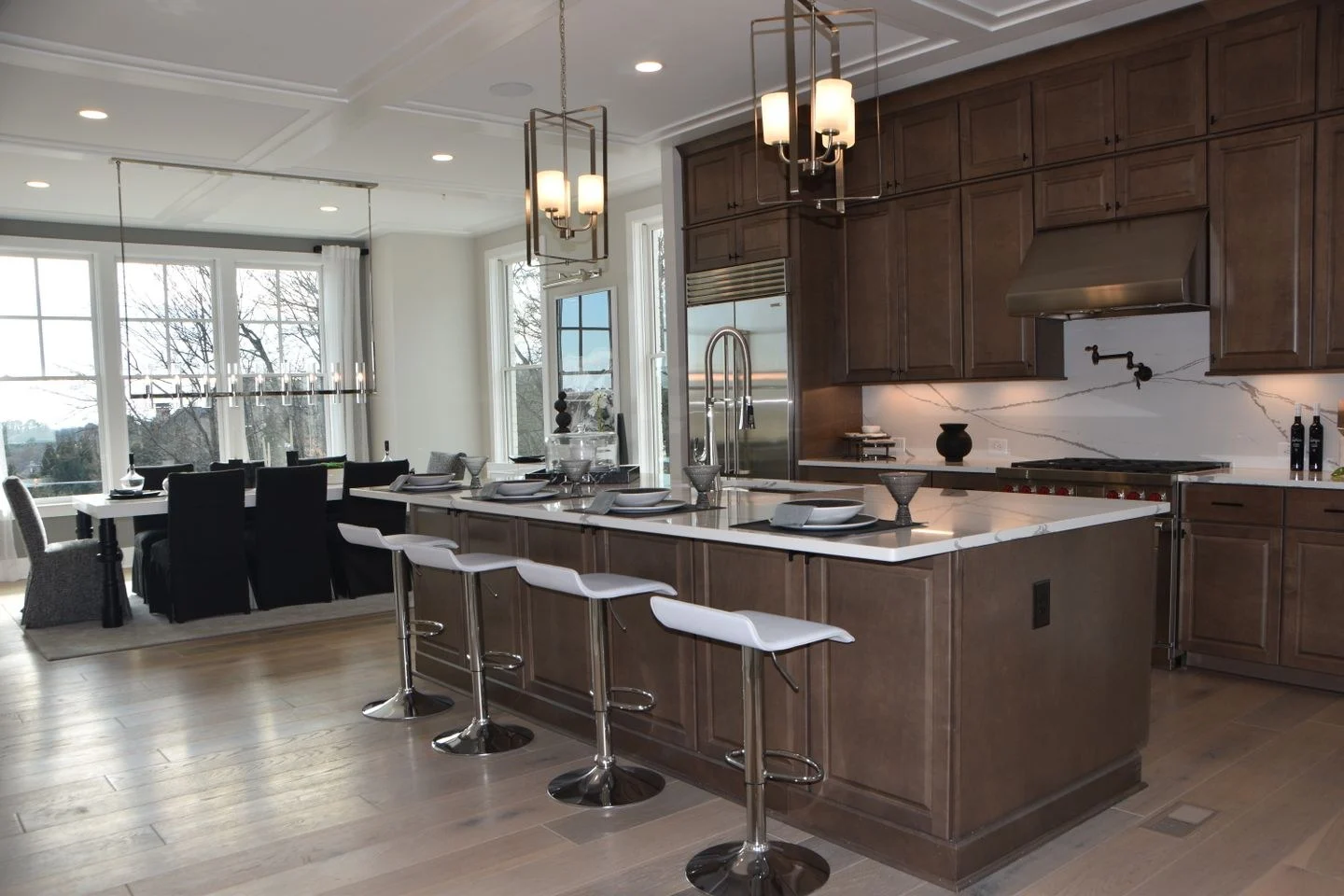
Plan kitchen lighting around work surfaces, movement, and evening use before comparing fixture styles, with switches and installation considered early.
Lighting
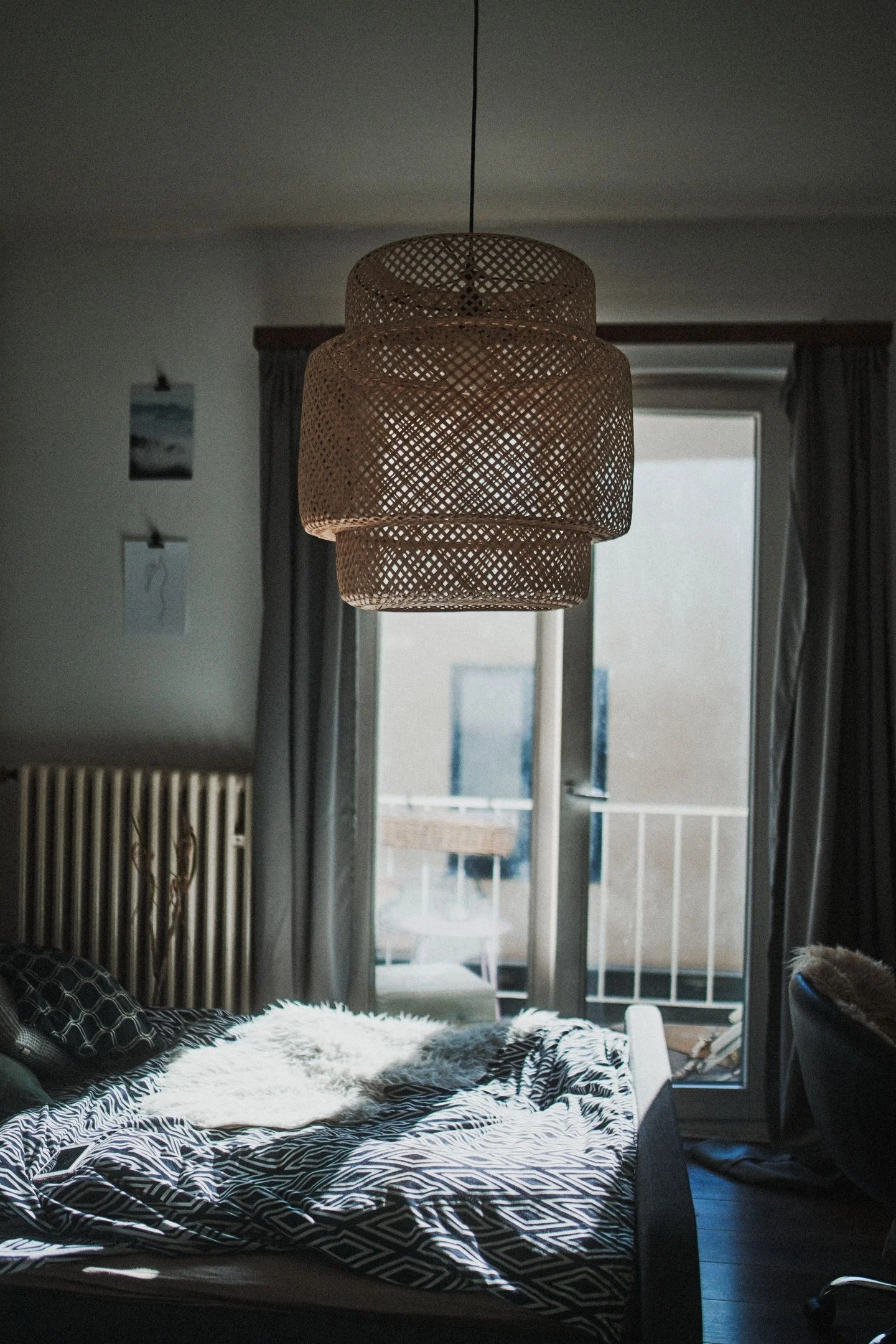
Compare lampshade materials by the light they transmit, the shadows they create, and how they look both illuminated and switched off.
Lighting
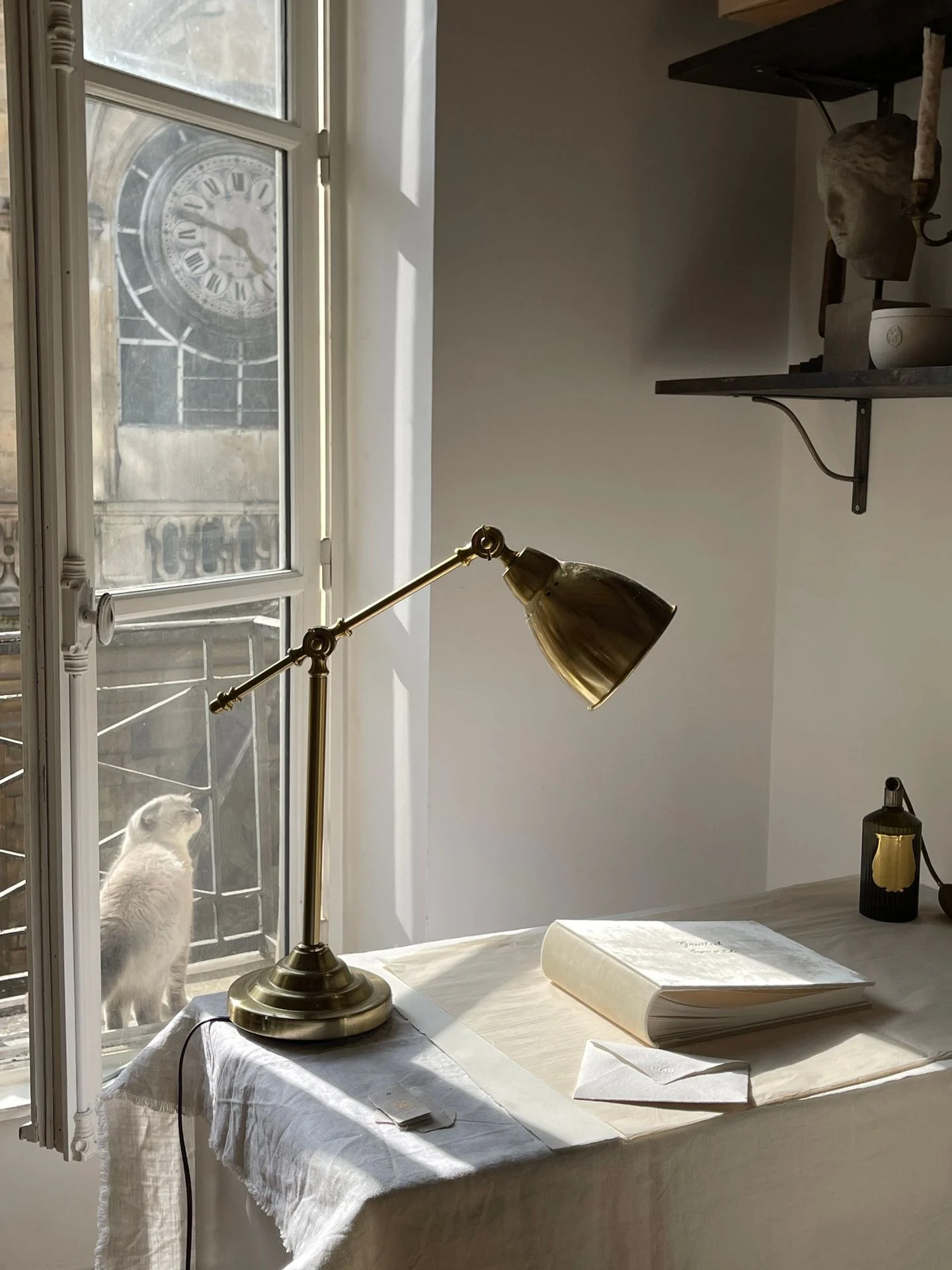
Choose a small-workspace desk lamp by the task, adjustment range, glare, base footprint, and the reach of its controls rather than size alone.
Lighting
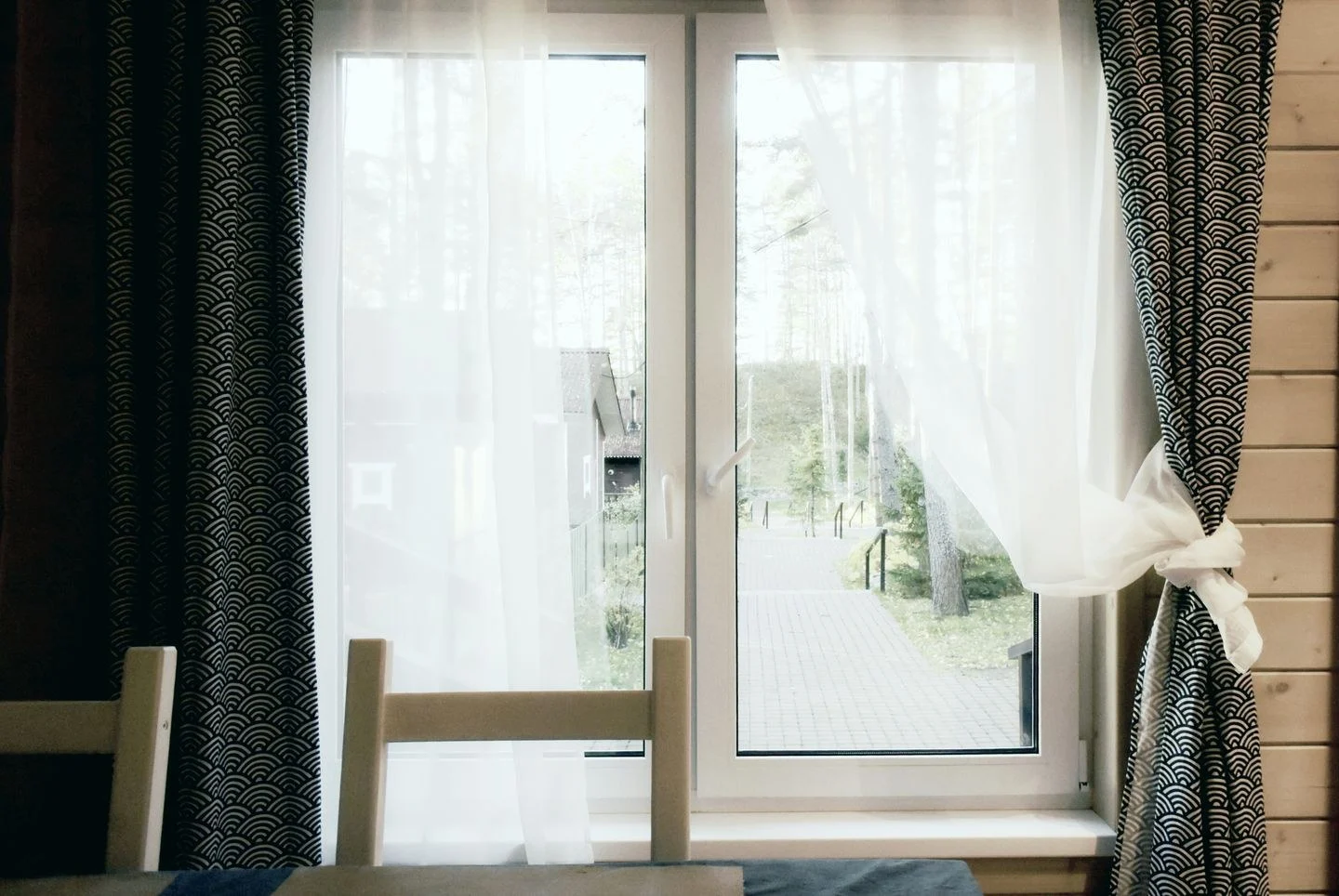
Balance daylight, screen glare, and privacy with window coverings that can respond to different times of day without keeping the room permanently closed.
Lighting
Light a dark corner by identifying the surface or activity that needs illumination, then fitting a lamp into the furniture and circulation already there.
Lighting
Connect different lamp styles through a shared finish while comparing their scale, shades, light quality, and roles in the room.
Lighting
Build an evening lighting routine for an open-plan home by following activities, preserving safe routes, and reducing unwanted glare between zones.