Choosing a sofa depth for the way you sit
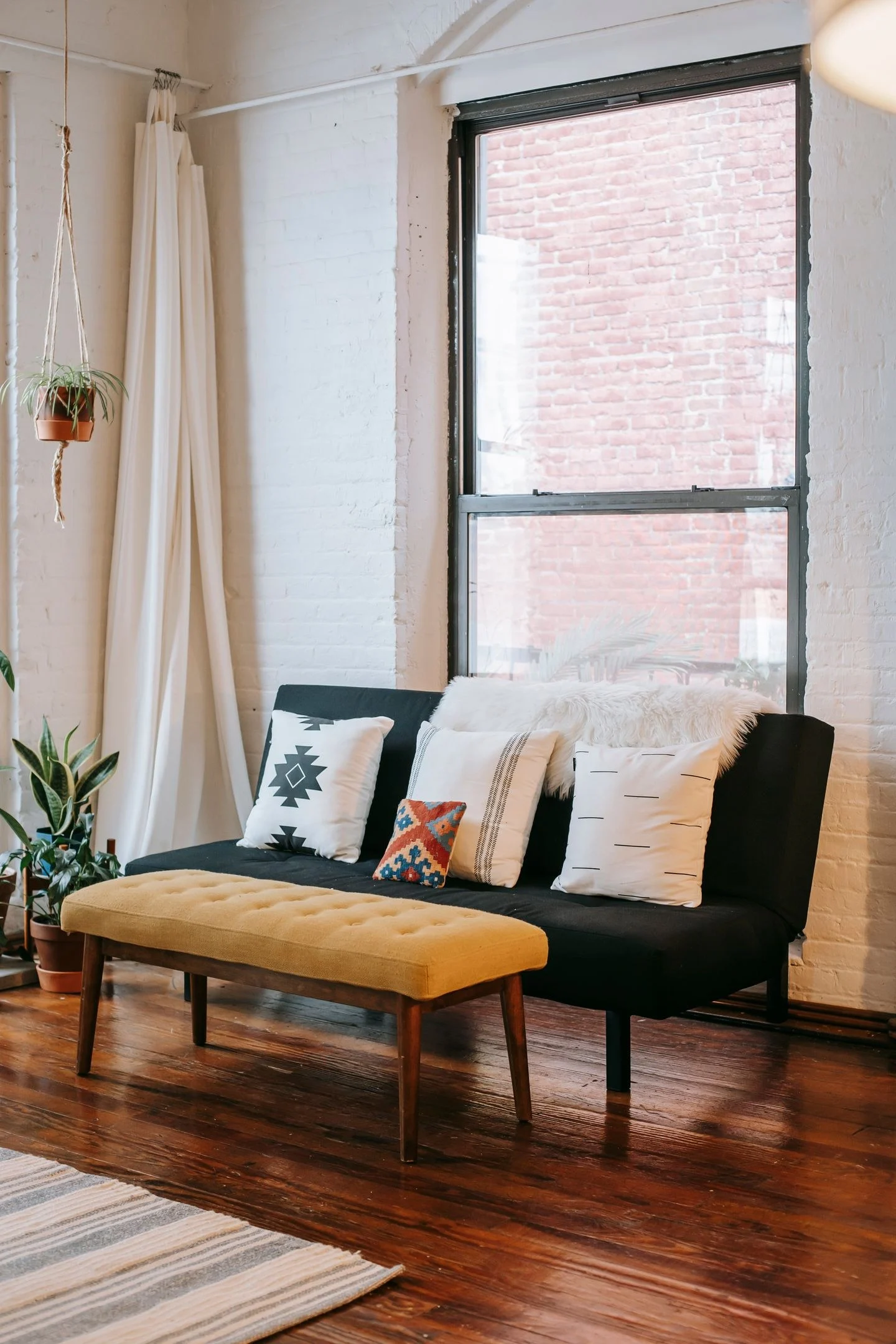
Compare usable seat depth, cushion firmness, and back support before choosing a sofa, with a sitting test that reflects how your household relaxes.
Room layouts, materials, and ideas to live with.
Compare usable seat depth, cushion firmness, and back support before choosing a sofa, with a sitting test that reflects how your household relaxes.
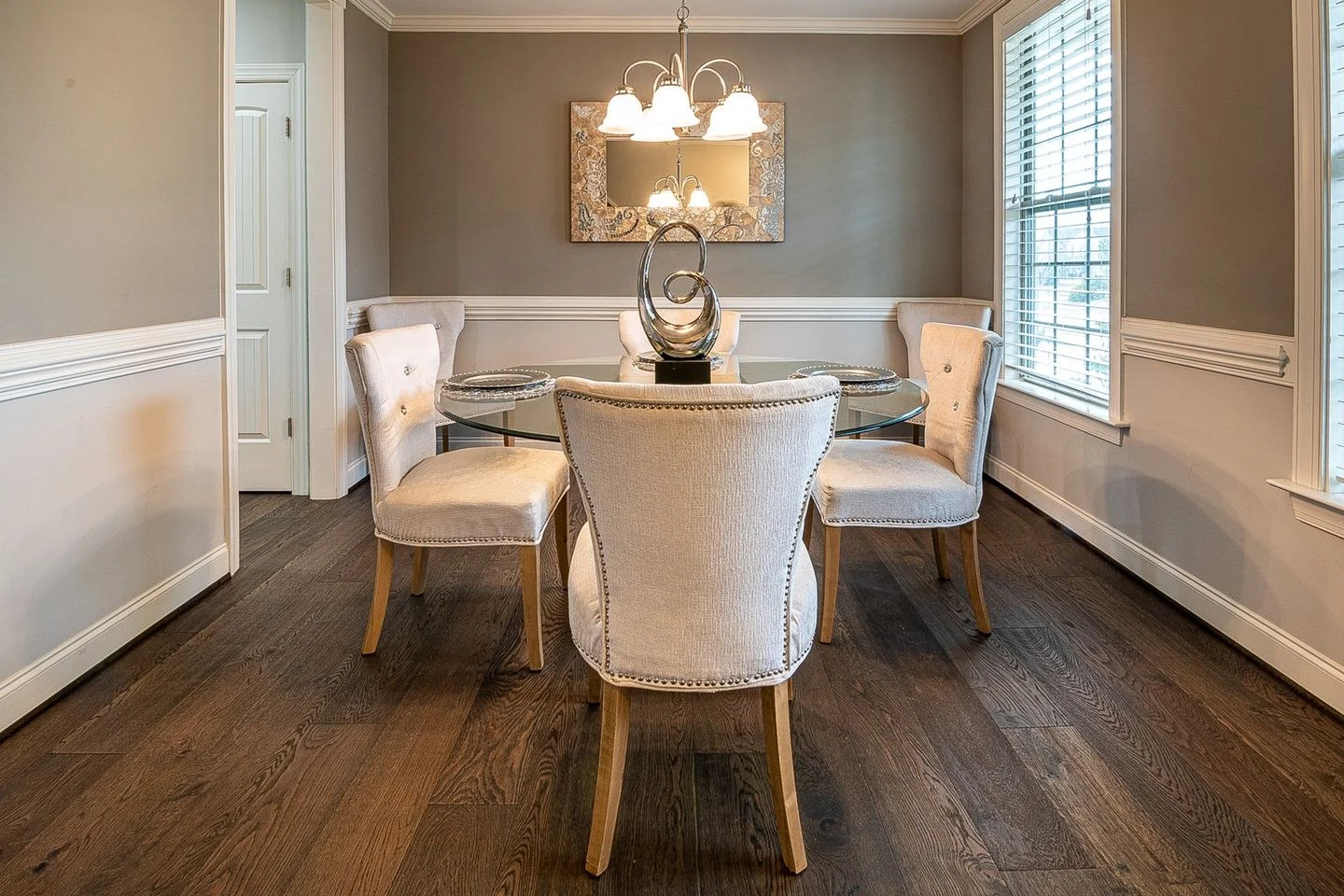
Check dining chair width, arm height, seat height, and table-leg spacing so the chairs fit comfortably and tuck away as you intend.
Choose a wall white that works with existing trim by comparing undertones, sheen, and daylight before committing to a full room of paint.
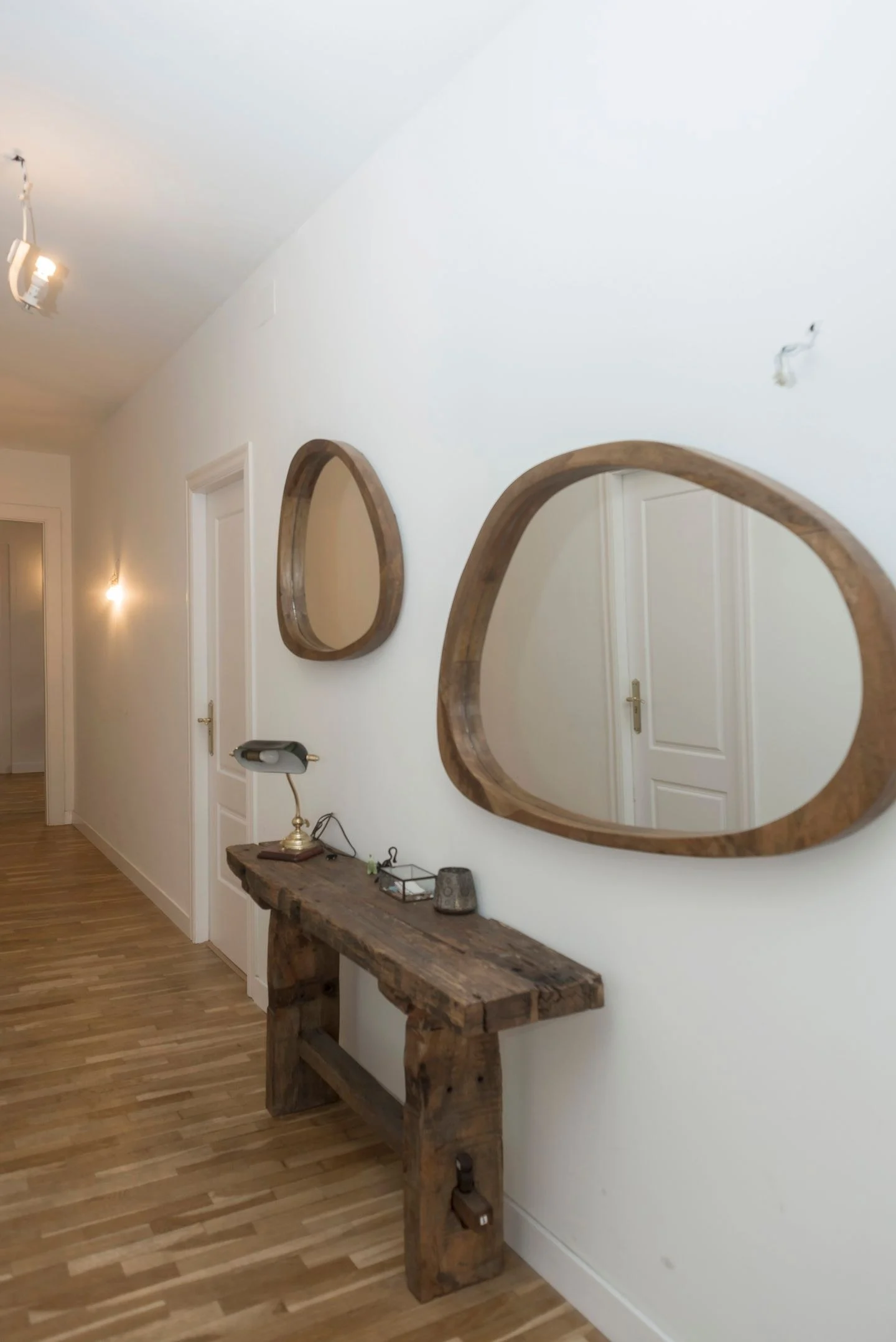
Choose an entryway mirror by the reflection you need, the wall and furniture around it, and the space used when entering and leaving the home.
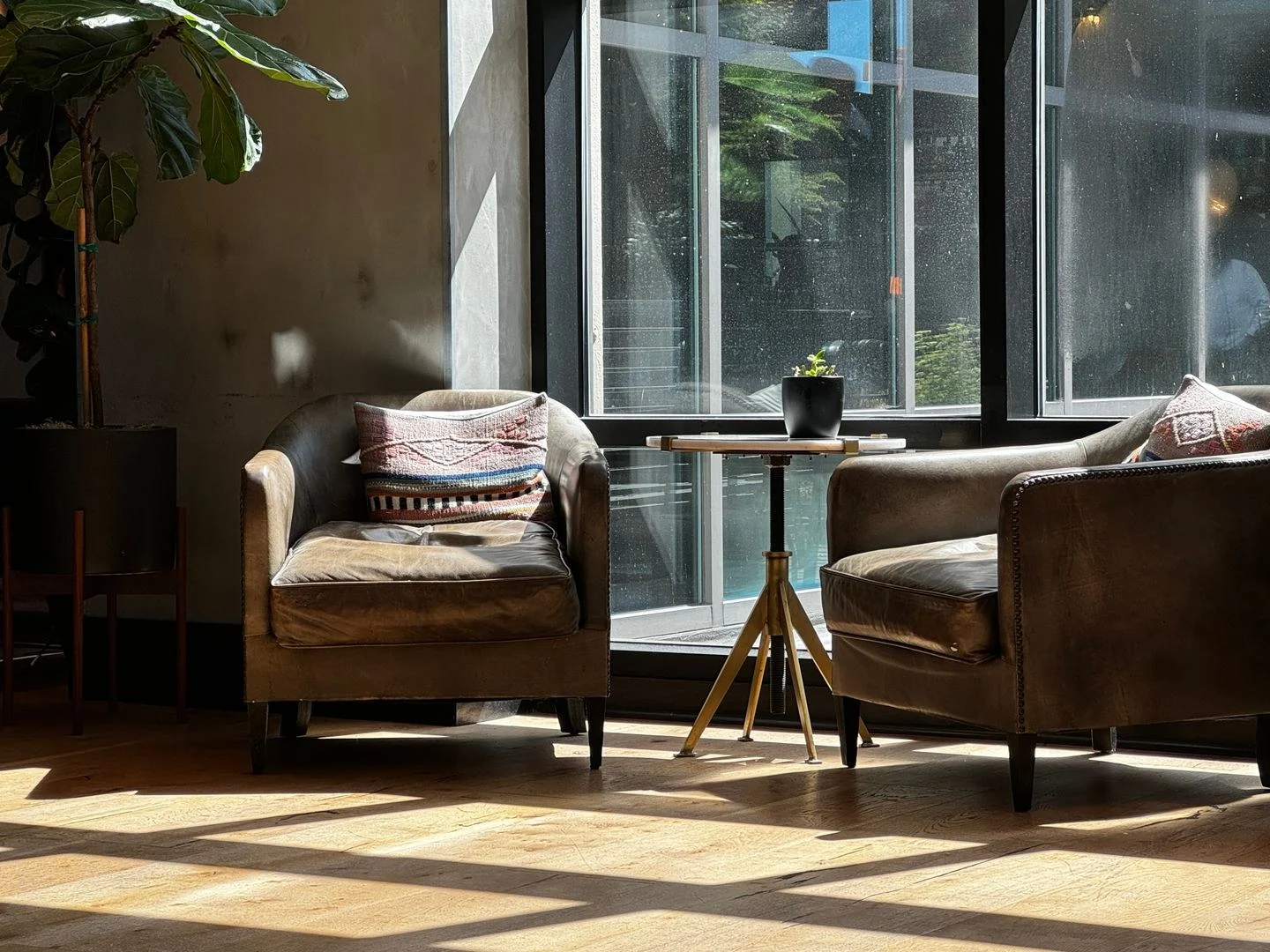
Set up two seats by a window with reachable tables, manageable glare, and a clear route for curtains and window operation, even in a modest corner.
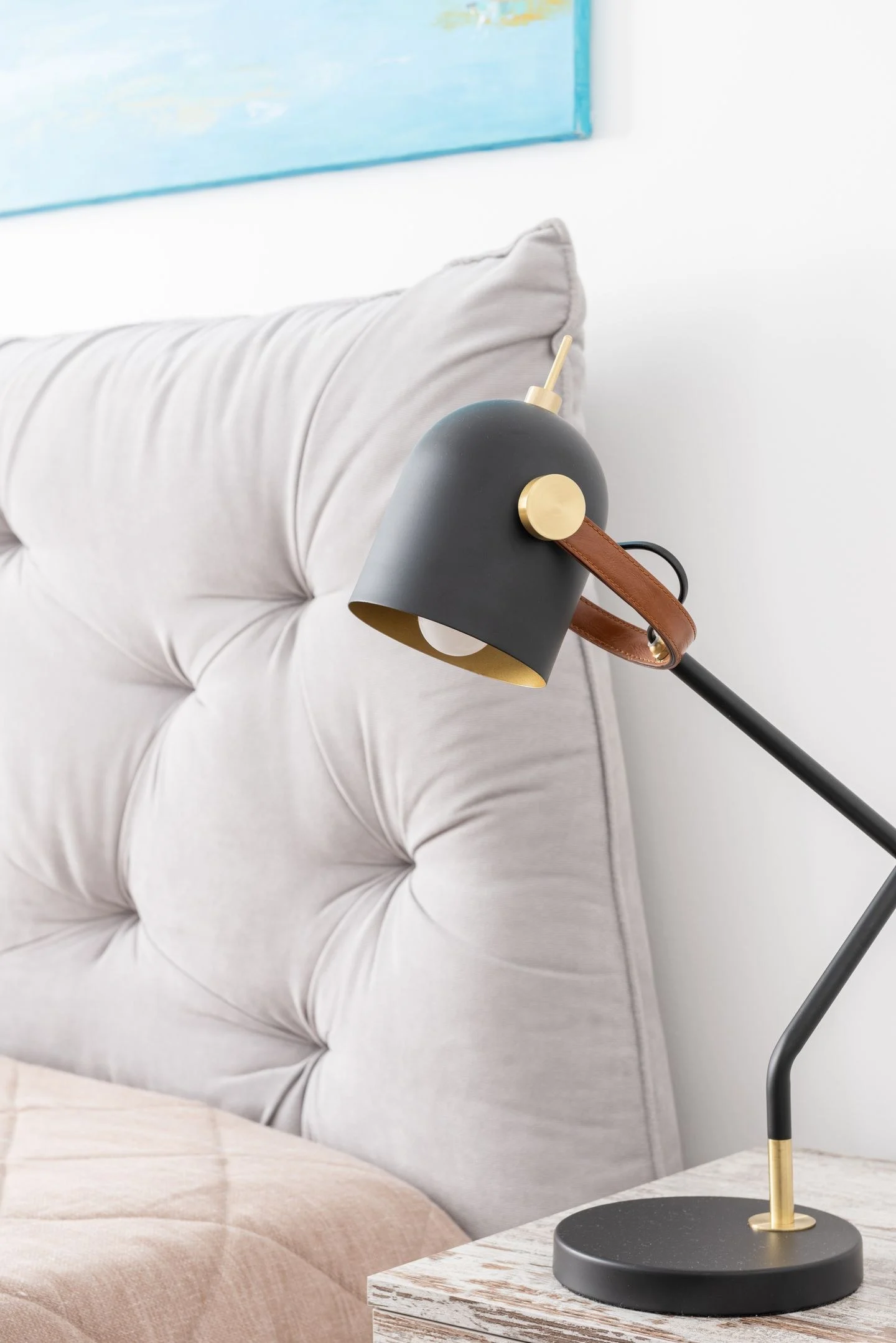
Choose a nightstand using the finished mattress height, bedside reach, drawer access, and the space left after a lamp and nightly essentials are in place.
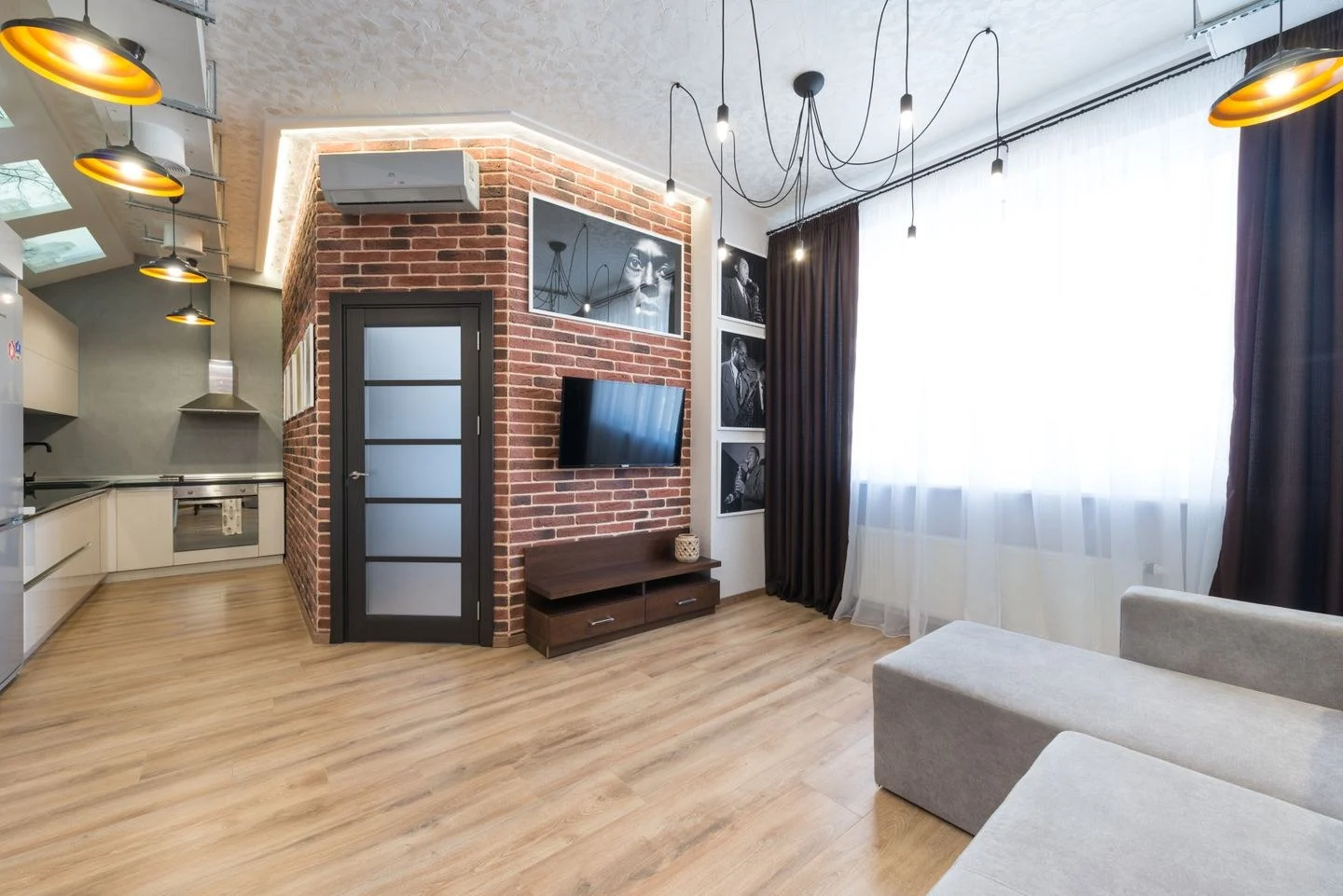
Plan a studio apartment with clear sleeping, eating, and sitting zones, using circulation, furniture backs, and storage to organize one shared room.
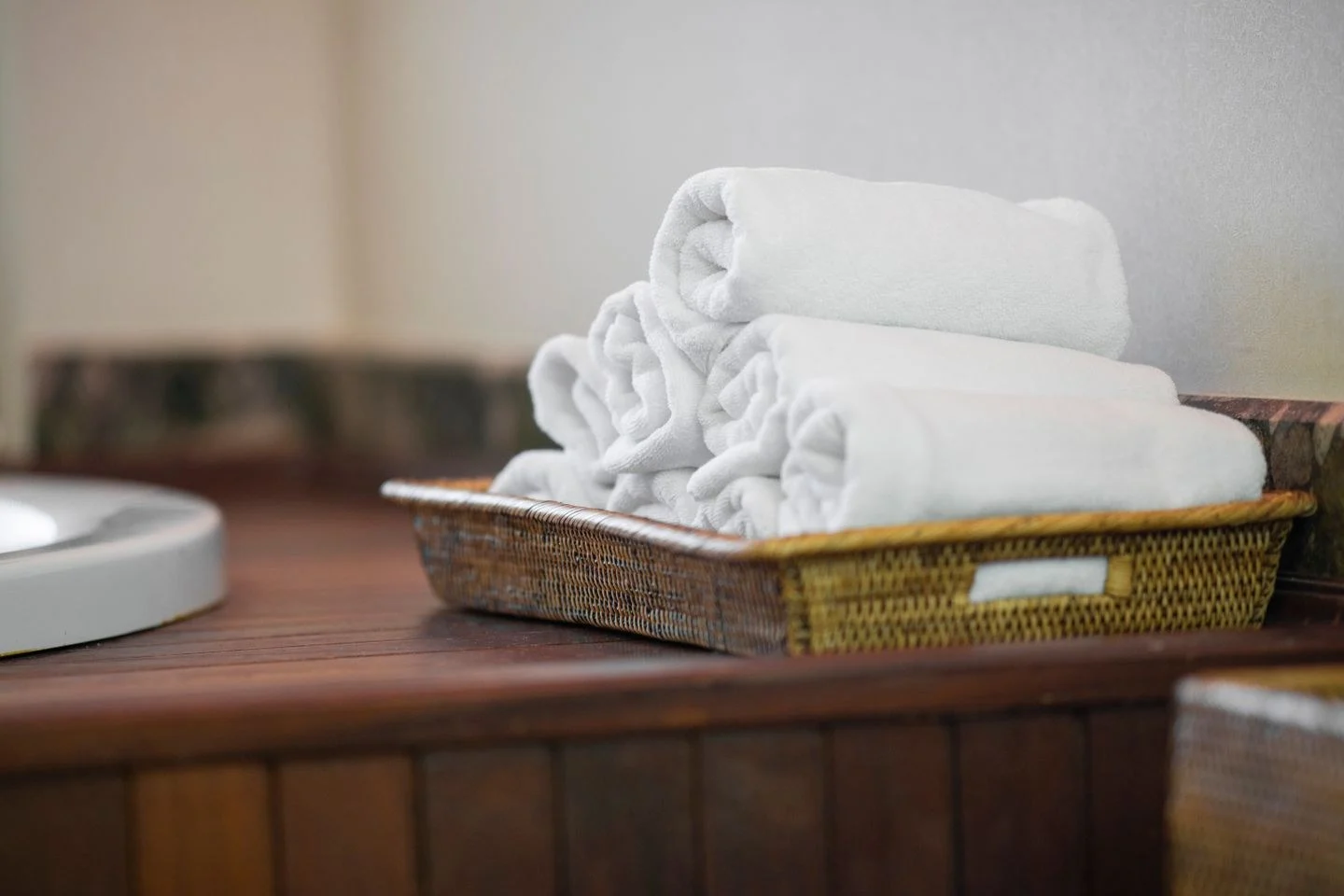
Organize a vanity without drawers by working around plumbing, separating daily supplies from backups, and testing how containers leave the cabinet.
Plan a curtain rod around the window, wall space, fabric stack, and hardware requirements so the treatment works open as well as closed.
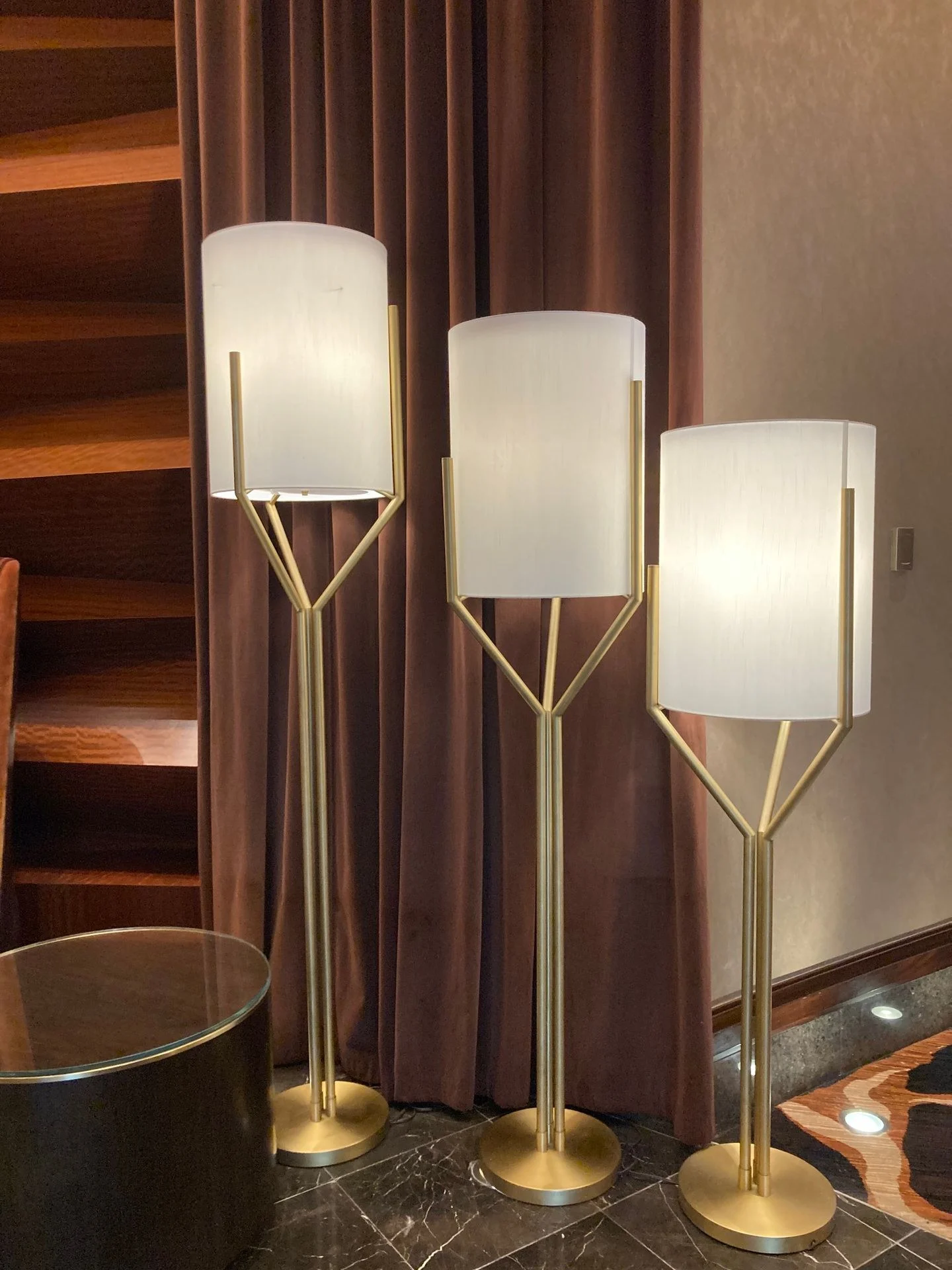
Layer living room lamps around the activities and dark areas that need them, checking glare, controls, and the balance of light after sunset.
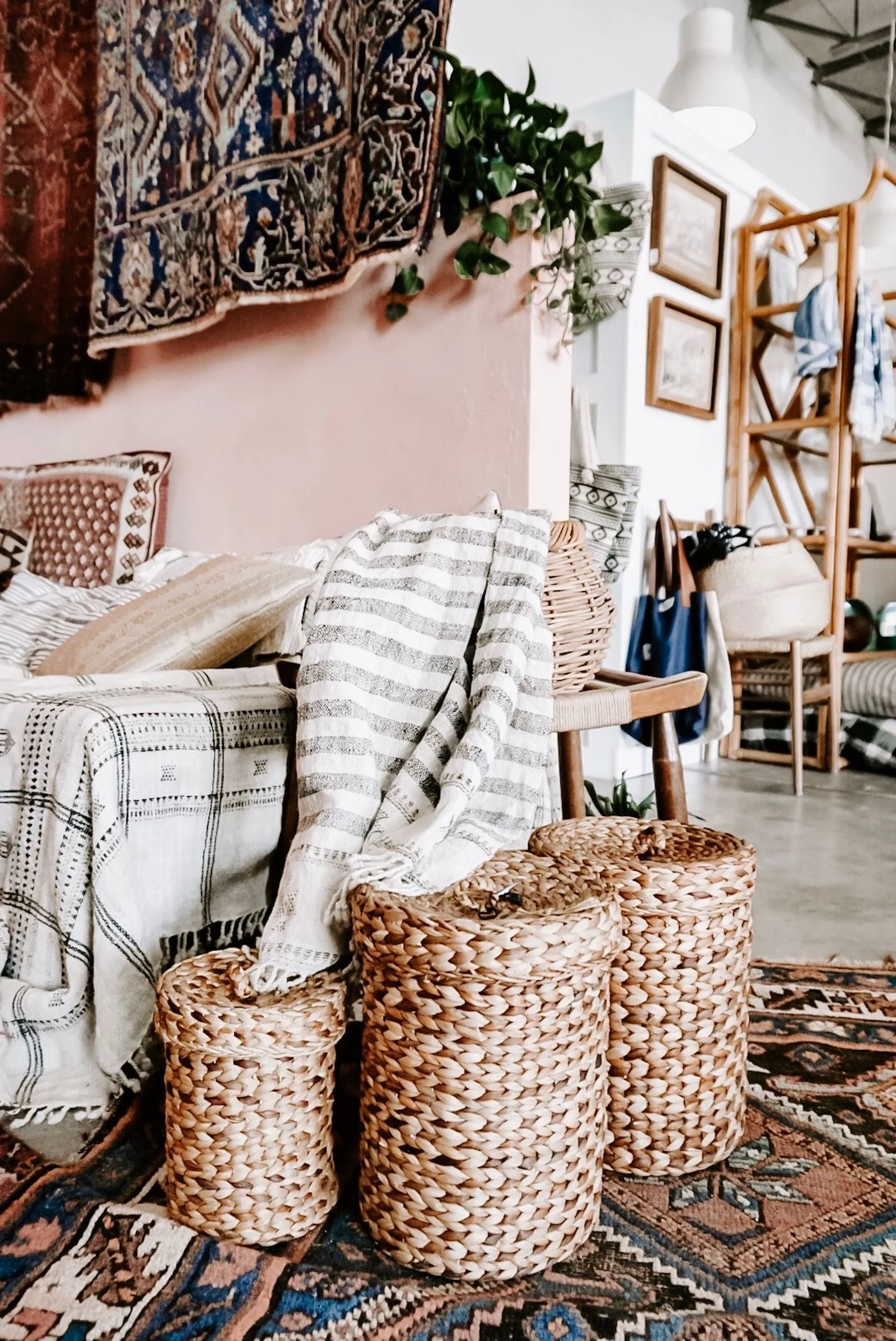
Mix woven textures by varying their scale and purpose, using smoother surfaces nearby so baskets, cane, rugs, and upholstery do not compete for attention.
Arrange indoor plants with furniture by checking light needs, watering access, pot stability, surface protection, and the space plants will occupy as they grow.