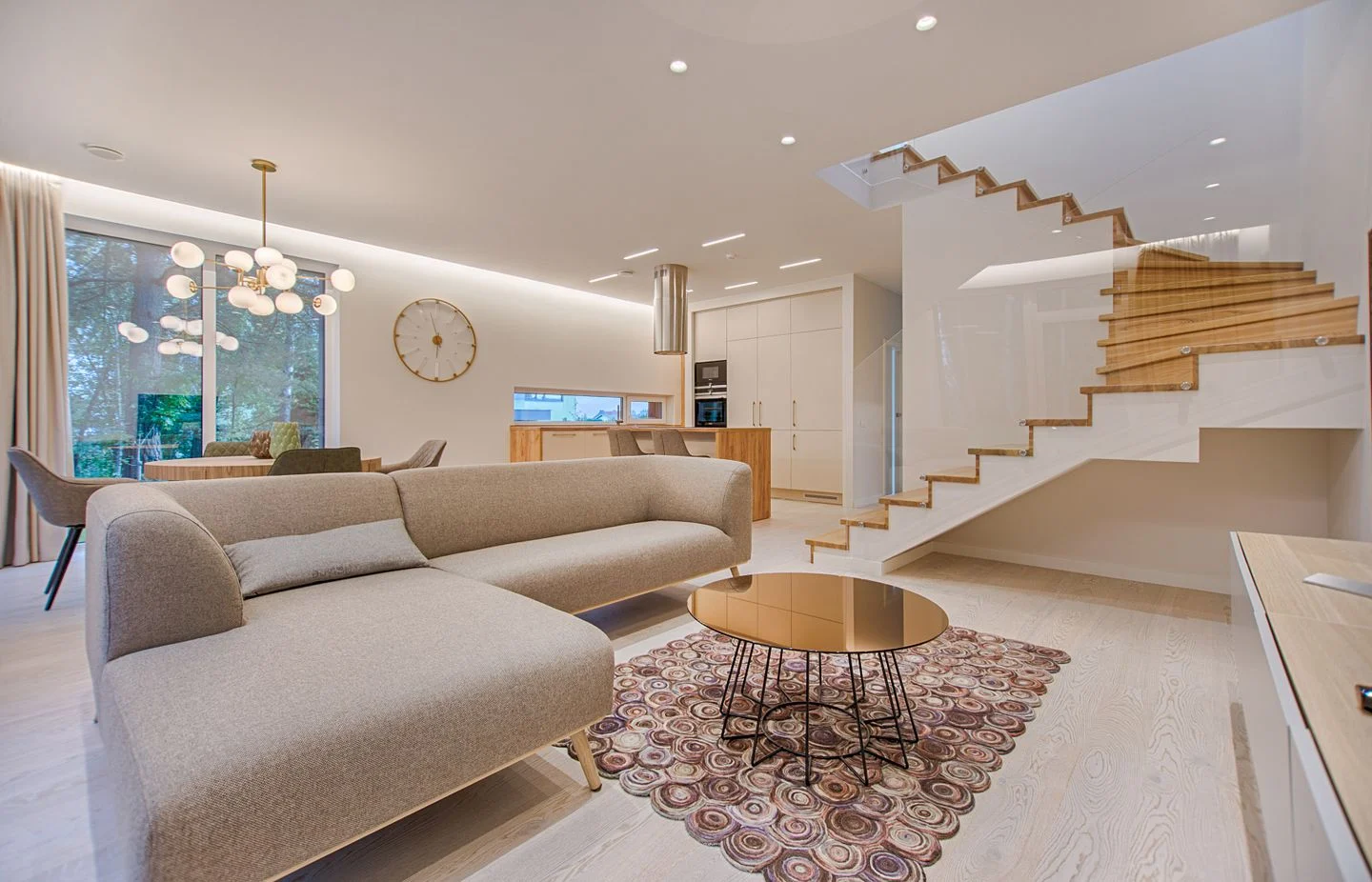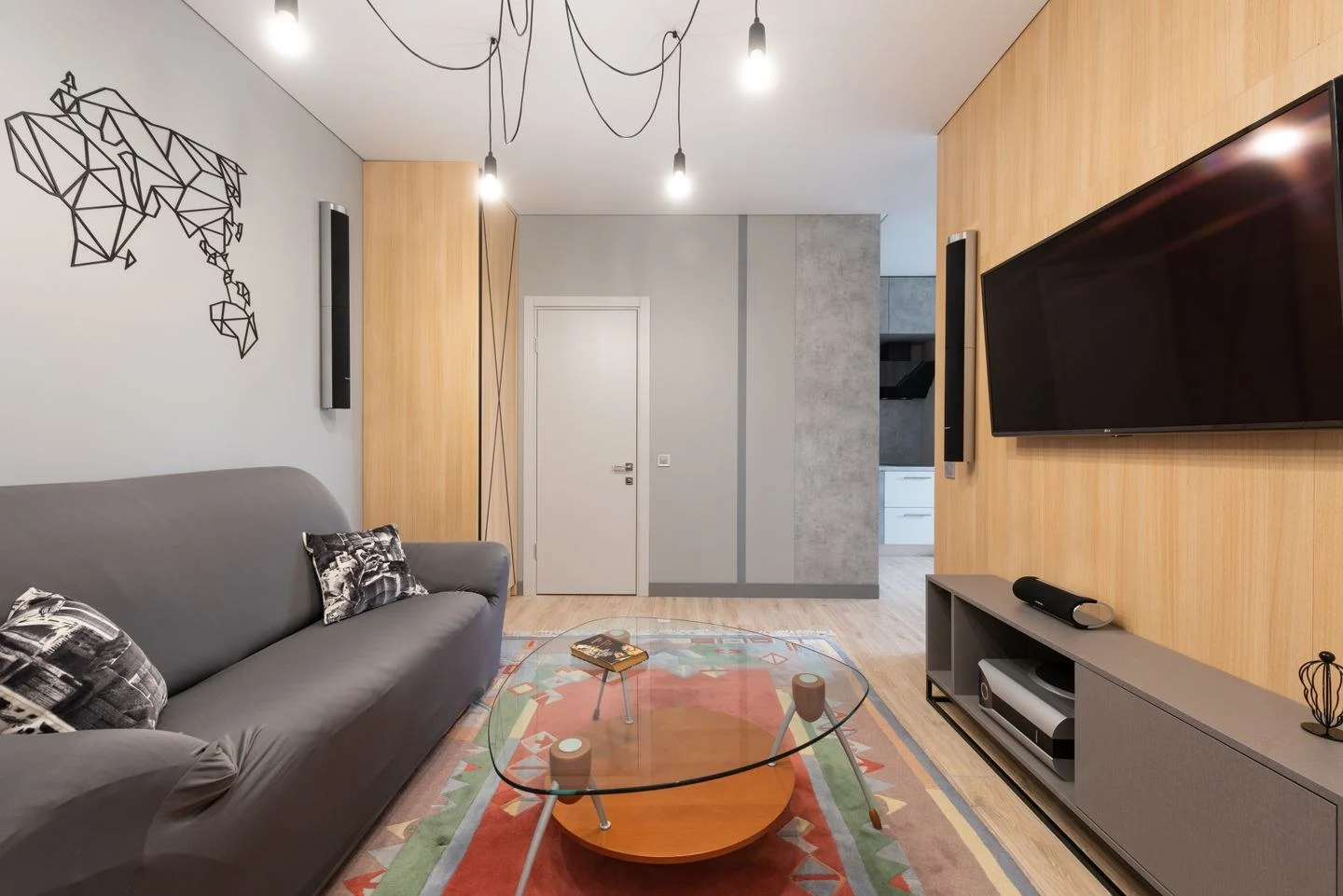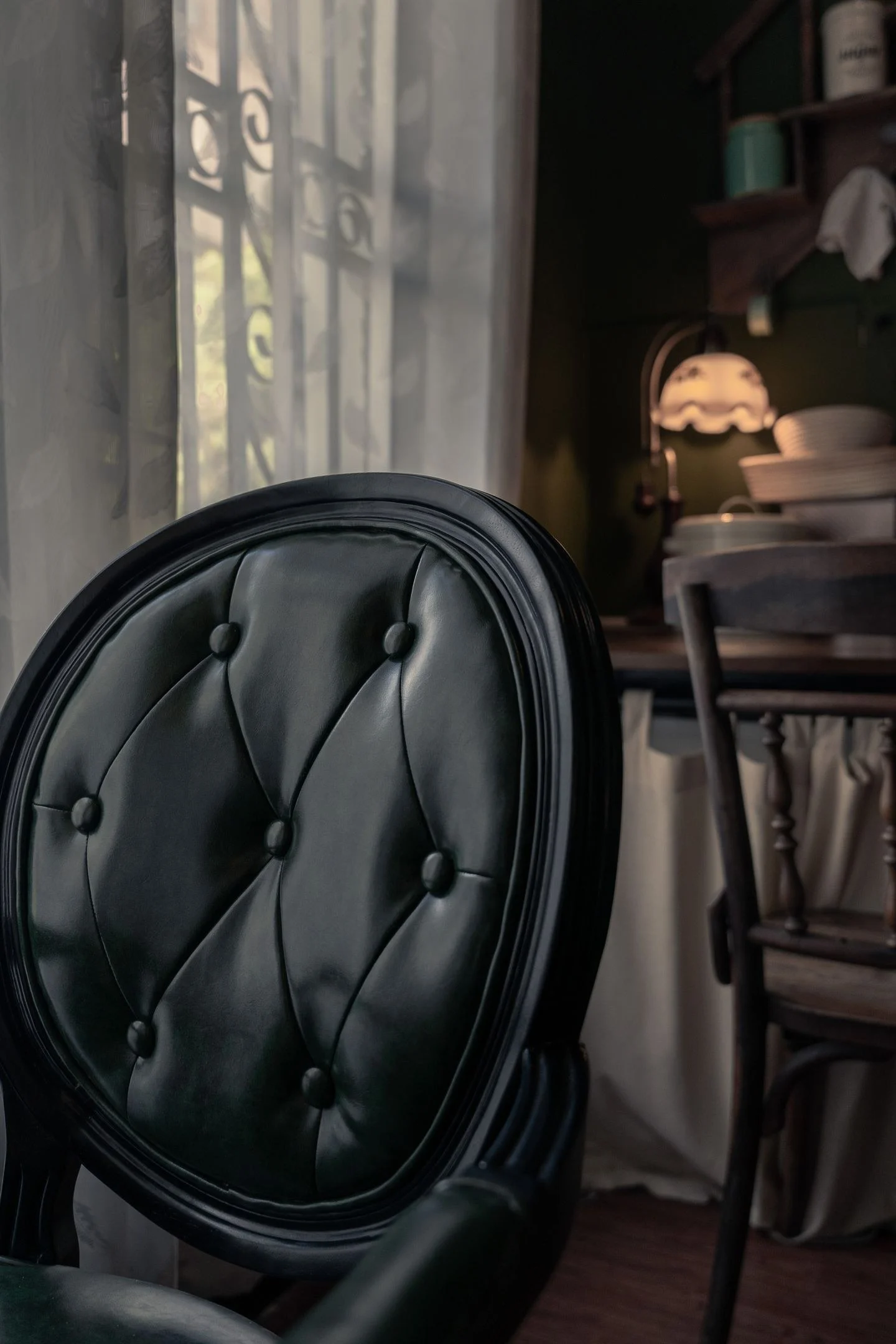
A vintage chair does not need a room full of vintage furniture to belong. Beside a contemporary sofa, its different shape can be the detail that gives the room character. The relationship works best when you connect the pieces deliberately without trying to erase their differences.
Compare silhouettes before fabrics
Look at the chair and sofa as outlines. A delicate wood-framed chair can feel lost beside an enormous, low sectional; a broad club chair may compete with a compact sofa. Neither mismatch is automatically fatal, but the surrounding arrangement must support it. A small chair can gain presence from a nearby lamp or artwork, while a bulky chair may need more empty space around it.
Seat height matters for conversation. If one person sits much lower than everyone else, the room may feel less comfortable even when the pieces photograph well. Test the vintage chair rather than assuming its age or style guarantees comfort. Room & Board's chair guide separates seat depth and height from cushion feel, a useful distinction when comparing any chair with an existing sofa.
Choose one bridge
A warm wood frame can relate to a coffee table. A color in the chair's upholstery can reappear in a restrained cushion on the sofa. A curved chair back can echo a rounded table. Choose one or two links, not an entire matching accessory scheme.
If the chair has patterned upholstery, let the sofa remain quieter initially. You can add another pattern later, but first see whether the chair already supplies enough movement. Conversely, a plain vintage leather chair can sit beside a textured sofa without requiring a bold rug beneath both.
Do not automatically refinish old wood to match new furniture. The contrast may be its appeal, and refinishing can affect the piece's character or value. If restoration is needed, seek advice suited to the material and condition before sanding, stripping, or reupholstering.
Check the chair as an object, not only a style
Inspect joints, legs, webbing, cushions, and any moving parts before regular use. A beautiful frame with a loose joint needs attention, not a decorative throw covering the problem. Ask a qualified repairer about structural concerns; do not infer that tightening a visible screw resolves every weakness.
Give the chair a useful place in the room. It should have a view toward the sofa, enough room for a person to sit and stand, and a reachable surface. Avoid isolating it in a corner solely as an ornament unless that is truly its intended role. When the chair functions as well as the newer seating, the combination feels collected rather than staged.