Color & Pattern
Choosing a white paint alongside existing trim
Choose a wall white that works with existing trim by comparing undertones, sheen, and daylight before committing to a full room of paint.
Home/Color & Pattern
Color relationships, paint samples, pattern scale, and combinations that suit a room.
Color & Pattern
Choose a wall white that works with existing trim by comparing undertones, sheen, and daylight before committing to a full room of paint.
Color & Pattern
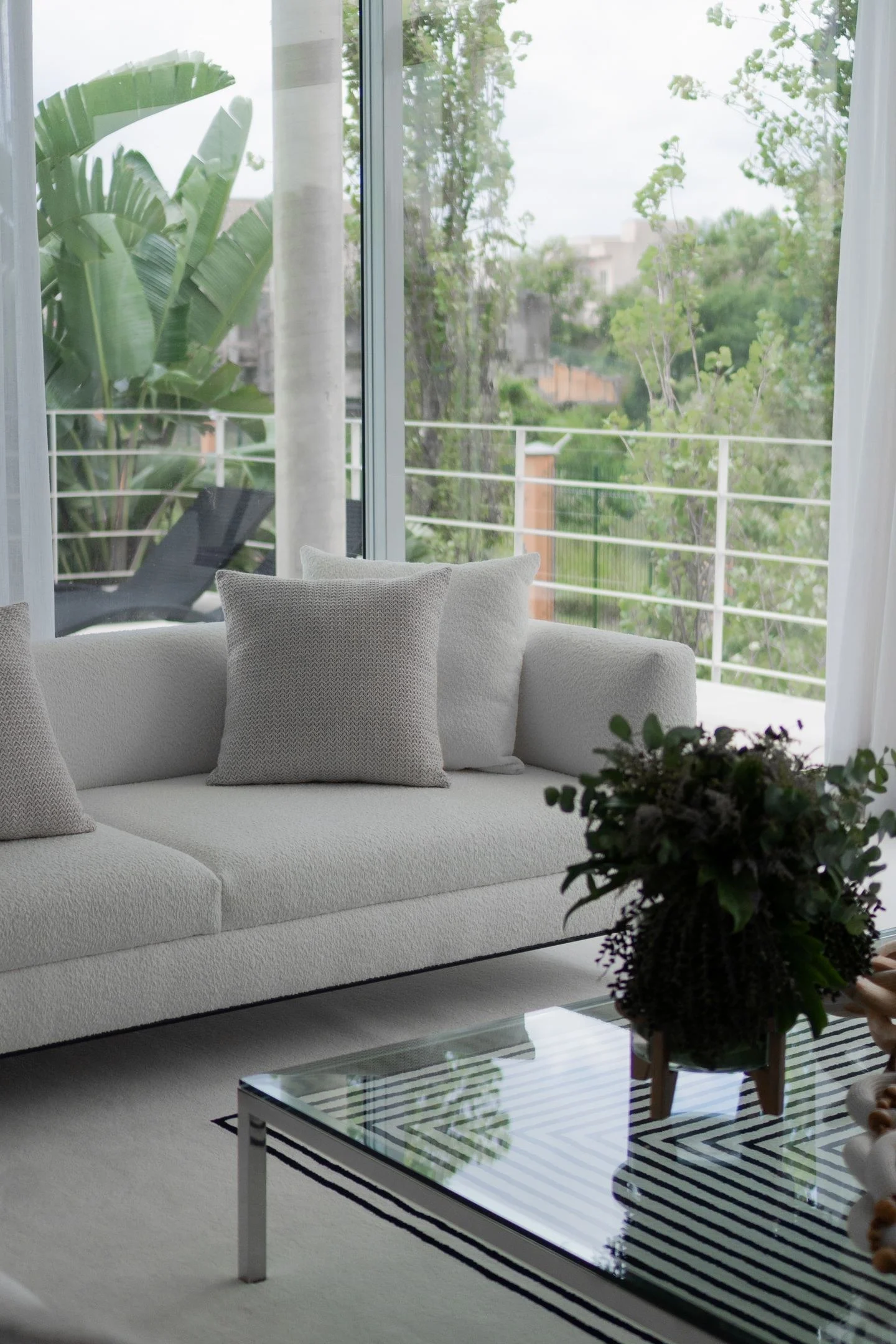
Mix warm and cool neutrals by giving each a clear role, linking them through materials, and checking the palette in the light of your room.
Color & Pattern
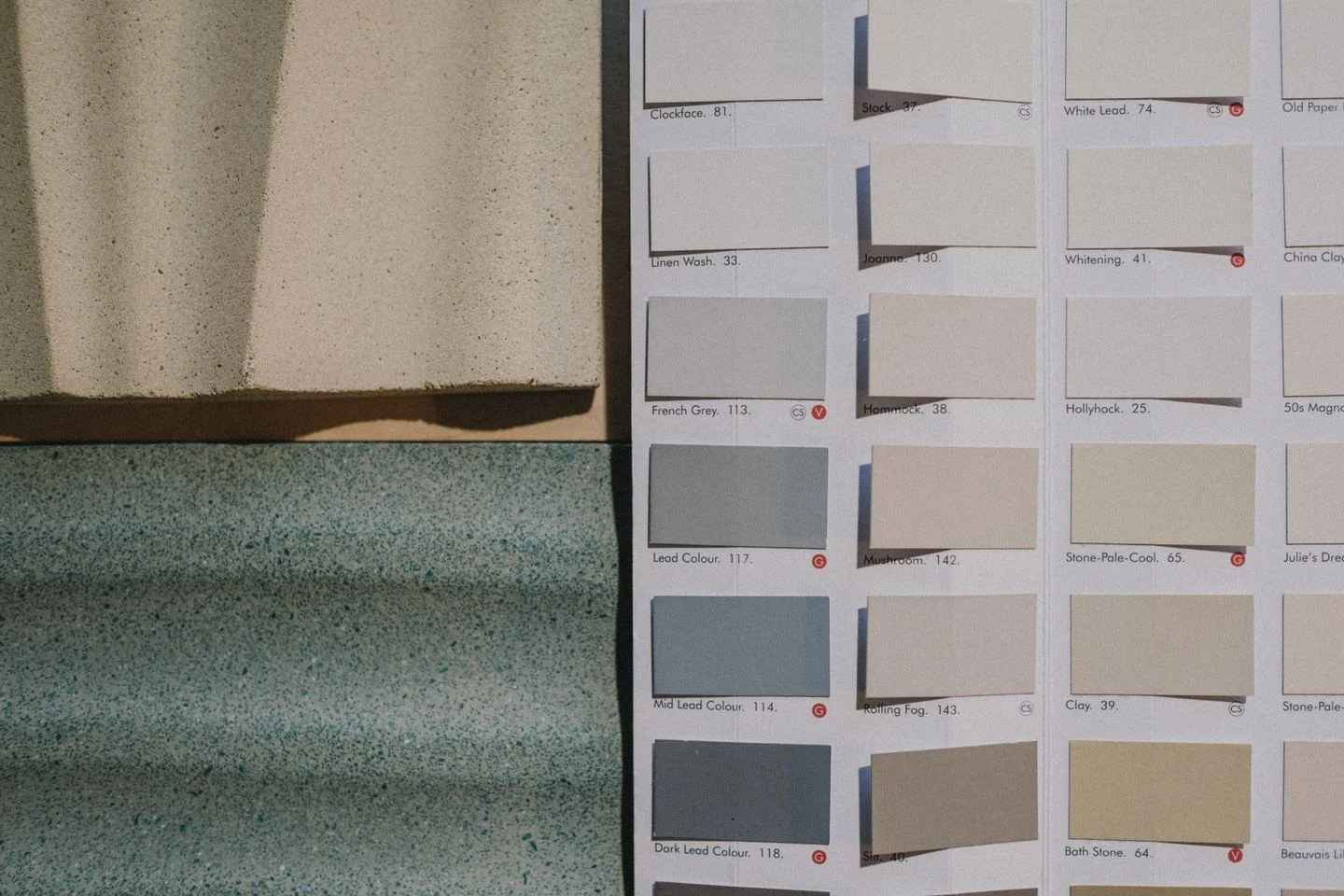
Test paint with movable samples, realistic lighting, and nearby finishes so your choice is based on the room rather than a tiny color chip.
Color & Pattern
Use an existing rug to build a room palette, separating its background, secondary colors, and small accents before choosing furniture or paint.
Color & Pattern
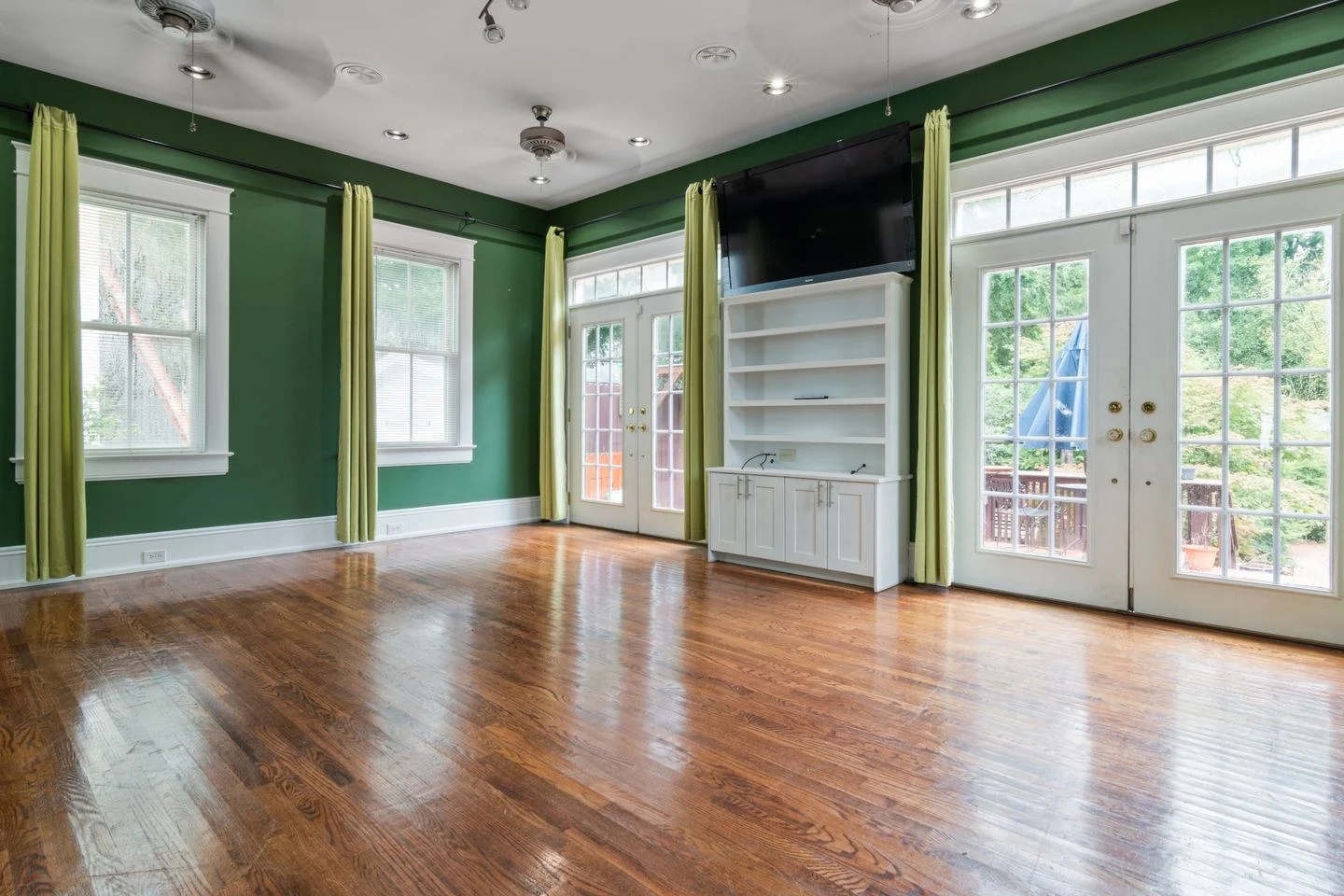
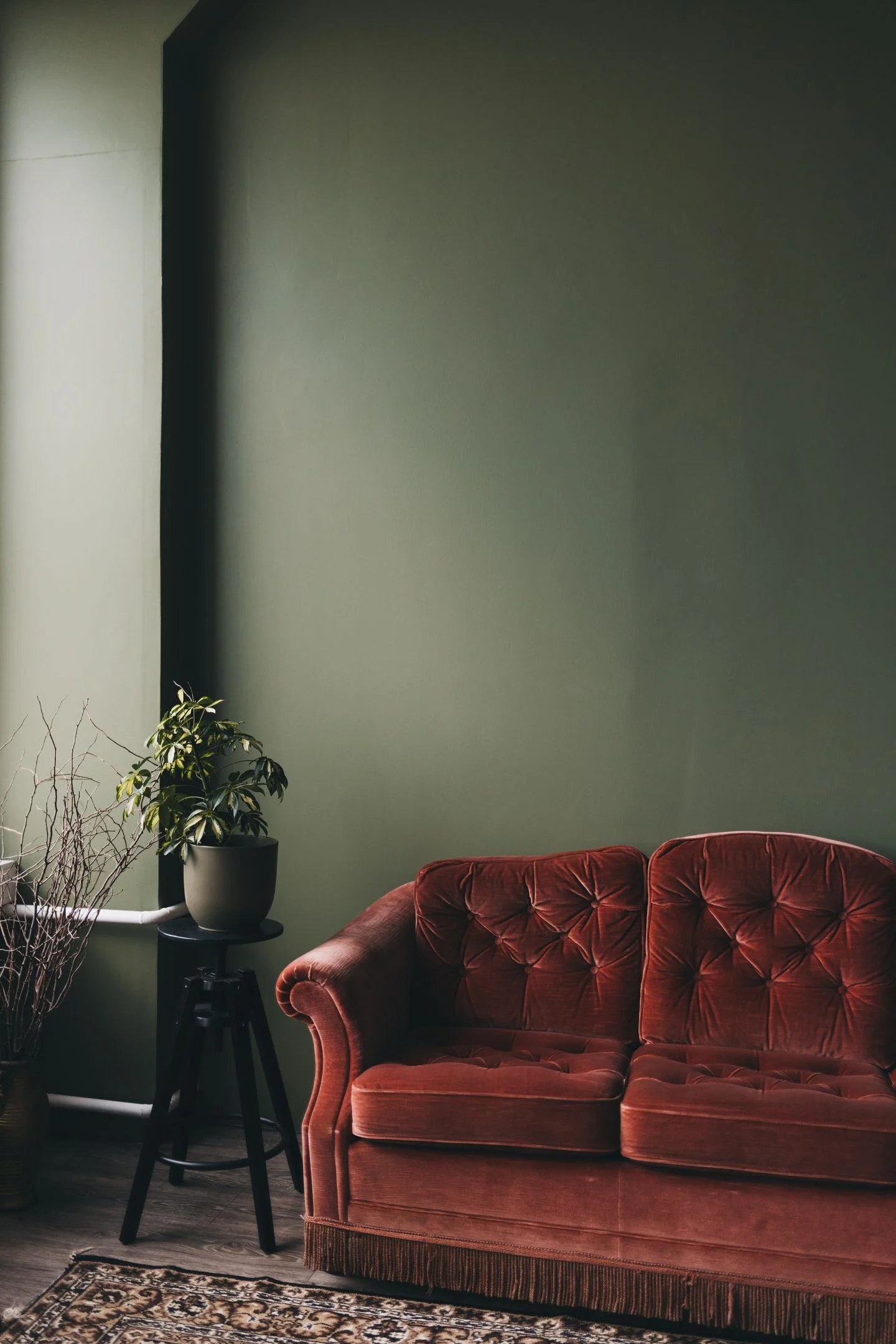
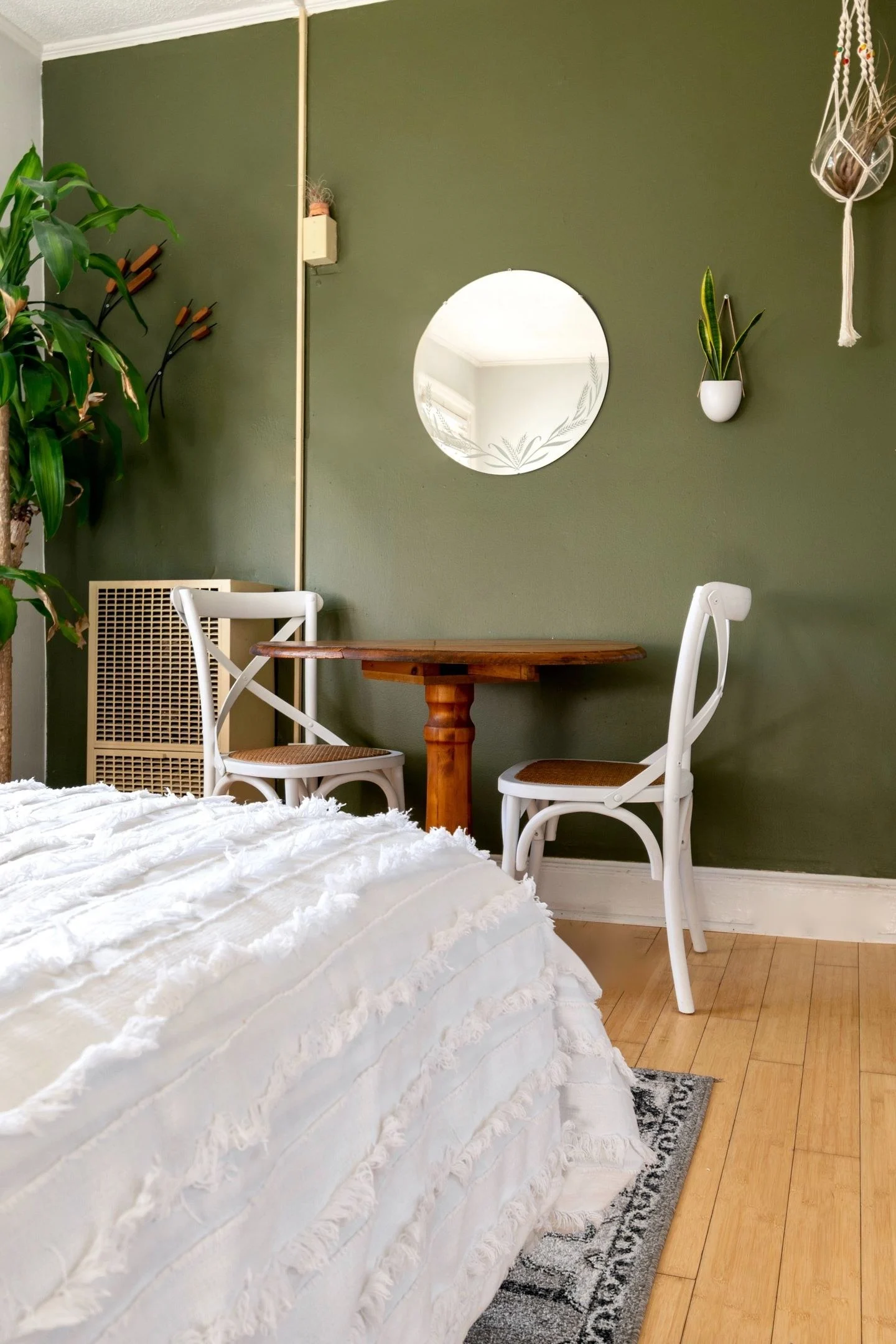
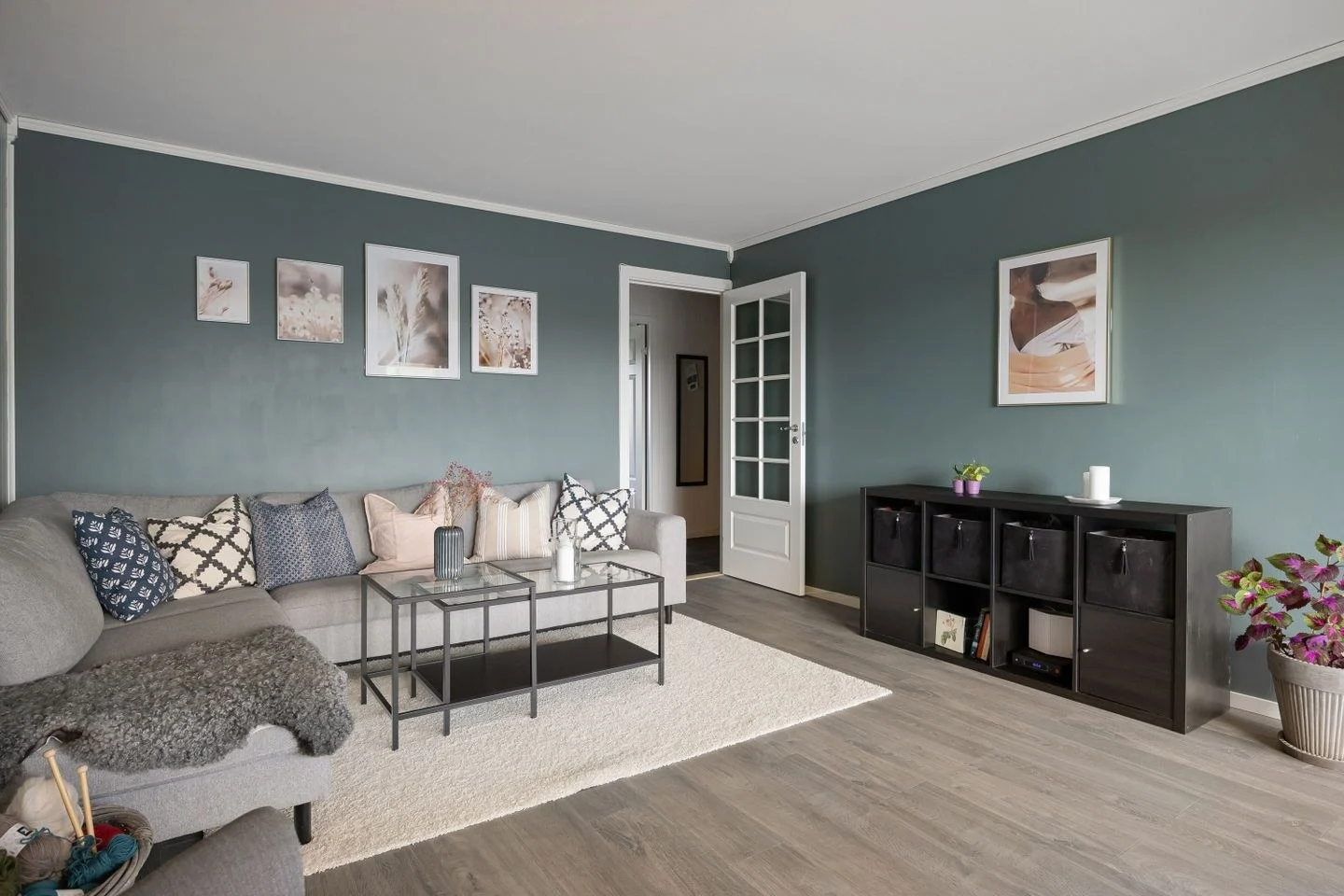
Pair muted green with oak, walnut, or painted wood by comparing undertones and contrast, then connect the room through textiles and small details.
Color & Pattern
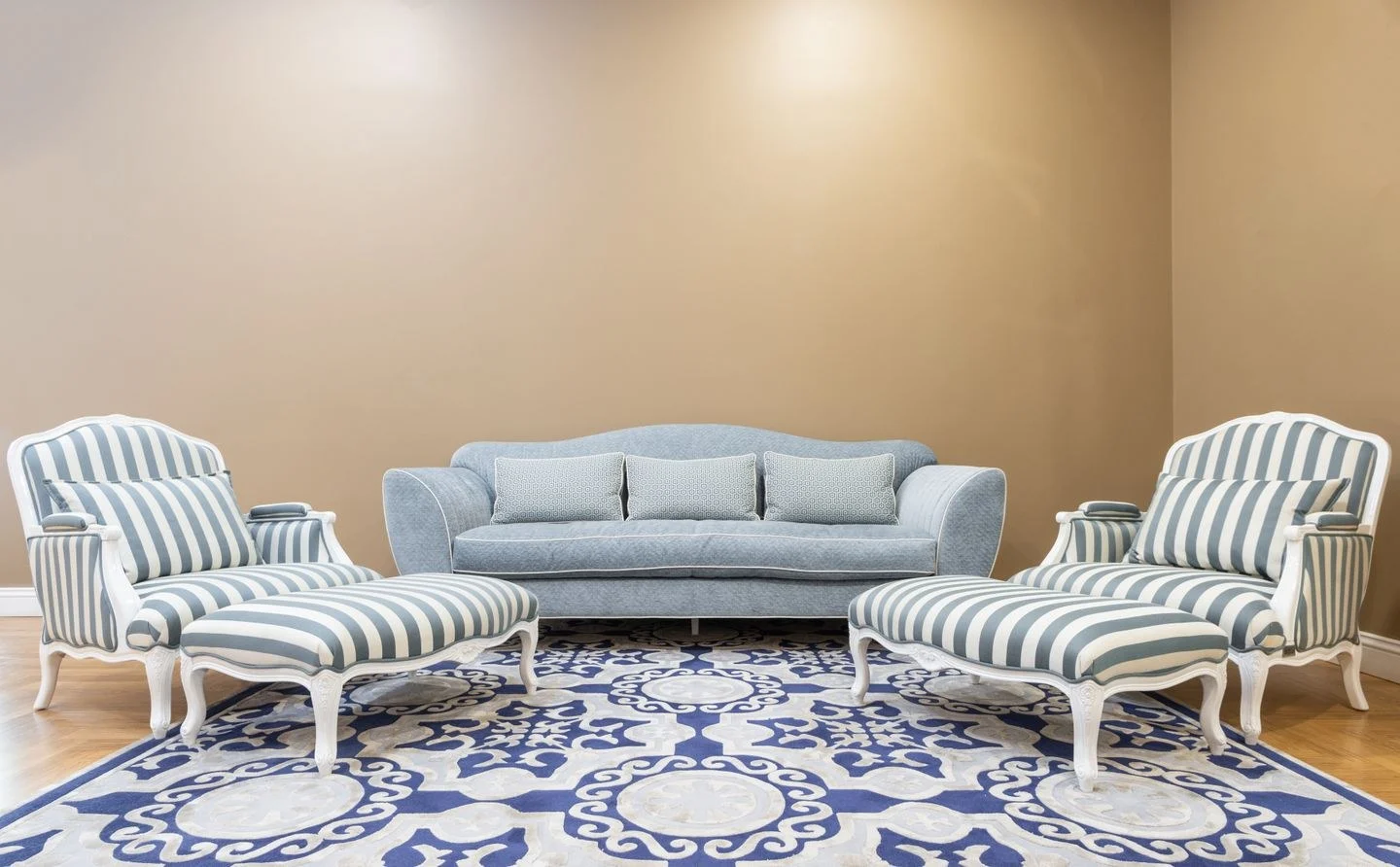
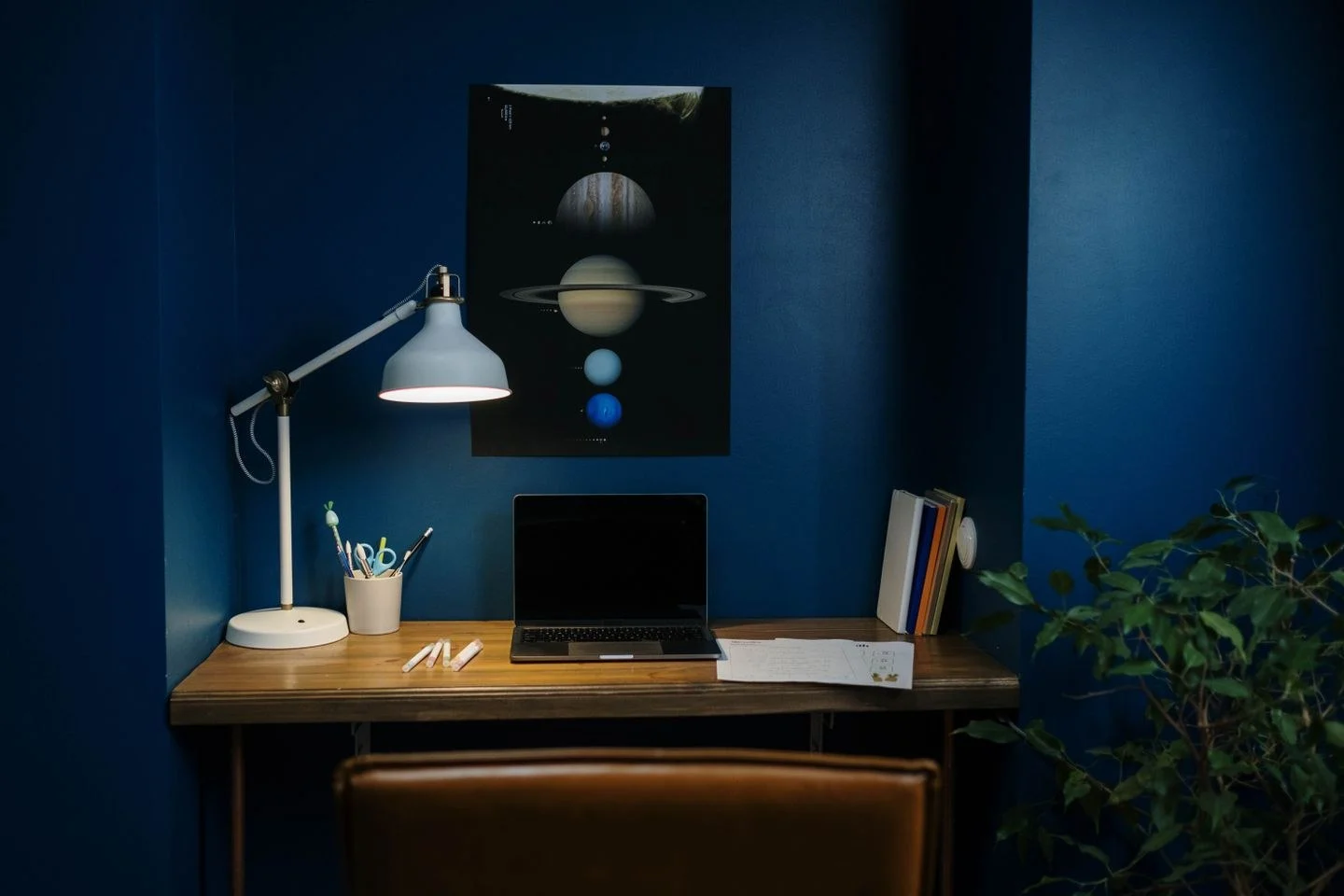
Build a blue and brown room around material, contrast, and shape, using wood and textiles without relying on stripes or nautical accessories.
Color & Pattern
Add red to a neutral room with one clear focal point, then choose its shade and placement in relation to the furniture and light already there.
Color & Pattern
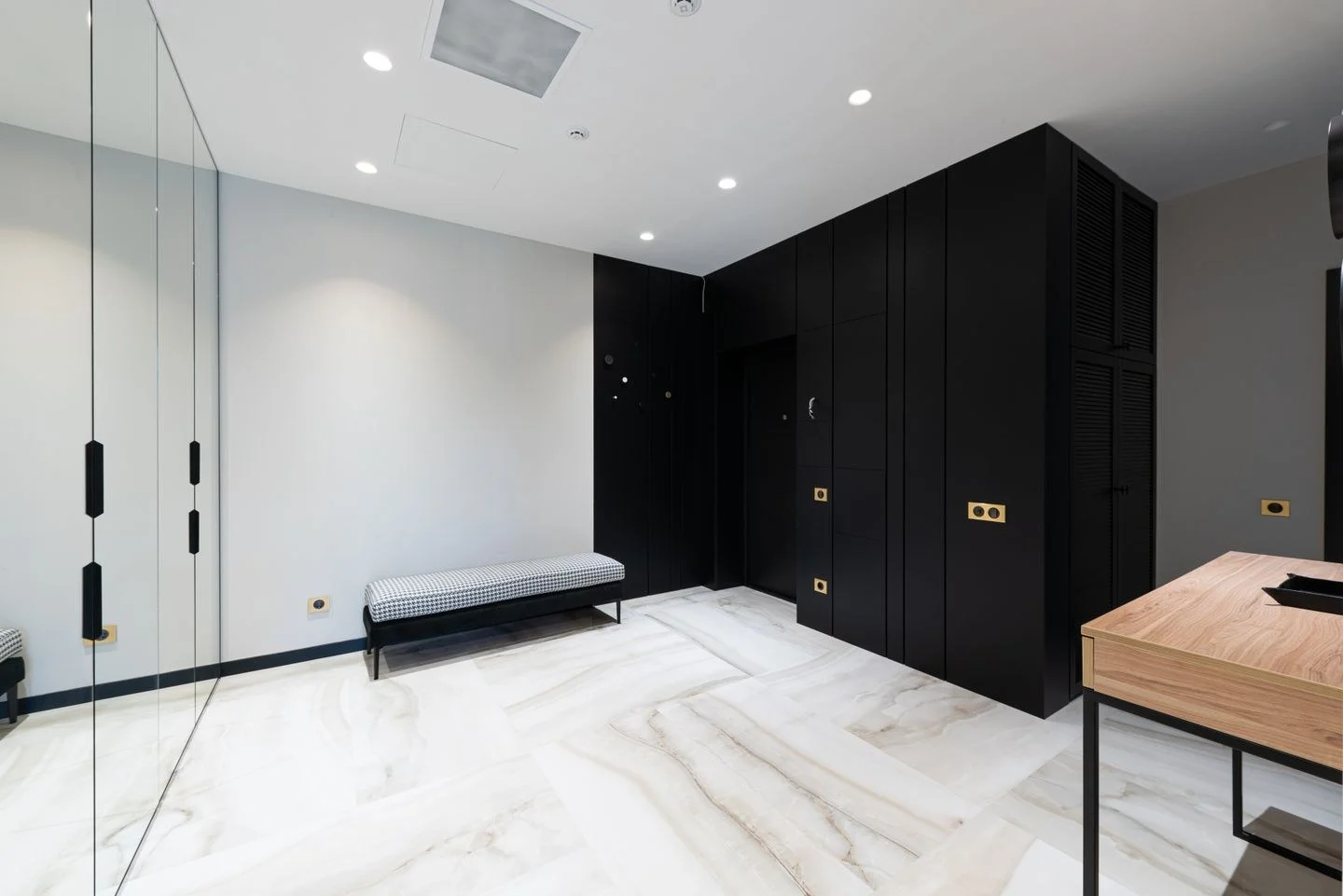
Use black details to define a light room, balancing their size, finish, and placement instead of repeating the same accent on every surface.
Color & Pattern
Choose curtains for bold walls by deciding whether the window should blend, contrast, or connect to another material already used in the room.
Color & Pattern
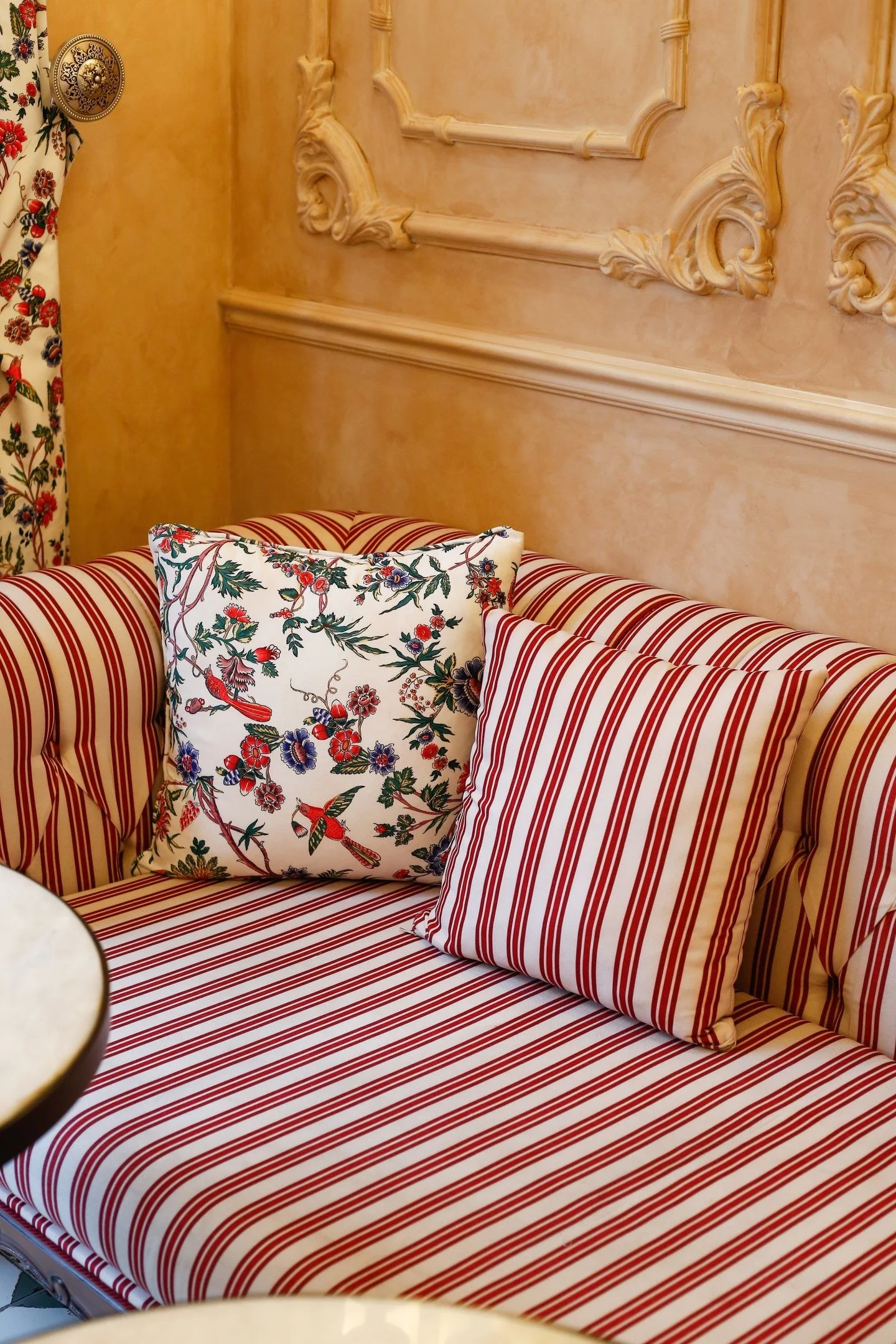
Combine stripes and florals with a shared color and different pattern scales, then test the fabrics at the distance you will normally see them.
Color & Pattern
Judge pattern scale in a small room by contrast, viewing distance, and placement rather than assuming that every small space needs tiny prints.
Color & Pattern
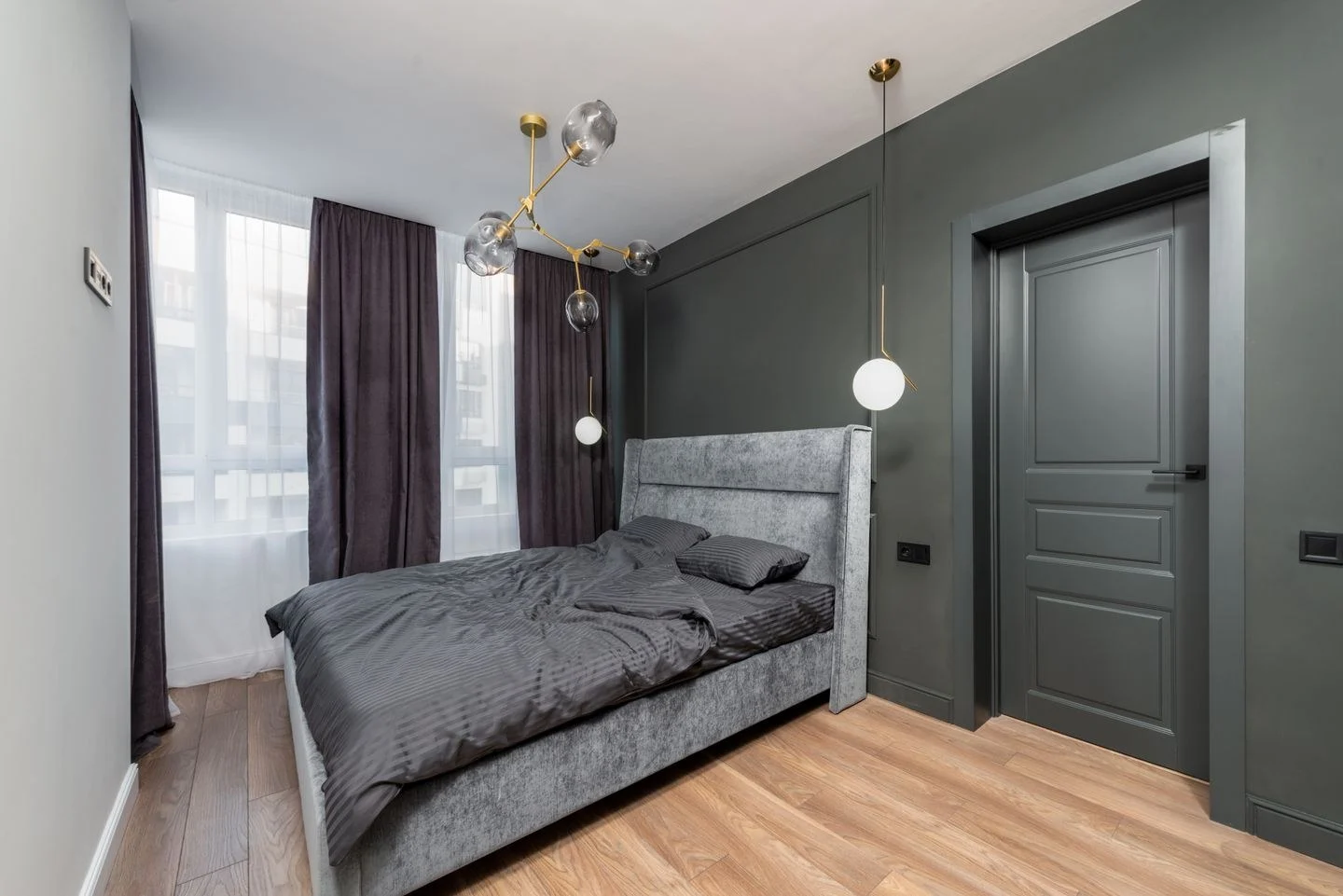
Give a tonal room depth with a clear range of light and dark values, varied surfaces, and a few defined edges within the same color family.
Color & Pattern
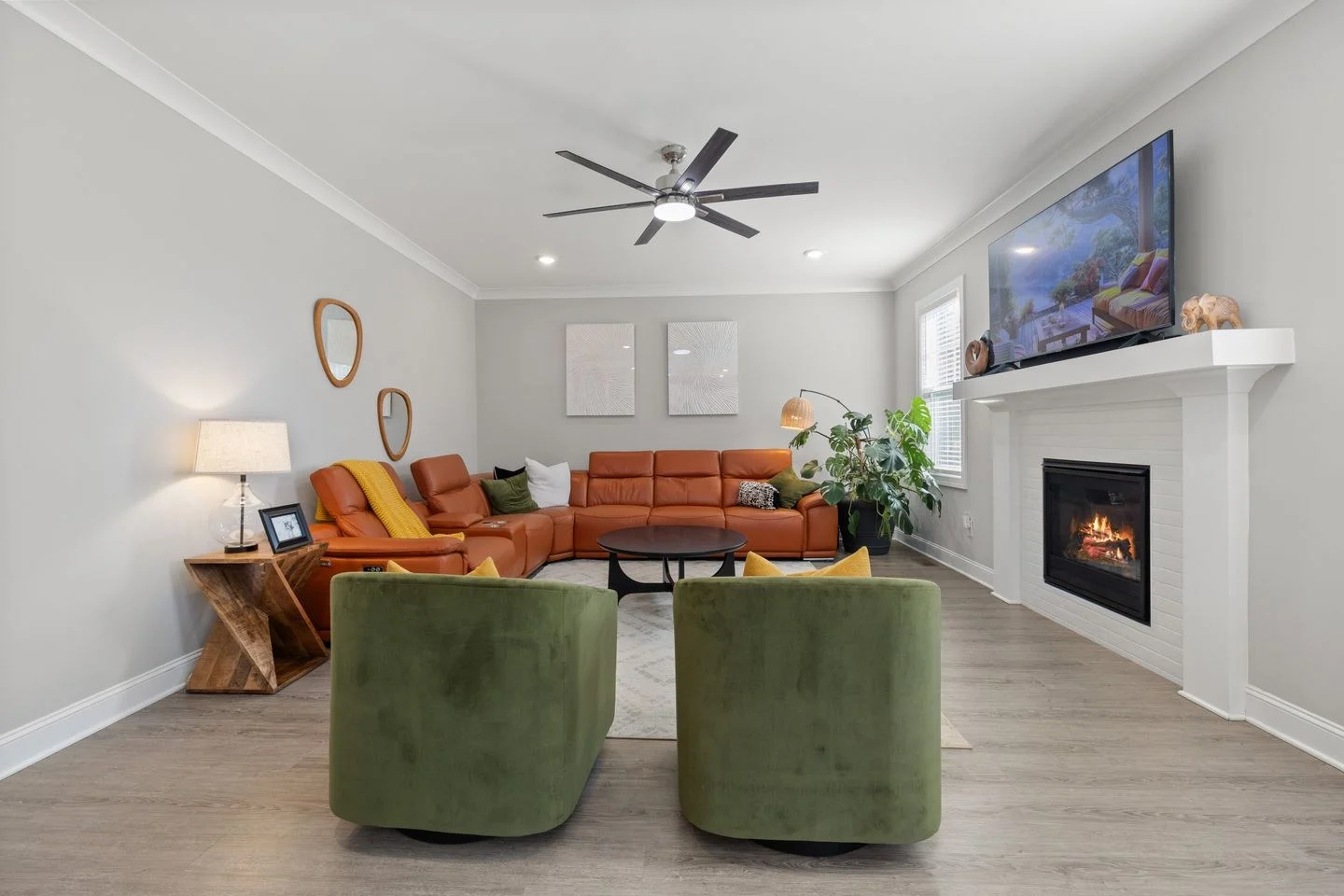
Connect gray flooring with warm furniture through a deliberate rug, balanced wall color, and repeated wood tones that make the contrast feel intentional.
Color & Pattern
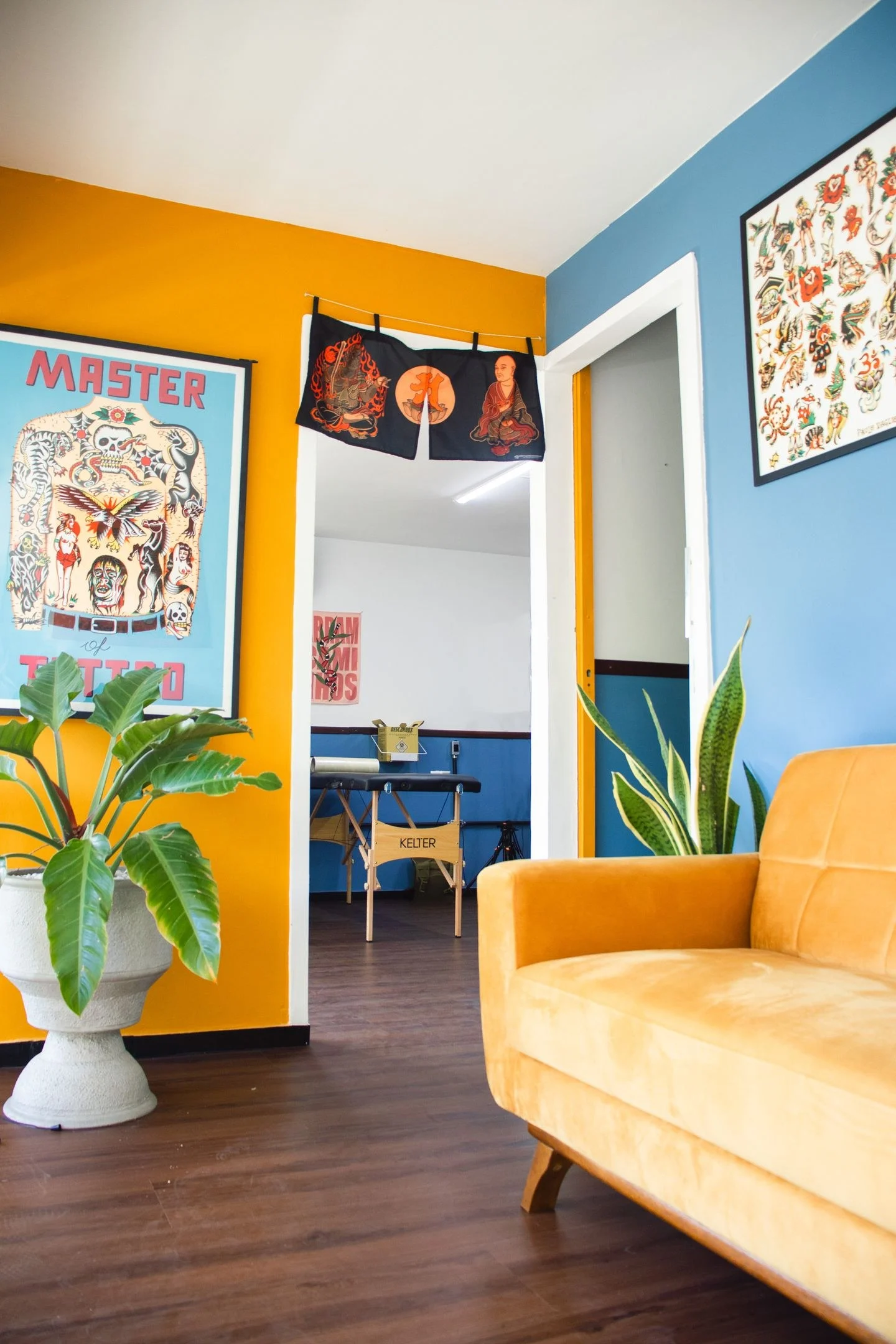
Choose an accent wall that supports the room layout, architecture, or main view, then test its edges and relationships before selecting a color.
Color & Pattern
Create color continuity between adjoining rooms through shared sightlines, repeated materials, and related trim rather than painting every space alike.
Color & Pattern
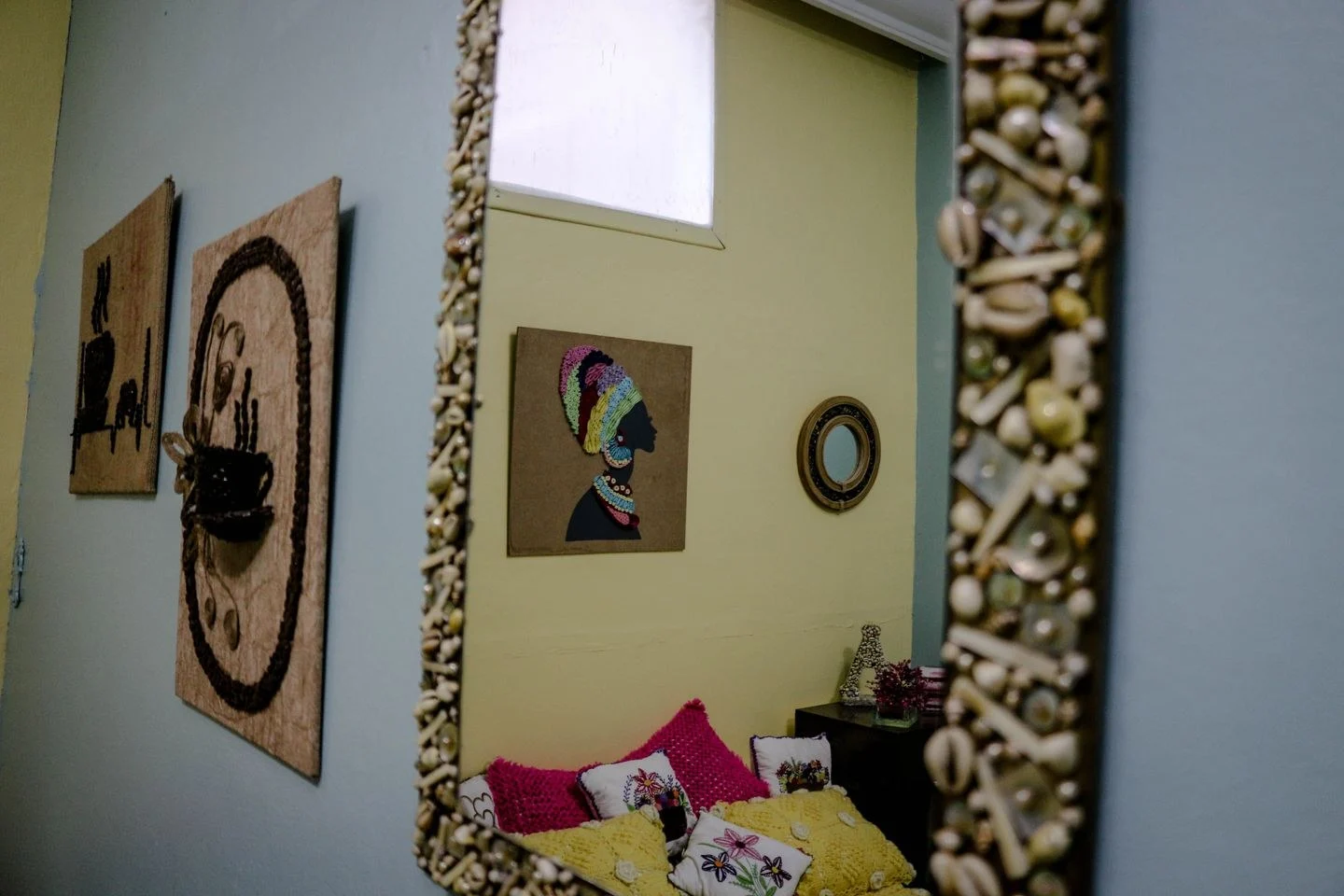
Decorate around multicolor artwork by choosing which hues to repeat, keeping enough quiet space, and considering the frame as part of the palette.
Color & Pattern
Ground a pink room with wood, darker outlines, and balanced proportions, choosing the pink in relation to the materials you plan to keep.
Color & Pattern
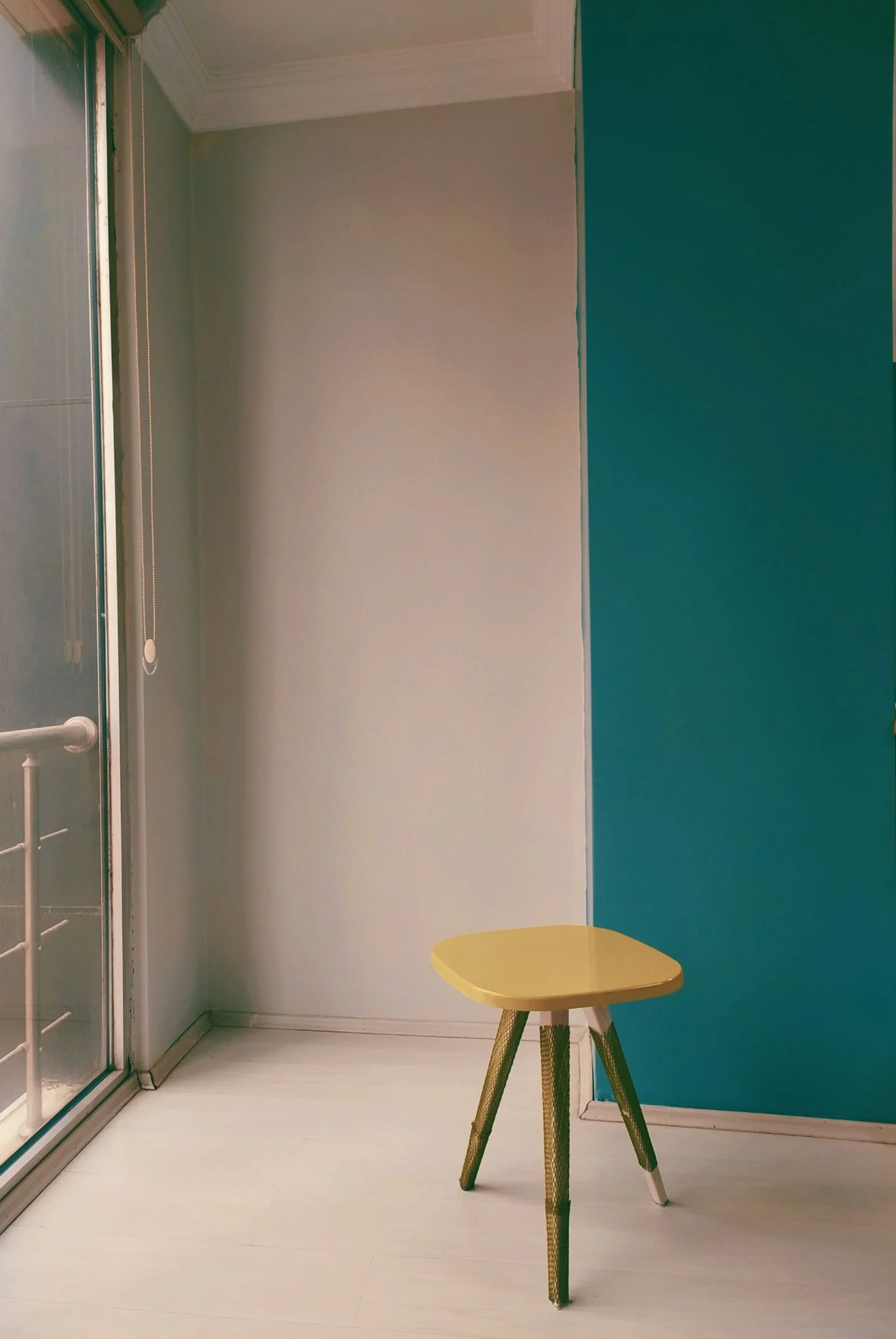
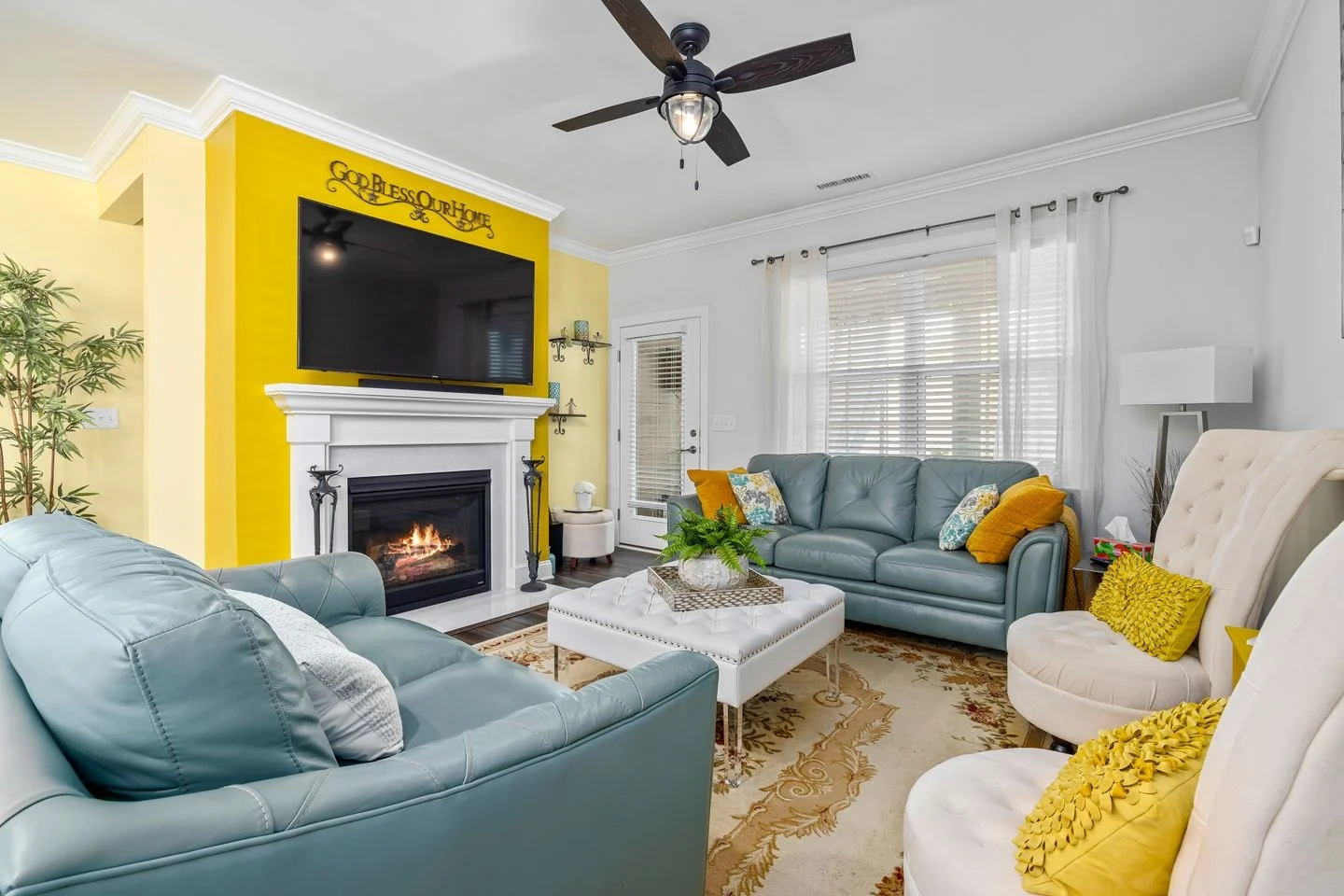
Use yellow in cool daylight by testing its intensity and undertone on site, then balancing it with the room’s fixed surfaces and evening lighting.
Color & Pattern
Decide how much contrast trim should create against colorful walls, comparing matching, related, and lighter finishes at the room’s actual edges.
Color & Pattern
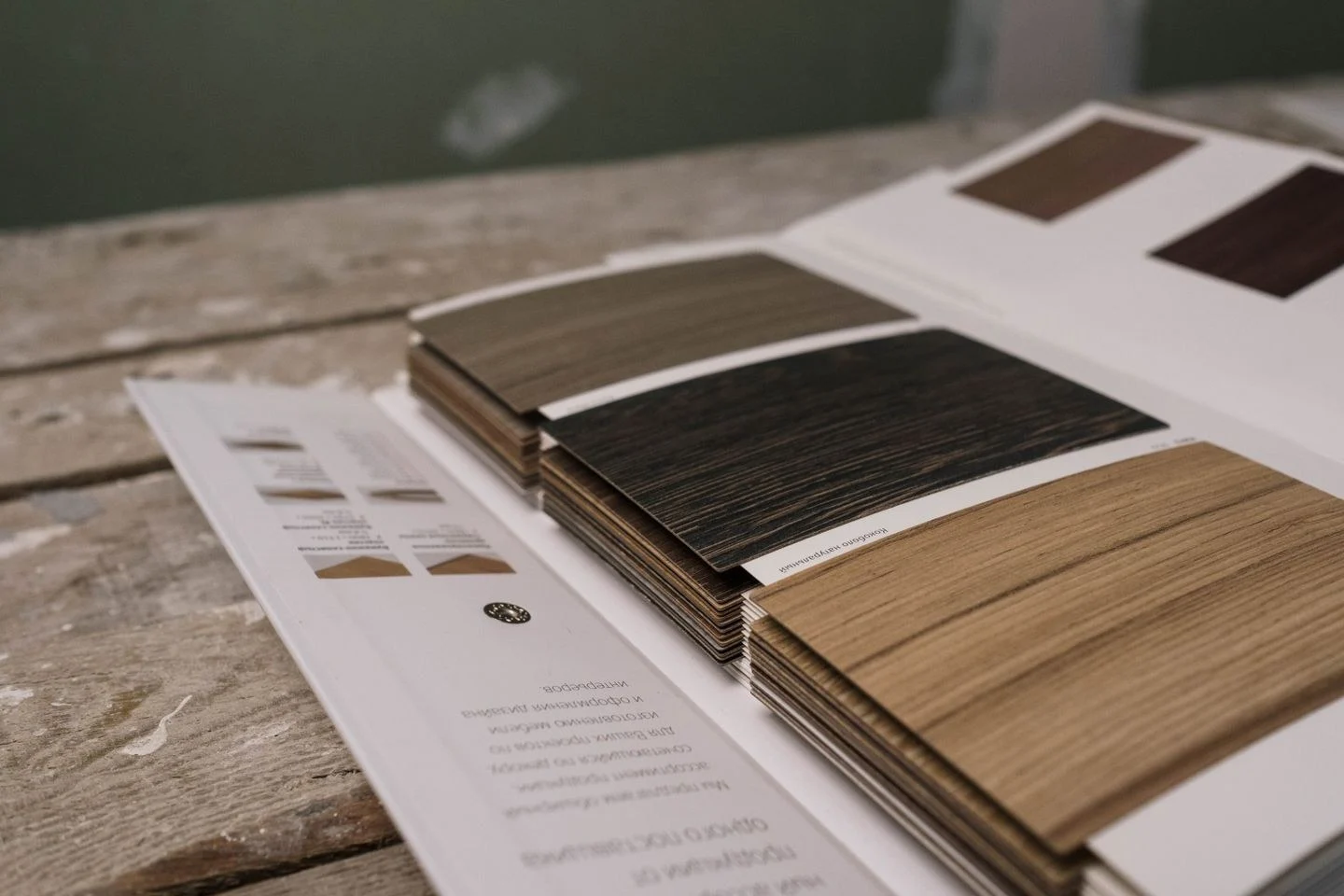
Combine two wood tones by comparing their warmth, grain, and visual weight, then repeat them deliberately instead of pursuing an exact finish match.
Color & Pattern
Balance green and cream with a few darker accents, using contrast to define furniture and keep the palette from becoming uniformly pale.
Color & Pattern
Introduce pattern through curtains, pillows, rugs, and throws by choosing a leading textile and leaving enough solid surfaces around it.
Color & Pattern
Create a neutral room with chalk, charcoal, brown, gray, and natural materials, using light and dark relationships instead of relying on beige.
Color & Pattern
Choose wall paint beside a stone fireplace by studying the stone’s background and veining, comparing samples at the actual junction in changing light.
Color & Pattern
Repeat an accent color in a few useful places, varying its scale and material so the room feels connected without looking like a matching set.