White walls can make older white trim look cream, gray, or unexpectedly pink. The trim has not changed; its new neighbor has made a difference that was previously difficult to see. When the trim is staying, treat it as an existing material, just as you would a wood floor or stone countertop.
Bring the sample to the trim
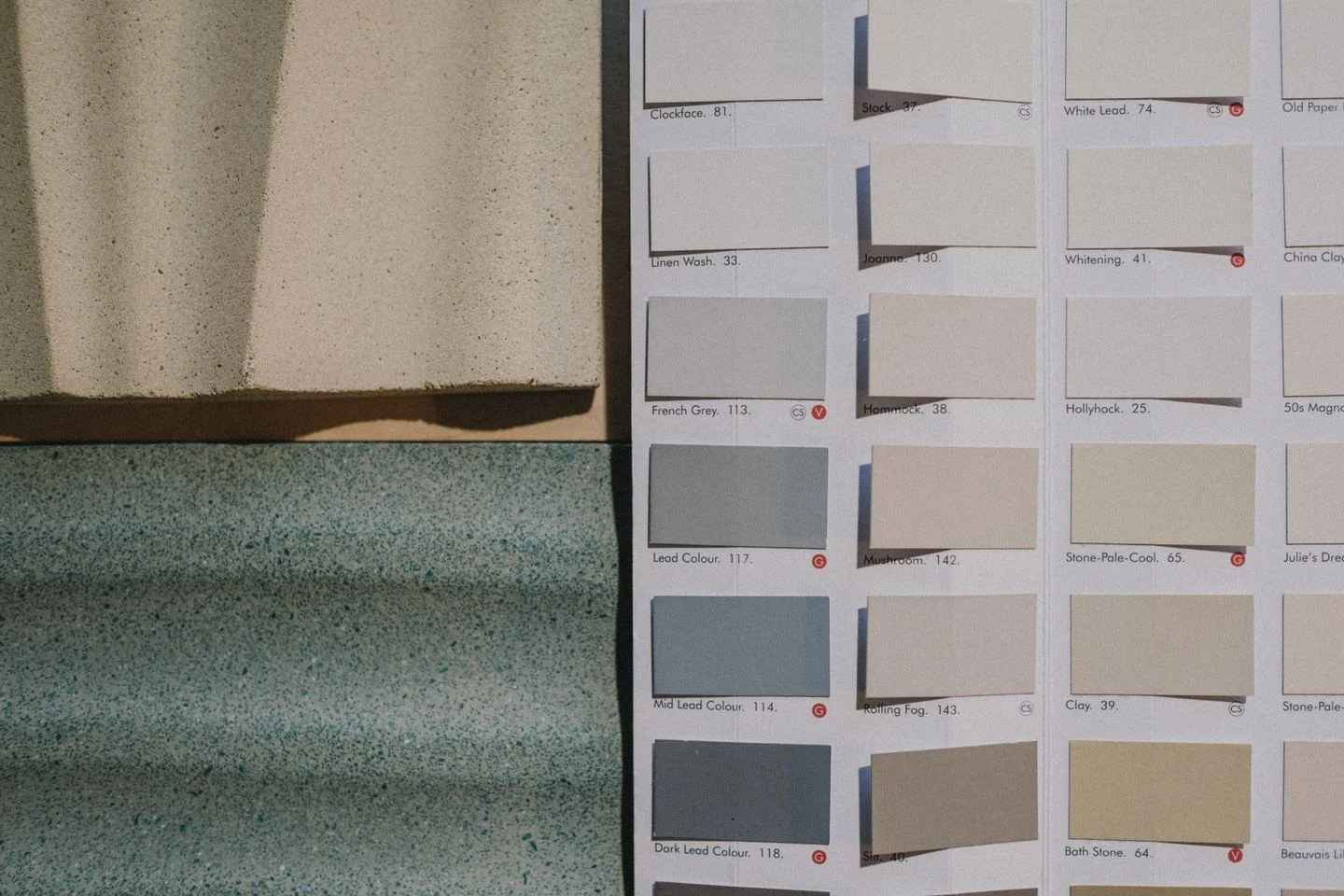
Begin with a clean section of casing. Dust and accumulated marks can confuse the comparison. Place several white paint chips directly beside it, keeping them in the same plane as the wall. A sample lying on a tabletop receives different light and is a poor substitute for this meeting of surfaces.
You are looking for relationships rather than a universally correct white. One candidate may make the trim appear warmly aged in a pleasing way. Another may make it look dingy. A third may create so little contrast that the difference in sheen becomes the main distinction. Remove the options you dislike before buying larger samples.
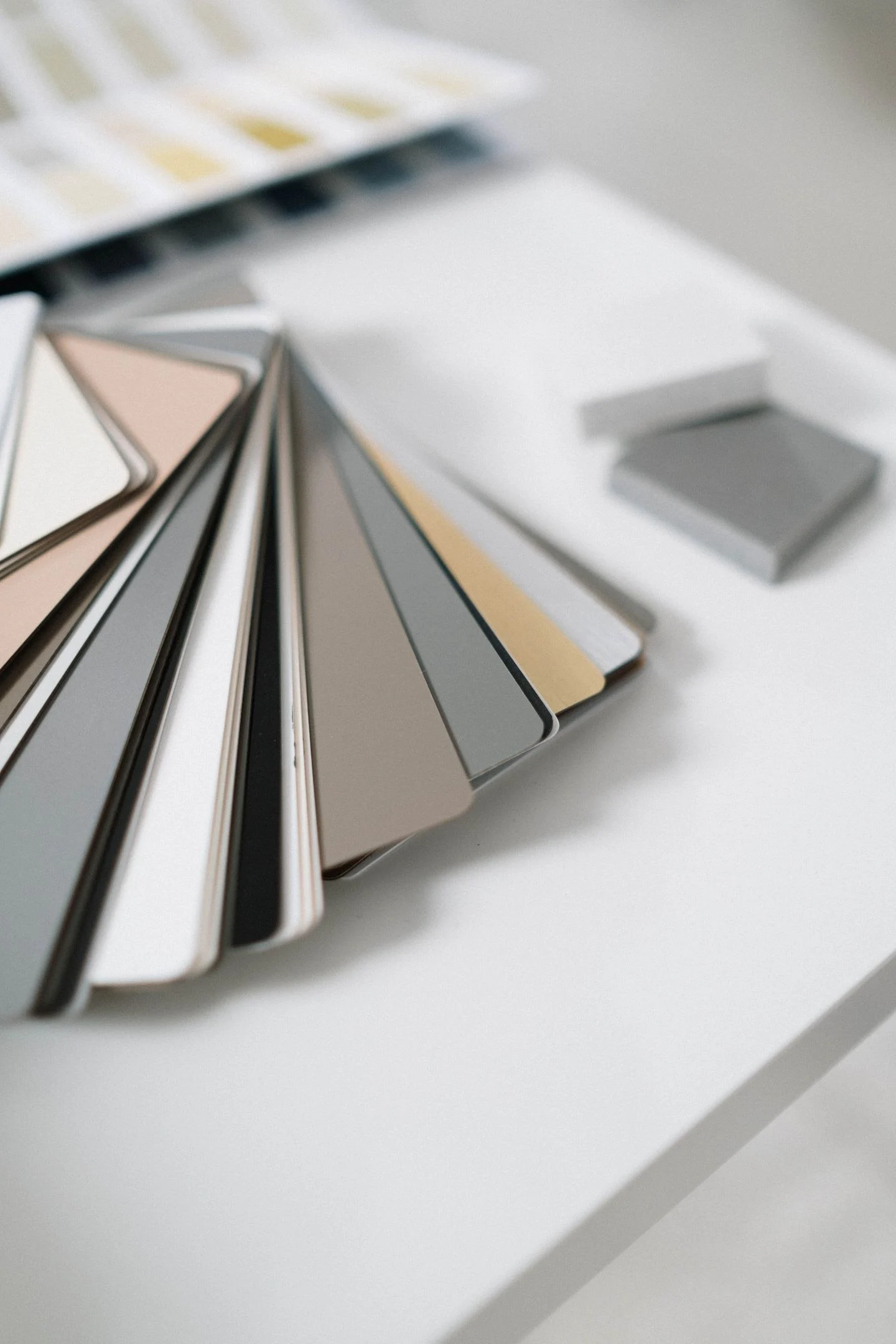
Test the remaining candidates on movable boards or suitable manufacturer samples. Examine them near the floor, beside the window, and on the wall opposite it. Benjamin Moore recommends moving samples through the room and viewing them in different light. That simple exercise matters especially with whites, where small shifts can occupy a very large area.
Decide whether to blend or separate
For a quiet room, choose a wall white that relates closely to the trim's warmth. This does not require an exact match. An old ivory molding can look deliberate beside a slightly deeper creamy wall, particularly when wood furniture contributes another warm surface.
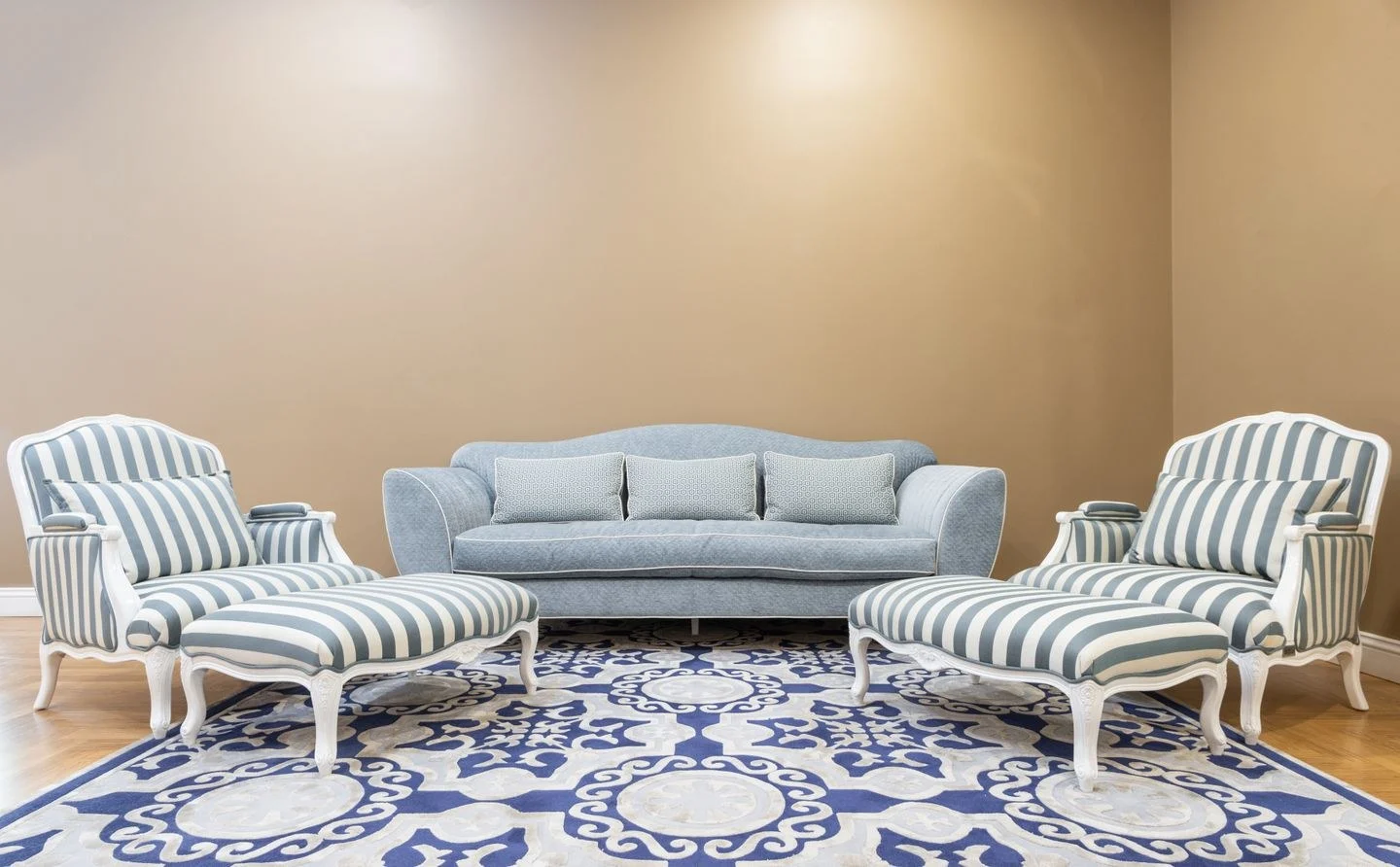
If the trim has a strong yellow cast that you do not enjoy, a cooler white wall rarely makes it disappear. Consider a more definite wall color instead, such as a muted green or soft blue, and assess whether that contrast gives the trim a useful role. The best decision may be to stop asking two nearly identical whites to behave as though they are identical.
Before ordering, check the selected paint in the intended finish. A glossy casing and matte wall reflect light differently, even when their color names match. Keep a labeled sample with the finish and product recorded so later touch-ups are based on the actual specification.
Look at the doorway from the next room as a final check. The white should work along that shared sightline, not only in the most flattering corner. A successful choice lets the trim read as part of the room's architecture rather than an unexplained second white.