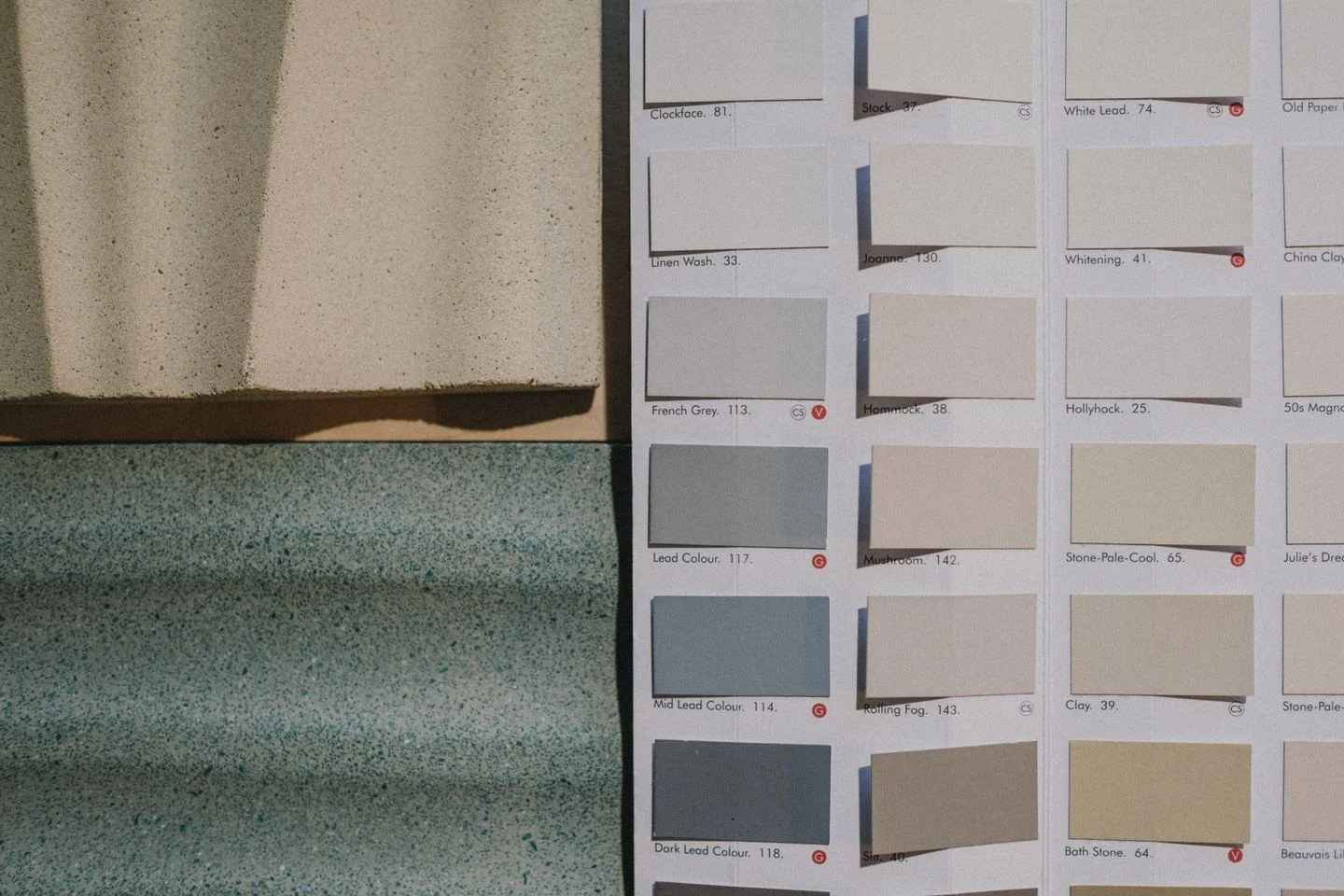
A paint chip is a useful way to eliminate colors. It is a less reliable way to approve one for an entire room. The final choice needs a larger area, the correct orientation, and the materials that will remain beside it.
Start by narrowing the field to a few candidates. A wall covered with a dozen patches turns the decision into a comparison between patches rather than a view of the room. Label every sample on its reverse or edge so that similar names cannot become mixed up.
Make the test portable
Use the paint manufacturer's sampling directions. If brushing a sample onto a board, apply the recommended coats and allow it to dry fully before judging it. Benjamin Moore notes that its liquid samples represent color and are not intended as the finish for the final project. The sample product and your chosen wall paint may also have different sheen, so confirm that distinction before ordering.
A movable sample lets you place the same color next to the sofa, behind a lamp, and beside the door casing. Keep it upright for a wall decision. Put ceiling samples overhead if you are choosing a ceiling color. Looking down at a sample on a table answers a different lighting question.
Use the room on an ordinary day
Look at the samples in morning light, later daylight, and the artificial light used in the evening. Make a short note at each visit: too green beside the sofa, agreeable by the window, too dark at the far end. Specific observations are more useful than repeatedly asking whether you like the color.
Check cloudy conditions as well as sun if your schedule allows. A color chosen solely during a bright afternoon can behave differently during the hours when the room is most often occupied. Do not use a phone photograph as the deciding evidence; camera processing and screen settings change how color appears.
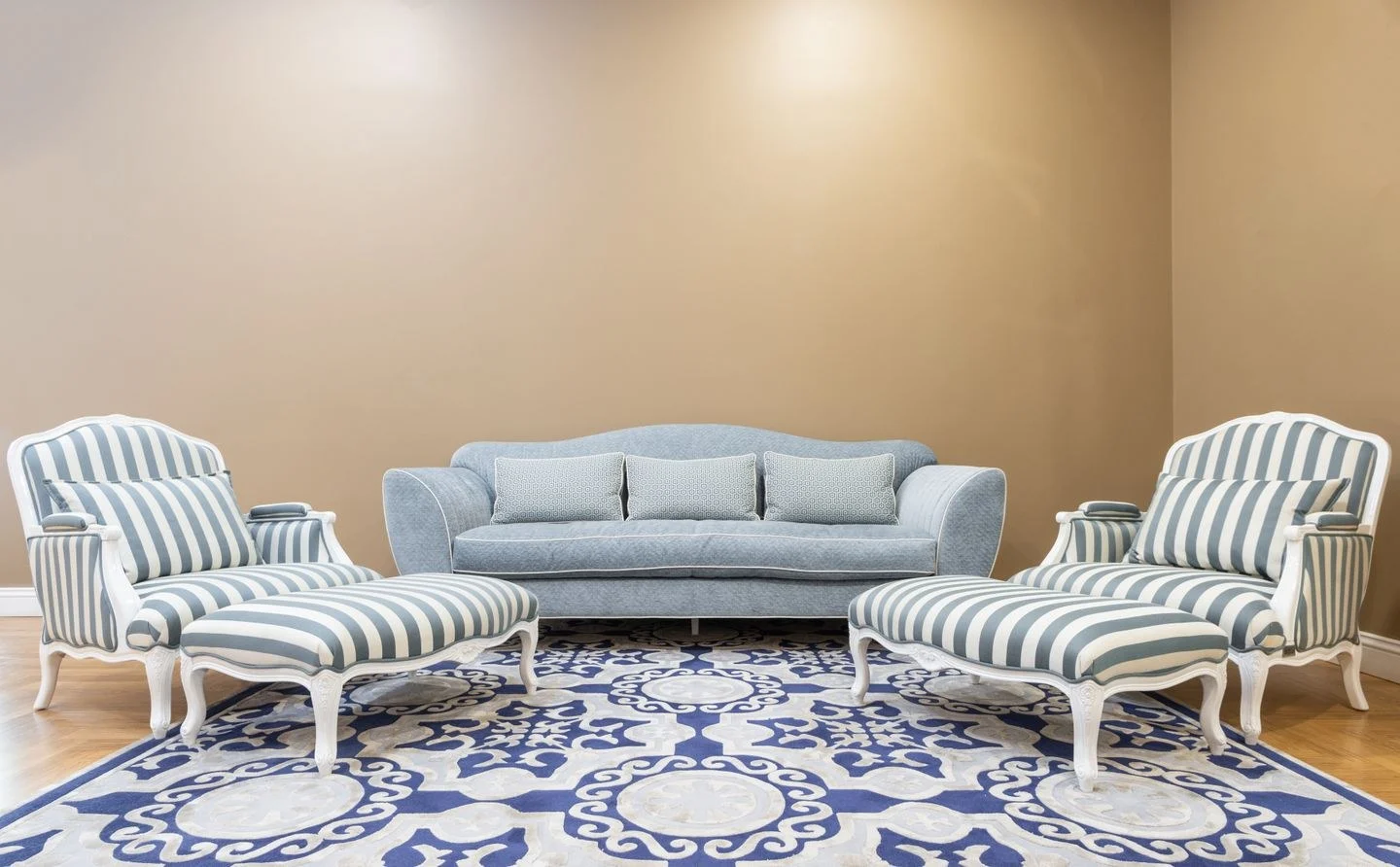
Bring the important companion materials into the test. Hold the curtain fabric near the sample, place the rug corner below it, and compare the trim directly. A wall color does not have to match these things, but it should produce the relationship you intended.
Approve the complete specification
Record the color, manufacturer, product, and sheen together. Color names alone do not tell a painter exactly what to purchase. If durability or cleaning matters in the room, choose the appropriate product with the manufacturer's guidance rather than assuming that every paint in that hue performs the same way.
When two candidates remain, remove the others and live with those two for another evening. If both work, the decision is no longer a hidden technical puzzle. Choose the one that supports the furniture and mood you want, then keep the labeled record for future maintenance.