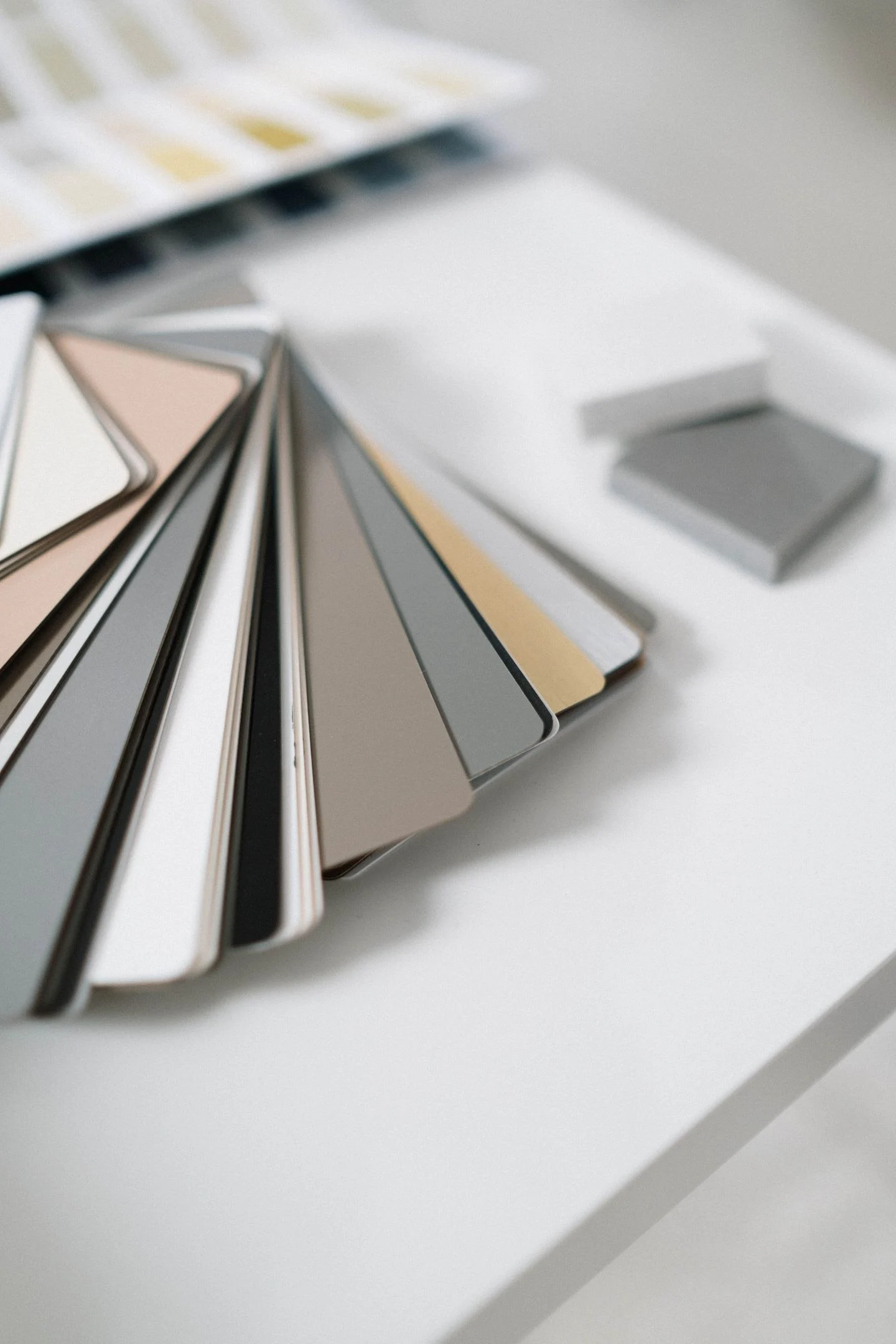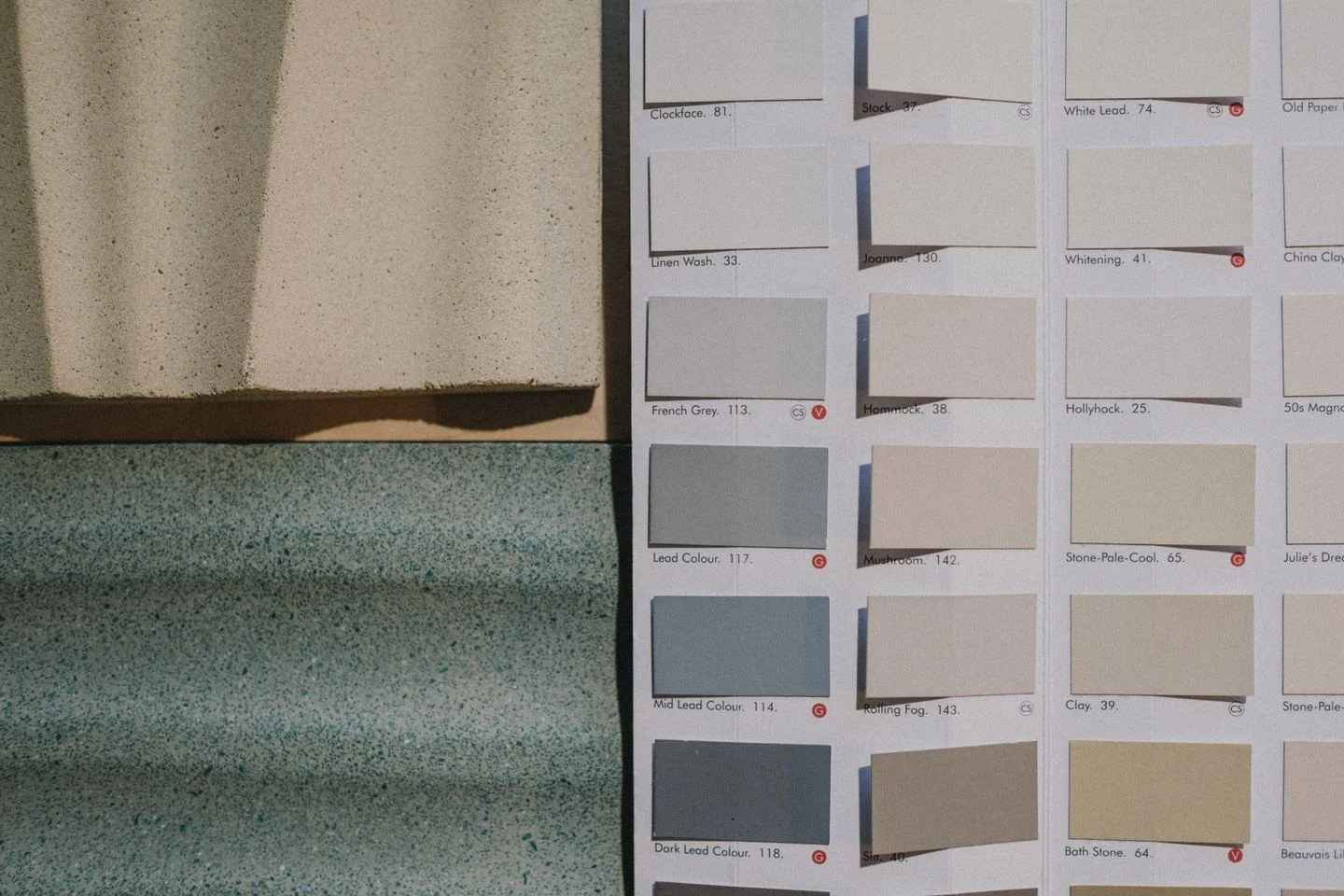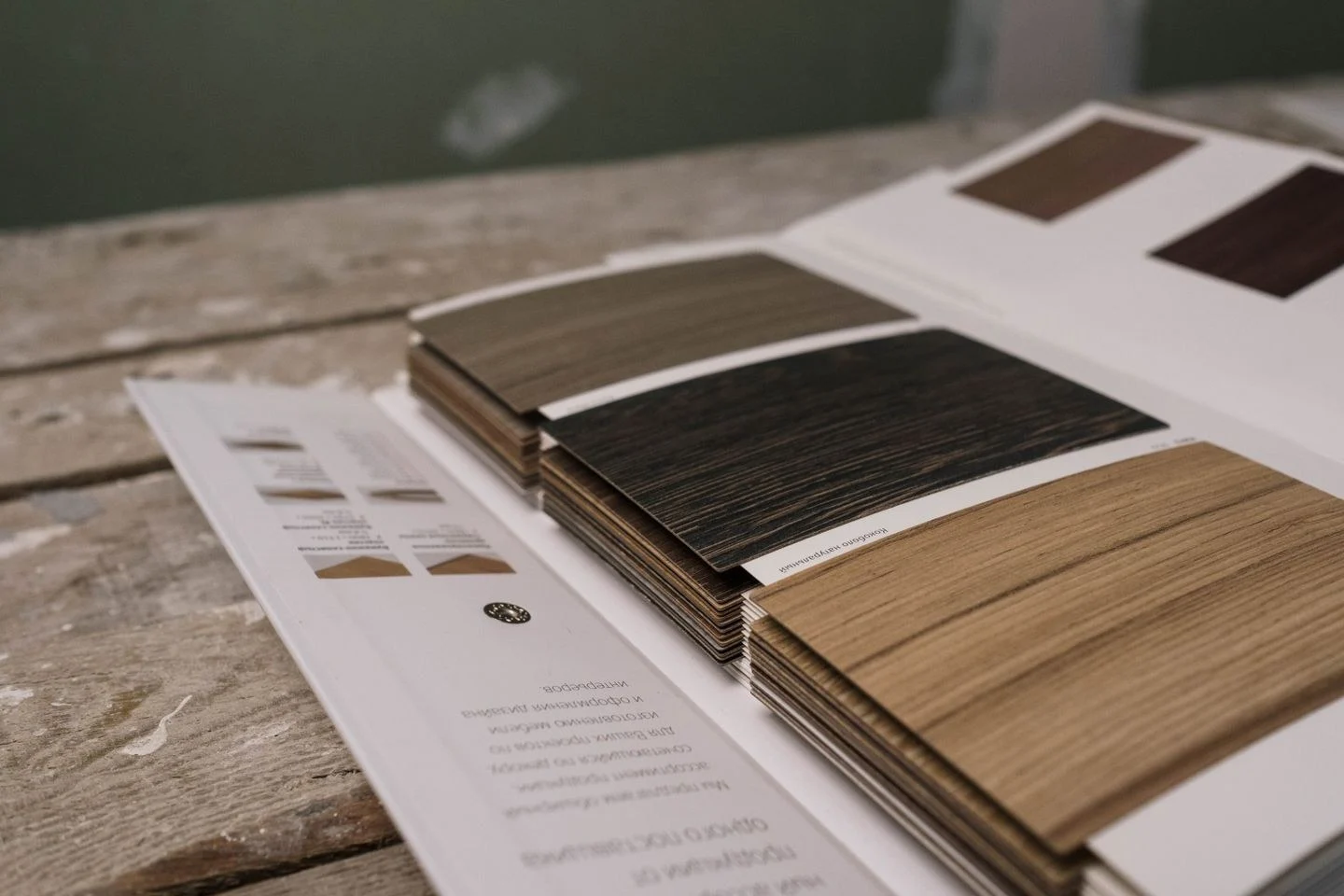
A room with two wood tones can look more settled than one assembled from imperfect matches. The useful distinction is between deliberate contrast and an almost-match that keeps drawing attention to itself. A pale oak floor and walnut table make a clear contrast; two similar brown cabinets with conflicting orange and gray finishes can be harder to reconcile.
Place samples or small pieces beside one another in the room. Compare three things separately: lightness, warmth, and grain. Two woods can differ in lightness while sharing warmth. Two similar colors can still feel quite different when one has a broad, active grain and the other is visually quiet.
Establish which wood is the background
Flooring, large built-ins, or a broad dining table may already dominate. Let that material set the main context, then use the second wood in a more limited role. Equal quantities are not required. A substantial floor can coexist with only one dark cabinet and a small repeated frame.
Repetition helps when a piece feels stranded. If a walnut chair is the only dark wood in an otherwise pale room, a walnut picture frame may connect it to another height. The repeat should be visible in the same general view; it need not be another large purchase.
Textiles can separate woods that meet awkwardly. A rug between a table and floor provides a visual interval, while an upholstered seat interrupts a row of wood dining chairs. This is often easier than searching for a stain that perfectly imitates the floor.
Compare finishes, not species names alone
Oak can be pale, smoked, stained brown, or painted. Walnut can vary in tone and include natural color differences. The species label provides some material information, but the actual finish determines much of the visual relationship. Request a sample where available and expect normal variation in real wood.
Room & Board's material guidance distinguishes wood and engineered surfaces and encourages examining samples. Use the same habit when mixing furniture: a photograph cannot reliably show sheen, texture, or the depth of a stain.
If the combination still feels unsettled, simplify the surrounding metals and patterns before replacing useful furniture. The woods may be competing with several other strong finishes. A calmer wall and one linking textile can make a mixed collection look intentional without erasing the differences that give it character.