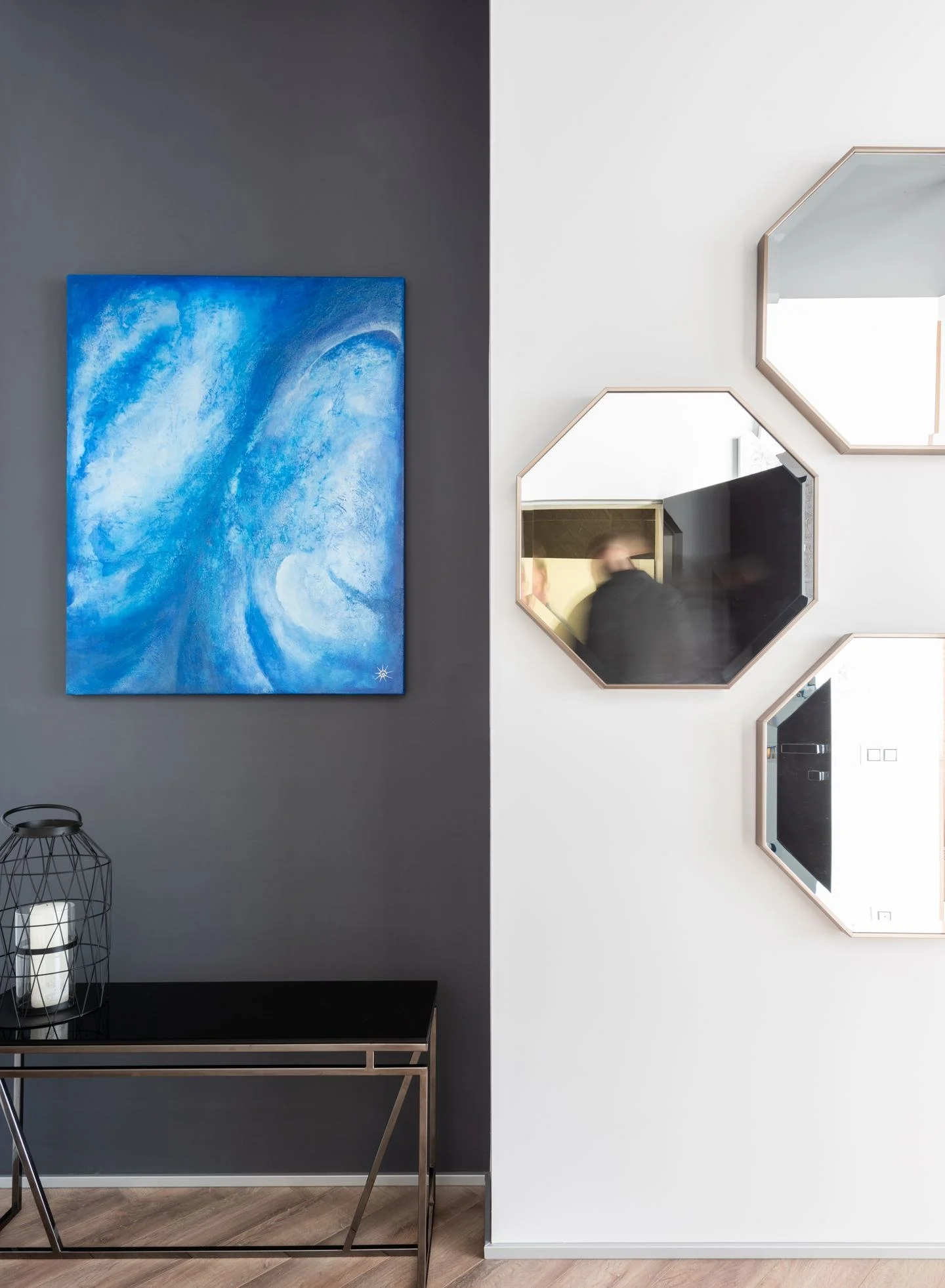
A multicolor artwork can support several possible rooms. You do not have to extract every color from it, and you do not have to match the largest area of the image. Decide first whether the art should lead the palette or sit as a lively exception within a quieter one.
If the artwork is the starting point, place it where it will hang before selecting companion colors. Its scale and frame influence the result. A small vivid print with a broad white mat contributes less color to the room than an unframed canvas covering much of a wall.
Select one useful connection
Choose a color already suited to a larger furnishing. A muted blue from the painting may become upholstery, while a warm off-white can guide the wall. The brightest yellow or red can remain entirely within the artwork. This gives the image room to retain its own complexity.
Alternatively, repeat a minor color through a small object. A green ceramic lamp may connect to a narrow green passage in the painting without turning the entire room green. Place it within the same general view so the relationship is perceptible.
Do not buy accessories solely because they match. A pillow with the correct red but the wrong texture, size, or usefulness is still a poor addition. The art provides a direction, not a shopping checklist.
Let the frame join the furnishings
A wood frame can relate to a table, a black frame to a lamp base, or a pale frame to the wall. This structural connection may be enough when the picture itself contains many colors. If the existing frame is visually strong, include it in the palette rather than treating it as invisible packaging.
Leave some quiet space around the work. Nearby shelving packed with colorful objects can dilute the focus, especially in a small room. Removing a few accessories may make the art feel more integrated because the surrounding furniture becomes easier to read.
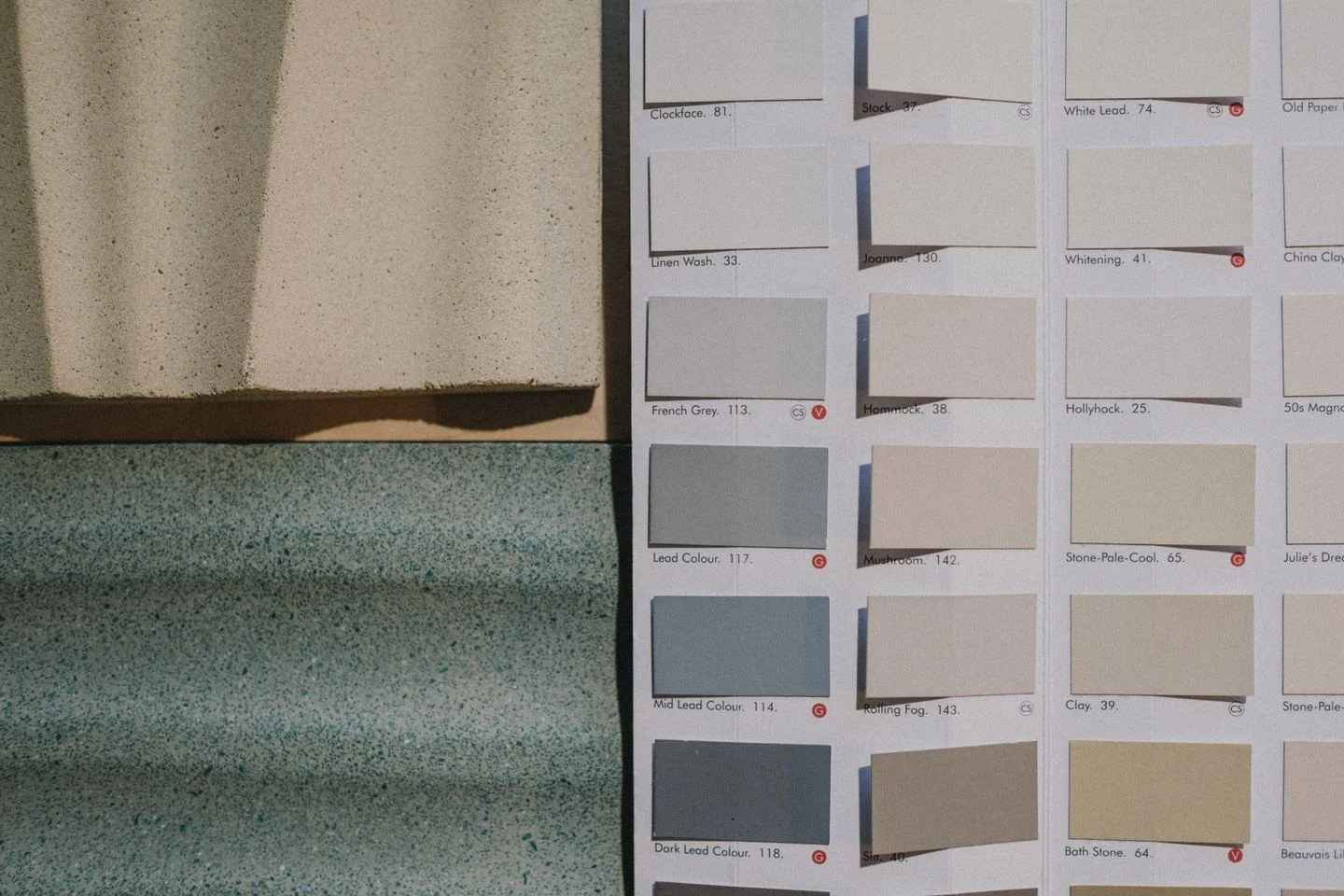
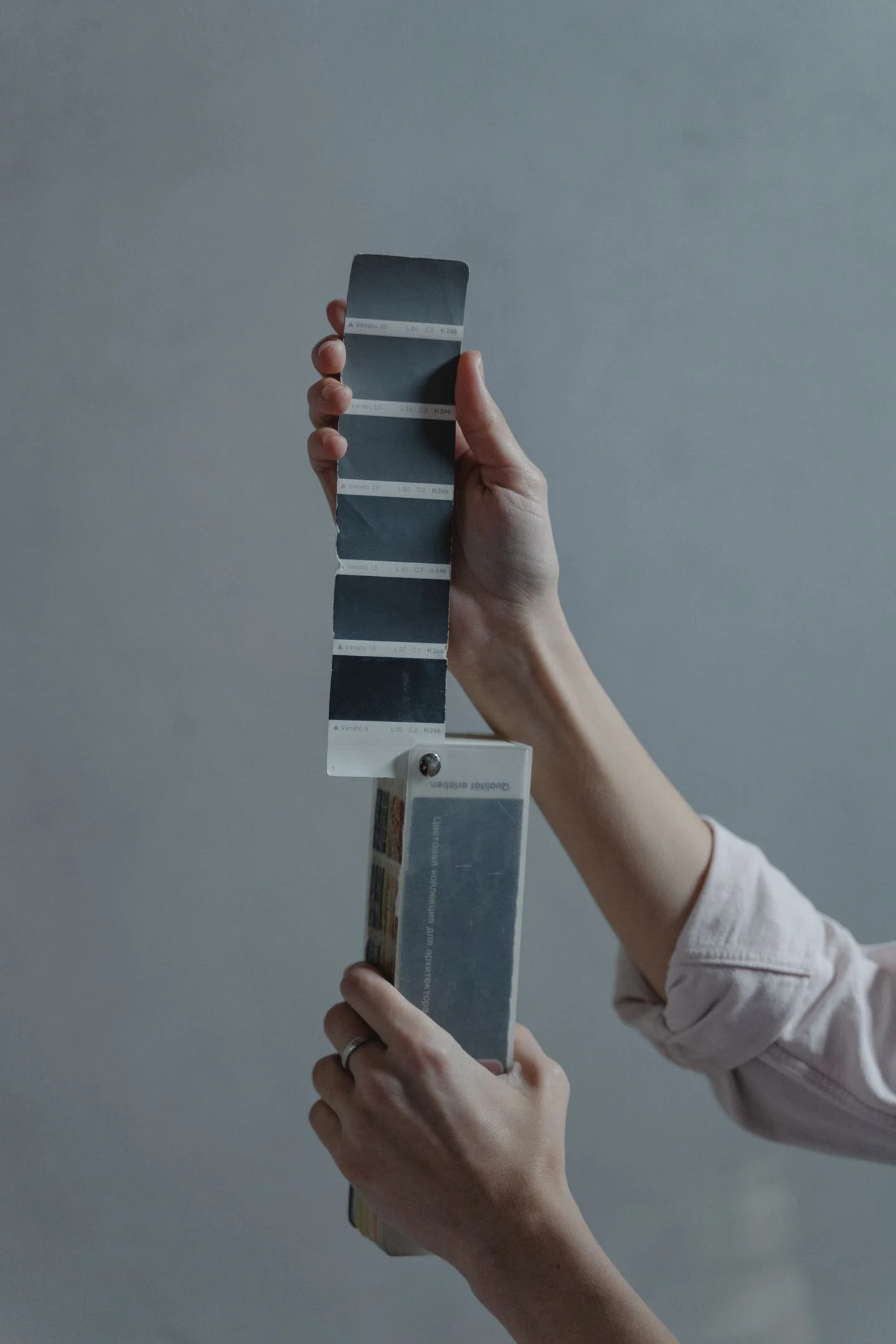
Use paint and textile samples in the room rather than sampling colors from a phone photograph of the image. Screens alter color, and printed reproductions may differ from originals. View the arrangement under the lights used in the evening, when the work may be seen most often.
The final room can be much simpler than the artwork. A restrained group of materials allows a complex image to provide energy without requiring every surface to echo it. That restraint also leaves room for future art that you like for its subject or form, rather than because it matches the sofa.