A single red object can change the center of attention in a room. That is why red often feels easier to introduce through one deliberate piece than through many scattered accessories. Before choosing a shade, decide where you want the eye to land.
In a largely cream living room, a red reading chair can identify a separate corner. On an open shelf, a red vessel can punctuate a quiet arrangement. A red lampshade adds color at eye level and changes its appearance when illuminated. These are different effects, even if the reds match perfectly.
Choose the kind of red
Tomato, brick, burgundy, and oxblood are not interchangeable. A bright orange-red brings a sharper contrast to cool gray. A brown-red can sit more quietly with oak and woven materials. A blue-leaning burgundy may feel closely related to charcoal or plum already in the room.
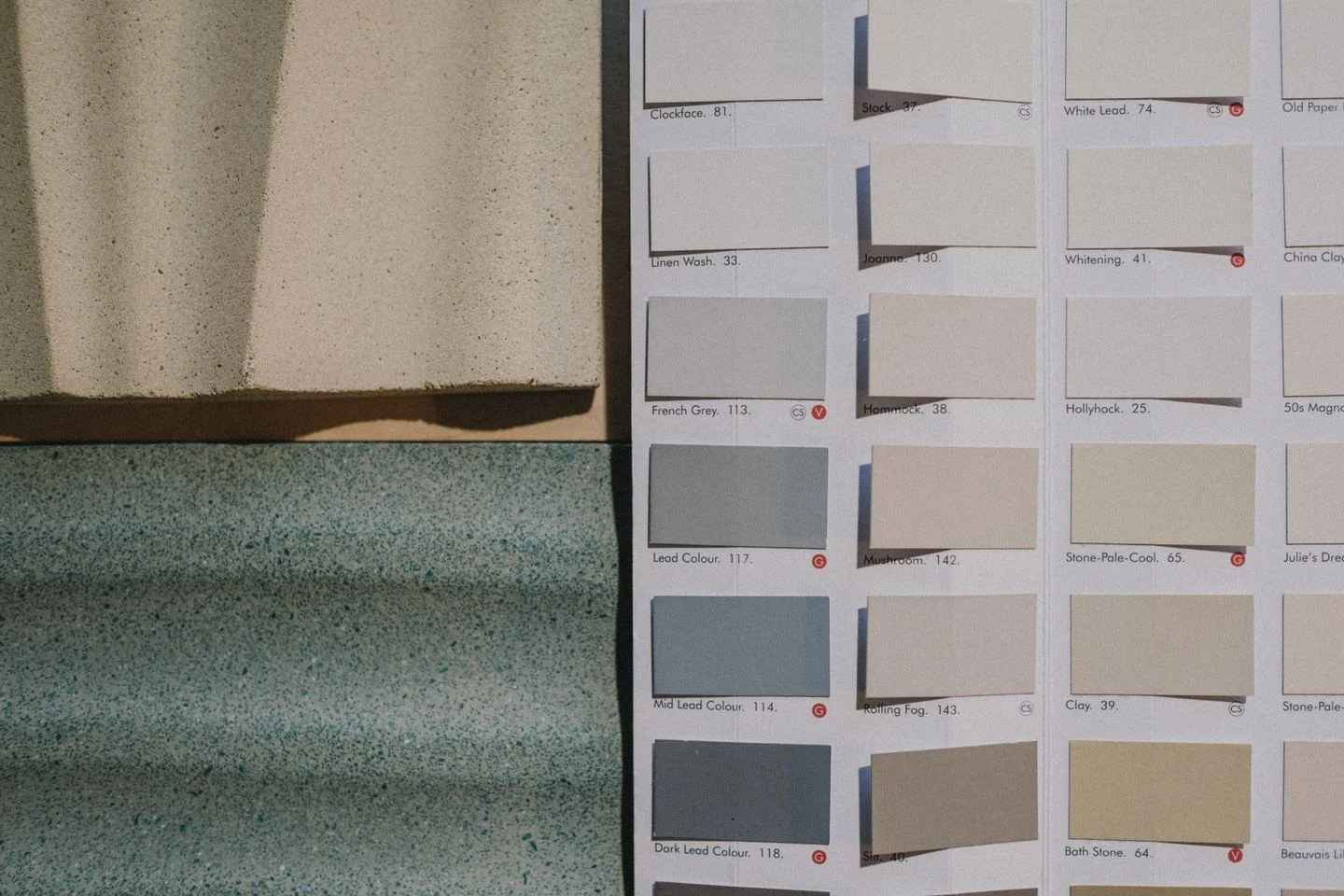
Try an actual fabric or object against the sofa and flooring. If you are considering a painted table, sample the finish rather than relying on the color name. The surrounding neutrals matter: a yellowish cream can make one red feel warmer, while a cool white may emphasize its edge.
Give it a useful job
A red stool that provides occasional seating has a reason to remain in the room after the first novelty wears off. A throw that is used on the sofa does, too. Choosing a functional object can keep the accent from becoming an arrangement that must be carefully restored every evening.
Start with one piece and leave it for several days. If the room feels balanced, there is no obligation to add two more red items to satisfy a decorating formula. If it feels isolated, repeat a much smaller amount in a print or textile. The second appearance can be less saturated and still make the connection.
Watch where red falls in the main sightline. A strong accent directly beside the television may compete with it. A red piece visible through a doorway may help connect two rooms. Placement can matter more than quantity.
For a temporary test, drape a fabric sample or suitable red textile over the proposed location. View it from the entrance and the main seat. This will not reproduce the finished object's shape, but it will show whether the color belongs at that scale. Buy only after the accent has a place in the room, rather than expecting the room to organize itself around an unplanned purchase.