Textiles are a flexible way to introduce pattern because their coverage can vary from a single cushion to most of a floor. Choose the location with the most useful job first. A rug can gather a seating group; curtains can give a plain window wall character; a throw can change the appearance of a solid sofa without dominating the room.
Before shopping, list the patterns already present. Wood grain, tile joints, cane furniture, and a collection of book spines all contribute visual repetition. A room described as plain may be less empty than it seems.
Settle the largest textile
If you need both a rug and curtains, choose the one that will carry the main pattern. The other can be solid, textured, or more subdued. Ordering two strong prints independently makes the eventual combination unnecessarily difficult.
For a patterned rug, consider a plain curtain that repeats its background color. For patterned curtains, let the sofa or bedding provide a broad quiet area. You can add a smaller print later if the room still needs it, but there is no obligation to complete a trio of patterns.
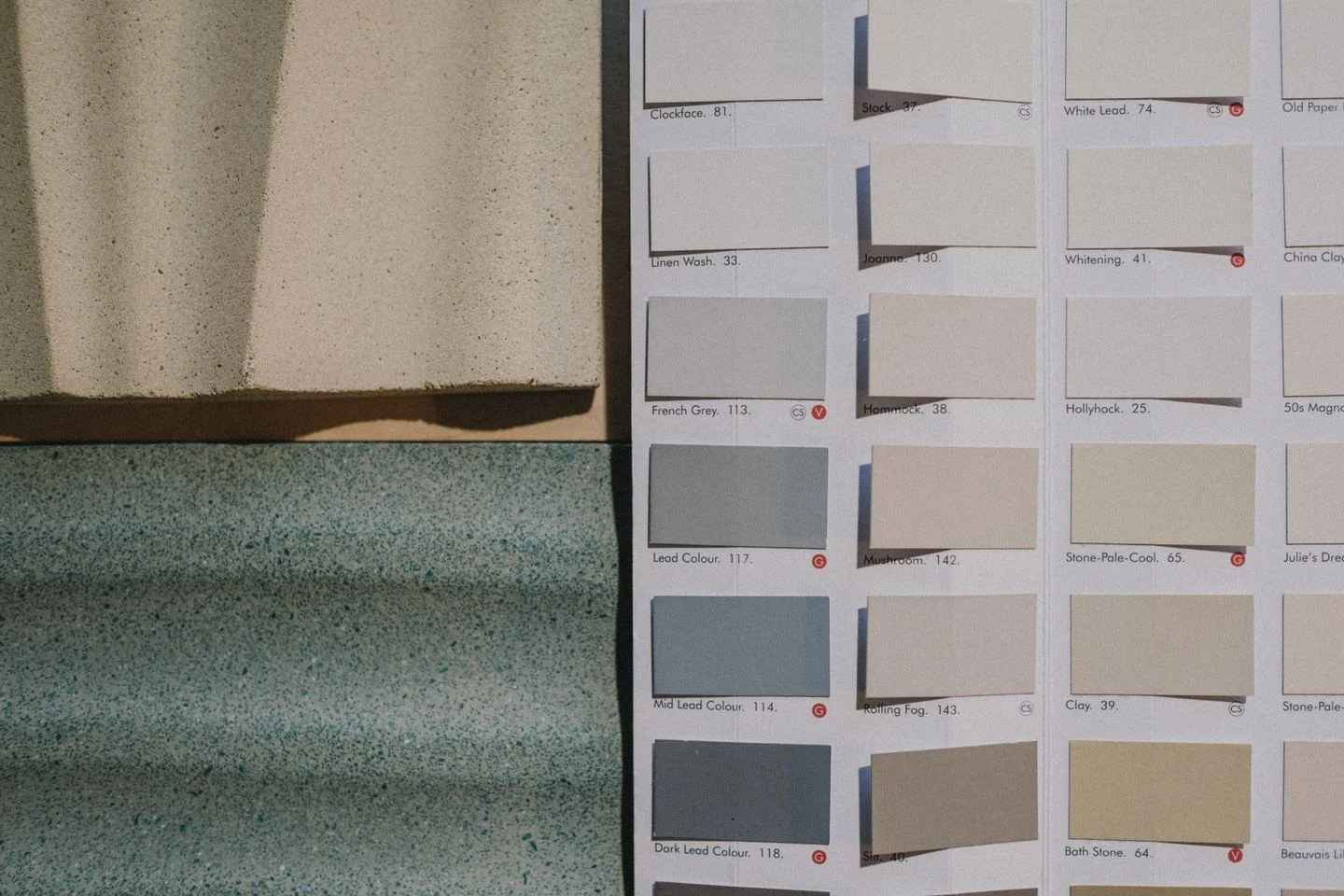
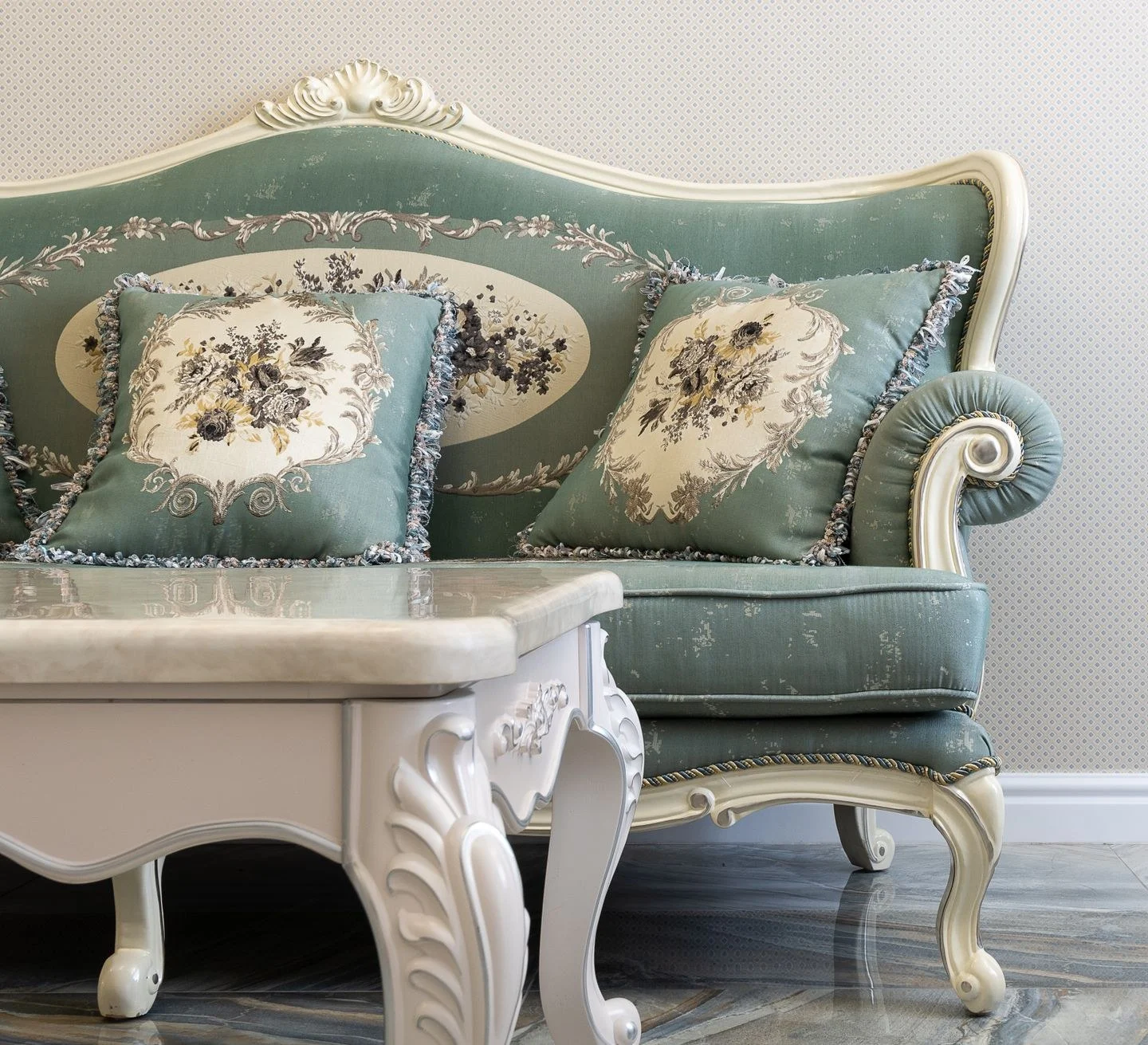
Look at full repeats rather than tiny swatches. A large floral may reveal only one leaf on a sample, and a stripe can change character when gathered into folds. Ask how the print will be positioned on a cushion or upholstered piece if a specific motif matters.
Test everyday arrangements
A throw looks different draped loosely than folded in a product photograph. Pillows may cover part of a sofa pattern. Curtains often spend the day open, showing less design than they do at night. Judge the textiles in the positions they will actually occupy.
Use contrast as well as scale to control the mix. A large, low-contrast pattern can be quieter than a small black-and-white motif. Crate & Barrel's advice to vary pattern scale is a helpful starting point, but the overall activity of each fabric determines how the room feels.
Keep care requirements in the decision. A delicate textile placed where it will be handled constantly may become a maintenance problem regardless of how well it matches. Choose the fabric and cleaning method for its use, then approve the pattern. The room should remain enjoyable when the textiles are being used, not only when they are arranged for a photograph.