A new shade can change an existing lamp substantially, but shape and color are only part of the choice. The shade must attach correctly, preserve the lamp's required clearances, and suit the light you need. Bring the lamp's measurements and fitting information into the decision from the beginning.
Identify the fitting first
Examine how the current shade connects. Different lamps use different systems, and a shade that appears the right size may not fit the support. Check the lamp and shade specifications or ask the supplier to confirm compatibility. Do not improvise a connection or alter the electrical parts to make a decorative choice work.
Record the old shade's top width, bottom width, and height. Also note where its lower edge sits relative to the socket and base. If the old shade worked well, these dimensions provide a useful reference even if you want a different shape.
Lamps Plus's shade guide discusses proportions and fitting types. Use such guidance to narrow the options, while treating the lamp manufacturer's requirements as the controlling limits for the particular lamp.
Compare the silhouette in its location
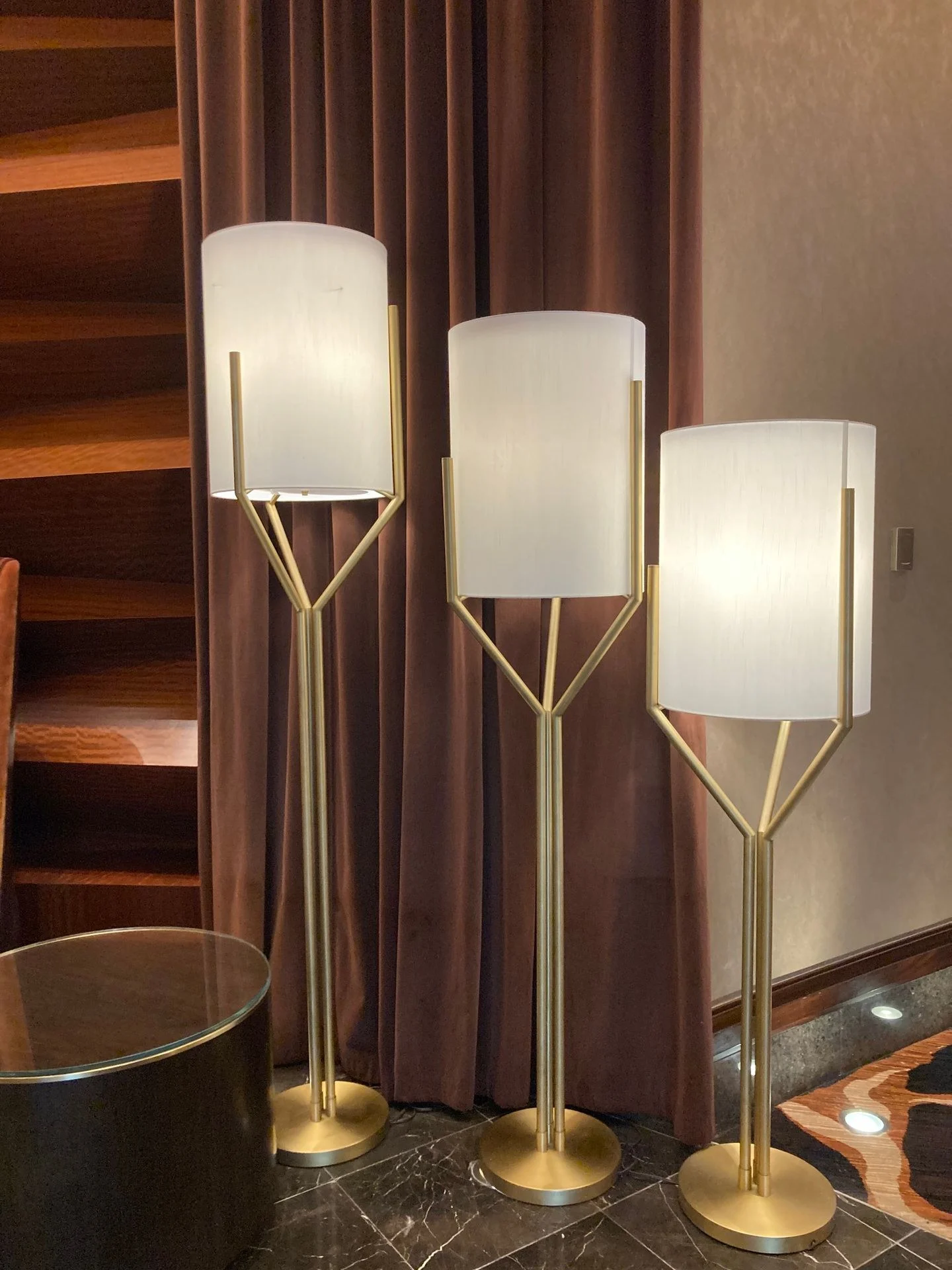
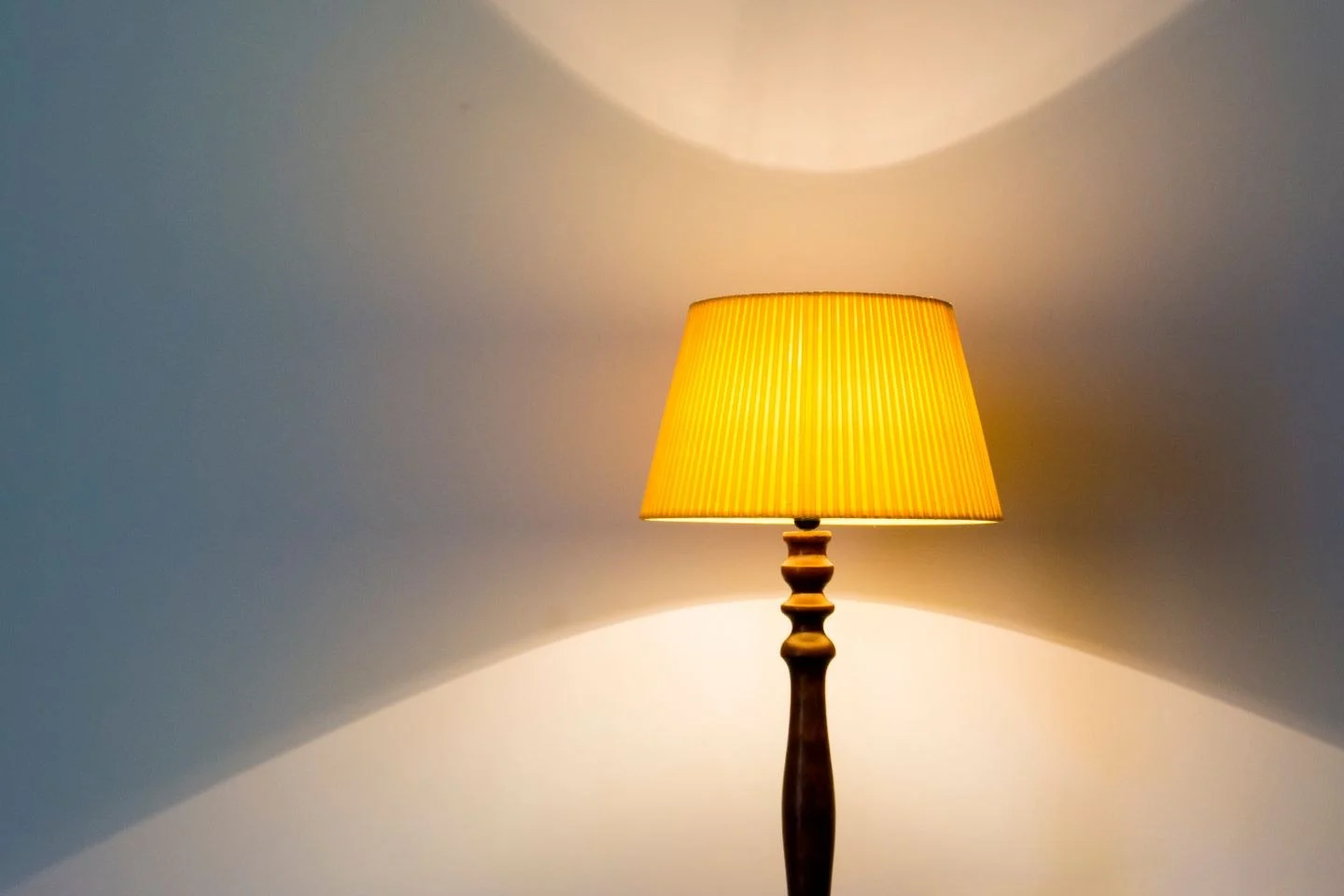
A broad drum shade can emphasize the width of a narrow base. A tapered shade can make a substantial base feel less top-heavy. A rectangular shade may suit a narrow console, but its corners and orientation need enough room. There is no single proportion that works for every lamp and setting.
View the combination from the room's main seat. If the shade is too high, the bulb may be visible beneath it. If it is too low or broad, it may obscure a decorative base or collide with nearby objects. The correct appearance is the assembled lamp in the room, not the shade alone on a shelf.
Test the light, not just the fabric
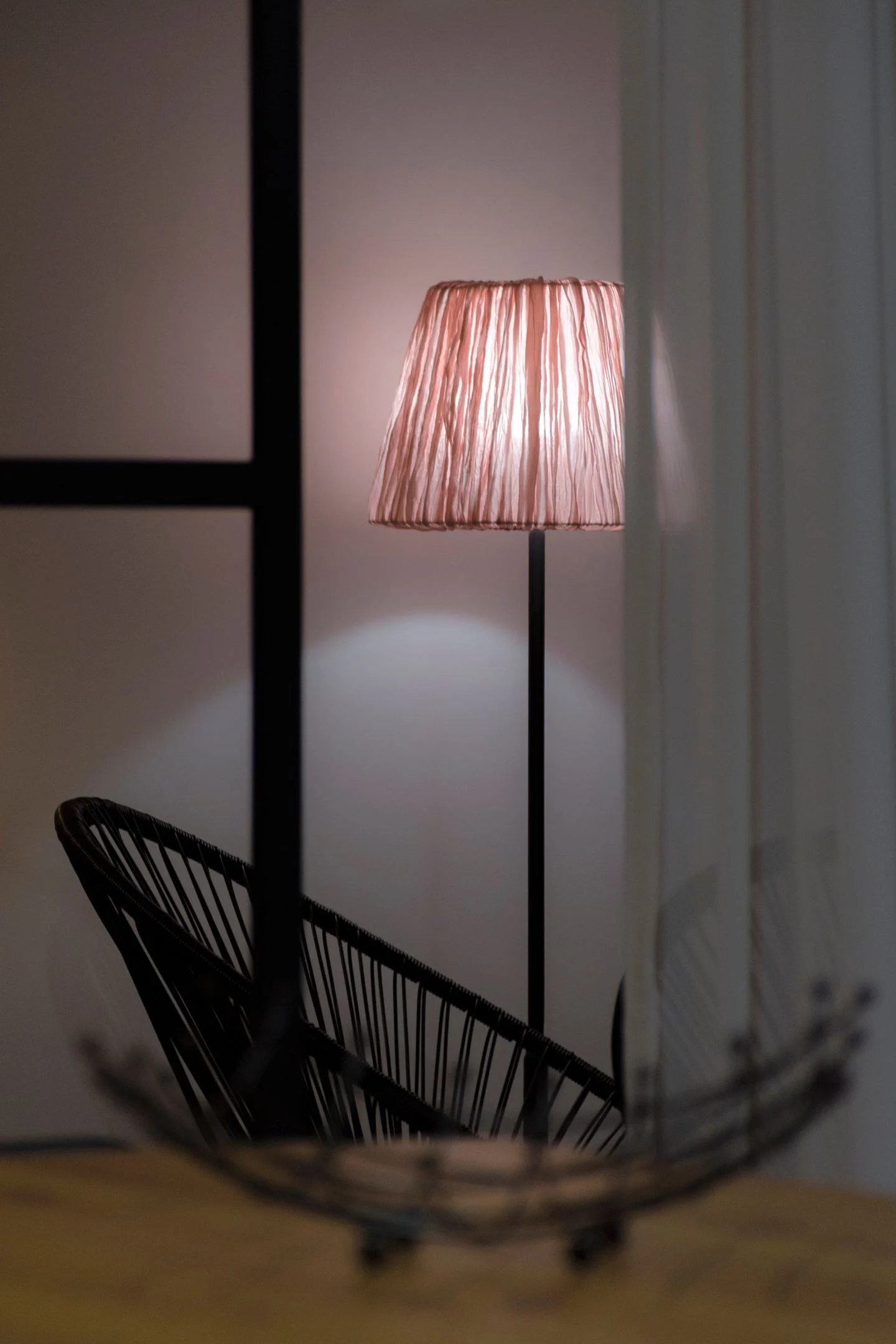
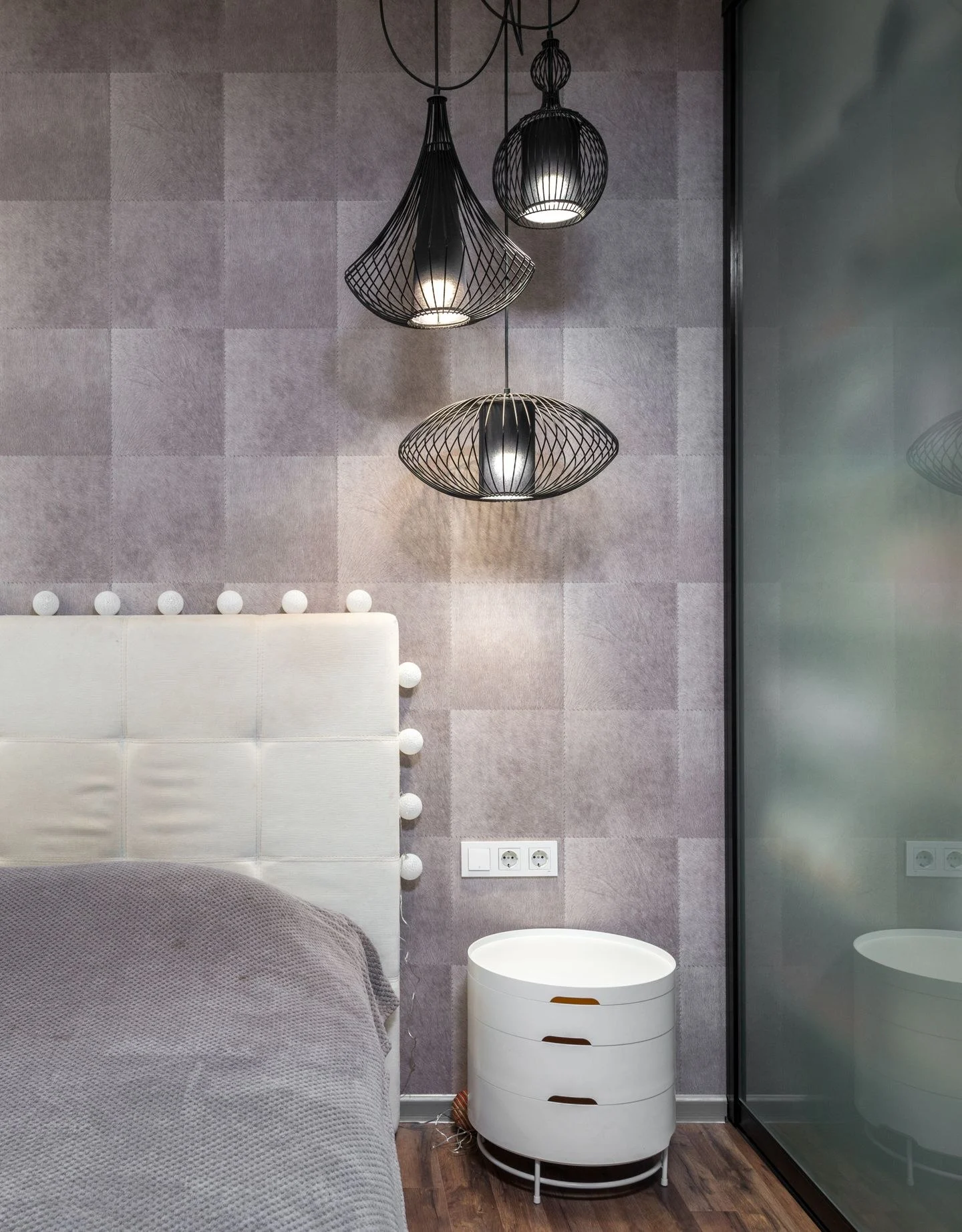
A pale translucent shade spreads light through its sides. An opaque shade directs more of the visible light through its openings. A colored lining or fabric may alter the appearance of the light and nearby wall. Look at the shade illuminated whenever possible.
For reading, check that useful light reaches the page without a bright source in the eyes. For a cabinet lamp intended mainly as ambient light, a softer glow may matter more than a focused pool. The same attractive shade may not suit both jobs.
Confirm the permitted bulb type, wattage, and clearances with the product instructions. A lower-energy bulb does not make every shade size or material suitable. Keep the shade clean according to its care guidance and replace damaged parts appropriately.
Finally, measure the lamp's total footprint with the new shade. A shade can project well beyond a base that fits comfortably on a table. Ensure it will not be bumped by a curtain, doorway, or person passing. A successful replacement improves the lamp's appearance while preserving the way it safely and usefully lights the room.