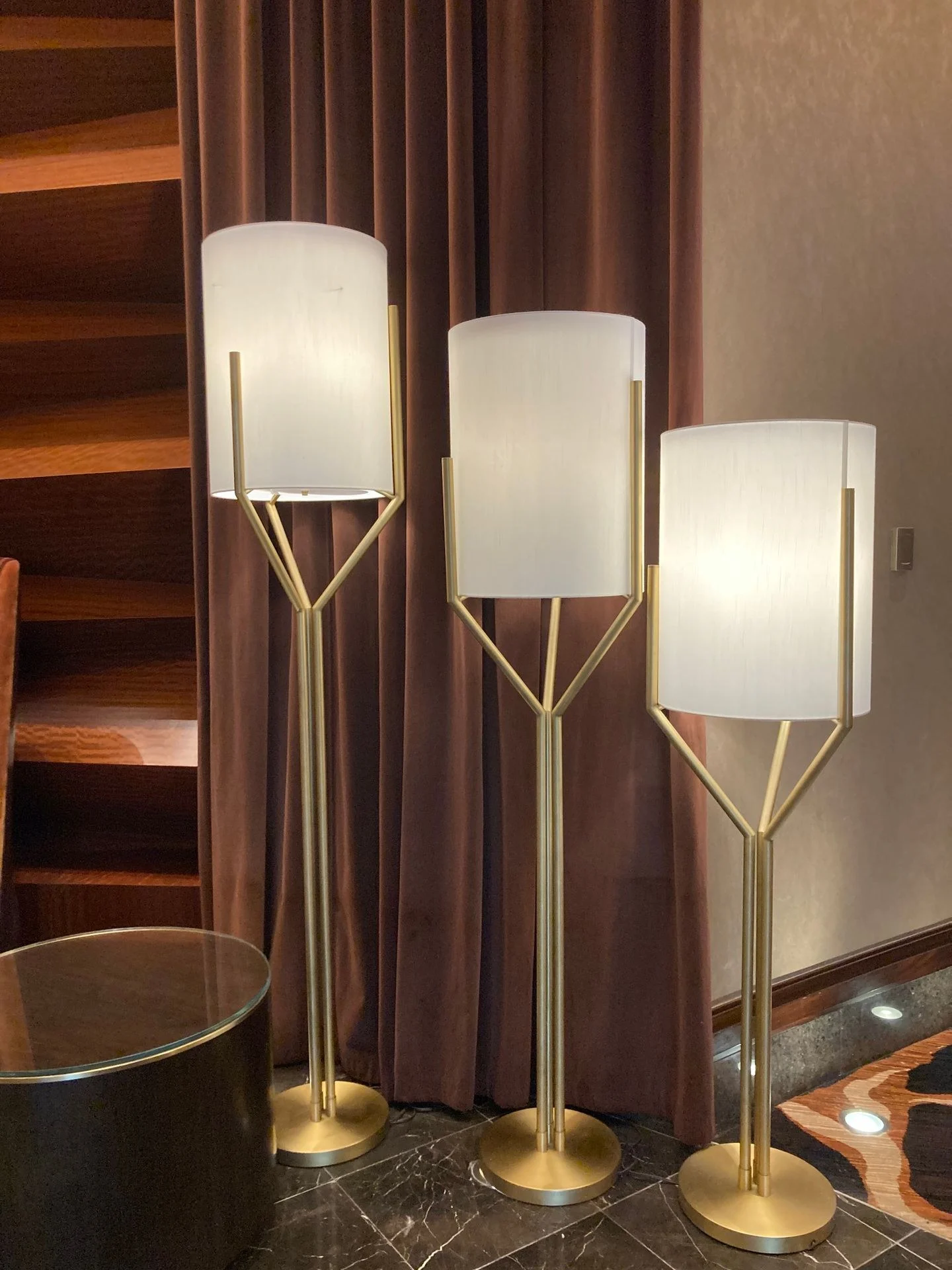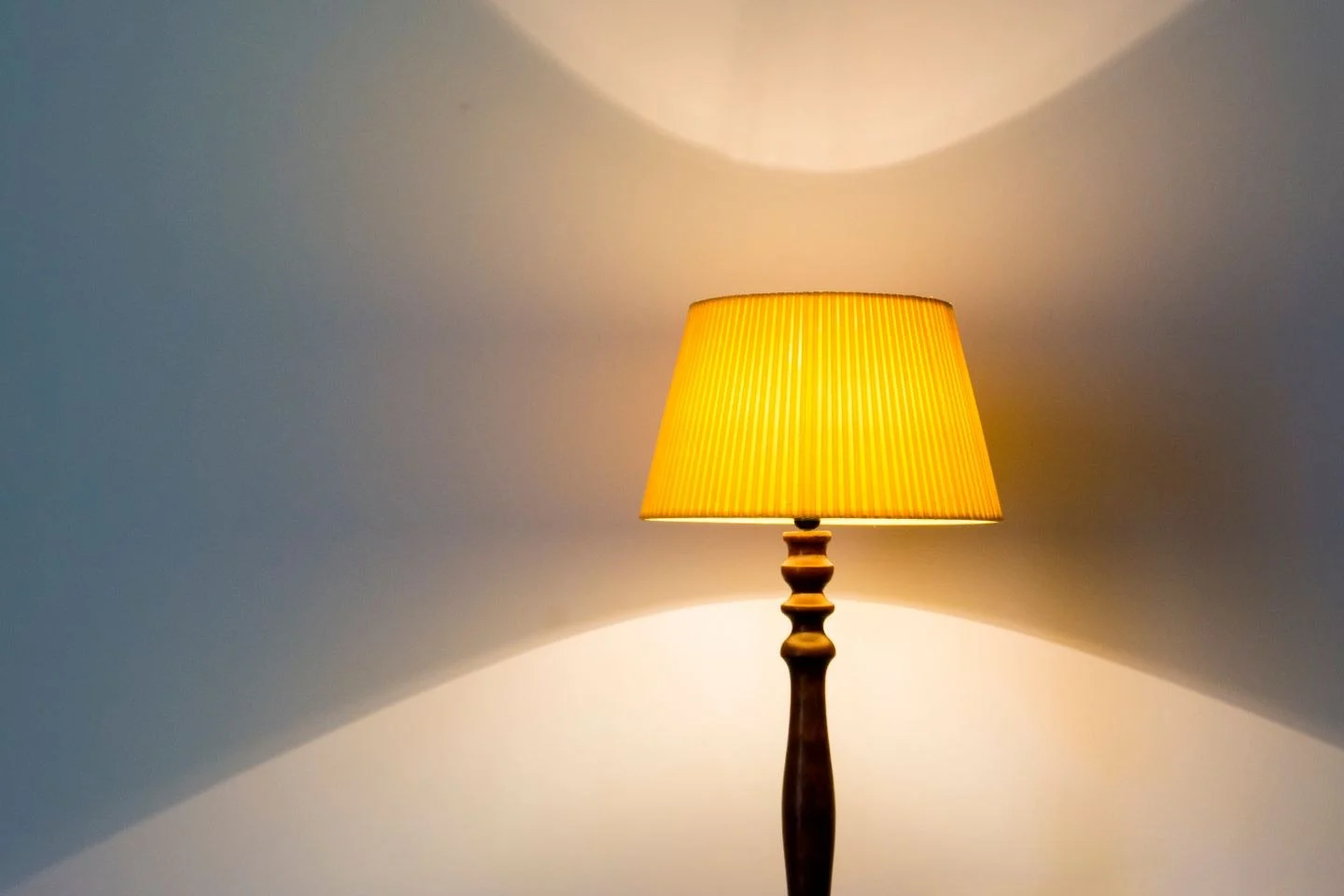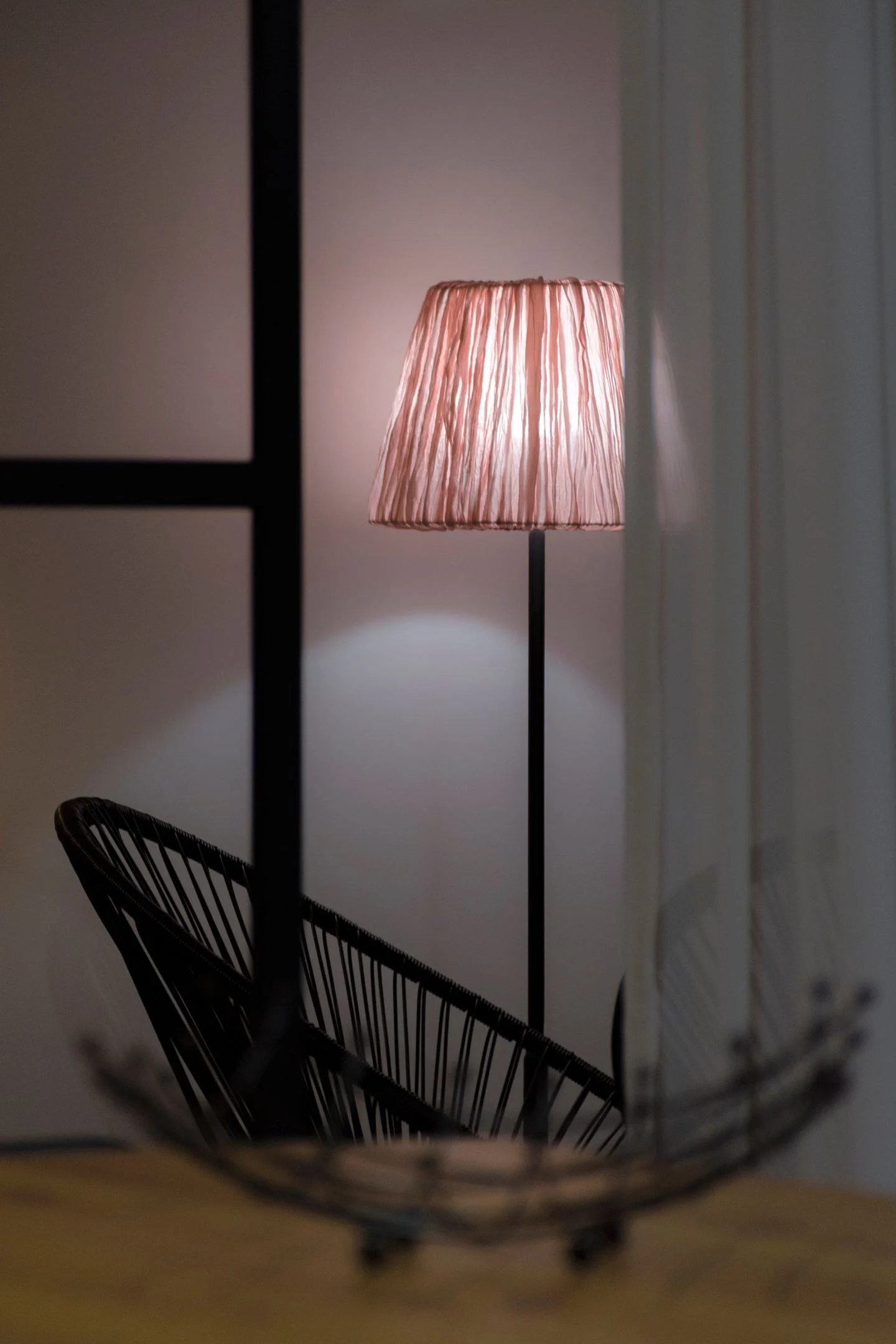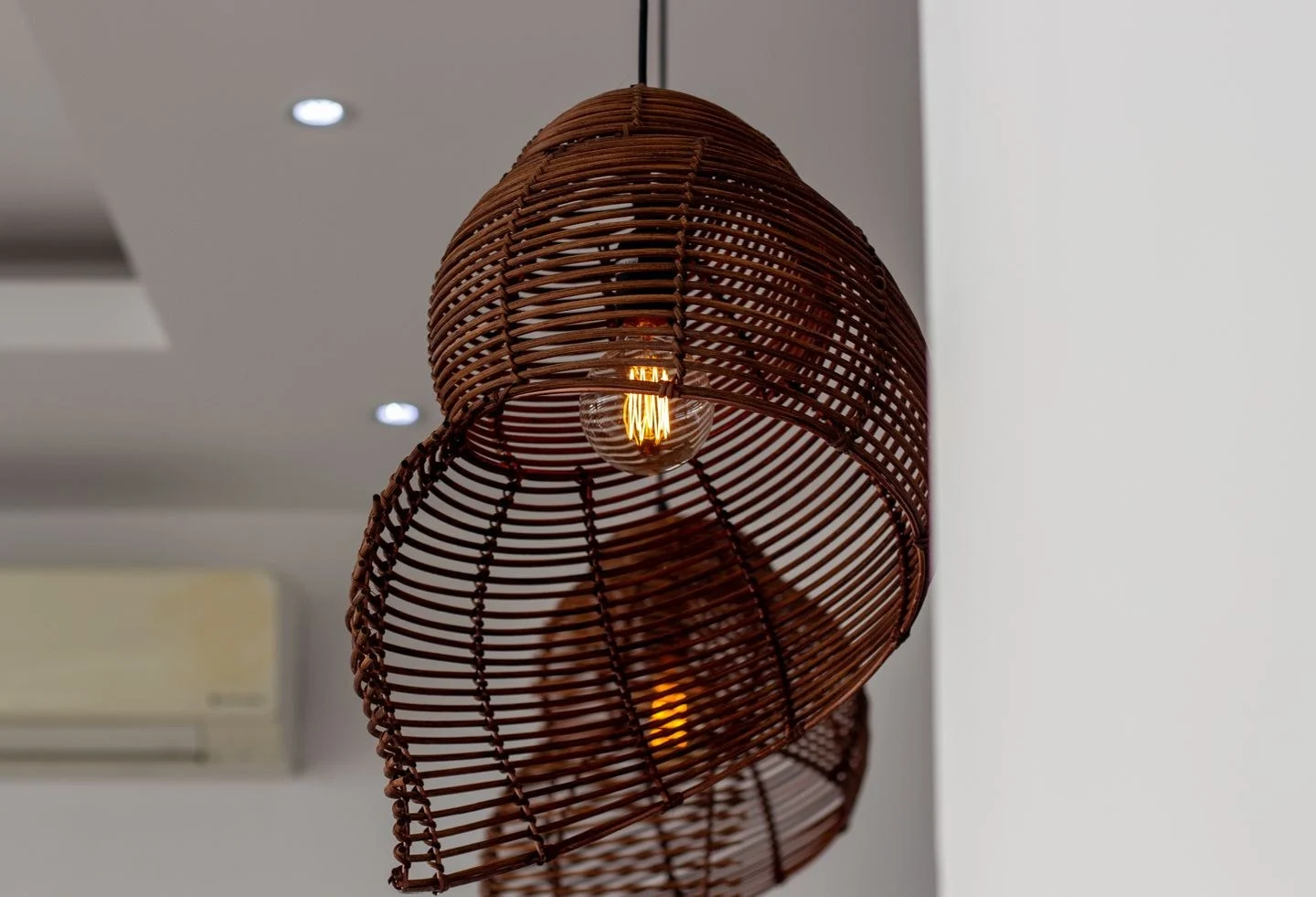
Warm and cool describe the appearance of light, not how much light reaches the room. A warm bulb can be bright, and a cool bulb can be dim. Separating those two decisions makes it easier to improve an evening room without buying a succession of bulbs that solve the wrong problem.
Color temperature is expressed in kelvin. Lower values generally appear warmer and more yellow; higher values appear cooler and more blue-white. Lutron's lighting guidance explains that this describes color appearance, while the behavior during dimming depends on the particular light source.
Test one lighting group at a time
Begin with lamps seen together in the main seating area. If one is noticeably cool and another very warm, the contrast can make otherwise compatible fabrics look unrelated. Try a more consistent color temperature before changing the paint or upholstery.
Use the actual shade during the test. Cream fabric, colored glass, and an opaque metal shade change how the light appears and where it goes. A bulb judged bare in a store is not the same visual experience as that bulb inside your lamp.
Choose for the activity and preference
For a room used mainly for conversation and relaxing, many people prefer a warmer appearance. Tasks involving detailed color judgment may need a different approach. There is no requirement that every room use one temperature, but spaces visible together should be considered as a group.
If the room feels dim, check light output and distribution rather than simply choosing a cooler bulb. A better-positioned task lamp or a more suitable shade may help more than a change in color temperature. Stay within the fixture's permitted bulb types and limits.
Some dimmable LEDs retain their nominal color temperature as they dim; others are designed to become warmer. Do not assume dimming alone will create a candlelike appearance. Read the product specifications and confirm control compatibility.
After selecting a combination, look at the room's important surfaces: walls, wood, upholstery, and artwork. Keep the arrangement that gives the useful brightness and color appearance you enjoy. Lighting is part of the room's palette, so approve it under the conditions in which the room will be used rather than from packaging terms alone.