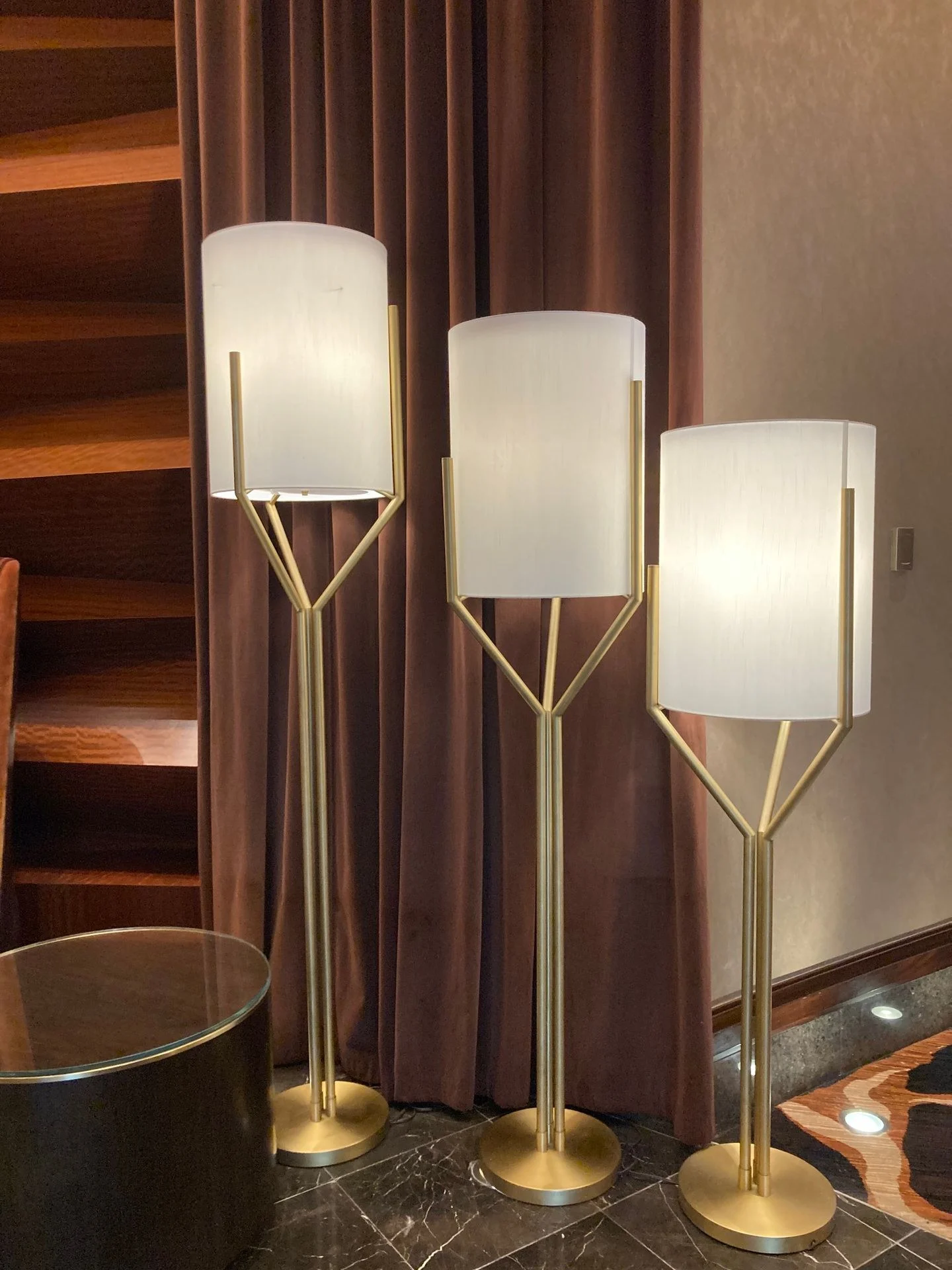
An open-plan room may contain a bright kitchen, a dining table, and a quieter seating area within one view. After dinner, leaving every light on can make the room feel unsettled. Switching almost everything off can leave awkward dark routes. A useful evening routine changes the balance while keeping the room easy to use.
Start with the activities that happen in sequence: cooking, eating, clearing up, reading, watching television, and moving toward bedrooms or an exit. Note which lights each activity actually requires. This reveals whether the existing controls support the household or force a whole-room setting for a small task.
Build a comfortable base
Keep enough suitable light for movement between zones. A decorative lamp in the far corner may not illuminate the route past dining chairs or changes in level. Check the room from walking positions, not only from the sofa. The plan should work for the people who use it.
Then add task light where it is needed. Someone reading should not depend entirely on the glow from the kitchen. Someone clearing dishes should not have to work in a dark sink area simply because another person is watching television. Separate useful sources allow those activities to coexist.
Look for reflections from the seating area. Bright kitchen fittings may appear in a television screen or a dark window. The solution may be a different combination of existing lights rather than a new fixture. Test one change at a time so you can identify which source is causing the distraction.
Keep the controls understandable
If compatible dimming is already installed, identify settings that remain useful rather than making every source as low as possible. If you are planning new controls, discuss lamp, driver, and dimmer compatibility with a qualified professional. Different products do not necessarily dim in the same way.
An ordinary sequence of switches may be sufficient. A connected control system can add convenience, but it should not make basic lighting difficult when an app or network is unavailable. Consider how guests and other household members will operate the room.
Try the routine for several evenings and notice where people still reach for an extra light. That response is useful feedback. Adjust the combination around real activities instead of preserving a mood that leaves a task uncomfortable.
The finished routine should feel easy to repeat: the active zone has the light it needs, the background remains comfortable, and movement between spaces is clear. Open-plan lighting works well when its different parts can cooperate without being equally bright all the time.