A guest room can store seasonal clothing or household supplies and still welcome visitors. The distinction is between storage that remains quietly in place and storage that makes guests feel as if they are sleeping in a room borrowed from your belongings.
Reserve a small, complete guest zone
Give visitors a clear bedside surface, a place for a suitcase, and somewhere to hang or fold a few clothes. Those spaces do not need to be large, but they should be genuinely empty when guests arrive. A drawer labeled for guests is not useful if it still contains wrapping paper.
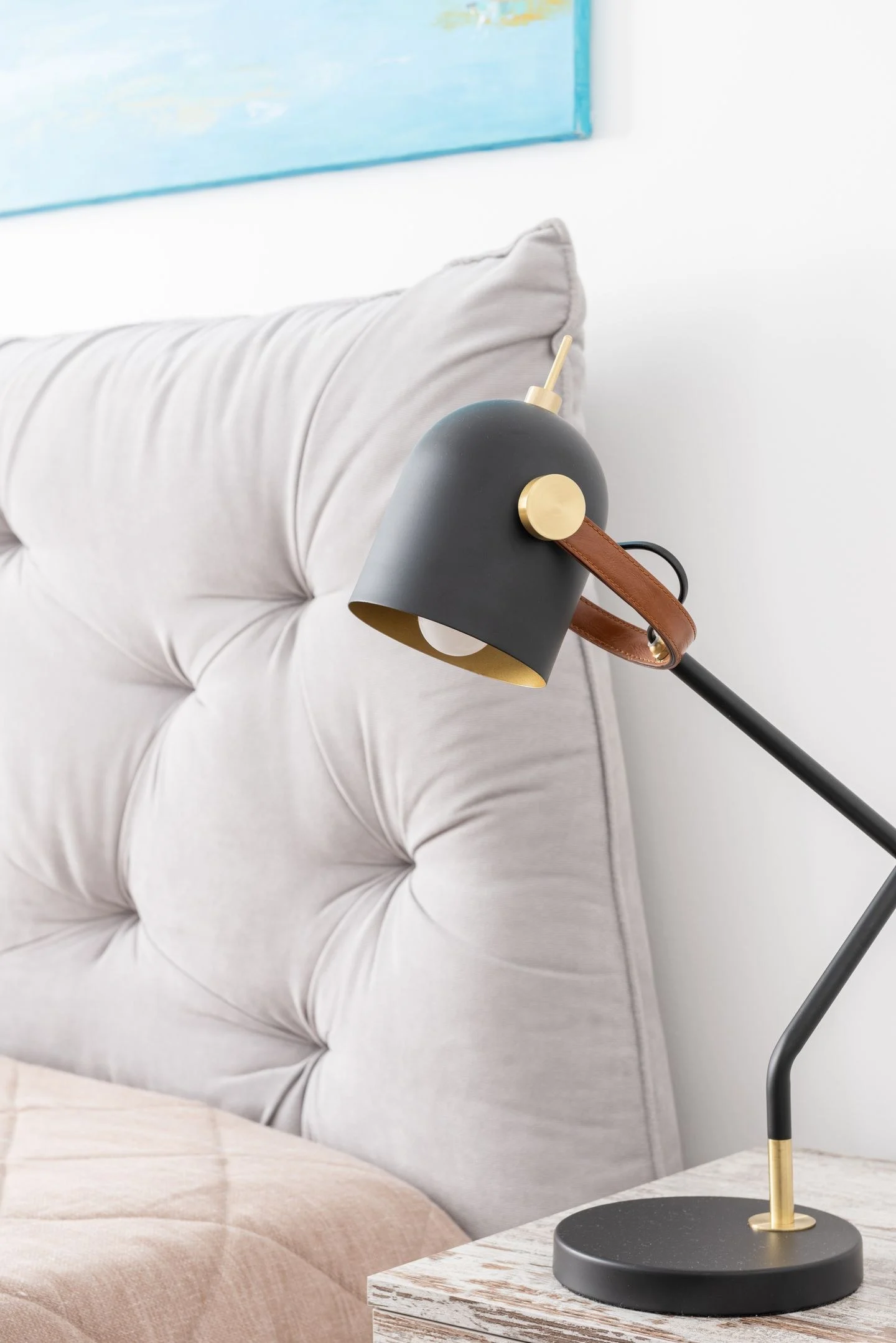
Try the room from a visitor's perspective. Can a suitcase open without blocking the door? Is the bedside lamp easy to switch off from bed? Can the closet be reached without moving a storage bin? Address these actions before adding decorative pillows or a welcome tray.
Put household storage behind a clear boundary
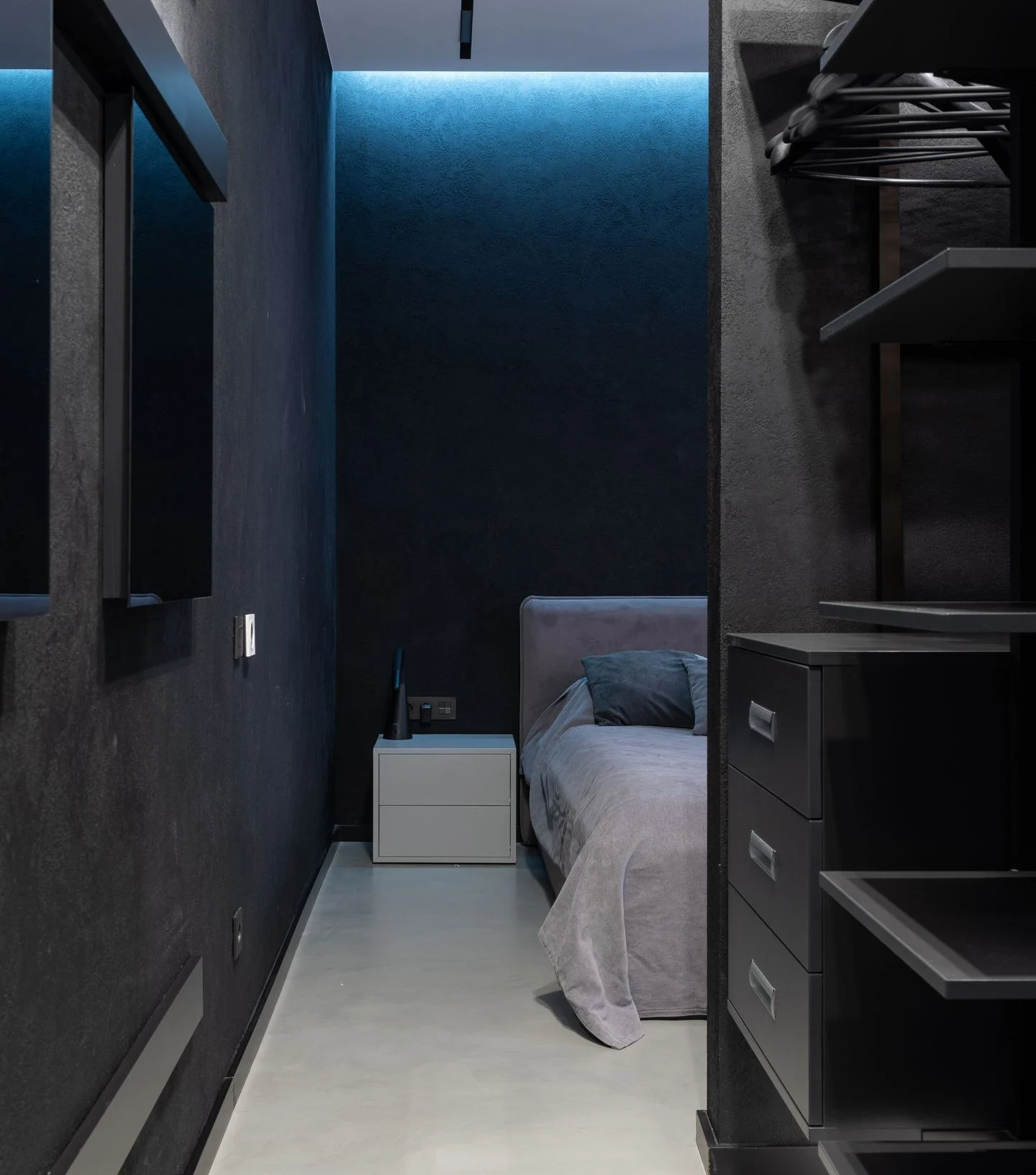
Use one section of the closet or one closed cabinet for your own items. Store occasional supplies there rather than things you must retrieve repeatedly while guests are sleeping. If a daily household function cannot move, explain access arrangements beforehand and choose a layout that minimizes intrusion.
Under-bed storage can hold seasonal items when the bed is designed to accommodate it. Measure the containers with lids and handles, and make sure they can be removed without dismantling the room. Avoid storing objects that produce odors, leak, or require conditions the bedroom cannot provide.
A full-height cabinet may use wall space efficiently, but it must be installed and secured according to its instructions. CPSC recommends anchoring furniture to address tip-over hazards. Do not treat a guest room as exempt because children only visit occasionally.
Keep the bed easy to prepare
Store the guest bedding together in a dry, suitable place. A spare blanket should be accessible without opening the household-storage section. Choose bedding you can wash and dry within your normal routine, following the care labels.
Leave the floor route from the bed to the door unobstructed. Decorative stools, baskets, and trunks can fill an empty room attractively but become obstacles when a guest's luggage arrives. A luggage rack or suitable bench may be more useful than several small accessories.
Make the dual purpose visually quiet
Closed storage can help the room feel settled, but matching every container is unnecessary. A consistent cabinet finish and restrained bedding can create enough unity. If open shelves remain, keep the visible contents orderly and leave some space for a visitor's book or personal item.
After guests leave, restore their empty zone rather than immediately refilling it. That makes the next visit easier to prepare for and keeps the room ready for its other uses. A successful shared-storage guest room does not conceal that the house is lived in; it simply makes room for another person without requiring a major clear-out each time.