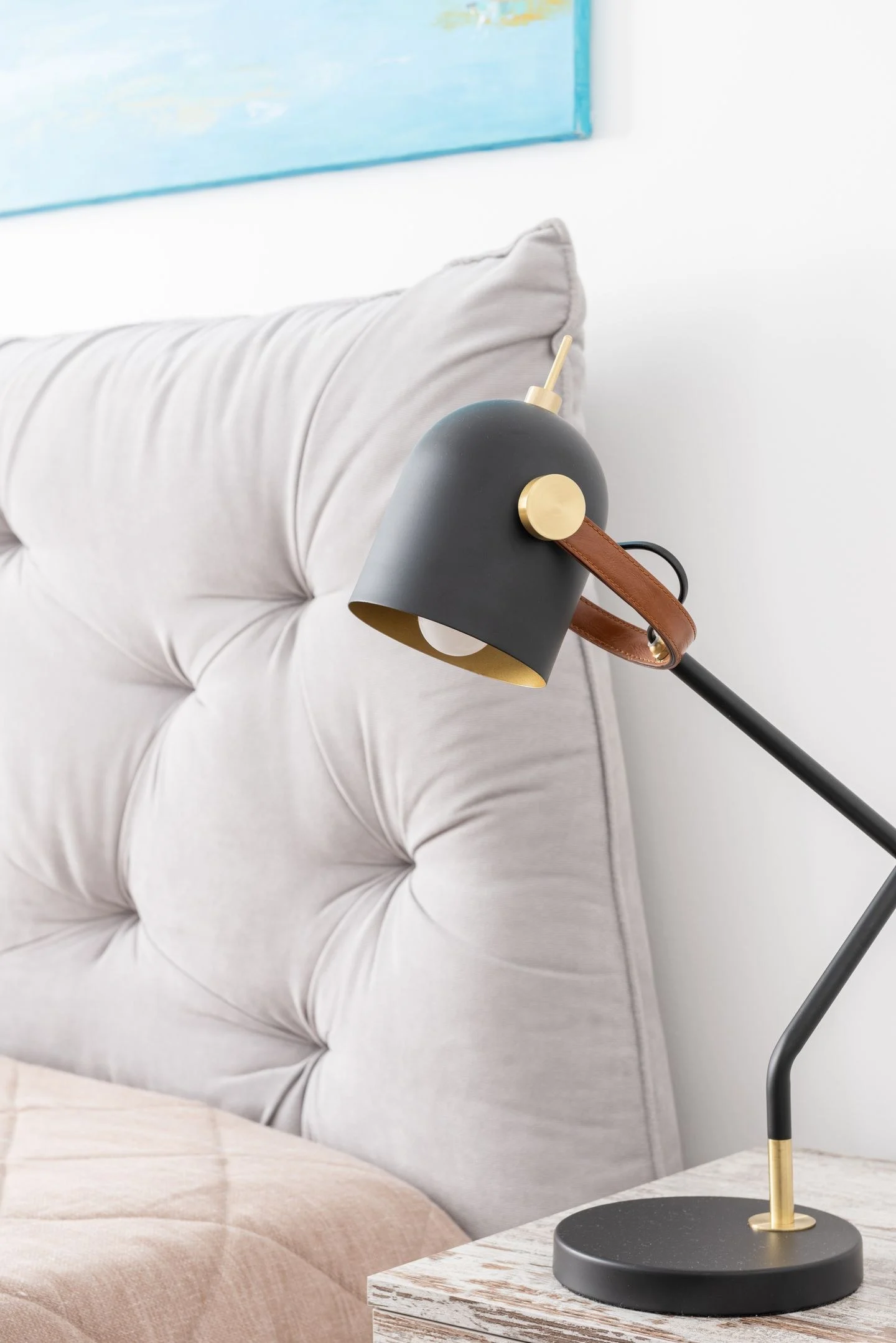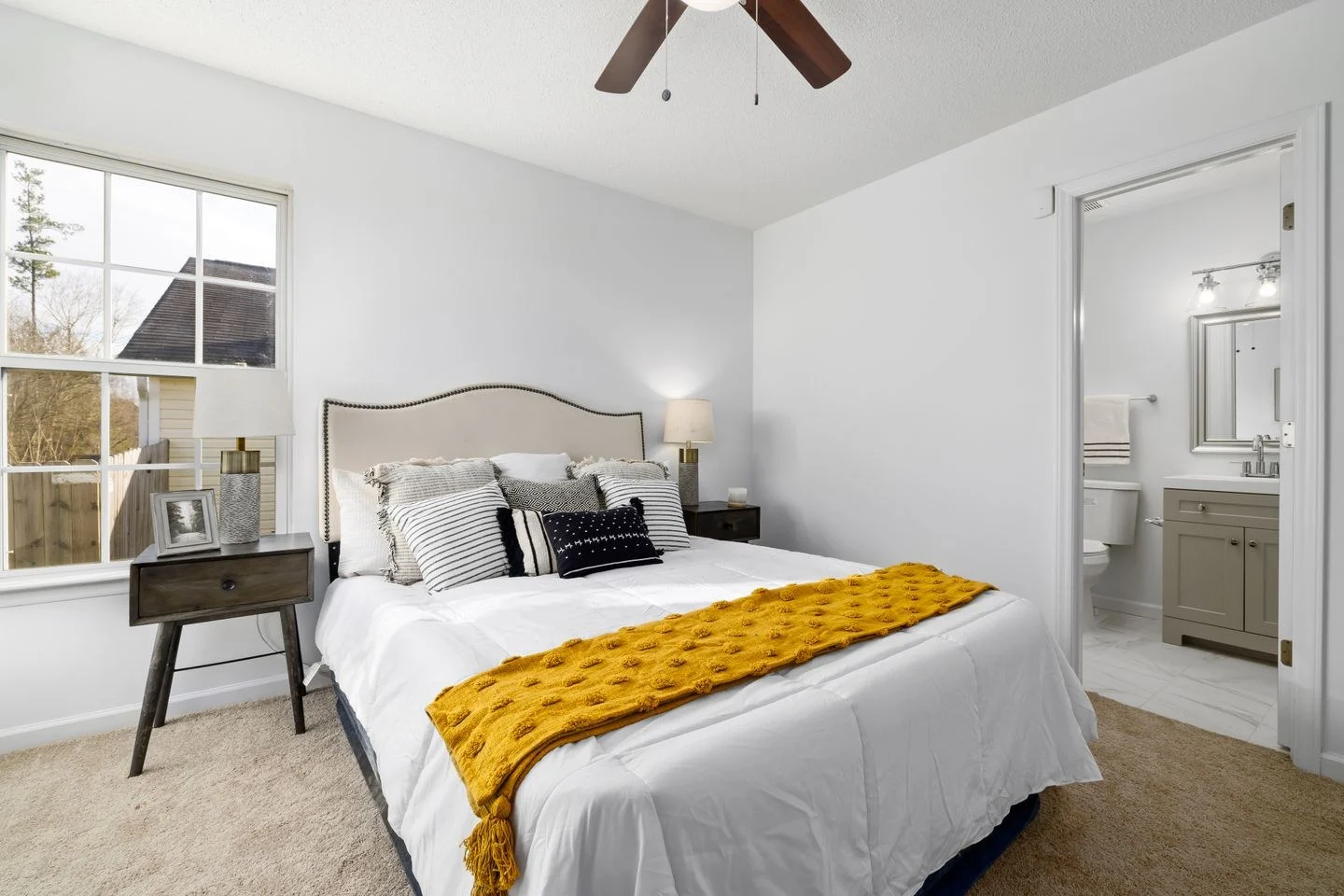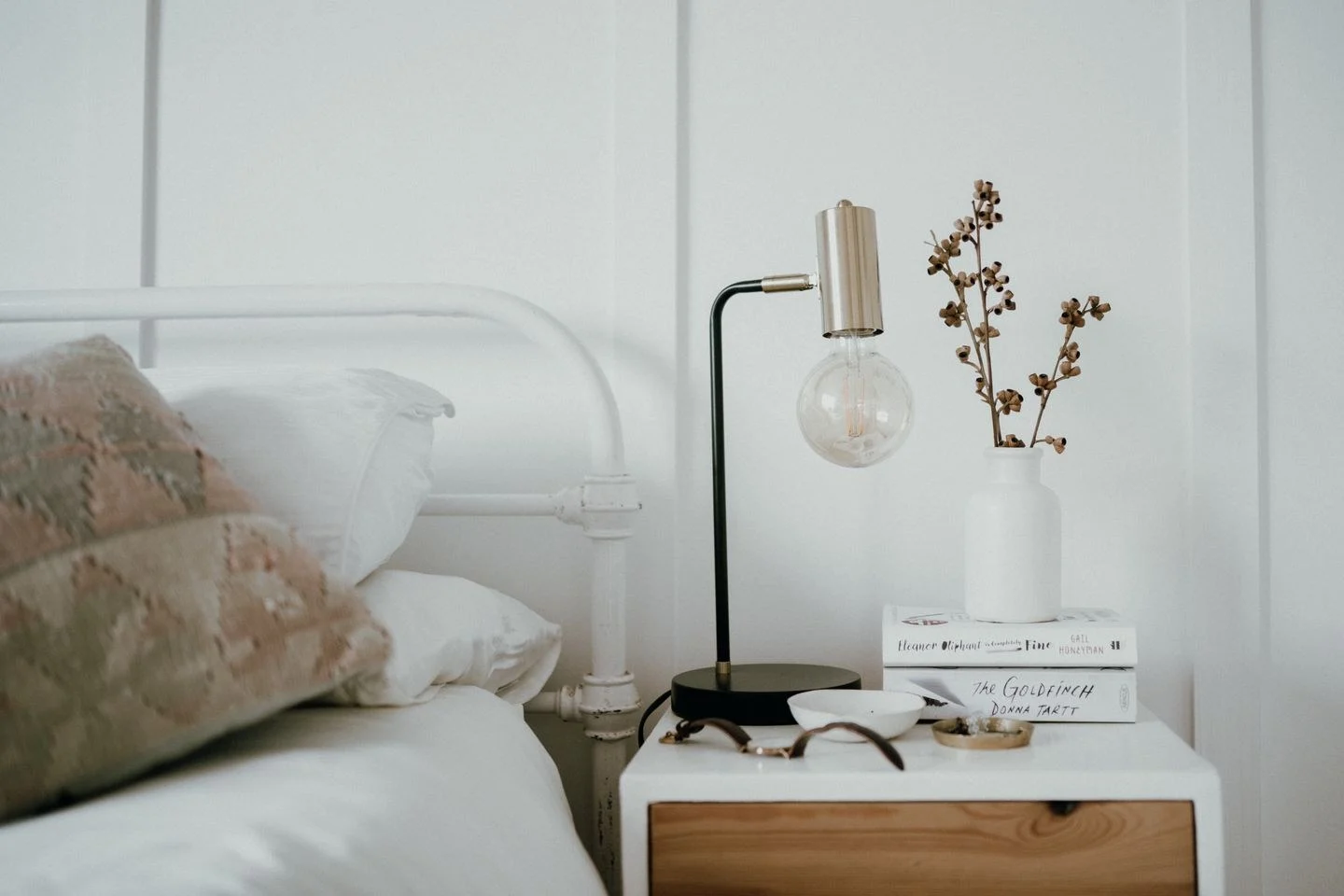
A bedroom surface becomes crowded when it has no clear job. The nightstand catches mail, the dresser catches laundry, and the chair catches everything in between. Editing works better when each surface receives a specific role rather than a general instruction to stay tidy.
Follow one morning
Notice the objects you use between getting out of bed and leaving the room. Glasses, a watch, clothing, and grooming items may move through several places. Put their storage near the point where the action happens, provided the location is appropriate for the item.
A small tray on the dresser can hold a watch and keys, but it should not expand into a second junk drawer. If mail arrives there, give it a place closer to the entry or work area. Moving unrelated items out of the bedroom is often more effective than adding another container.
Leave a usable patch of surface
Keep enough clear space to put down a book or set out clothing without rearranging ornaments. You do not need to empty every surface completely. A lamp, one personal object, and the daily essentials can feel settled when their footprints leave room for use.
Choose storage by the objects, not by the available decorative box. A deep lidded container may hide small items but make them harder to find. A shallow drawer divider can be more useful, especially for things handled every morning.
Give almost-clean clothes a limit
Clothes worn briefly often become the chair pile because they are neither returned to storage nor put in the hamper. A limited hook, valet, or shelf can provide an intermediate place. Keep the capacity small enough that it does not become a second wardrobe.
Make the hamper easy to reach and suitable for the room. If it blocks the closet or has a lid nobody uses, the floor may continue to collect laundry. The simplest functioning arrangement is better than a more concealed one that adds several steps.
At the end of the day, return the few items that belong on each surface and remove the rest. If the same object repeatedly has no destination, solve that one problem. A bedroom becomes easier to use through a series of clear homes for ordinary belongings, not through maintaining an empty display at all times.