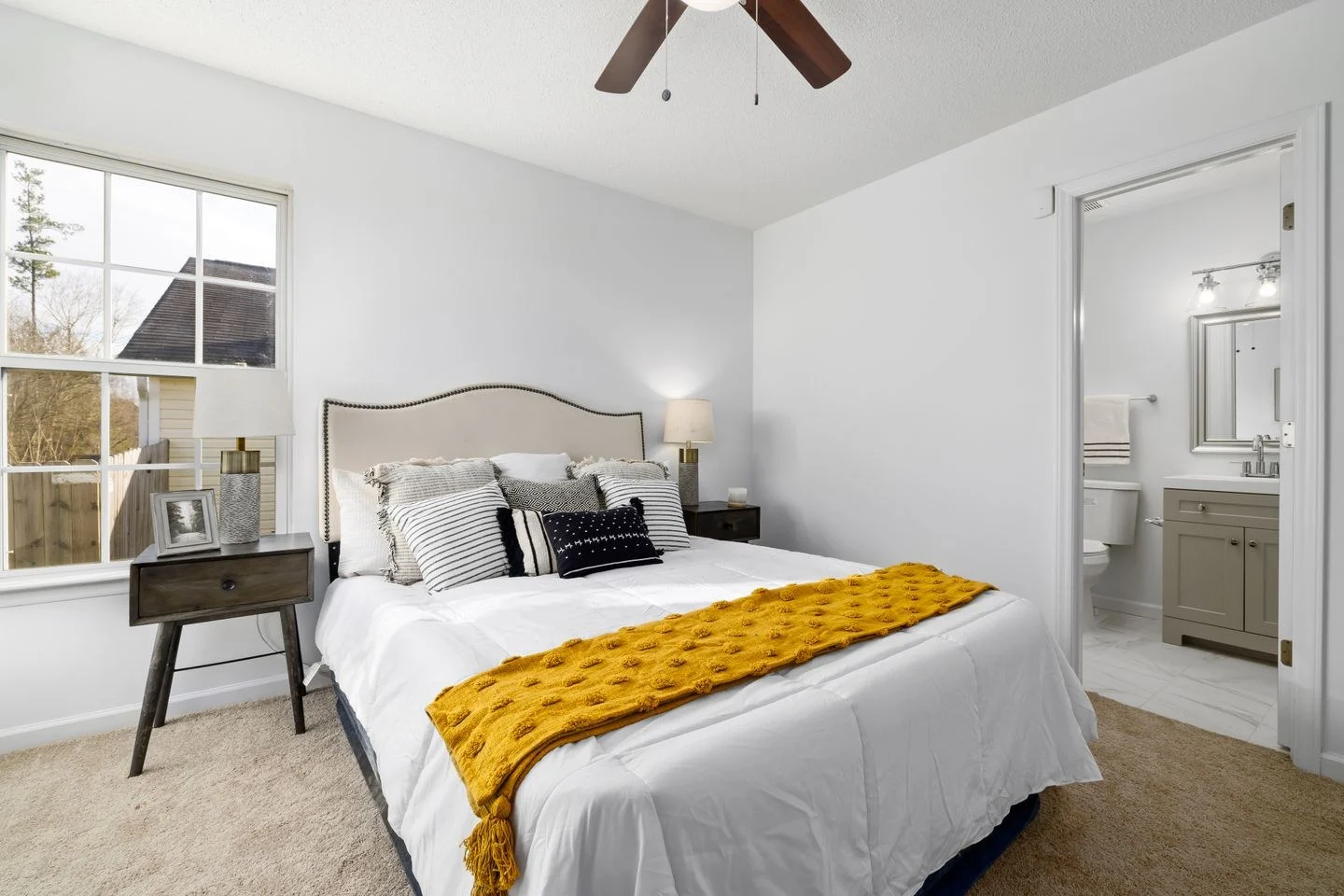
A bed can look layered with very few pieces. The visible edge of a sheet, the texture of a coverlet, and a folded blanket can create depth without a tower of pillows that must be moved every night.
Begin with the bedding you actually sleep under. If a duvet is enough for most of the year, do not add a heavy quilt solely for the photograph. If you prefer separate light layers, make them the basis of the arrangement. Comfort and laundering should determine the stack before decoration does.
Use folds to show contrast
Turn back the top layer enough to reveal the sheet or duvet lining. A narrow contrast of color can be more effective than several patterned cushions. Fold a blanket across the lower part of the bed only if it has a purpose, such as extra warmth on cooler nights.
Textures can differ while colors remain close. Smooth cotton, a quilted cover, and a softly woven throw can make a cream bed feel varied. Check actual care labels before combining pieces that need very different washing or drying routines.
Give the pillows a limit
Use the sleeping pillows that belong to the people using the bed. Add an accent pillow only if you enjoy it and have somewhere clean to put it at night. One long cushion can provide a visual center with fewer objects than several small cushions, but it is optional.
Avoid buying an arrangement that requires a chair or bench solely to hold pillows after dark. That furniture may be more useful for dressing or reading. If the bed looks bare after removing decorative pillows, consider whether the headboard, cover texture, or wall color could provide the missing interest instead.
Make the morning version believable
Choose a finish you can restore easily. A softly spread coverlet can be more sustainable than a tightly tucked hotel-style bed if your frame makes tucking difficult. A patterned duvet can disguise minor unevenness visually, while a plain light cover makes the folds more noticeable.
Keep an extra blanket in an accessible place rather than permanently adding it to the bed. Adjust the layers as the room temperature changes. A finished bed should offer choices for the person sleeping in it, not require them to dismantle a decorative installation before resting.