Sharing a bedroom does not require identical habits or identical furniture. One person may read late, another may dress early, and each may need different storage. A good plan gives both people a usable place without turning every decision into a matching exercise.
Start with the routes and routines
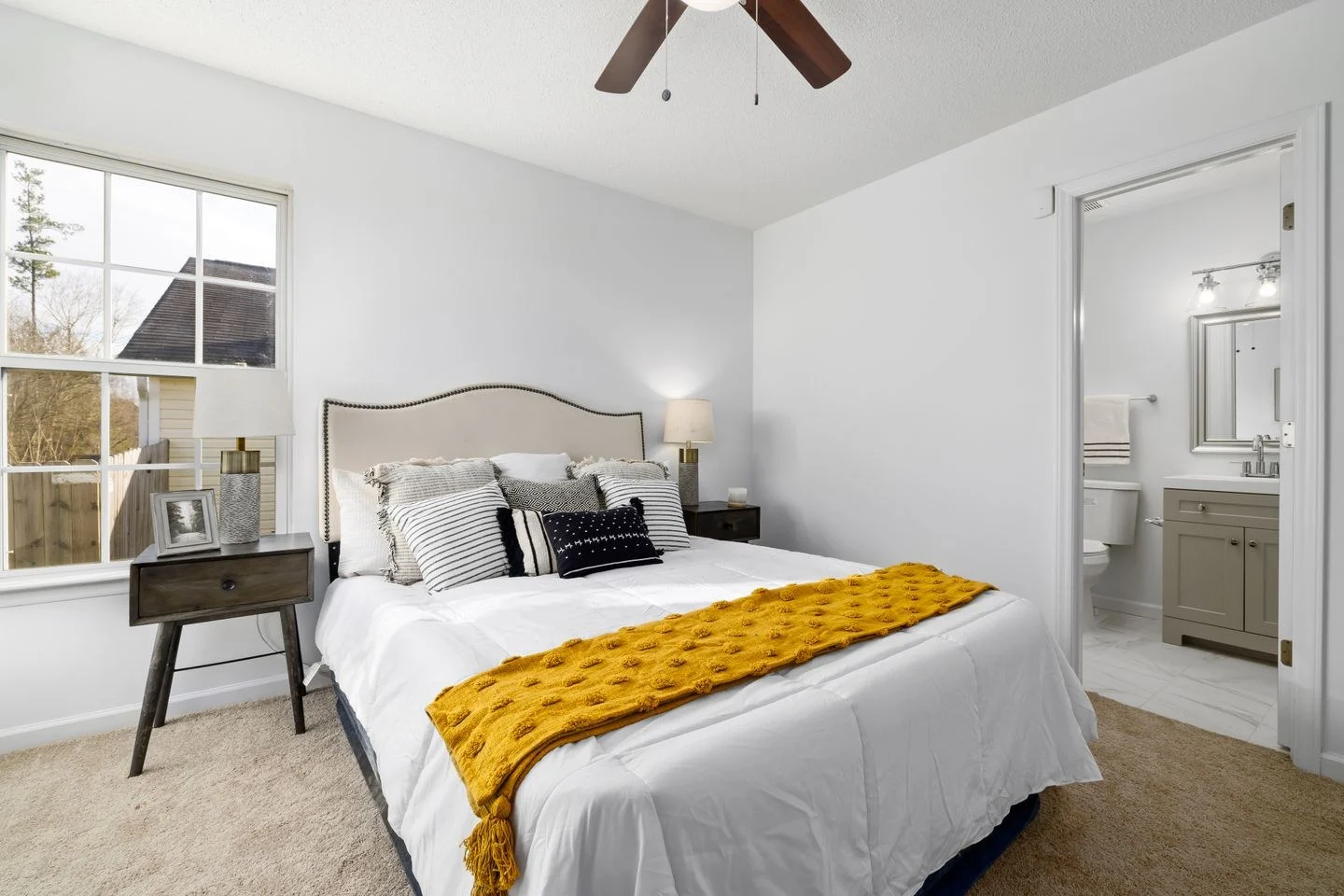
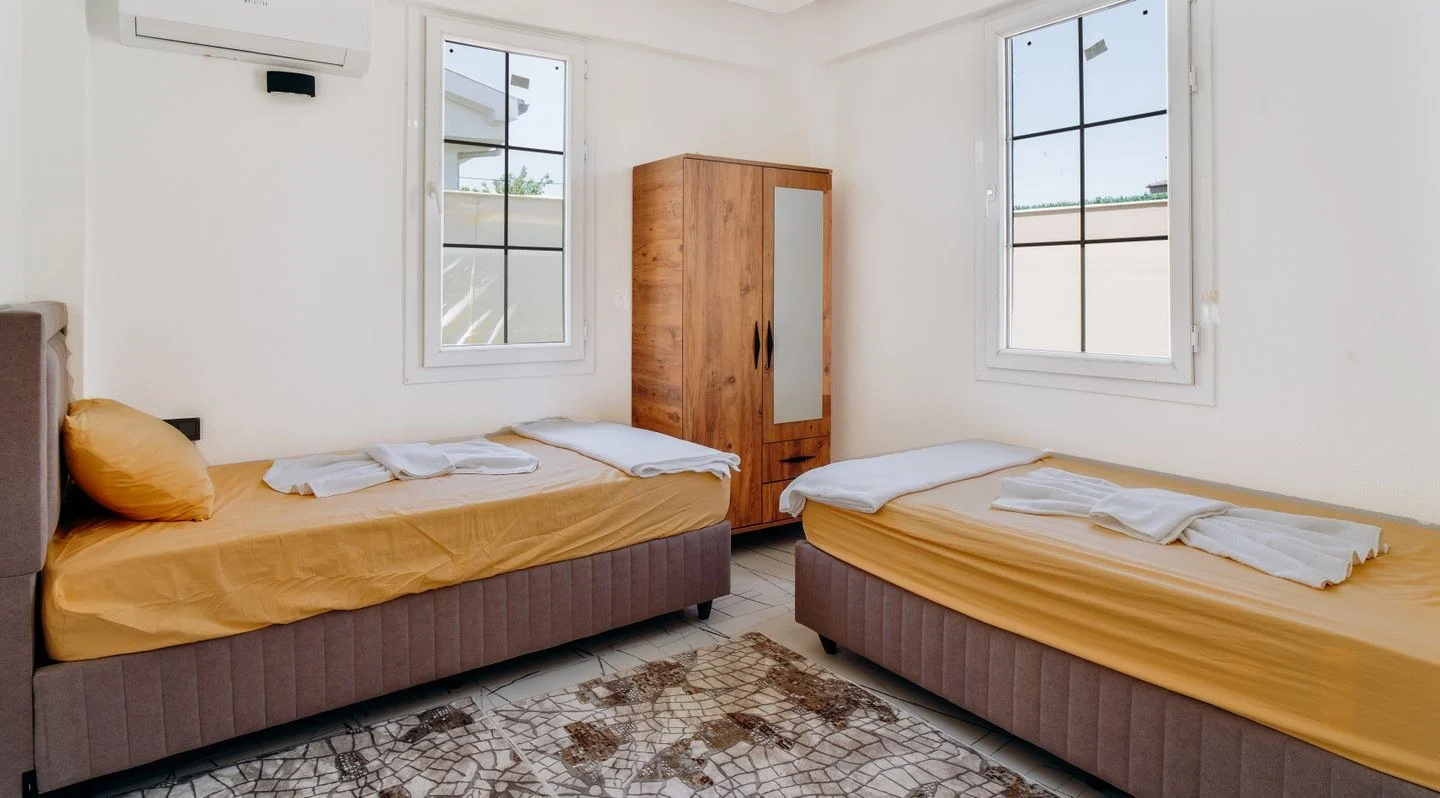
For a shared bed, check access on both sides and the path to the door and closet. For separate beds, consider whether the room works better with parallel beds, an L-shaped arrangement, or beds on different walls. Include the actual frames, not just mattress sizes, and preserve required exits and window access.
Talk through an ordinary weekday. Where are clothes selected? Where does a phone charge? Does one person need a light while the other rests? These specific activities reveal which parts should be individual and which can be shared.
A shared dresser can work if its drawers are assigned in a way both people can reach comfortably. Equal drawer counts are less important than usable capacity. Someone with more folded clothing may need different storage from someone who hangs most items.
Create personal space at a small scale
Each person benefits from a defined surface or shelf for daily essentials. It might be a full nightstand, a narrow table, or a properly installed bedside shelf. Avoid giving one person the only drawer and expecting the other to keep everything on the floor simply because the room is asymmetrical.
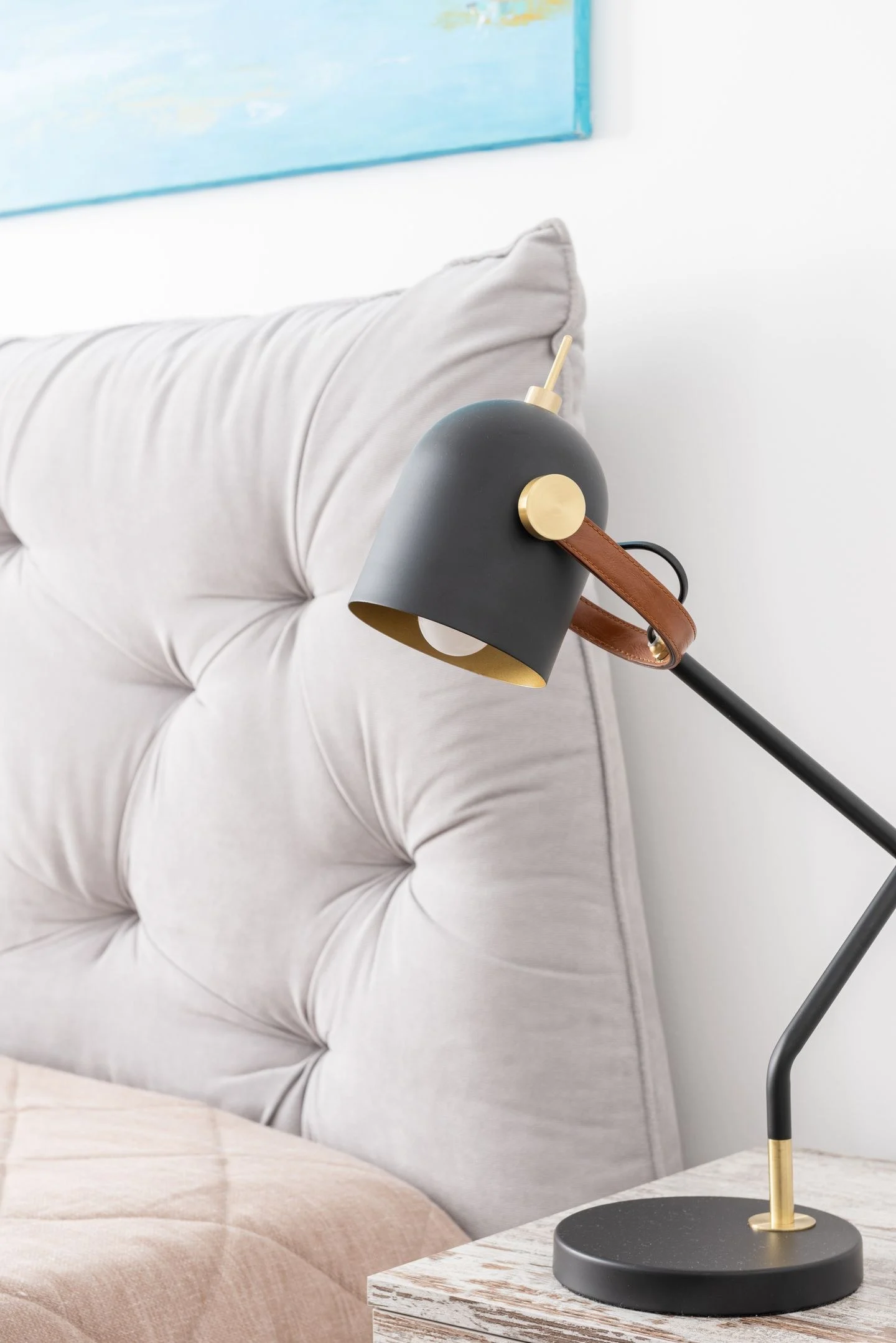
Individual reading lights can help accommodate different routines. Check light spill from the other sleeping position and choose fixtures suited to the task. Keep cords away from walking routes and bedding, and follow the fixtures' instructions. For children, use age-appropriate furniture and lighting rather than adapting adult arrangements without checking their suitability.
Personal objects can live within a shared palette. Two sets of bedding or bedside accessories might share one color while differing in pattern. This allows individuality without making the room look like two unrelated spaces. Avoid using paint color alone as a boundary if the furniture arrangement still forces one person through the other's area.
Divide storage before adding a divider
A freestanding screen or shelving unit consumes floor area and may reduce light. It can be useful for privacy in a larger shared room, but it is not the first solution to an organization problem. Clearly assigned drawers and hooks may solve more with less furniture.
If using a divider, make sure it is intended for freestanding use and stable in the chosen location. Follow anchoring requirements where applicable. Do not obstruct ventilation, exits, window operation, or access to switches. A tall bookcase used sideways is not automatically safe as a room divider.
Leave a shared reset point
A hamper, small tray, or shelf for items moving between zones can prevent objects from accumulating on the bed. Keep its purpose specific. A vague communal basket can become a place where neither person takes responsibility for the contents.
Review the arrangement after a normal week. If one person repeatedly moves a chair to reach storage, change the furniture rather than expecting more careful behavior. If a shared surface is always crowded, reduce what lives there or separate the functions. A balanced shared room is measured by how comfortably both people use it, not by whether the two sides look perfectly symmetrical.