Access to both sides of a shared bed can be worth more than a larger mattress or a second dresser. In a small bedroom, decide early whether that access is a priority, then let the rest of the furniture respond to it.
Measure the frame you will actually buy
A mattress size is not a complete furniture dimension. Upholstered rails, a projecting platform, and a wide headboard can add substantially to the footprint. Use the bed's overall width and length on the plan. Include the bedding as it hangs during normal use, rather than drawing a perfectly tucked rectangle.
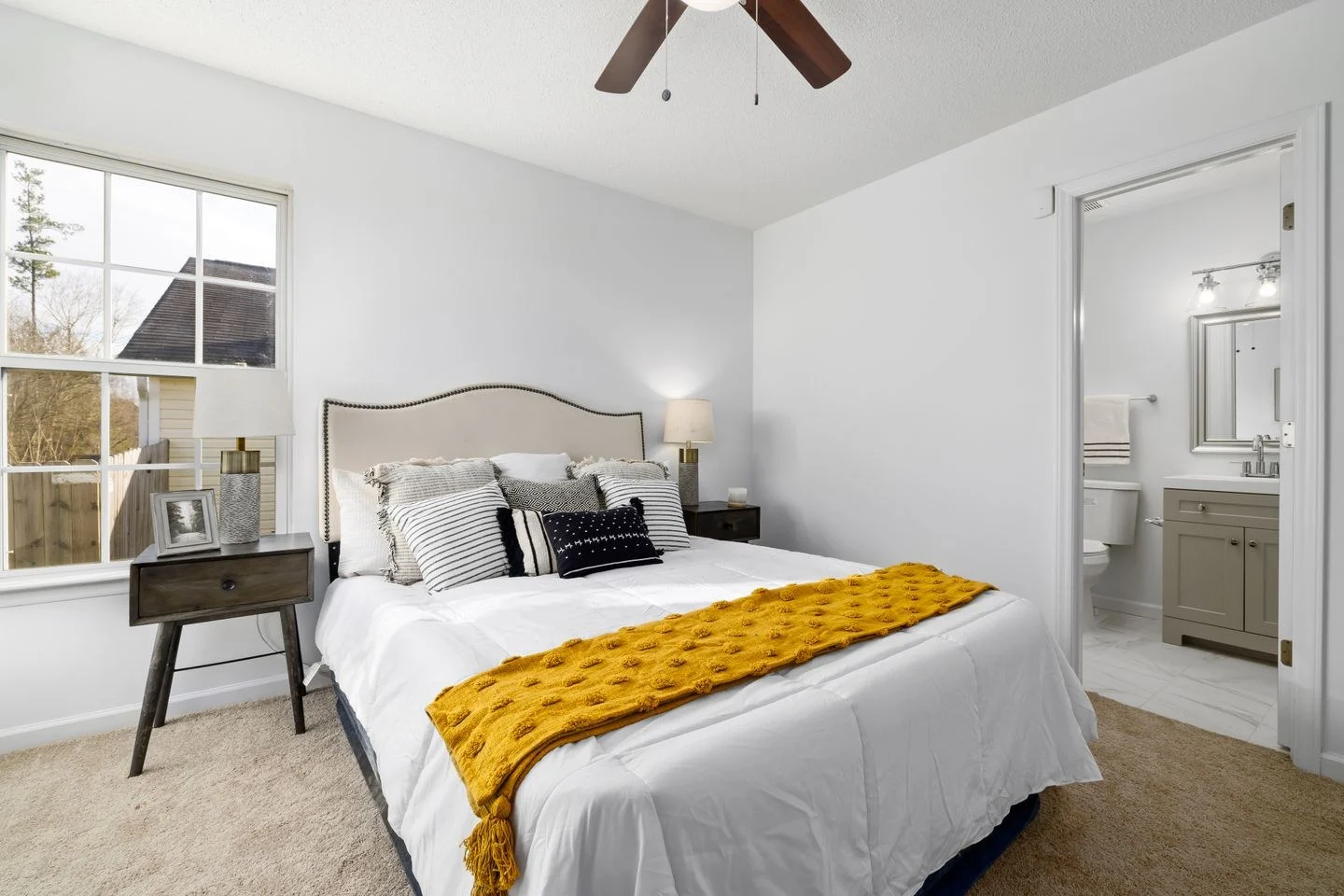
Place the bed on the wall that offers the clearest routes from the door and toward the closet. Centering it under a window may look appealing but can waste space if the room is asymmetrical. You can balance the wall visually later; first make sure both people can get in and out comfortably.
Subtract other furniture before shrinking the paths
A full-size dresser may be the piece that does not belong. Closet organizers, under-bed storage designed for the frame, or a dresser in an adjoining dressing area can sometimes carry the same belongings. Check whether those alternatives remain convenient; moving clothes far away is not always a worthwhile trade.
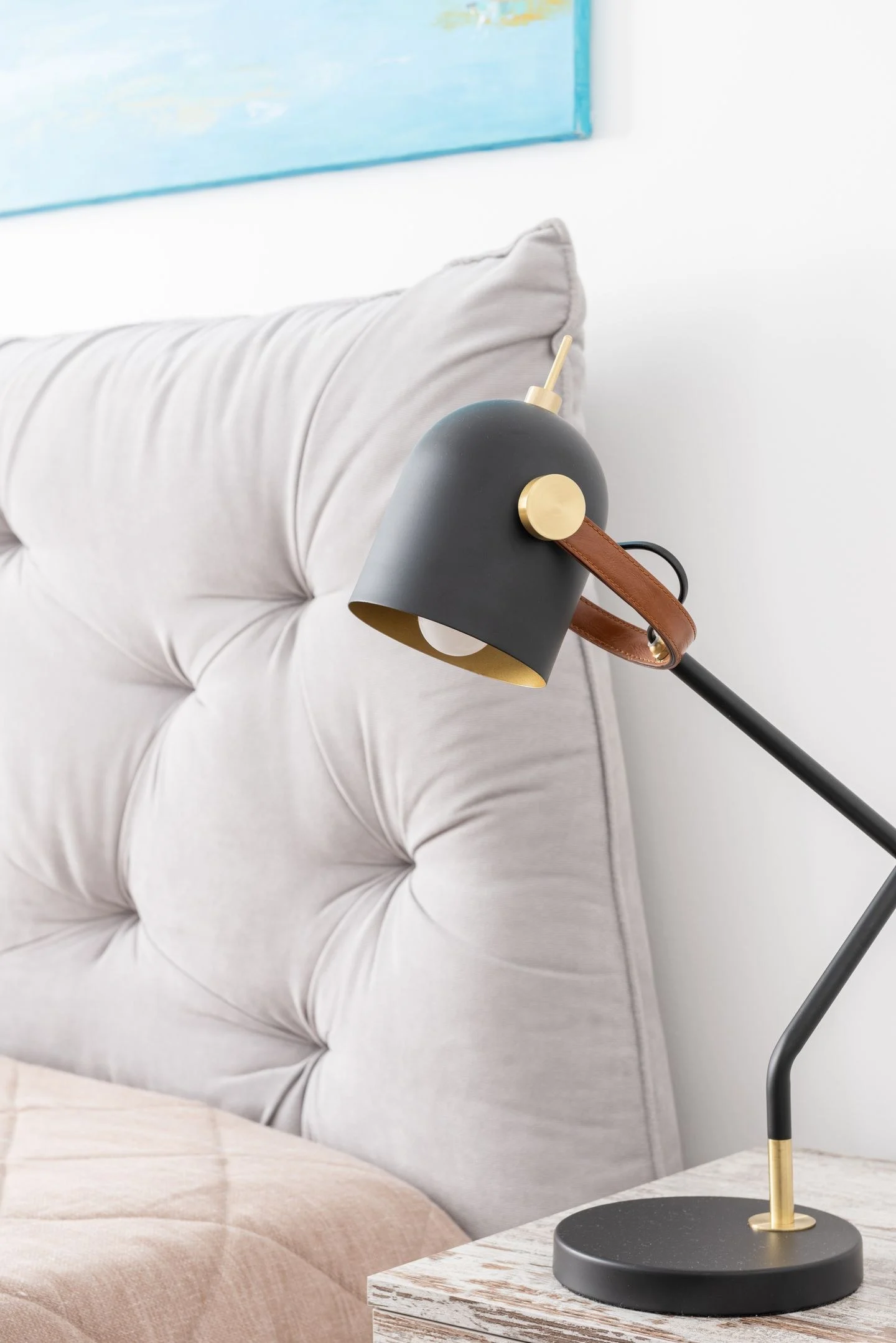
Try narrower bedside surfaces, but do not reduce them until they are useless. A small wall-mounted shelf can free floor space if installed appropriately, while a slim table can hold the essentials without dominating the side route. Lamps with smaller bases may help more than an extremely narrow table.
Avoid adding a bench at the foot simply because the room seems unfinished without one. That area is often the turning point between the two sides of the bed. A chair can also consume more space in use than its empty footprint suggests.
Test the room with everything open
Open the closet, pull out the dresser drawers if one remains, and swing the bedroom door fully. Then walk to both sides of the bed. Under-bed drawers need their own operating area; if they require moving the nightstand each time, they may not be useful daily storage.
Do not obstruct required exits, windows used for escape, or heating equipment. Follow applicable requirements and product clearances rather than treating a decorating sketch as an accessibility or building-code plan.
If access still feels cramped, compare the next smaller bed size with your household's needs before ordering. A slightly smaller sleeping surface may create a more usable room, but that is a personal tradeoff. Tape out both options and evaluate them at full scale. The goal is a bedroom that works on an ordinary morning, not a bed squeezed into the largest possible outline.