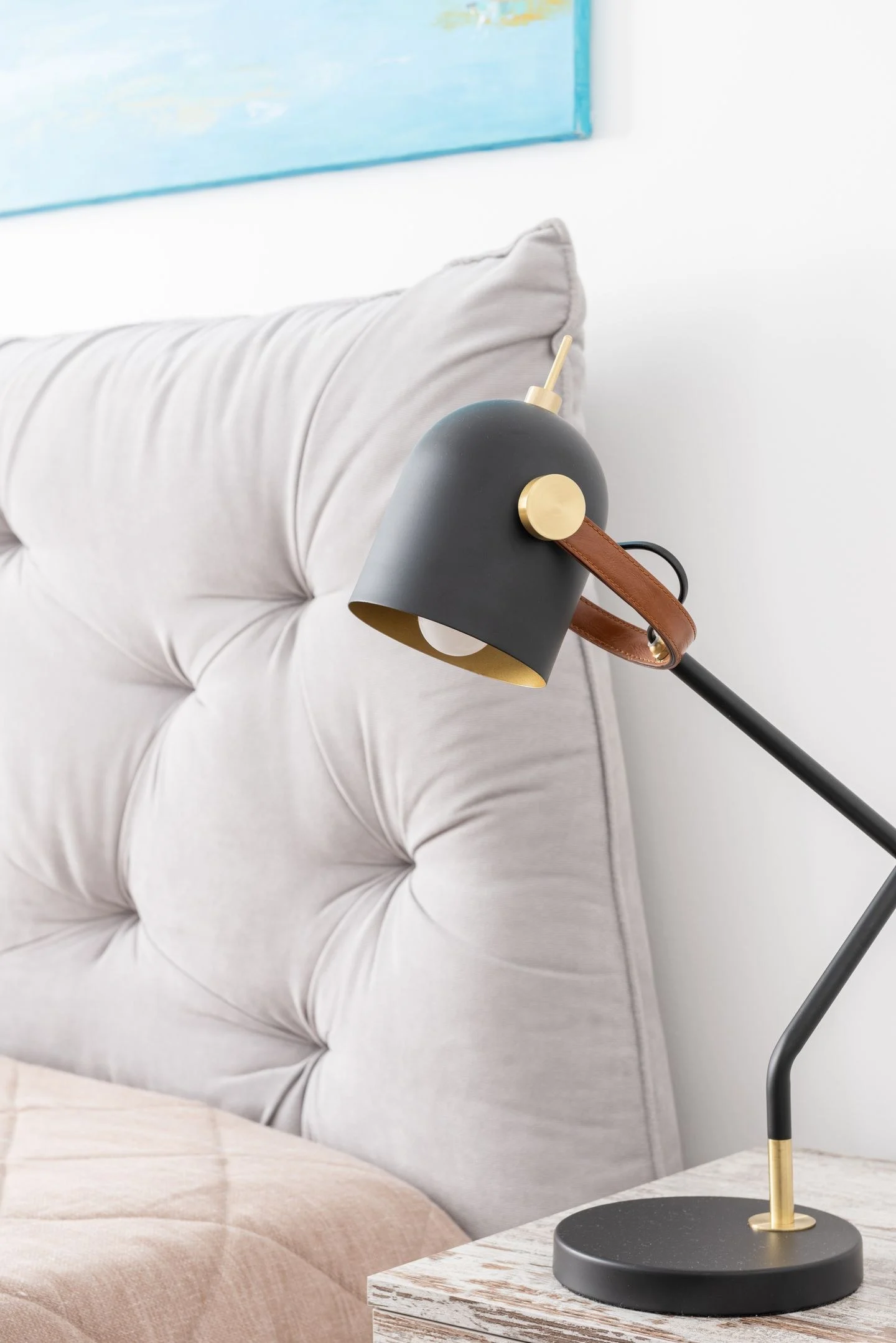
An almost empty bedroom with hard floors, bare windows, and smooth walls can sound noticeably different from the same room after it is furnished. If voices or small sounds seem to linger, textiles may help soften the room's acoustic character. They should not be confused with soundproofing against noise passing through walls or windows.
Identify what you are hearing
A ringing quality within the room is different from traffic noise or a neighbor's music. Adding soft furnishings can address some reflected sound, but it may do little for sound transmitted through the building. Persistent external noise may require assessment of windows, doors, construction, or specialist acoustic treatment.
Use a normal conversation in the room as your informal reference, rather than a phone recording that changes its microphone processing automatically. Compare the room before and after a practical furnishing change. Do not expect a precise performance rating from a decorating experiment.
Start with the textiles the room already needs
Curtains, a suitable rug, and an upholstered chair or headboard can add softer surfaces without introducing unrelated objects. Place the rug where it is useful underfoot and keep it flat with a compatible pad. Curtains should still allow safe window operation and remain clear of heaters according to their required clearances.
Some curtains are specifically described and tested for sound absorption. IKEA's GUNNLAUG product information, for example, discusses reducing certain reflected sounds and gives installation conditions for that product. This does not mean every thick curtain has the same performance, nor does it establish a soundproof barrier.
If acoustic performance is a purchasing priority, ask for the exact product's test information and installation requirements. Fabric appearance alone cannot tell you how much difference it will make in your room. A curtain that is unsuitable for privacy or light control may also need a separate layer, adding complexity.
Avoid adding bulk without a purpose
A bed piled with decorative pillows is not a measured acoustic solution. Choose furnishings that support ordinary use and can be cleaned within your routine. A substantial rug or properly selected curtain may be more useful than many small soft accessories scattered around the room.
Check furniture feet and moving parts too. Appropriate pads can reduce scraping from a chair or bench, provided they suit the floor and furniture. A rattling bed joint or loose fitting needs maintenance according to the manufacturer's instructions, not more textiles around it.
Aim for a room that feels less harsh while remaining easy to use and maintain. If the problem is primarily sound arriving from elsewhere, keep the decorating changes modest and seek advice directed at that source rather than expecting cushions and curtains to solve a building-level issue.