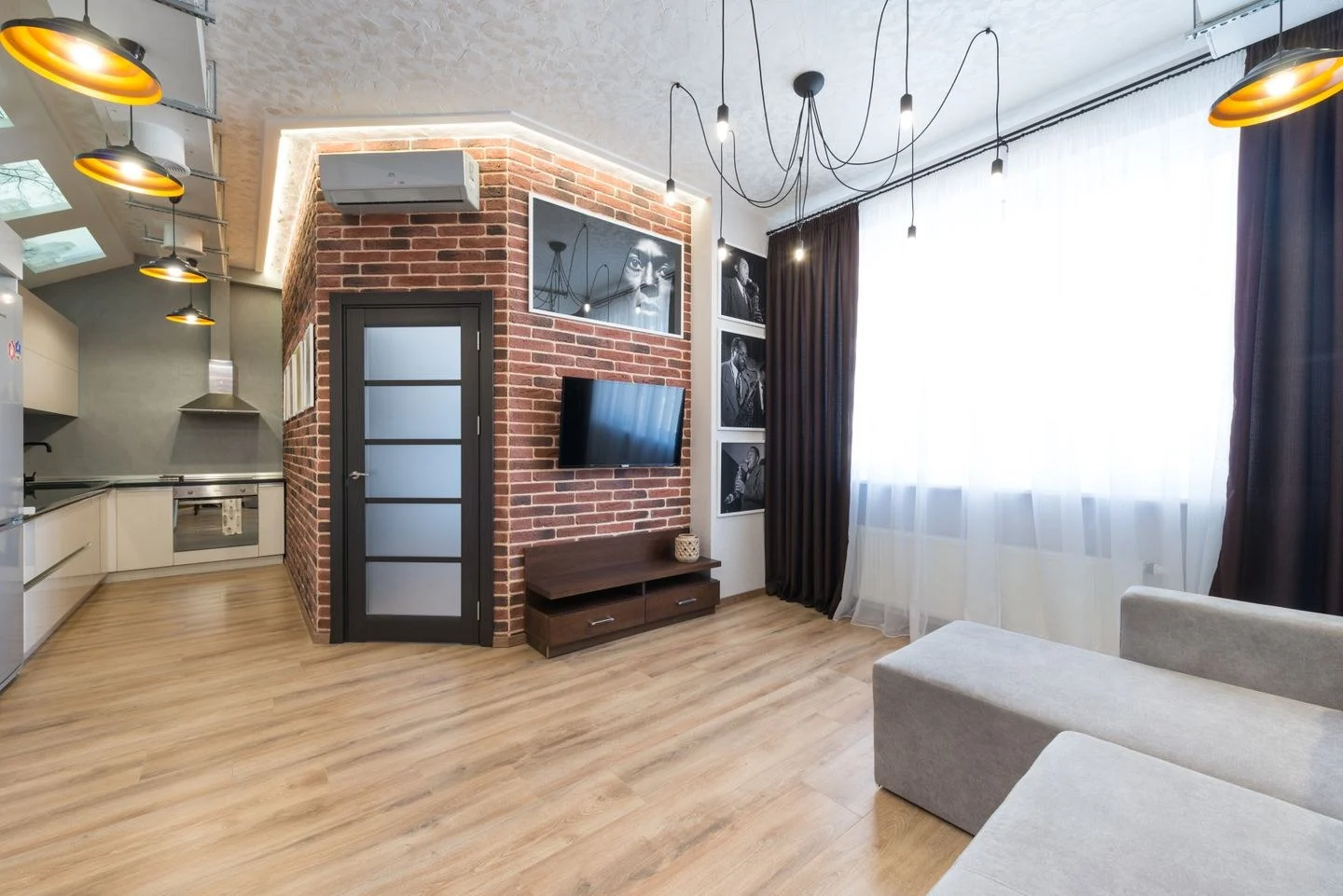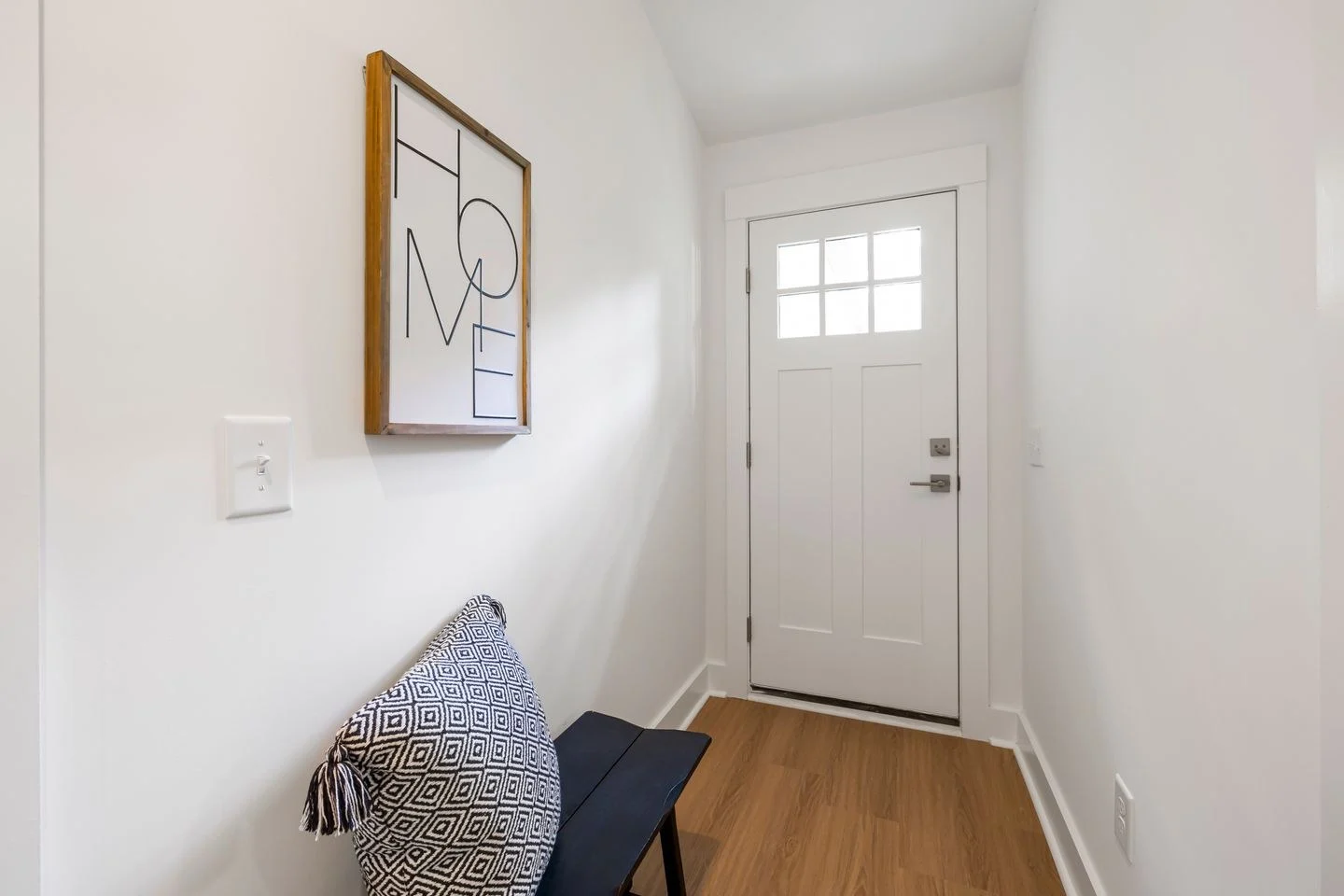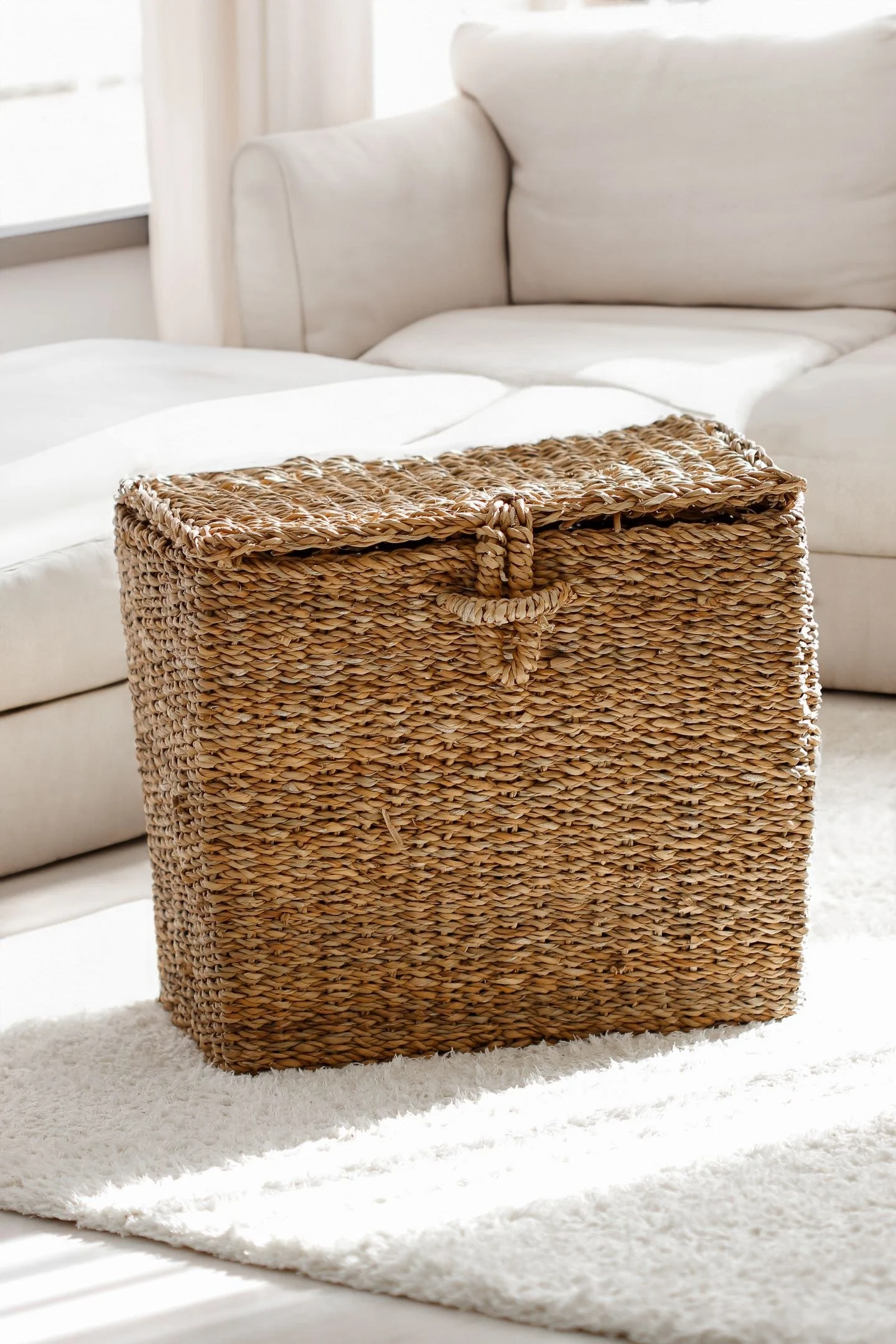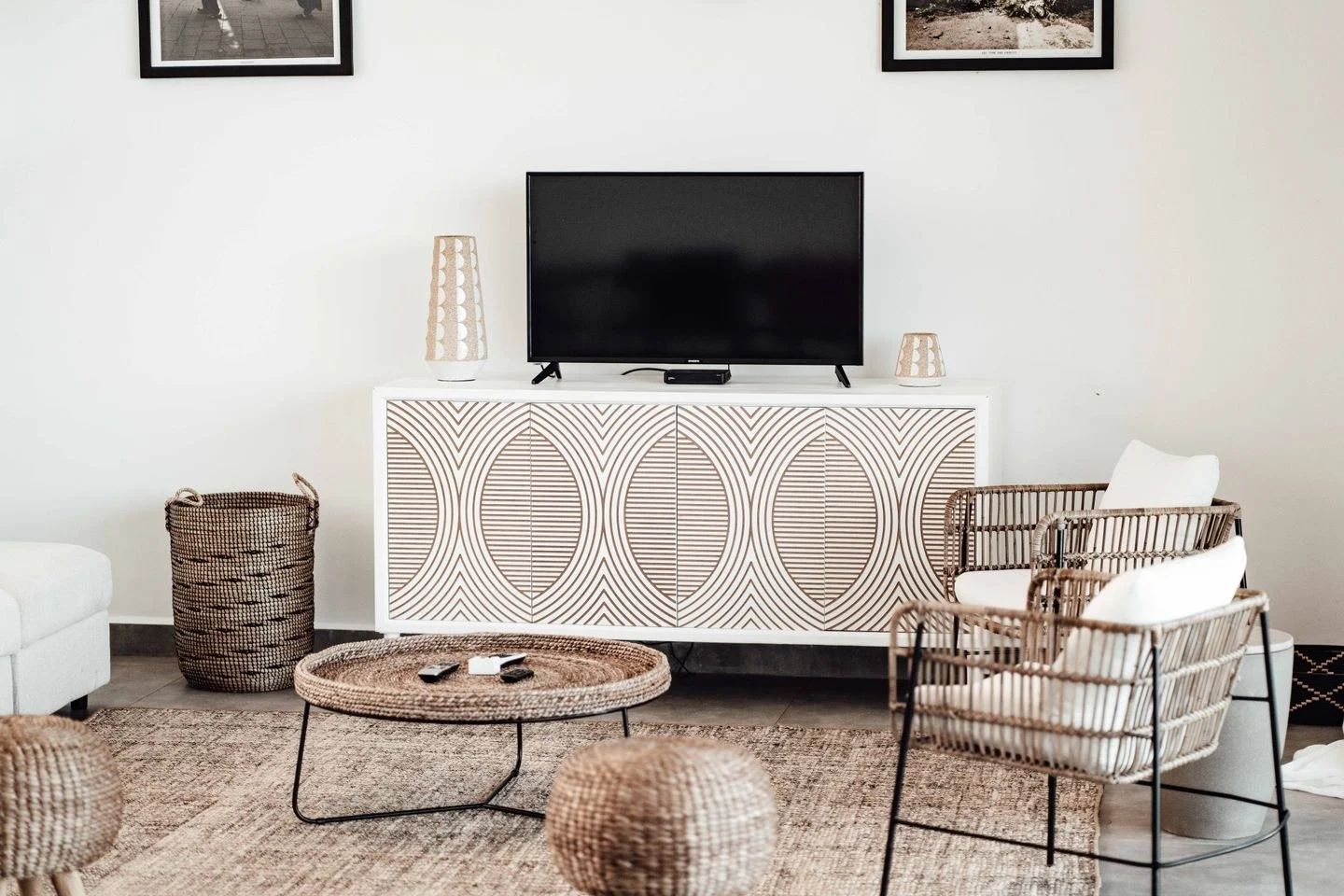
Visible floor can make the outline of a small room easier to read. Storage with legs, a shallow wall cabinet, or a shelf above a work surface can help preserve that view. The effect is useful, but it should not come at the expense of storing the objects that made the room crowded in the first place.
Start by sorting what needs a home. Books, shoes, paperwork, and bulky equipment require different depths and access. A beautiful narrow shelf will not solve a problem made mostly of large bags. Measure the objects before choosing the furniture.
Lift selected pieces, not everything
A cabinet on legs can reveal the floor beneath it while retaining closed storage. Check whether the clearance is actually high enough for cleaning tools to reach; a tiny inaccessible gap may be more frustrating than a cabinet that meets the floor.
Wall-mounted storage can free the area below, but it requires suitable construction, hardware, and installation. Follow the maker's load limits and mounting instructions. If mounting is not permitted or practical, a freestanding unit with a lighter outline may provide a similar visual benefit without pretending to float.
Use open shelving for items that remain orderly and are useful to see. Hide visually busy supplies behind doors or in fitted containers. Open storage shows both the furniture and its contents, so it can look heavier once filled than it did in an empty product photograph.
Leave a clear stretch of floor
The room does not need every wall to reveal the same amount of floor. One substantial closed cabinet can be balanced by a clear corner or a raised desk. Concentrating storage may create a better result than scattering small legged units around the perimeter.
IKEA's vertical hallway storage ideas illustrate the value of using wall height for less frequently needed items. Apply that principle selectively: daily objects should remain reachable, and heavy items should not be placed high simply to clear a lower shelf.
After arranging the storage, look from the doorway. If baskets and boxes have migrated into the newly exposed gaps, the furniture may not have enough usable capacity. Adjust the storage plan rather than treating those gaps as overflow space. Visible floor works best when it is genuinely available, not a temporary condition maintained only for photographs.