A piece of furniture that performs two jobs can save space, but the second job is only useful if it is comfortable and easy to access. A table with storage is not automatically a good desk. A sofa bed is not automatically the right everyday sofa. Evaluate the two functions separately before giving credit for combining them.
Name the primary job
Decide what the piece will do most days. If a sofa will host an overnight guest twice a year, its daily seating comfort deserves substantial weight. If it will be opened every night, the sleeping arrangement and conversion routine move to the center of the decision.
Write down the essentials for each function. A work surface may need enough depth for the actual equipment and space for the chair to move. A dining surface needs legroom and places for the intended number of diners. A storage ottoman needs usable internal dimensions and a lid that can be operated without clearing a complicated display.
This prevents vague claims such as versatile or space-saving from replacing specific checks. IKEA's multifunctional table range combines features such as storage and folding surfaces, but the value of those features depends on how your household will use them.
Measure the working footprint
The closed dimensions are only the starting point. Draw the open sofa bed, extended table, raised lid, or pulled-out drawer. Add the space for a person using it. Then check the route around it and any nearby doors.
A drop-leaf table can be very compact when folded, but if it must remain open for every meal, the open footprint is its everyday footprint. Similarly, a lift-top coffee table may need room behind or in front of it during operation. Review the manufacturer's movement diagrams where available.
Look at the surrounding furniture too. If converting the sofa means moving a heavy coffee table into the hallway, the apparent convenience may disappear quickly. A smaller movable table could be a useful companion, but include its cost and storage location in the plan.
Test the transition
Whenever possible, operate the mechanism in person. Can you reach the handle comfortably? Does the conversion require lifting more weight than you can manage? Is there a pinch point or a part that needs another person? Follow the manufacturer's intended use and never improvise a conversion.
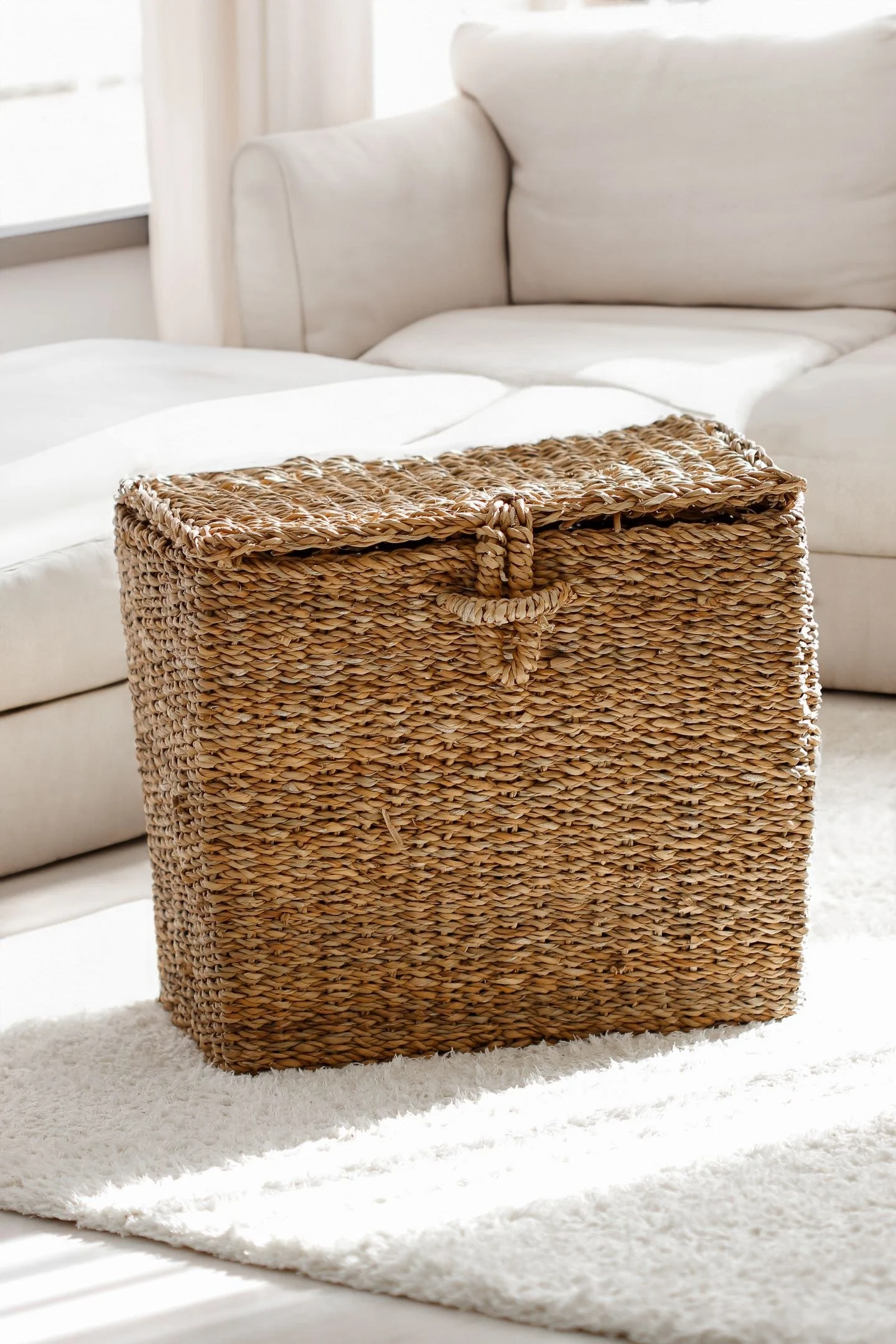
Count the objects that must be moved. A storage bench with a cushion, throw, and decorative tray may require several steps before you can retrieve what is inside. If the contents are needed daily, a drawer or open compartment may be more suitable.
For a table shared between work and dining, the transition is mostly about storage. The laptop and cables need a nearby destination. Without it, the table's second function becomes a task of relocating clutter rather than a useful change of activity.
Compare against two simpler pieces
Multifunctional furniture can be larger, heavier, or more expensive than a basic alternative. Compare it with a small dedicated desk and folding dining table, or a comfortable sofa and separately stored guest mattress where appropriate. The combined piece should solve a real constraint, not merely sound efficient.
Consider maintenance and replacement as well. If one mechanism fails, can the main function still be used? Are care instructions and replacement parts available? A removable cover or accessible hardware may matter more over time than an extra hidden compartment.
Choose the piece when both jobs meet your needs and the change between them fits your routine. The best space saving is not the smallest closed rectangle; it is a room that remains easy to use throughout an ordinary day.