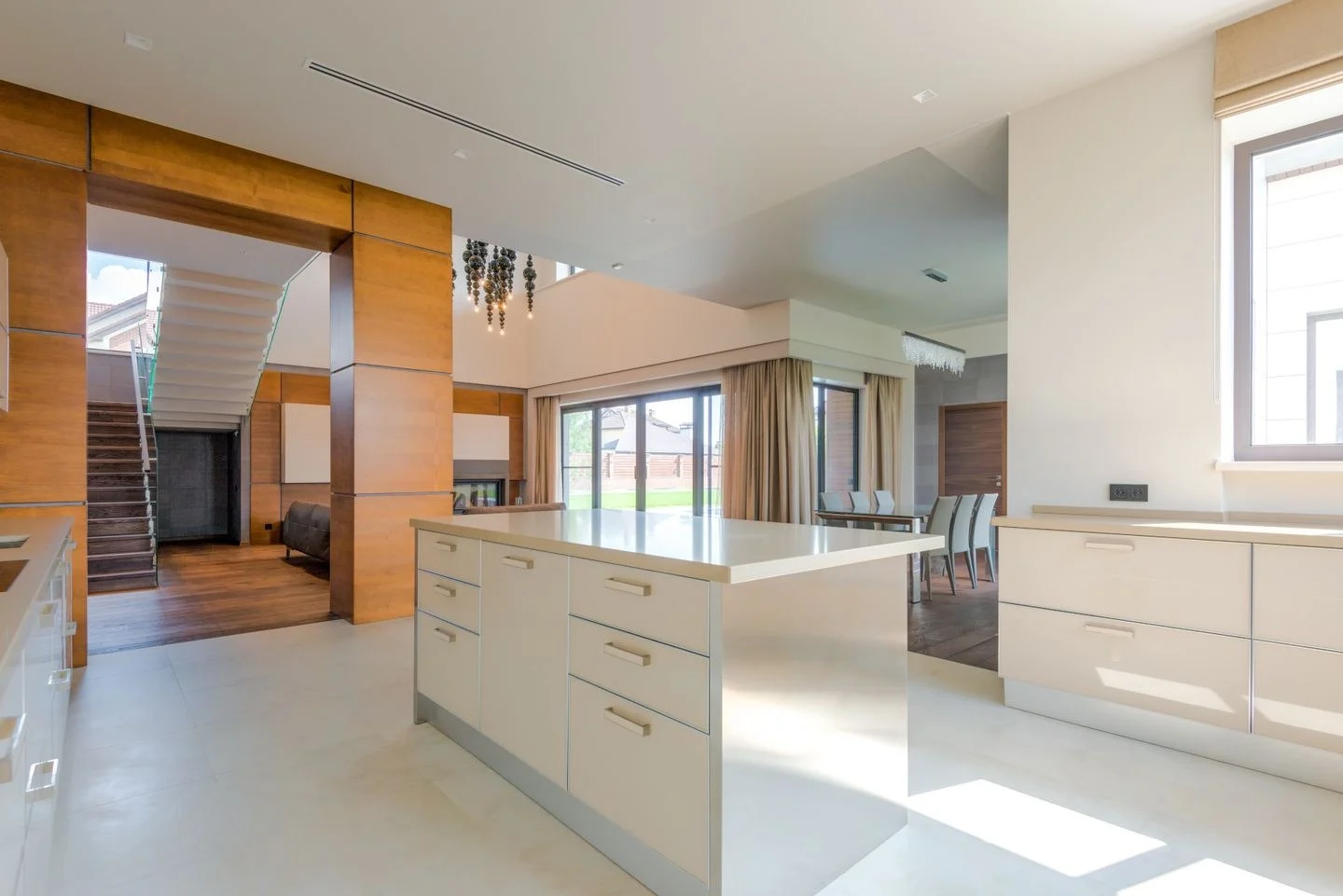
If the cabinet layout works and the boxes are sound, the kitchen may need a series of smaller changes rather than replacement. Begin by separating appearance problems from functional problems. A color you dislike is different from a damaged cabinet, a failing drawer, or a layout that prevents comfortable use.
Assess what should be repaired first
Check doors, drawers, hinges, and visible surfaces. Note sticking parts, loose hardware, damaged edges, or signs of moisture. Have leaks, electrical concerns, or structural damage assessed by appropriate professionals before covering them with a cosmetic treatment. New paint will not resolve the underlying cause.
A properly adjusted or replaced hinge can improve the experience of a cabinet you otherwise like. Use compatible parts and follow the manufacturer's instructions, or get help when the construction is uncertain. Keep original hardware measurements and photographs before ordering replacements.
Make one visual decision at a time
Cabinet hardware can change the character of the room without altering its layout. Compare the mounting-hole spacing, projection, grip, and clearance beside adjacent doors. A pull that looks attractive can still catch clothing or feel uncomfortable in use. Try a sample on one door where possible before buying a full set.
Wall paint can have a broad effect at a relatively modest scale of work. Test it against the countertop, floor, cabinets, and appliances together. A new color should reconcile the fixed materials rather than introduce another unrelated undertone.
If cabinet painting is being considered, identify the existing surface and condition first. Benjamin Moore's cabinet-painting guidance includes preparation, priming, and drying stages; it is not simply a matter of applying wall paint to a door. Obtain product-specific advice and account for curing time, ventilation, safe preparation, and disruption to the kitchen. Older or uncertain coatings may require professional assessment before disturbance.
Improve the surfaces you use daily
Clear a preparation area by moving low-use appliances to suitable storage. Group accessories by the task they support, and keep frequently used tools reachable without crowding the cooktop or sink. Follow appliance requirements for heat, ventilation, and power when changing positions.
A new organizer can help inside a cabinet, but measure the interior and its obstructions before buying. The goal is easier retrieval and return, not simply a more elaborate system. Remove duplicate or unused items before adding storage that makes the cabinet heavier or more complicated.
Review the light after dark
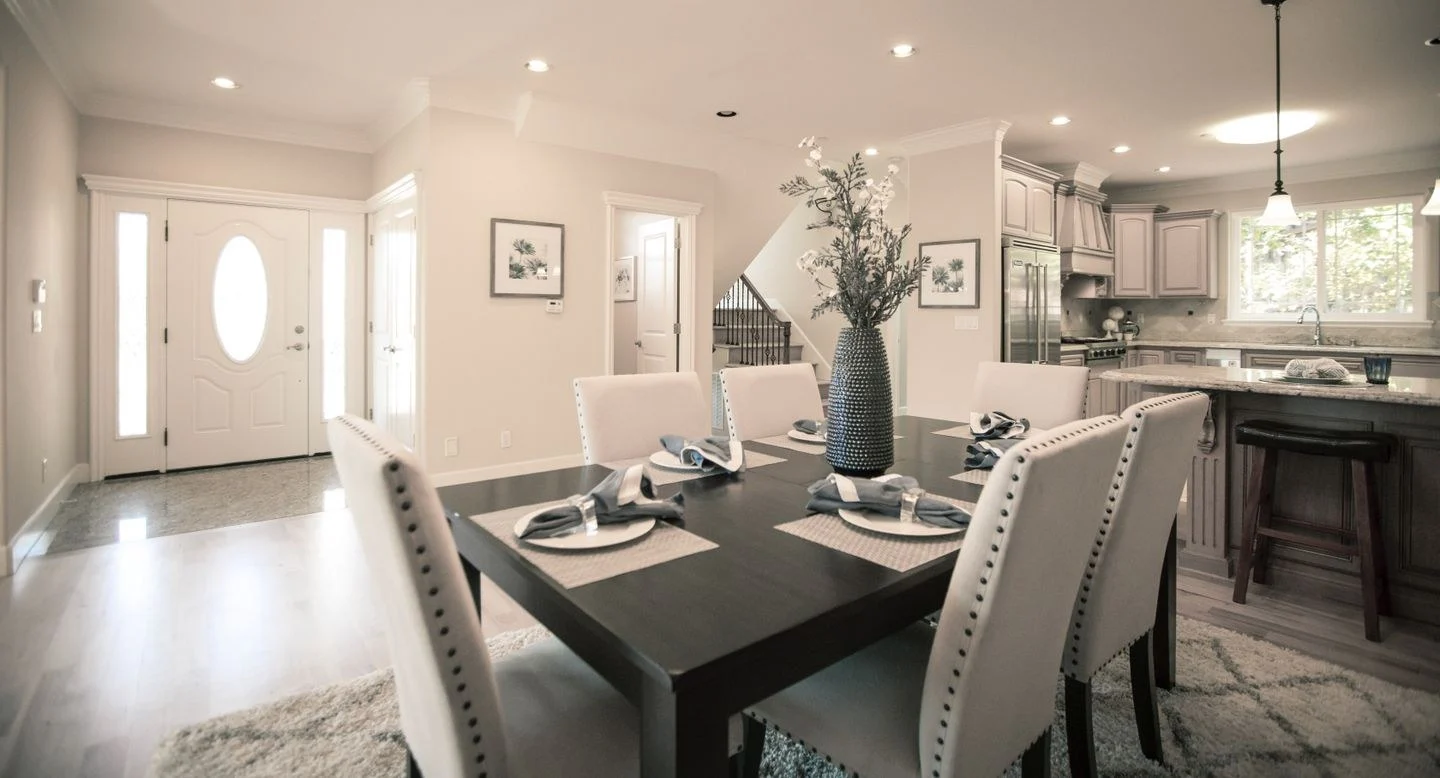
The kitchen may feel dated partly because working areas are poorly lit. Assess the light on the counter, sink, and dining area separately. Any new fixtures or wiring should be selected and installed for the location by qualified help where needed. Do not improvise an electrical solution to avoid a larger renovation.
Textiles and a few useful accessories can finish the refresh. A washable runner in a suitable location, new dish towels, or a different dining-table surface treatment may be enough. Keep fabric clear of heat and avoid adding objects that reduce working space.
Live with the repaired and edited room before committing to a larger change. You may find that the cabinets now feel appropriate, or you may identify a specific remaining issue such as a missing drawer or an unsuitable counter section. That information makes any later renovation more focused than replacing everything because the room initially felt tired.