A hobby can fit into a small home when its setup and storage are planned as carefully as its work surface. The difficulty is often not the activity itself but the objects that remain spread out between sessions.
List the tools and materials used in one typical session. Separate them from backup supplies and finished projects. This reveals the size of the active kit, which may be much smaller than the total collection.
Decide what can pause in place
Some activities can be packed into a tray immediately. Others need drying time, an undisturbed arrangement, or equipment that is difficult to move. Be realistic about that difference before assigning a shared dining table as the workspace.
A shallow tray or board can hold an in-progress arrangement if it is suitable for the materials and can be stored securely. A rolling cart may help move supplies, but it needs a parking place that does not block circulation. The cart should reduce trips, not become a permanent obstacle beside the table.
Store the active kit together
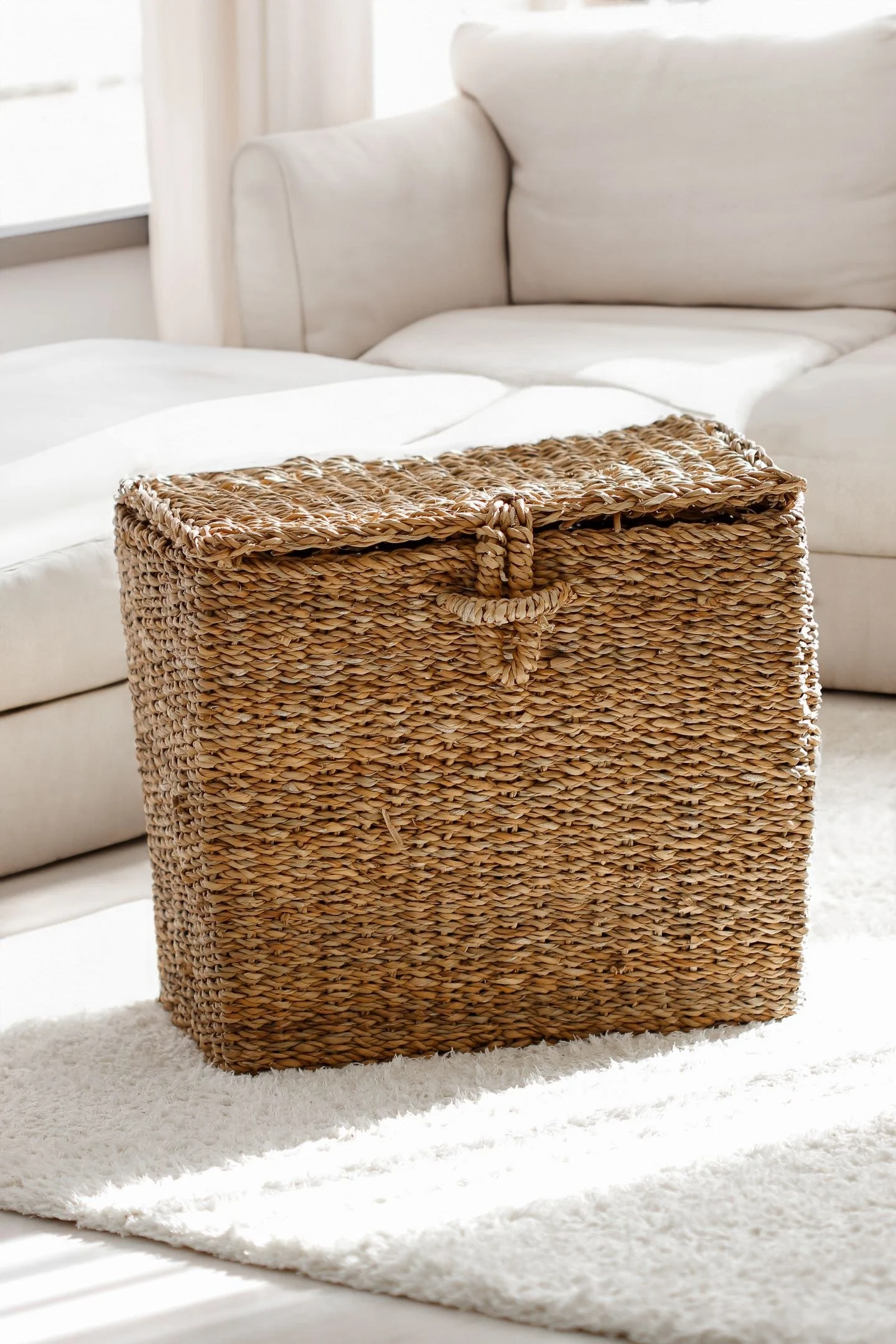
Keep frequently used tools in one accessible location. Searching several cupboards before each session makes a hobby harder to begin. Use containers sized to the actual objects rather than buying a matching set with unsuitable compartments.
Reserve deeper or higher storage for less frequently needed materials, subject to their weight and storage instructions. Supplies involving heat, fumes, sharp tools, or chemicals need the appropriate workspace and handling arrangements; a decorating solution does not replace those requirements.
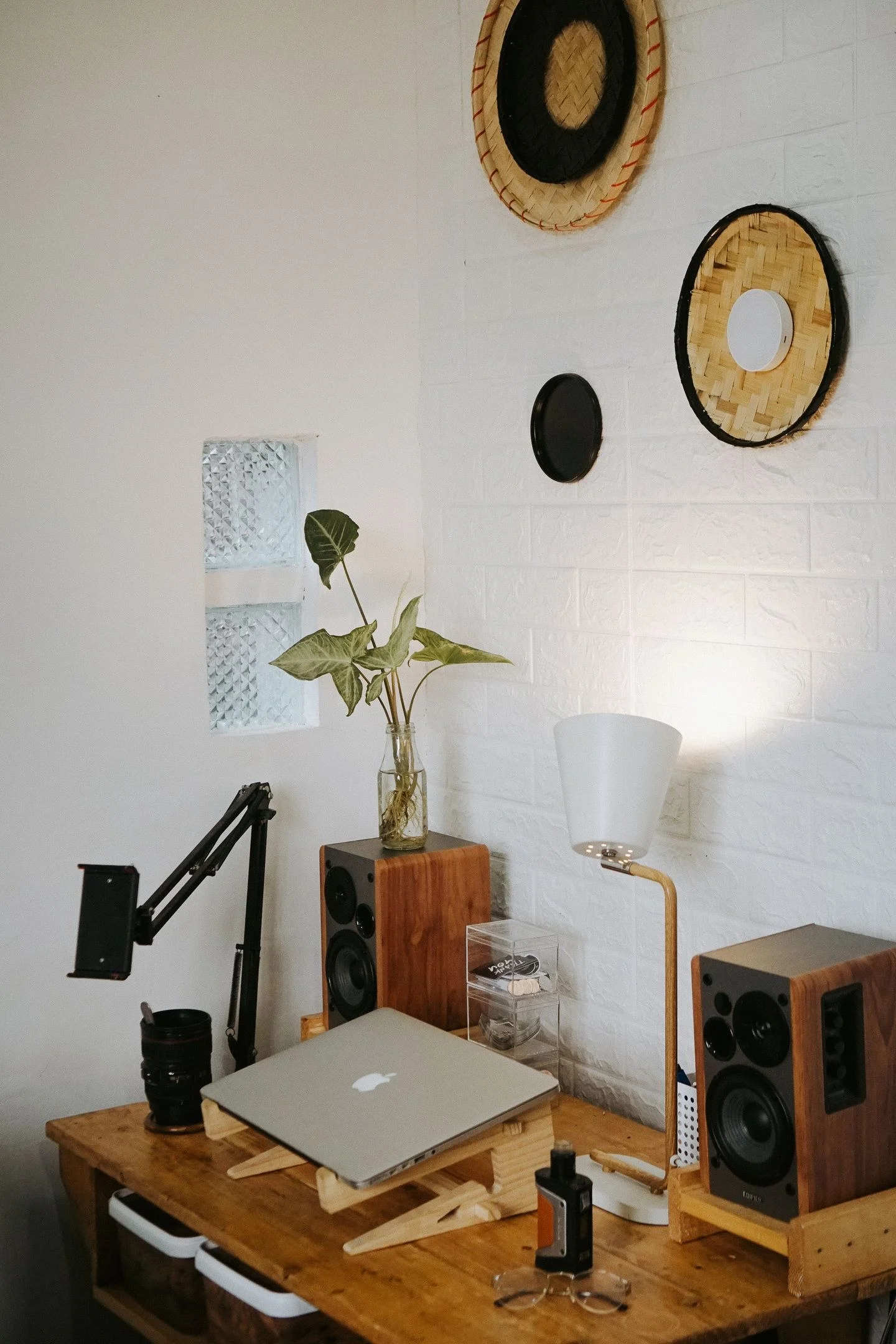
IKEA's home desk guidance treats hobbies as one reason to choose a work surface. Apply the same task-first approach to your home: determine the working area and equipment needs before choosing a desk simply because it fits an empty corner.
Agree on a reset point if the surface is shared. This might be before dinner or at the end of a session. Put-away storage should be close enough that the reset is a simple habit rather than a project of its own.
Finally, keep finished work from taking over active space. Give it a separate display, archive, or departure route. A small home can support a substantial creative interest when each stage has a place and the activity does not have to compete with its own accumulated materials.