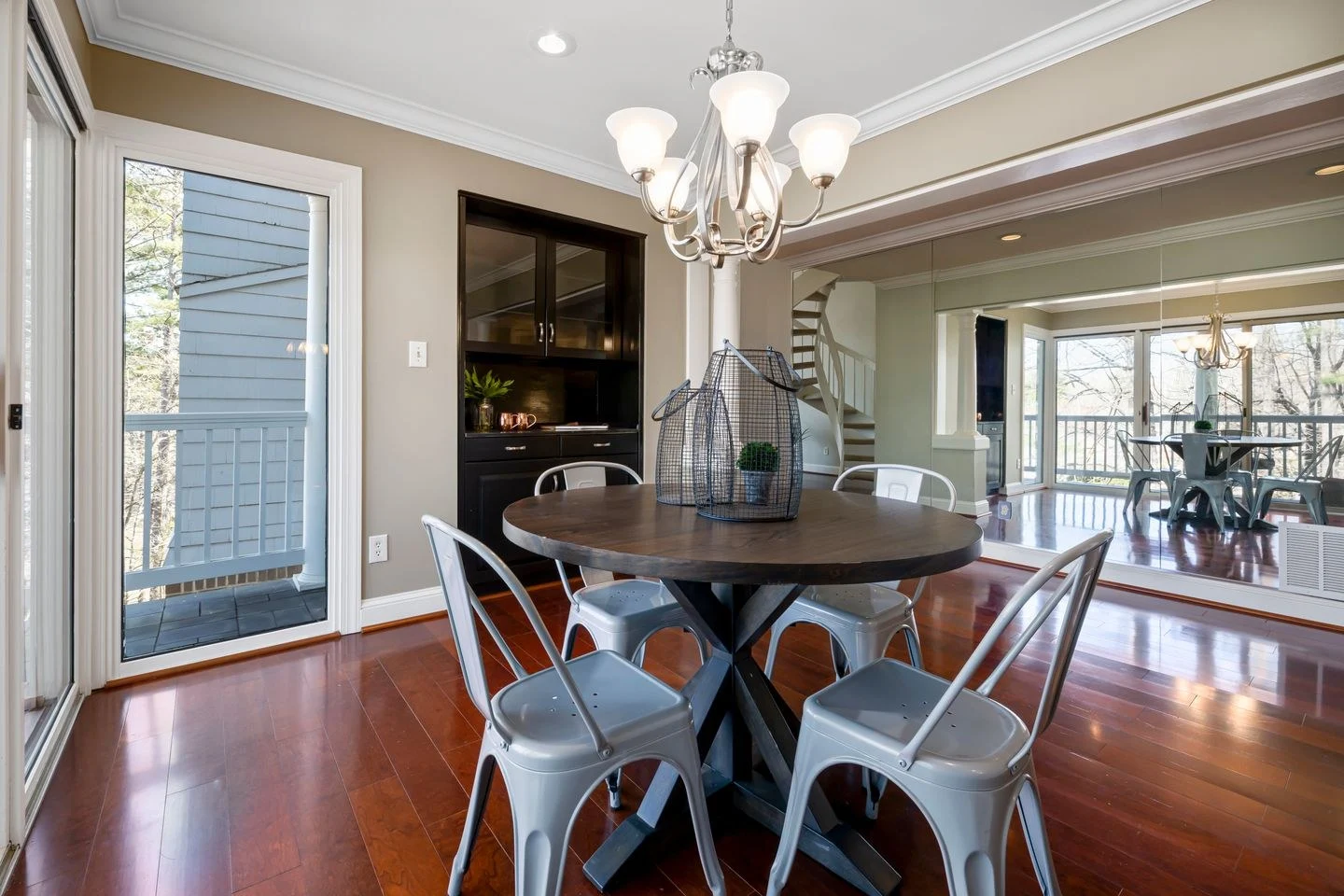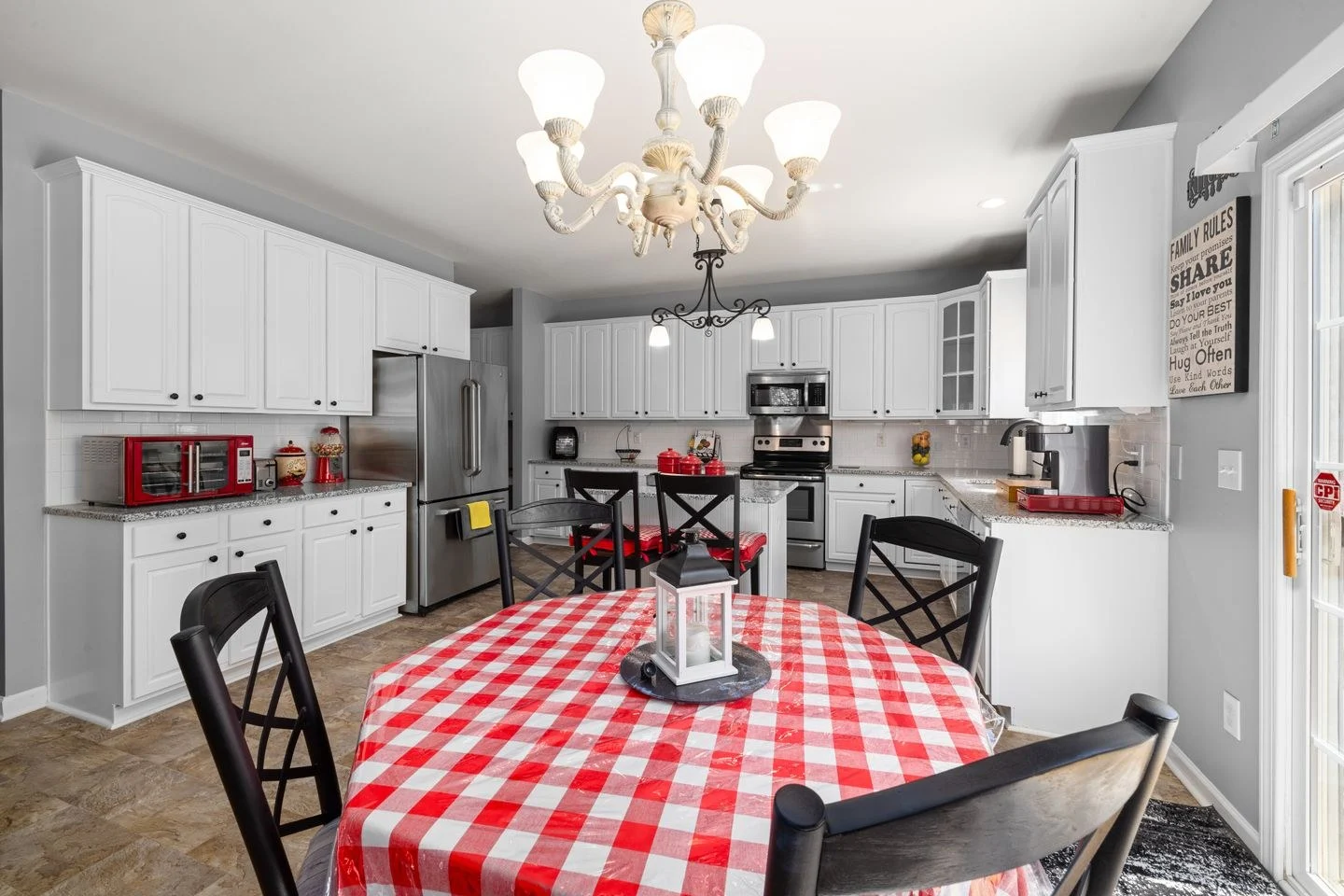
Tile, stone, metal, and painted cabinets can make a kitchen feel visually hard even when its layout works well. Textiles introduce a different surface, but they need to belong to the work of the room rather than collect around it.
Start with the things you already handle
Dish towels can contribute color without requiring a new object. Choose a small group that works with the cabinets and countertop, and give used towels a place to dry. A decorative towel draped near a burner is not an appropriate way to soften the room; keep fabric clear of heat and follow appliance clearances.
At a dining table, cloth napkins, placemats, or a runner can change the texture more substantially. Use one or two of these according to the meal rather than layering all of them automatically. Check whether the care routine suits everyday spills and your laundry habits.
Consider the window's location
A fabric shade or curtain can add a broad area of softness, but a window beside a sink or cooking surface needs careful assessment. Splashes, grease, heat, and required clearances may make another treatment more suitable. Choose a product intended for the conditions and keep its operation safe and accessible.
Where children live or visit, use cordless window coverings and follow the relevant safety guidance. A cheerful fabric is not a reason to accept accessible cords. If the window is part of an exit route, do not obstruct it with complicated layers or furniture.
Decide whether the floor needs fabric
A kitchen rug can add color and comfort underfoot, but it must lie flat and stay clear of appliance doors and walking hazards. Check backing compatibility with the floor, cleaning instructions, and how it behaves when damp. A washable label does not guarantee that a large rug fits your machine or dries quickly in your home.
An eat-in area may be a better place for a textile than the main cooking route. Seat cushions can help on suitable chairs, provided they remain securely positioned and do not raise the seat awkwardly under the table. Removable covers may make care easier if their instructions fit your routine.
Keep the palette connected to the room's fixed materials. A stripe can echo cabinet lines; a muted color can relate to a countertop detail. You do not need matching towels, curtains, chair cushions, and rugs. One substantial textile and a few useful smaller pieces can provide enough softness while leaving the kitchen easy to work in.