The small appliance that stays on the counter should earn its space through use or difficulty of storage. A heavy mixer used twice a week may deserve a permanent place, while a lightweight gadget used twice a year may not. Frequency matters, but it is not the only test.
Separate storage space from operating space
An appliance can fit inside a cabinet and still need to come out before use. Follow its manufacturer's instructions for ventilation, heat, steam, and surrounding clearances. Do not operate a toaster, air fryer, coffee maker, or similar appliance inside an enclosure unless the product and installation are specifically designed for that arrangement.
Measure the device with lids, handles, trays, and water reservoirs in their working positions. A coffee maker may need room above to refill; a food processor may need room to remove its bowl. Include the plug and cable route rather than measuring the housing alone.
Keep the operating surface stable, suitable for the appliance, and close to an appropriate outlet. Follow electrical instructions and avoid trailing cables across a sink, cooktop, or passage. If the existing location cannot meet the requirements, choose another location or seek a qualified electrical assessment.
Store by handling difficulty
Heavy appliances are often awkward on high shelves. Choose a location where they can be moved safely, or keep them on a suitable permanent surface. Check shelf and cabinet capacities. A pull-out or lift mechanism must be designed and installed for the actual load; it is not a universal solution for every cabinet.
Light, occasional appliances can move farther from the main preparation area. Keep attachments together so retrieving the device does not require searching three drawers. A labeled container can help, but avoid sealing anything away before it is clean and dry according to its care instructions.
IKEA's counter-organization guide recommends grouping items by task and keeping frequently used equipment accessible. Use that principle selectively: a breakfast area may hold the coffee maker and mugs, while baking attachments can live in a cabinet rather than beside the kettle.
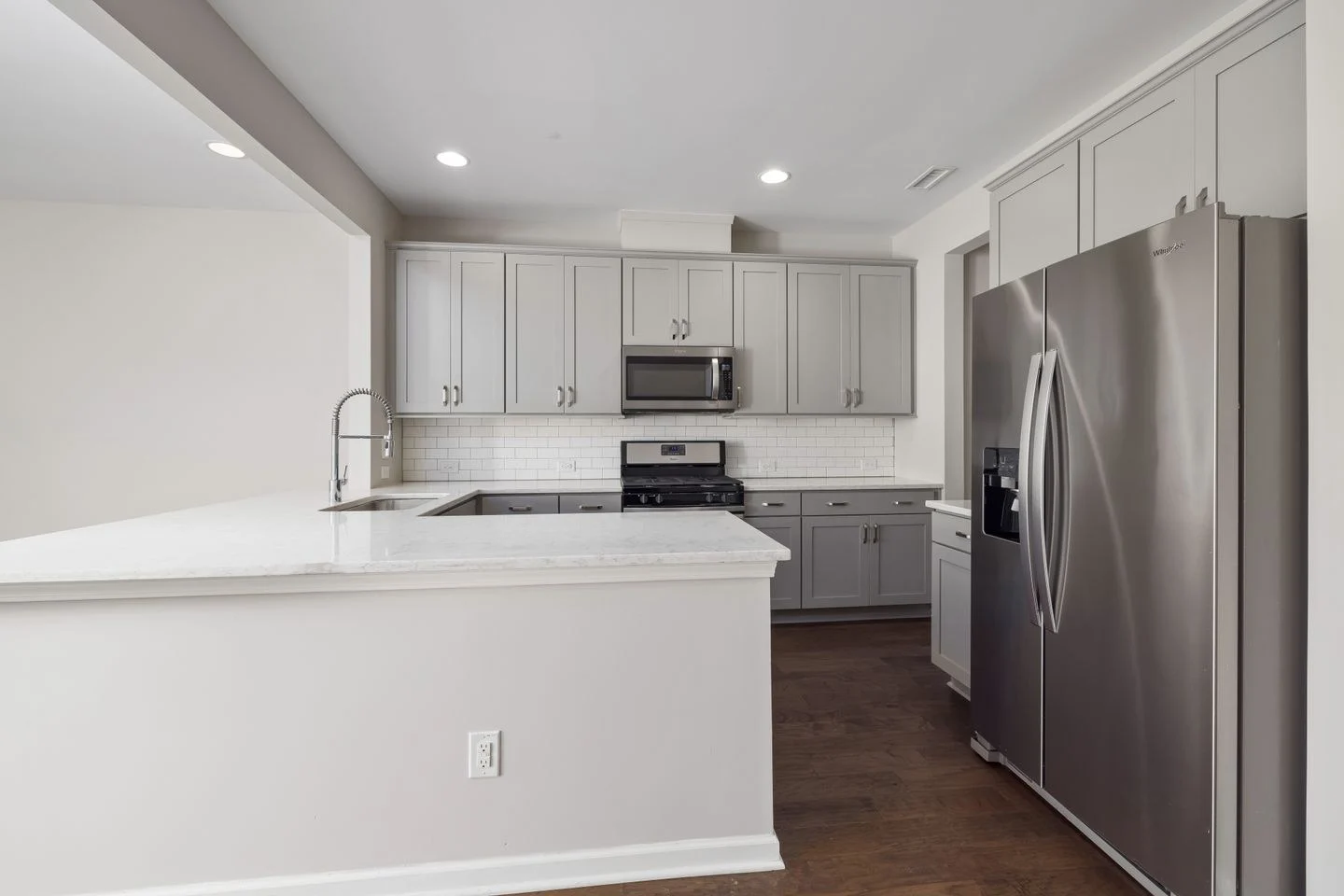
Preserve one uninterrupted preparation area
A counter covered with useful appliances can still be unusable for cooking. Reserve a clear area large enough for the tasks you perform most often. A tray can collect accessories near one appliance, but the tray itself should not consume the last available chopping space.
Try removing one low-use appliance from view for a week. If you never retrieve it, its new storage position may be appropriate. If taking it out becomes a daily inconvenience, give it a better home and move something less useful instead. The aim is a counter that supports your actual routine, with enough open space left to prepare a meal.