Dining-room storage does not have to mean a tall glass-front china cabinet. The best piece depends on what you serve, what you keep, and how often the room changes from eating to another activity.
Start with an inventory of dishes, linens, serving pieces, and occasional items. Separate the things used every week from those brought out once or twice a year. A dining room may only need to hold the first group, leaving bulky seasonal pieces in another suitable location.
Match the interior to the collection
Measure the largest platter and tallest pitcher before choosing a cabinet. Adjustable shelves can be helpful, but check their load limits and the space lost to hinges or dividers. A shallow sideboard can hold plates well while failing to accommodate a large serving bowl.
Drawers are useful for napkins, placemats, and small accessories. Broad, shallow compartments can be easier to manage than deep drawers where everything stacks. Keep table linens clean and dry, and avoid overfilling them so heavily that removing one item disturbs the rest.
Give the top a job
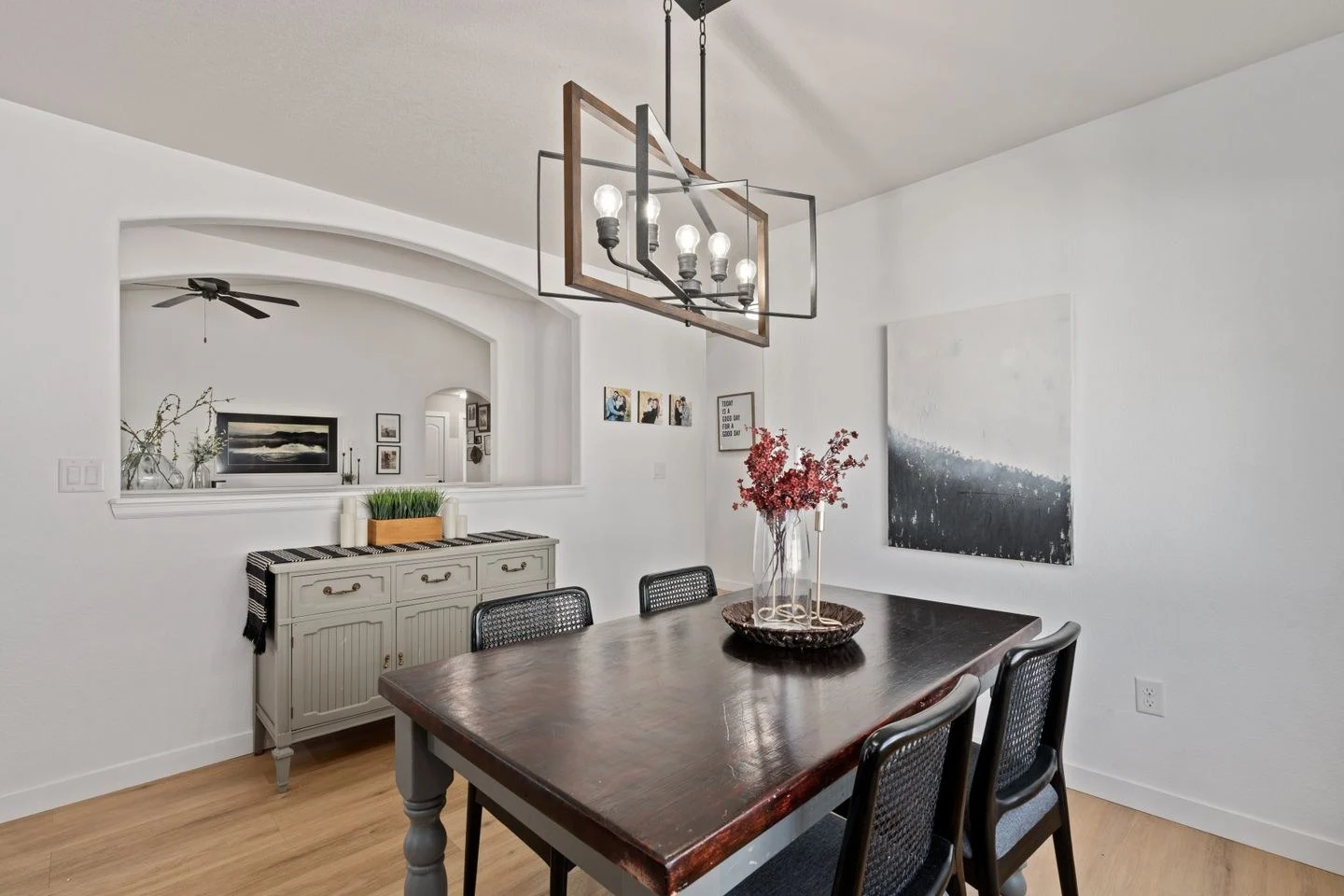
A sideboard can provide a serving surface, a place for a lamp, or simply a visual anchor. If it serves food, leave enough clear space and use protection appropriate to its finish. A permanent display covering the entire top removes that function.
Check the route between the kitchen, sideboard, and table. Open cabinet doors and drawers while chairs are pulled out. A cabinet that fits along the wall may still crowd the room during a meal. Its working depth matters as much as the closed footprint.
Consider a smaller or shared solution
A compact cabinet can hold the essentials without dominating the dining area. A shelf in an adjoining pantry or kitchen may be more convenient for dishes used daily. A bar cart can suit a specific serving routine, but it is not a general substitute for secure storage of heavy or fragile collections.
Open shelves make objects easy to see but also keep them exposed to dust and everyday visual clutter. Use them for things you are happy to display and maintain. Closed storage can carry the less orderly items without requiring matching containers.
Secure furniture according to its instructions and wall conditions. CPSC's anchoring guidance applies to dining storage as well as bedroom dressers. Keep heavier objects within the piece's intended loading arrangement and avoid displays that invite children to climb. The room can remain welcoming and functional with one modest storage piece when its interior is planned around the objects that actually belong there.