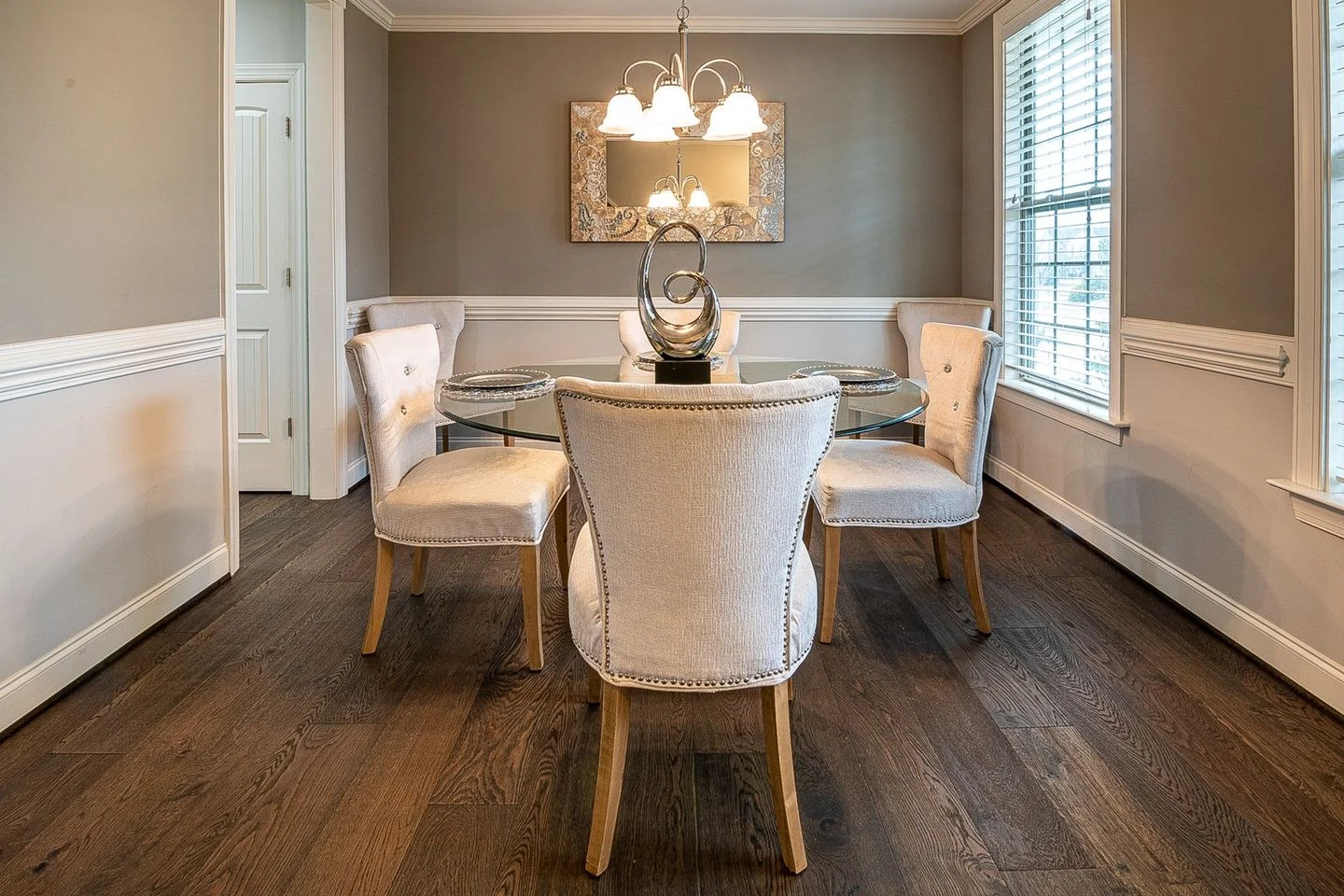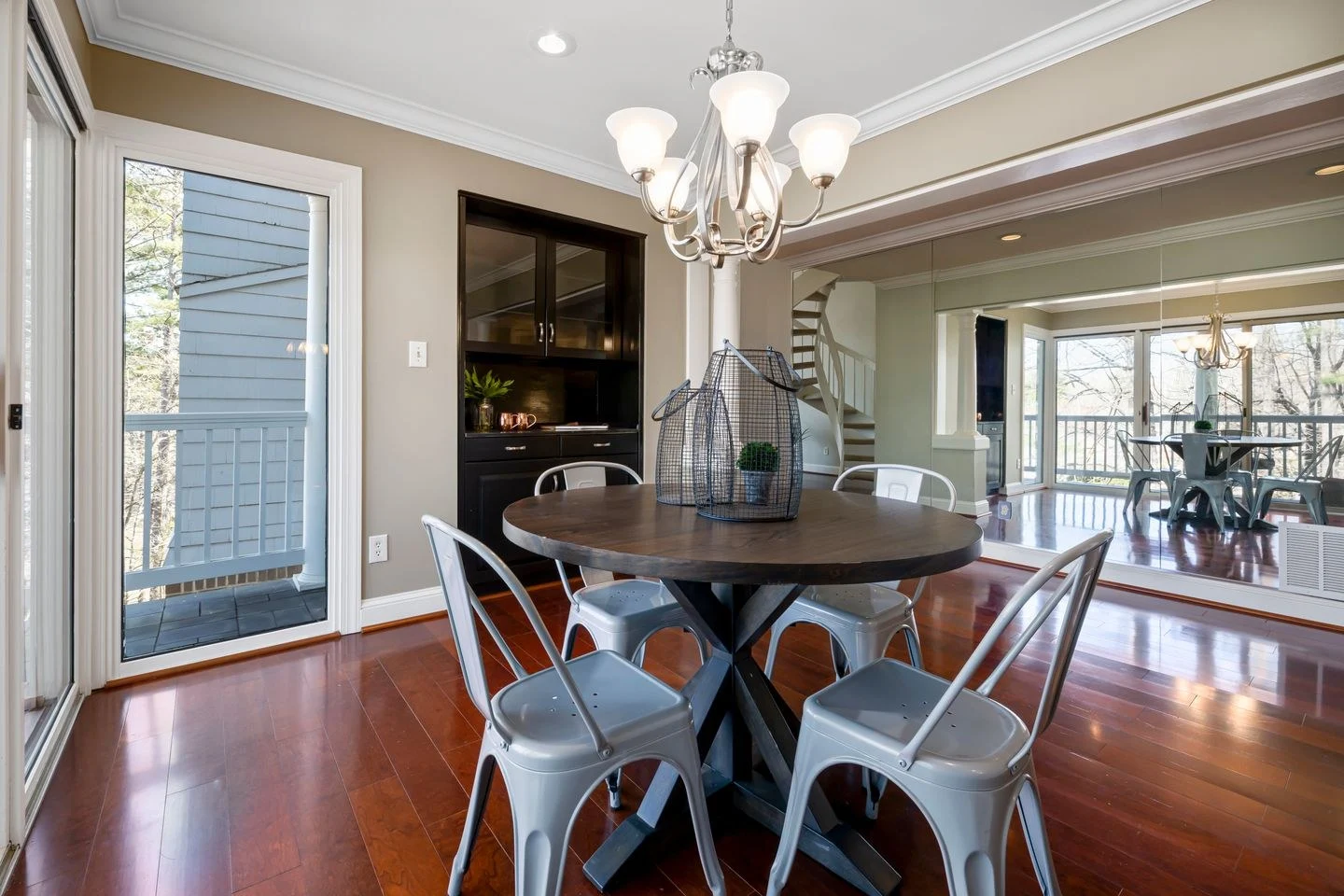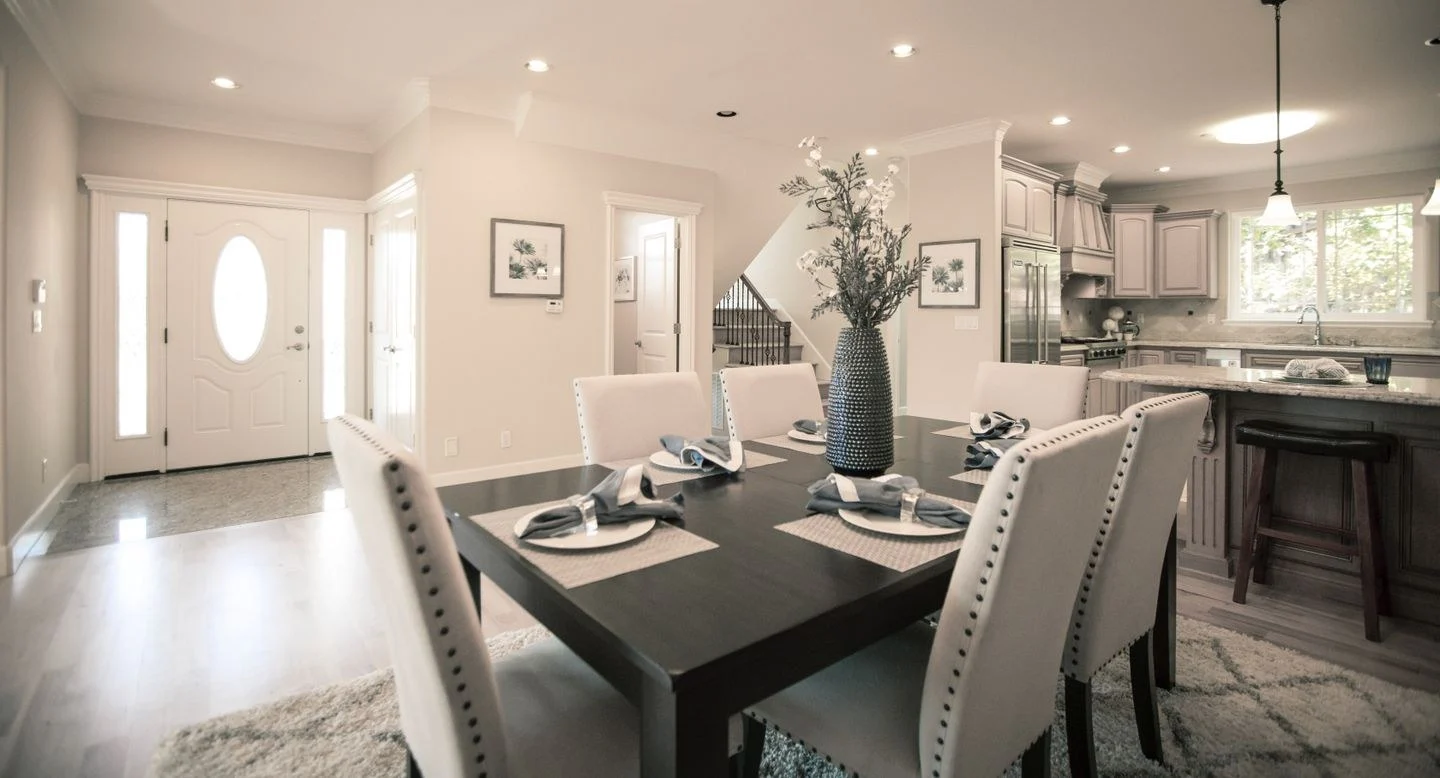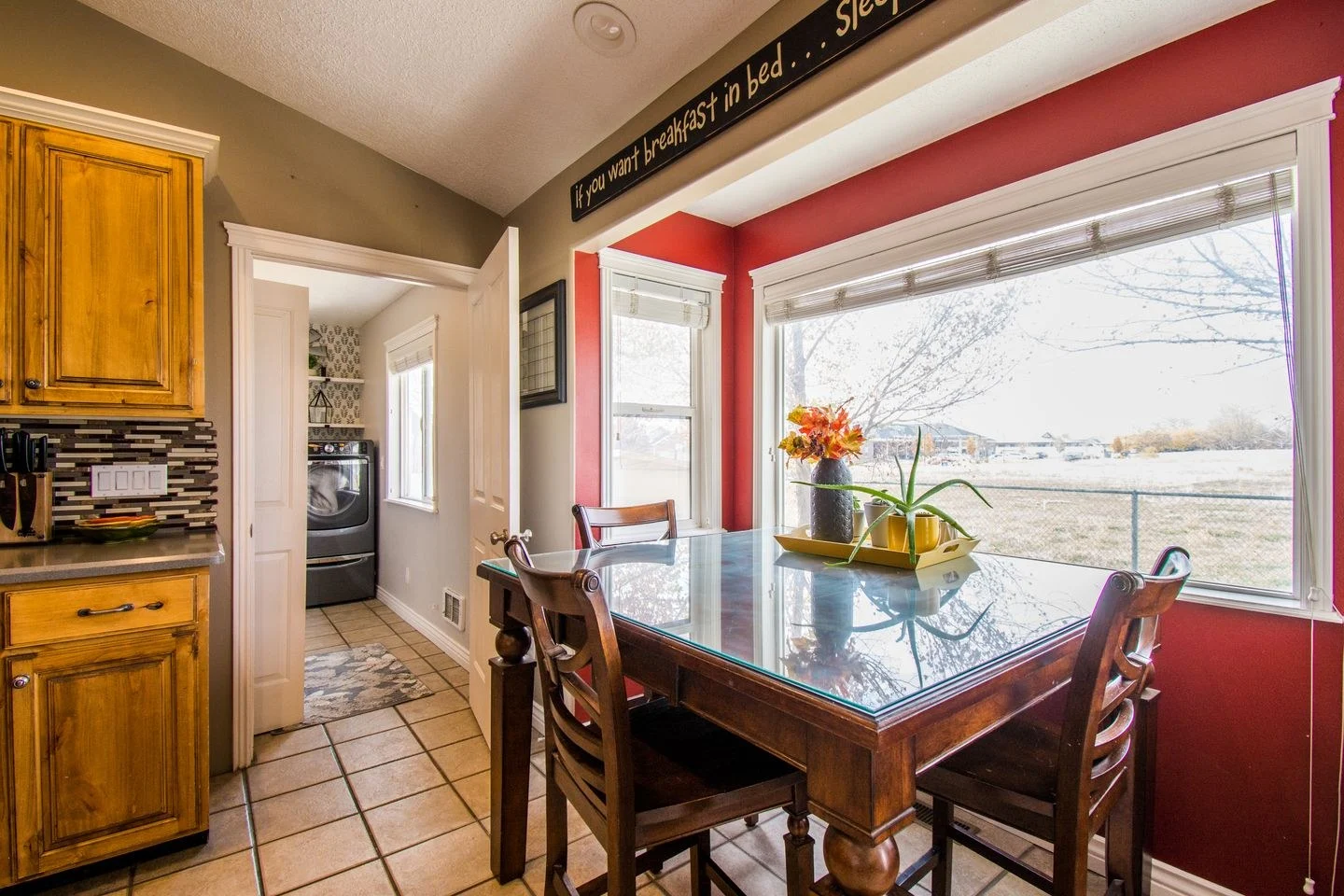
The material name on a dining table does not tell you its whole care story. Two oak tables can have different finishes and different maintenance requirements. Ask what protects the surface before deciding whether it suits everyday meals.
Read the care instructions before the price tag wins
Look for the exact finish: lacquer, paint, oil, wax, or another specified coating. The manufacturer's instructions should explain cleaning and any periodic treatment. Room & Board's wood-care guidance separates care by finish and notes that moisture and heat can damage wood finishes. Do not assume a solid-wood top is impervious simply because it is thick.
Consider your normal habits. If the table hosts breakfast, homework, craft projects, and dinner, its care requirements must fit that routine. A finish that needs prompt attention to spills may still be appropriate, but everyone using the table needs to understand the expectations. Protective mats and trivets should be easy to reach, not stored in an inconvenient cabinet.
Compare surfaces in ordinary light
Glossy finishes reflect more of the room and can make marks or fingerprints noticeable in certain lighting. A matte finish has a different appearance but is not automatically more durable. Texture, color, coating, and lighting all affect what you see.
Ask for a sample where available, or examine a showroom table from several angles. A dark, smooth top may show dust differently from a lighter, grained surface. Do not test stains or scratch resistance on a display without permission. Request the manufacturer's performance and care information instead of relying on an informal demonstration.
A strongly textured or grooved surface can add character but may be less convenient for writing or cleaning crumbs. A suitable writing mat can help if homework is common. Decide whether the table's appearance is worth that extra step.
Understand maintenance and repair
An oiled finish may have a periodic renewal routine, while other coatings call for different care. Follow the exact product guidance; applying oil to an incompatible finish can create problems rather than protection. Ask how visible damage is typically repaired and whether professional refinishing is possible or recommended.
Veneer and solid wood require different assumptions about repair. Do not plan to sand a surface repeatedly without knowing its construction. Edges, extensions, and seams also deserve inspection because the top is not always one uniform material.
For an extendable table, ask how the leaves should be stored and cared for. Natural wood can change appearance with exposure over time, and stored leaves may not age identically to the main top. Follow the manufacturer's recommendations rather than expecting an exact permanent color match.
Choose a routine you can keep
The right finish is the one whose appearance and maintenance tradeoffs you accept. No table needs to be treated as untouchable, but none should be described as maintenance-free without evidence. Keep the approved cleaning instructions with the purchase record, and place suitable surface protection where it will actually be used. That practical arrangement matters as much as the finish you select.