A drop-leaf table offers several sizes within one piece of furniture. That flexibility is valuable only if the sizes correspond to how you actually eat, work, or host. A table that is compact when closed but must remain fully open every day is effectively a full-size table with extra hinges.
Map three positions
Record the dimensions with both leaves down, one leaf open, and both leaves open. Draw each position on the floor plan, including the base. Some bases remain substantial even when the top folds narrowly, and their shape can affect where a chair fits.
Add the occupied chair footprint, not just the chair pushed under the table. Check the route to the kitchen and any nearby cabinet doors. If the table moves to expand, decide where it will move and whether that operation is realistic for the household.
IKEA's gateleg and multifunctional table range illustrates different combinations of folded size, storage, and support. Compare the actual product drawings rather than assuming that all drop-leaf tables open in the same way.
Sit at the useful positions
The top may have enough area for two place settings while a central cabinet or gateleg restricts knees. Test the intended seating positions in person when possible. Armchairs and broad chair bases need particular attention around support legs.
For daily meals, check whether one leaf gives enough room for plates, glasses, and serving dishes without placing items precariously near the edge. A table used for work may also need a stable central area for equipment; do not assume a folding leaf has the same permitted load as every other part of the top.
Consider the conversion effort
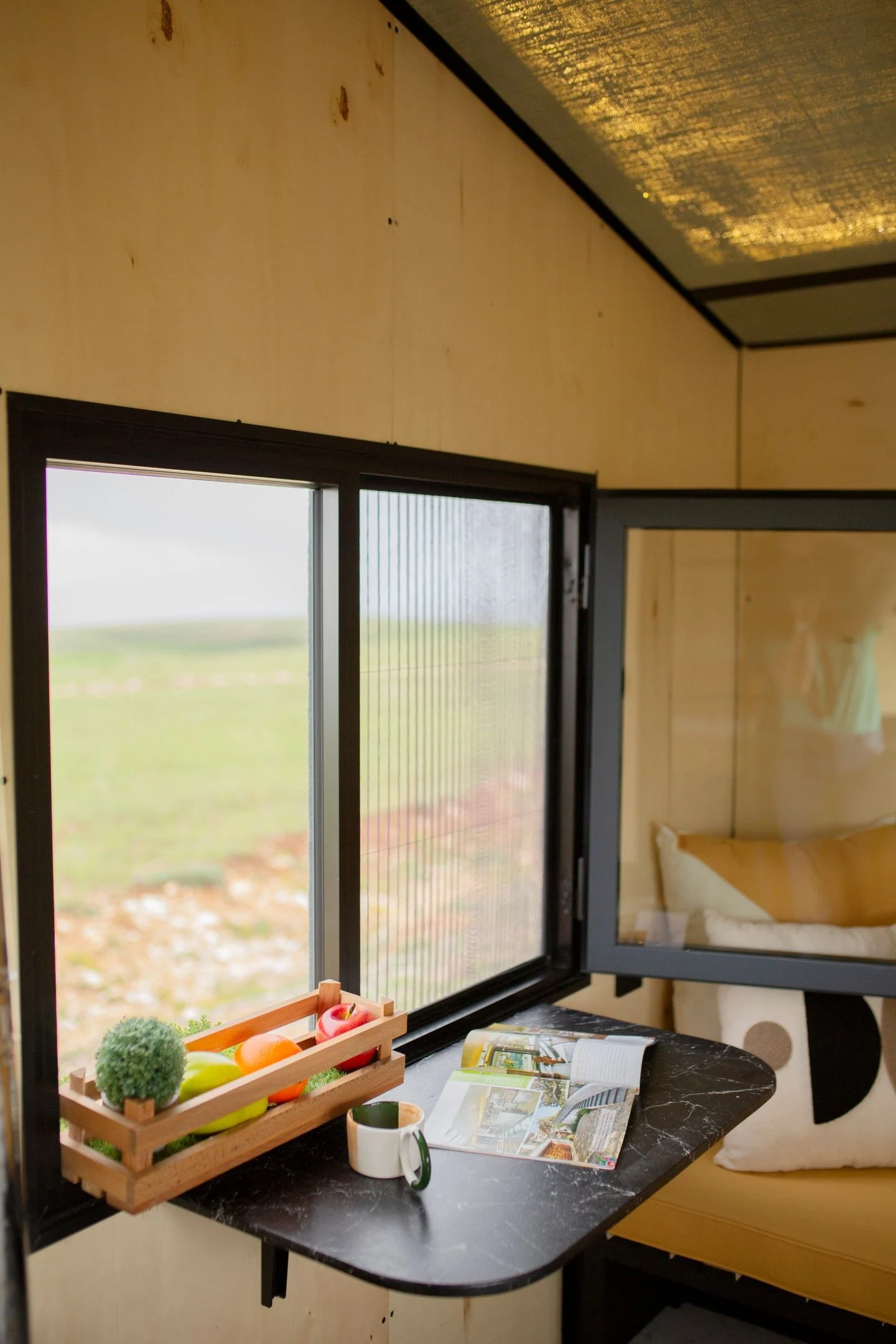
Operate the mechanism according to the manufacturer's instructions. Notice whether the leaf can be supported and secured comfortably, and whether the table must be cleared before changing its size. A feature that requires several awkward steps may be used less often than expected.
If there are drawers in the center, check access in each position. Storage is less useful when it can only be opened after moving chairs or raising a leaf. Decide what belongs there: napkins and placemats may make sense, while heavily used work tools may need a more accessible drawer.
Plan where extra chairs live when the table is small. Folding chairs still need storage, and stools should not be assumed suitable for every diner. The table's flexibility is only one part of the hosting arrangement.
For a final test, mark the open outline with removable tape and arrange the actual chairs around it. Walk past while another person is seated. The table is a good choice when its smallest everyday position is useful and its larger position remains comfortable, not merely possible.