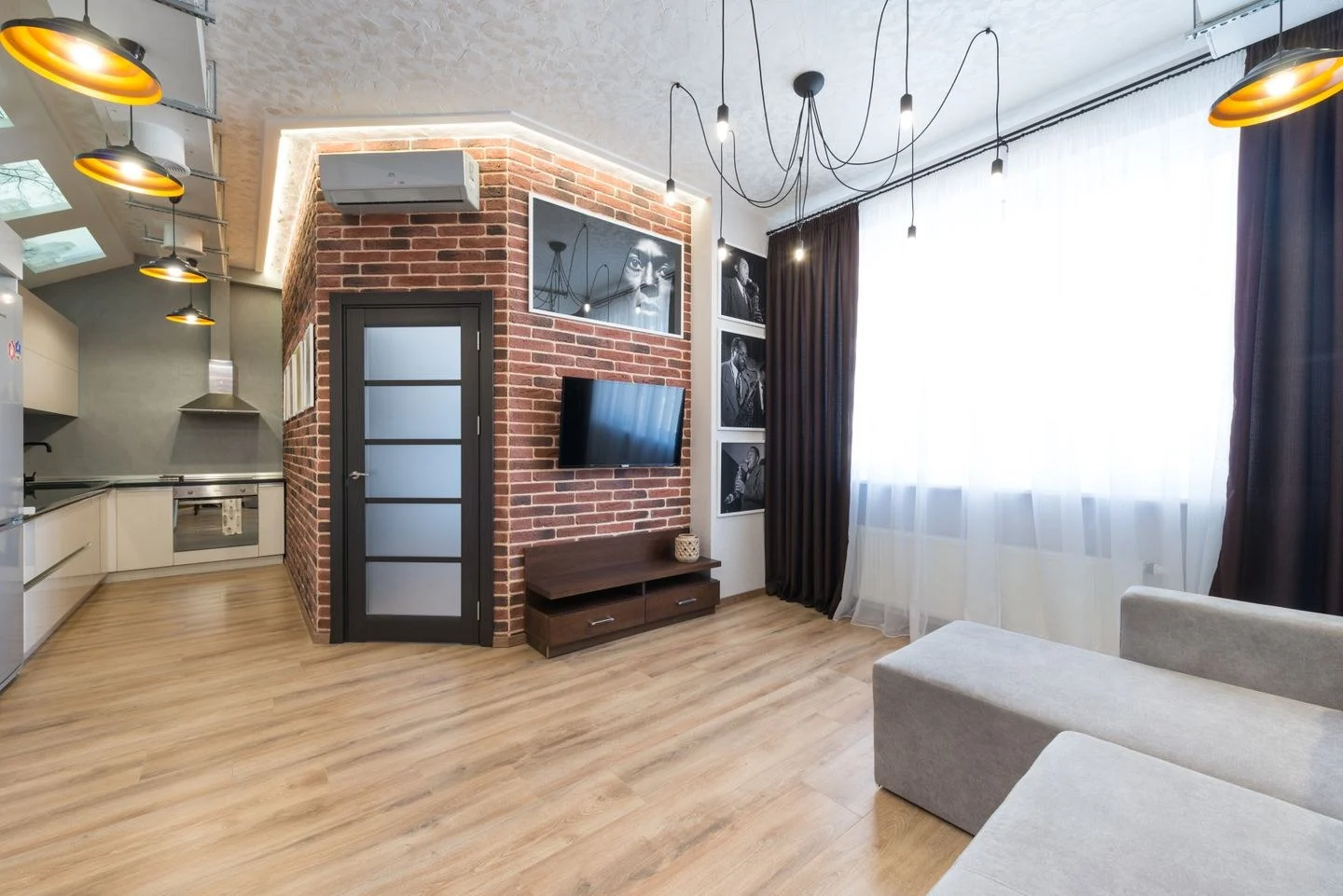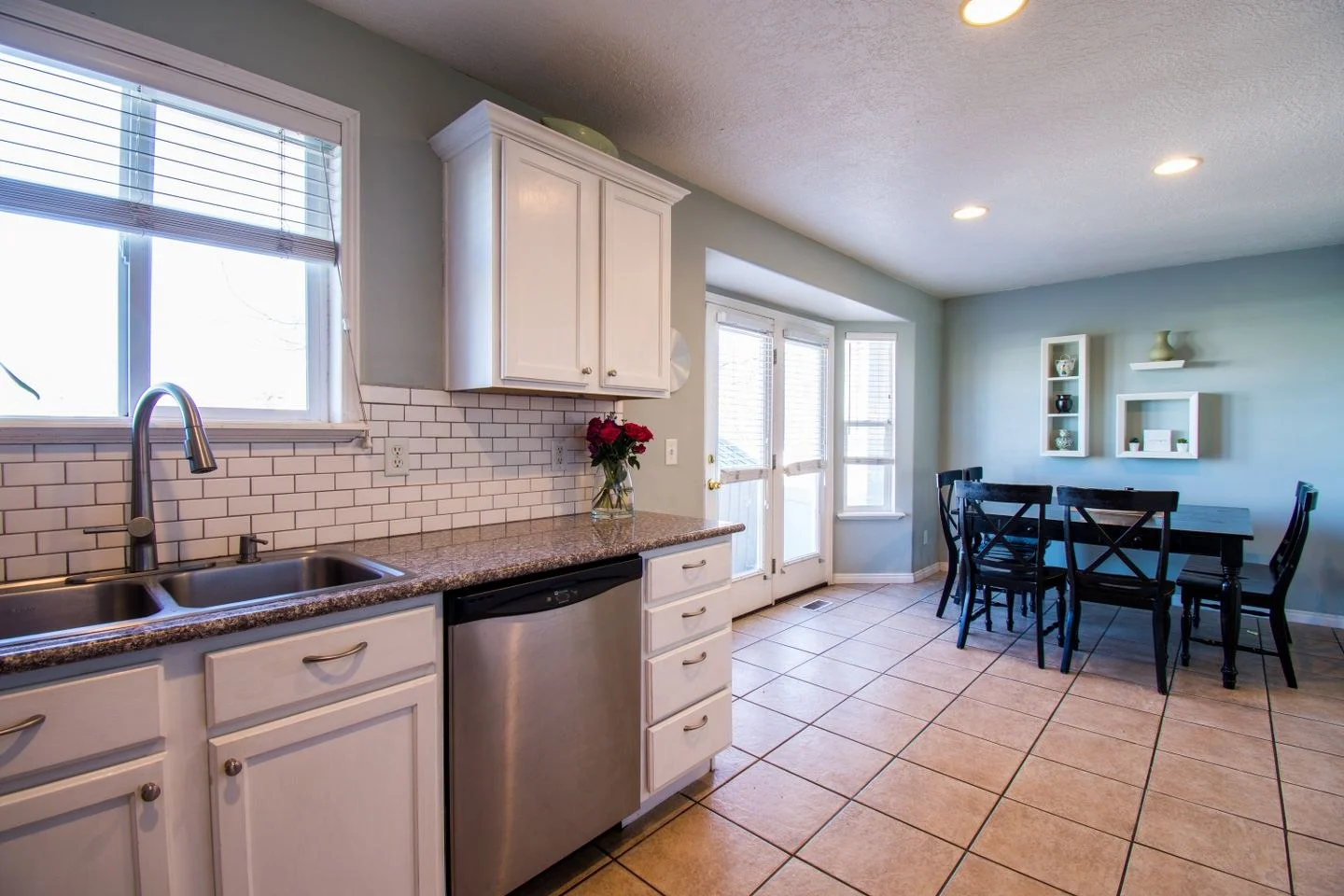
The space beside a kitchen often looks large enough for a table until the chairs are occupied and a cabinet door is open. Plan the dining area as a working neighbor to the kitchen, not as an empty rectangle waiting for furniture.
Mark the route from food preparation to the table and from the table to the sink. Keep those movements clear. A chair placed directly in front of a frequently used drawer can turn every meal into a negotiation.
Compare the shape with the room
A round table can soften a corner and remove projecting tabletop corners, but its chairs still need space around the curve. A rectangular table may sit more neatly along a wall or bench. A small oval can offer a different balance. Compare the complete occupied arrangement instead of assuming one shape always saves space.
Look at the base as well as the top. A central pedestal can give diners more freedom to position chairs, while a wide base may limit foot placement. Table legs at the corners can interfere with chair arms or a bench. Product dimensions rarely tell the whole story without a seating test.
Keep the everyday setting modest
Choose for the number of people who normally eat there. If occasional guests require more space, an extending or drop-leaf table may be useful, provided the expanded position has been planned. Extra capacity is not a benefit when it blocks the kitchen every day.
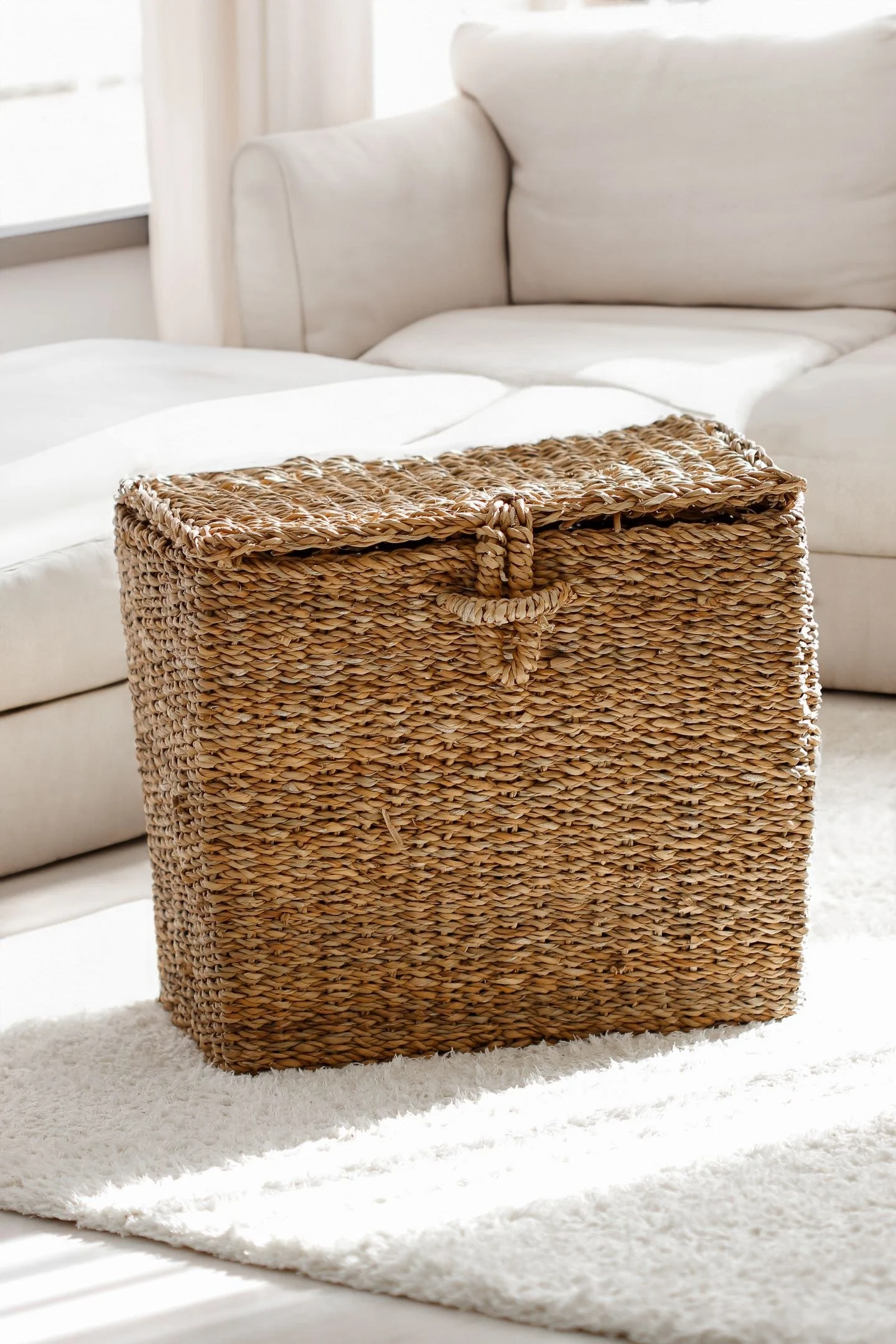
Use nearby storage for placemats and serving items so the tabletop does not become their permanent home. A compact dining area needs its surface available. If it also serves as a desk, give work materials a separate container that can be put away before meals.
Lighting should relate to the table's final position. Decide the layout before selecting a fixed overhead fixture, and have any installation handled appropriately. A portable lamp on a nearby cabinet can add atmosphere, but it should not create a cord across the route.
Finally, try a full meal setup with chairs pulled out. Open the relevant kitchen drawers and walk the serving path. The arrangement should work when used, not just when every chair is pushed in and the table is bare.