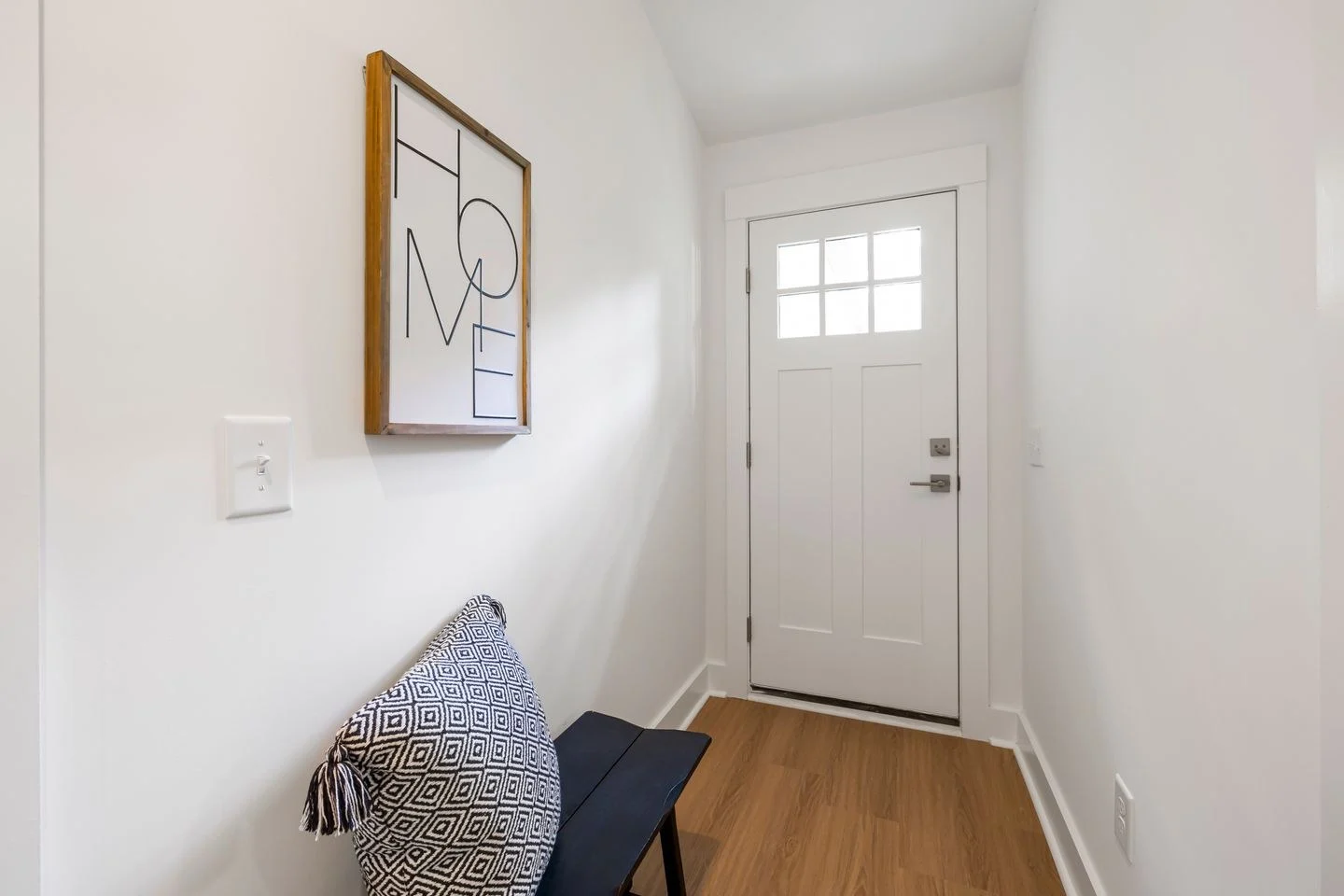
A narrow hallway is primarily a route. Storage belongs there only if it supports that route without making it awkward. Before choosing a console, walk through while carrying the largest ordinary item that passes along it, such as a laundry basket or grocery bags.
Mark door swings and any places where people turn or pass one another. The shallowest section may be the wrong place for even a slim cabinet. A wider recess farther along the hall could be more useful, despite being less obvious from the entrance.
Match depth to the daily objects
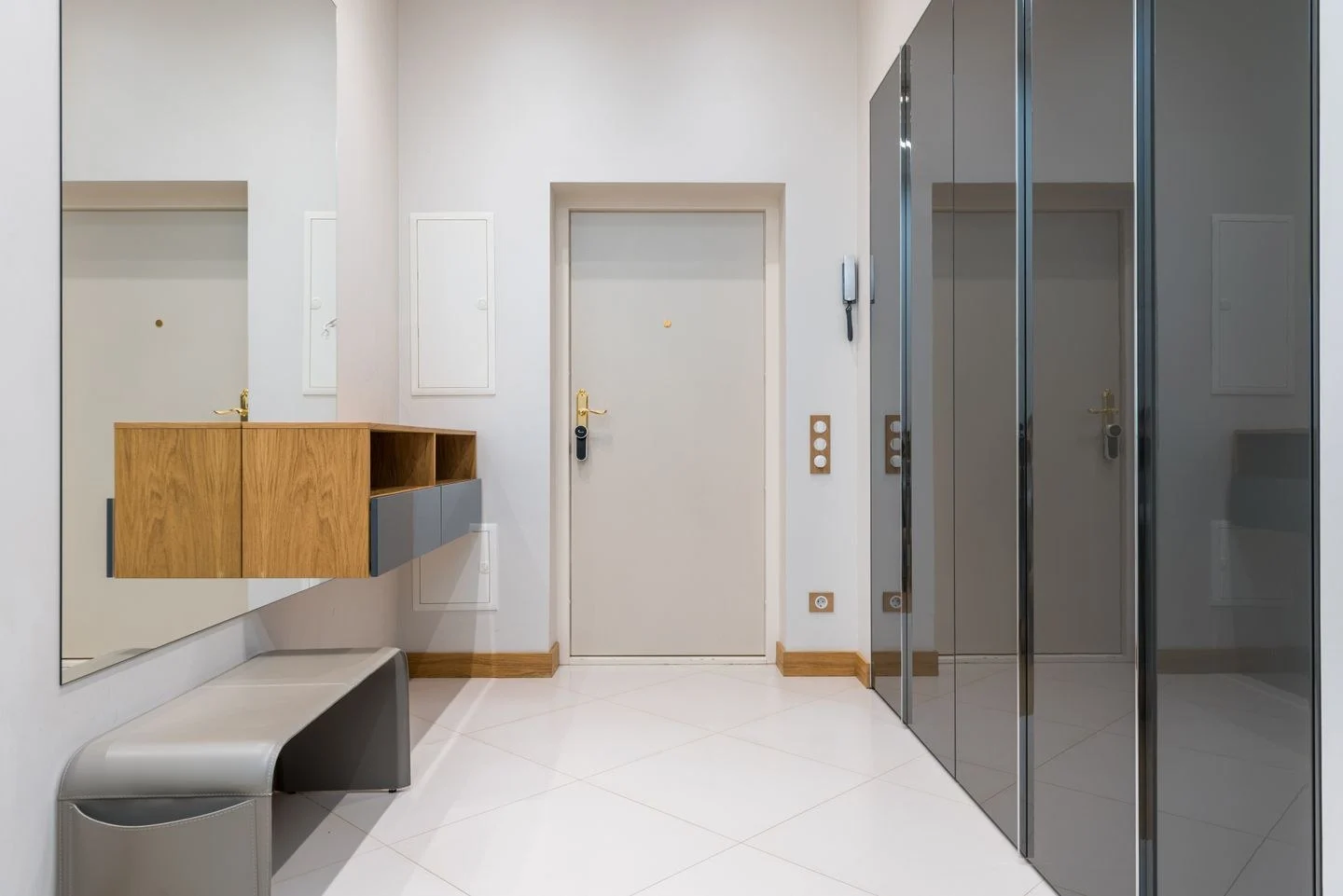
Keys and mail need very little depth. Shoes, handbags, and helmets need considerably more. Combining all of them into one narrow piece may produce storage that holds none comfortably. Separate the small landing function from the bulkier storage if necessary.
A closed shoe cabinet can reduce visual clutter, but inspect its interior and opening movement. A tilt-out front needs space in the hallway while in use. Tall boots may need a different location. Measure the items rather than relying on the product's stated capacity.
Hooks can use wall space efficiently, yet hanging coats and bags project farther than empty hooks. Test the loaded depth before placing them opposite another piece. Mount them securely according to the hardware and wall requirements.
Keep the top surface selective
A narrow shelf can hold a small tray and one useful light where an outlet permits. It does not need a full decorative arrangement. Objects that can be knocked by a passing bag are poorly placed, however attractive they look from the end of the hall.
Use a mirror only where its reflection improves the view or helps with departure. A mirror facing a crowded storage area repeats that clutter. Its frame should fit the available wall without interfering with switches or doors, and mounting must suit its weight.
The hallway should still function when everyone is home and the storage is full. IKEA's small-hallway guidance focuses on narrow and vertical storage, but the final test is your occupied space. If coats, shoes, and bags regularly spill into the passage, reduce what is stored there or move a category elsewhere. A clear route is the most valuable feature the hallway can keep.