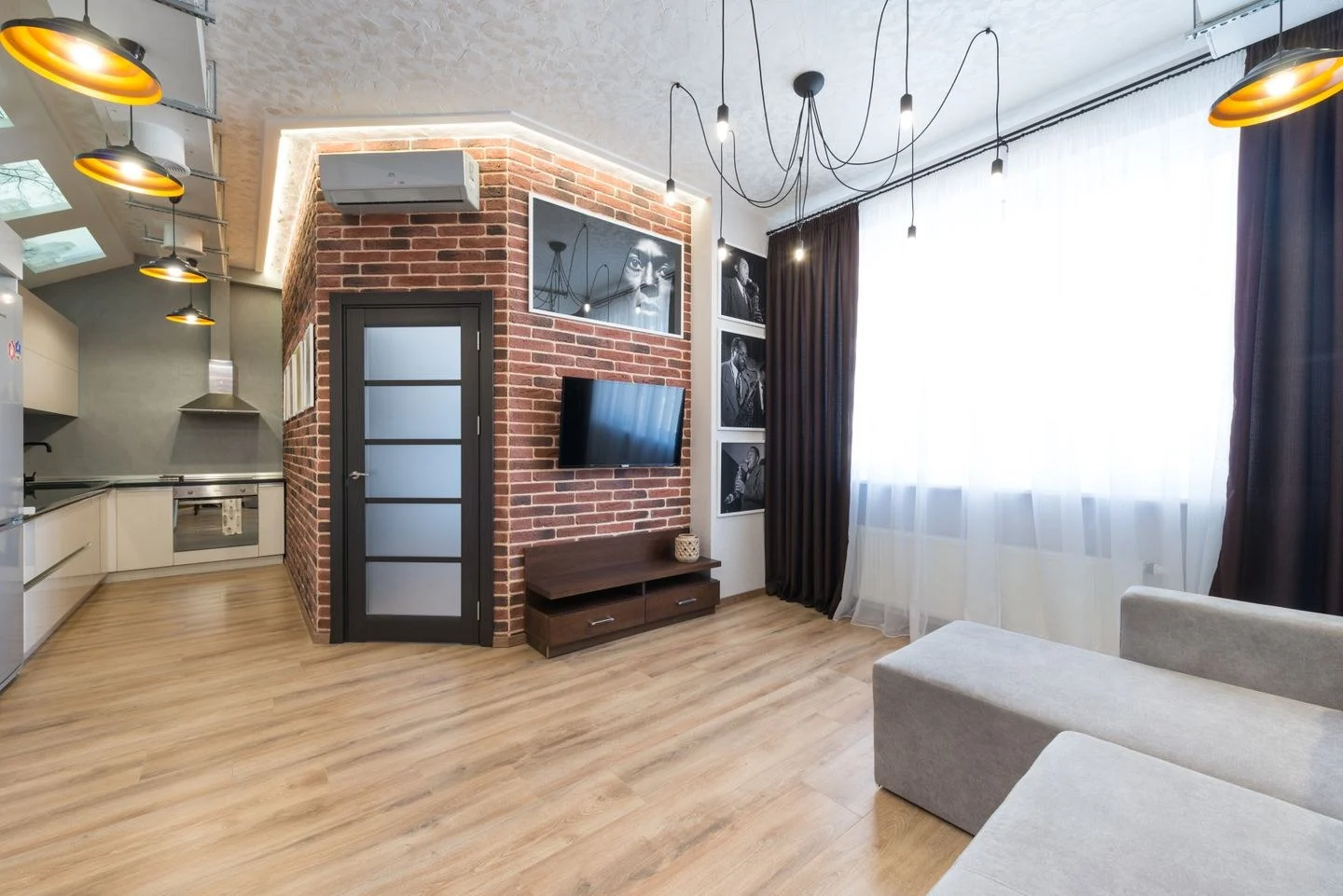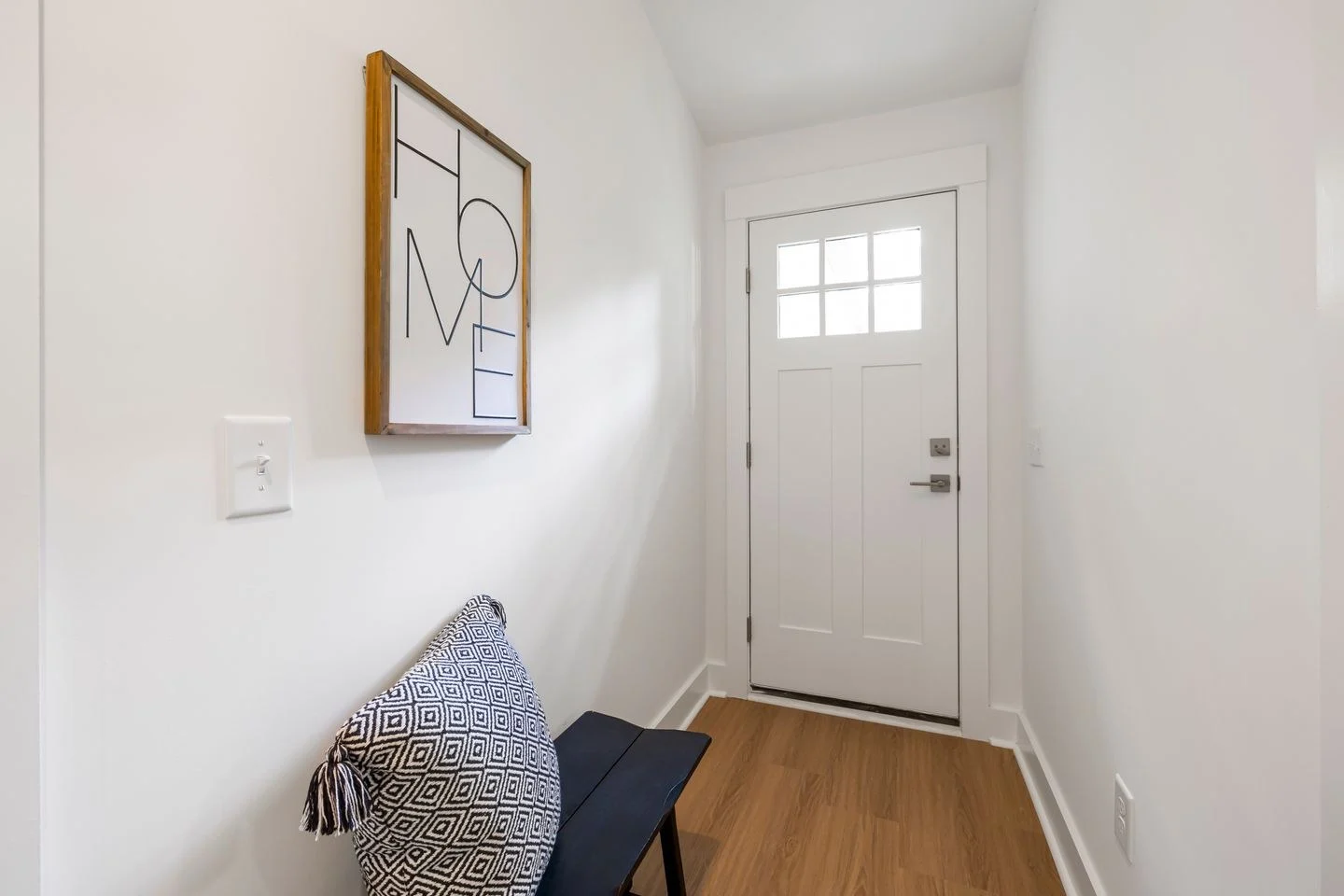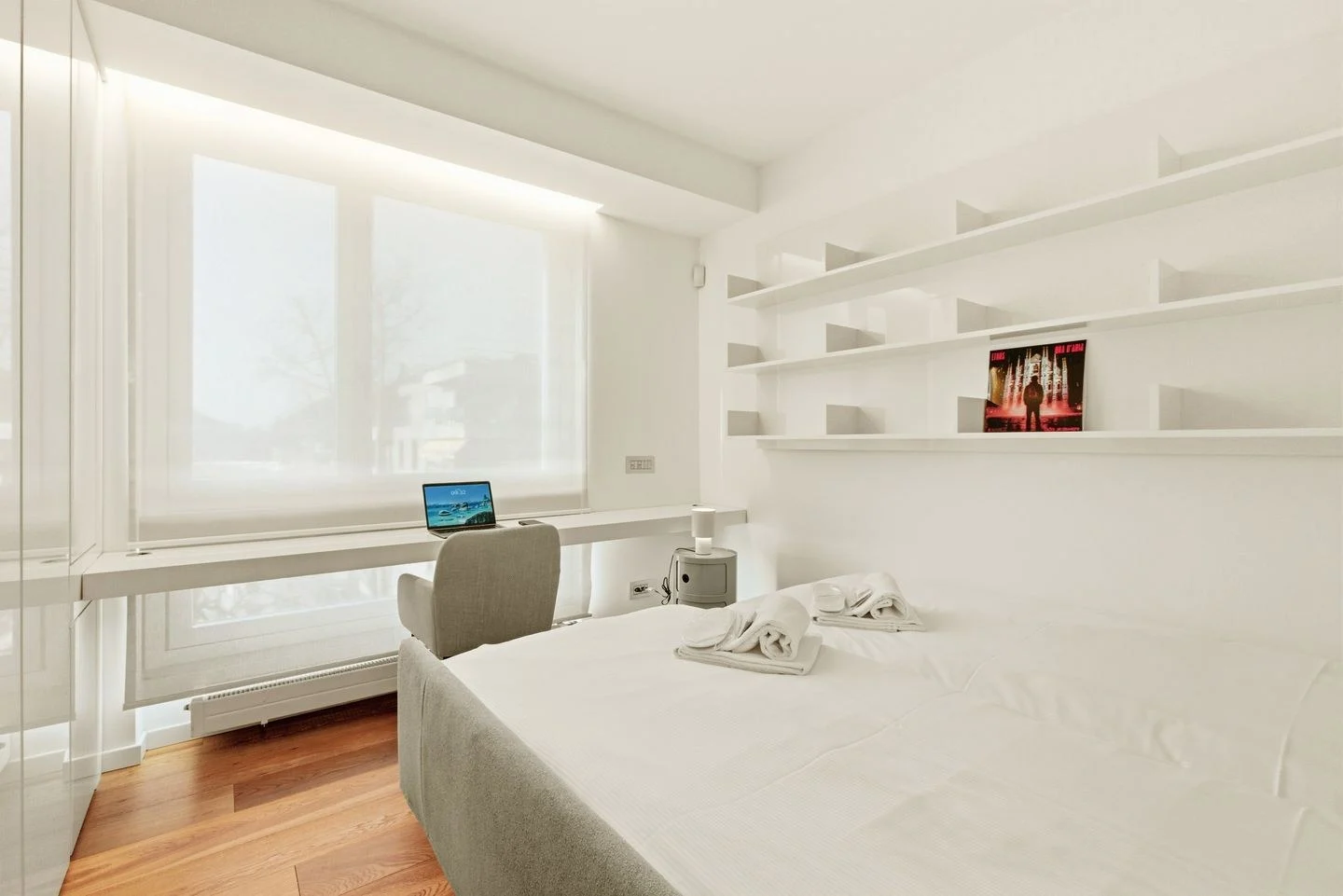
A multipurpose room can welcome overnight guests without becoming a permanently furnished guest bedroom. The arrangement needs more planning than simply selecting a sleeper sofa. When the bed is open, guests still need a route, a place for belongings, and access to the room's ordinary functions.
Plan the overnight version first
Draw the sleeping surface at its full open dimensions. Include the frame or mechanism, not only the mattress size. Then place the other furniture as it will actually stand overnight. A coffee table that must move needs a destination that does not block a hallway or door.
Check the route from the bed to the room's exit and bathroom. Preserve access to windows and required exits, and keep equipment and cords out of the path. A layout that works only with furniture balanced in another doorway is not ready for guests.
Room & Board offers several sleeper formats, illustrating that conversion mechanisms differ. Review the exact model's instructions and open footprint. A fold-out mattress, pop-up platform, and convertible back do not require the same surrounding space.
Make the transition manageable
Operate the sleeper in person if possible. Consider who will set it up and whether they can do so comfortably. Do not assume that a mechanism is easy because a product video shows one person using it. The room's tight corners and neighboring furniture can change the experience.
Choose companion furniture that moves realistically. A pair of lighter side tables may be easier to relocate than one heavy stone coffee table. If the room is also an office, the work chair and equipment should have an overnight position decided in advance.
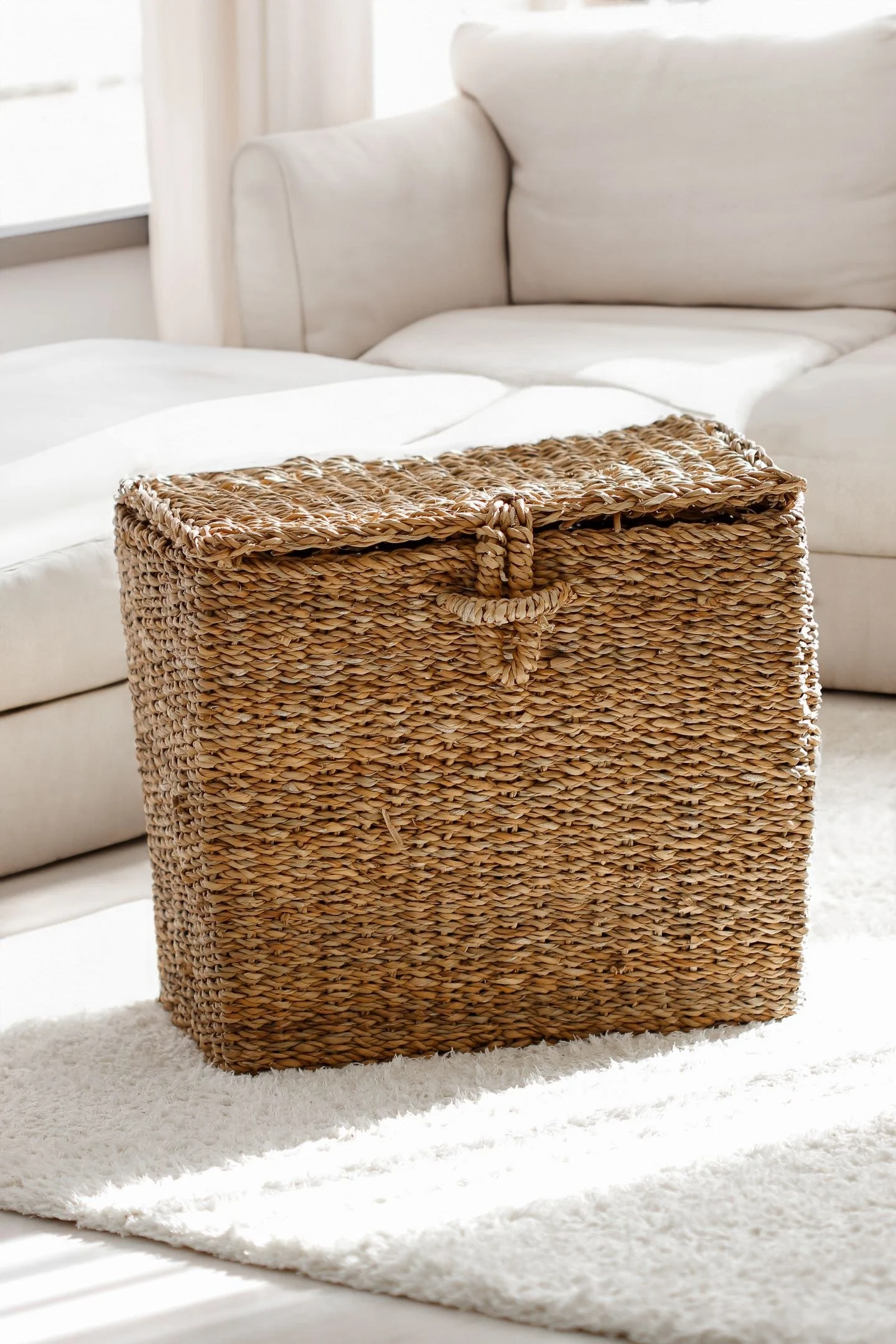
Store bedding close enough to make preparation simple. A fitted shelf or closed container can hold sheets and pillows, but check the volume before assuming a small ottoman will contain everything. Keep clean bedding separate from shoes, equipment, or items that may soil it.
Add the small things guests need
A reachable surface for a phone or glass and a light that can be operated from bed make a substantial difference. The surface does not have to be a permanent nightstand; a stable side table may do. Position cords safely and avoid asking guests to climb over furniture to switch off the light.
Provide a place for a bag and some clothing. Even a cleared shelf and a few available hangers can make the room easier to use. A room full of attractive storage that is entirely occupied by the household's possessions offers guests little practical storage.
Think about privacy in both directions. Curtains or blinds should suit the window, and the household should understand when the shared room becomes the guest's sleeping space. A screen may help with a sightline, but it does not create sound isolation or replace a door.
Test the morning reset
After the first trial, return the room to its daytime arrangement. Where do pillows go? Can the bed close with the required bedding removed? Does the coffee table return without scraping or lifting beyond what you can manage? Follow the manufacturer's instructions about what may remain inside the mechanism.
A successful guest arrangement is one the household can set up and put away without a major furniture shuffle. Occasional hospitality can be comfortable and considerate while the room continues to serve its main purpose on the other days of the year.