A guest should be able to wash their hands without wondering which towel is decorative. Clear placement does more work than a large collection of accessories. Begin with the few essentials someone will use immediately: soap, a usable hand towel, toilet paper, and a wastebasket.
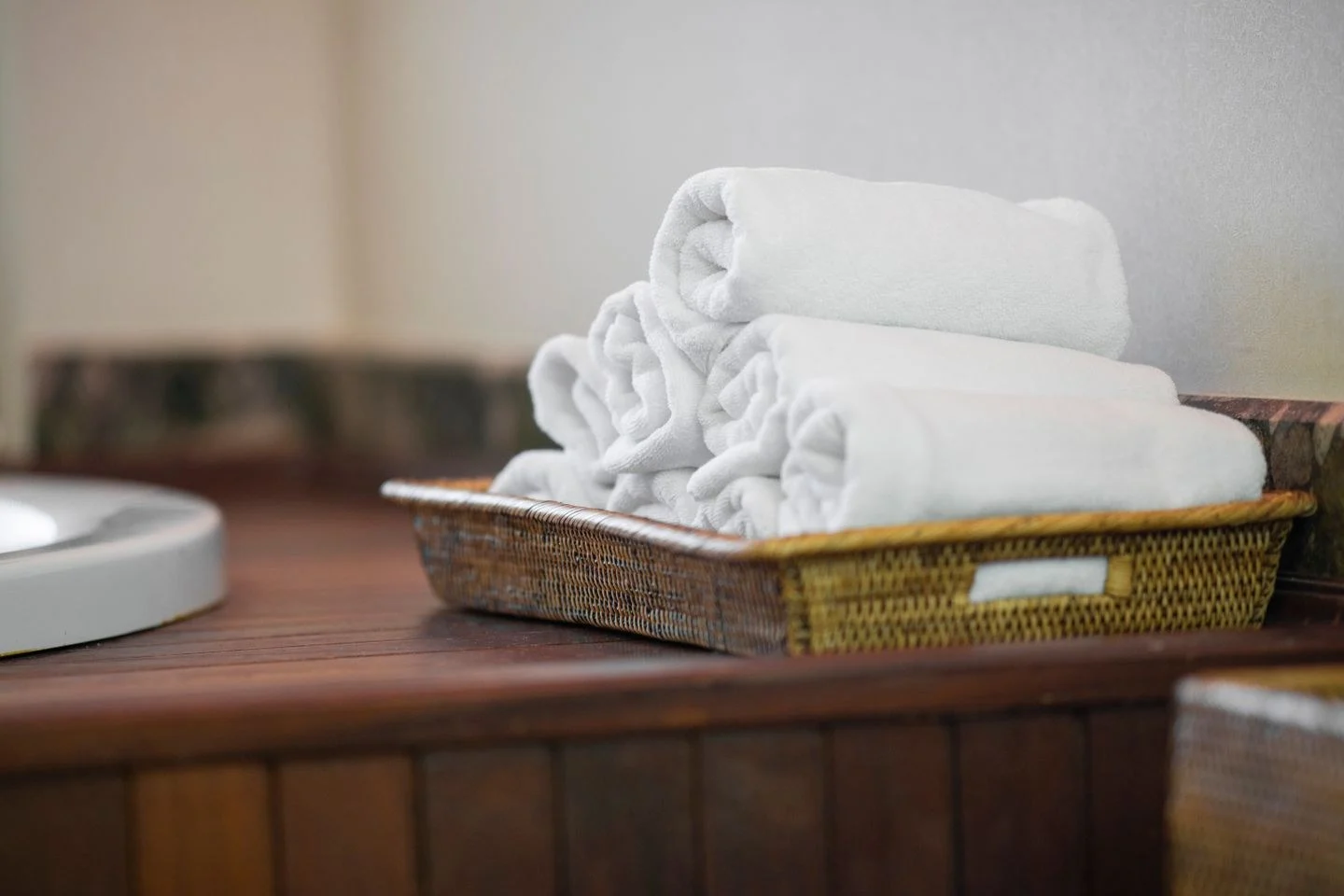
Look at the room from the doorway. The towel should be visible near the sink and reachable without searching inside a cabinet. If several towels are stacked, their presentation should make them look available for use. An elaborate folded arrangement can unintentionally suggest that it should remain untouched.
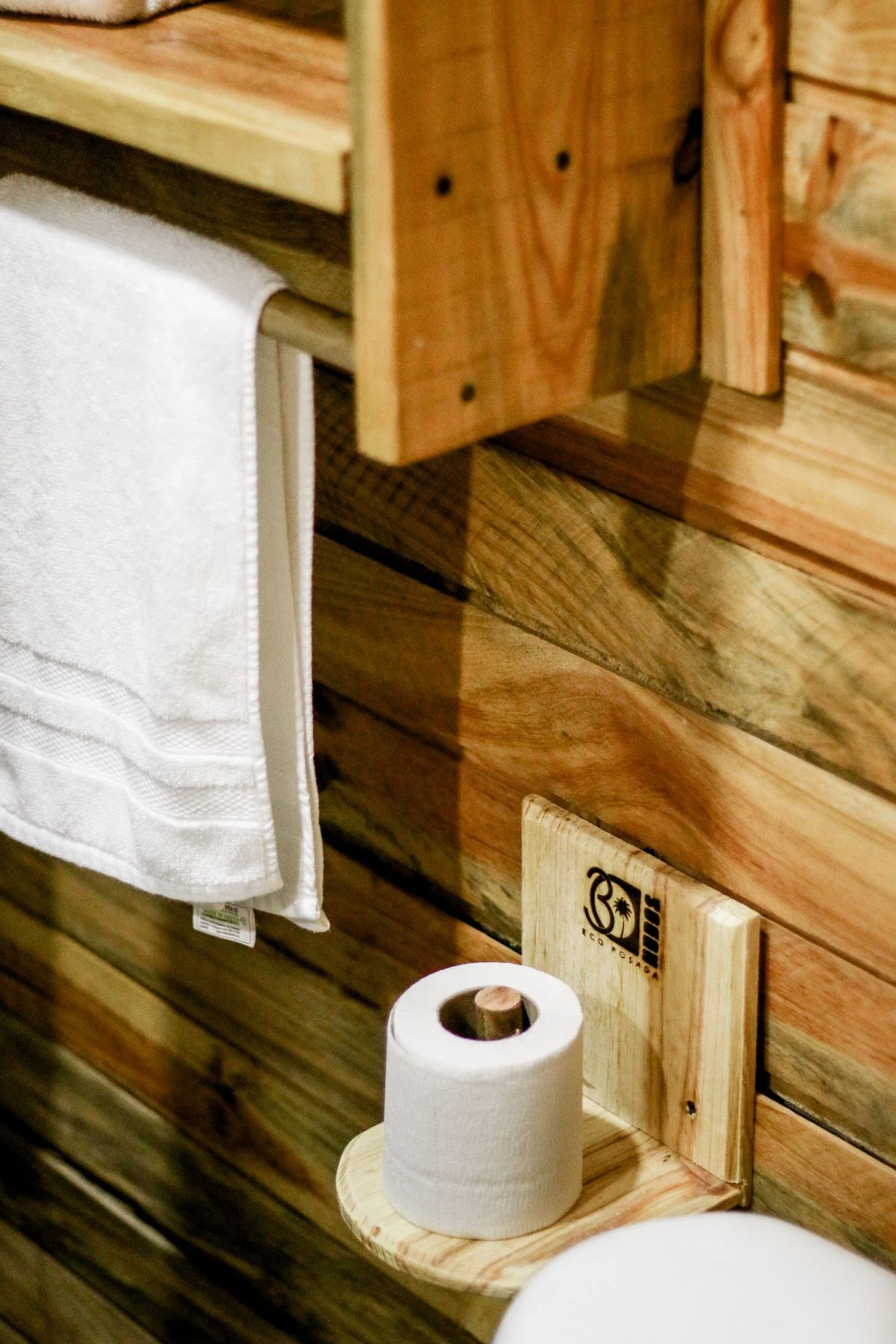
Keep a spare roll in an obvious, dry location. A guest may hesitate to open a cabinet that appears to contain private belongings. A small open shelf or a simple labeled compartment can remove that uncertainty, provided it does not crowd the toilet or the walking space.
Leave somewhere for their belongings
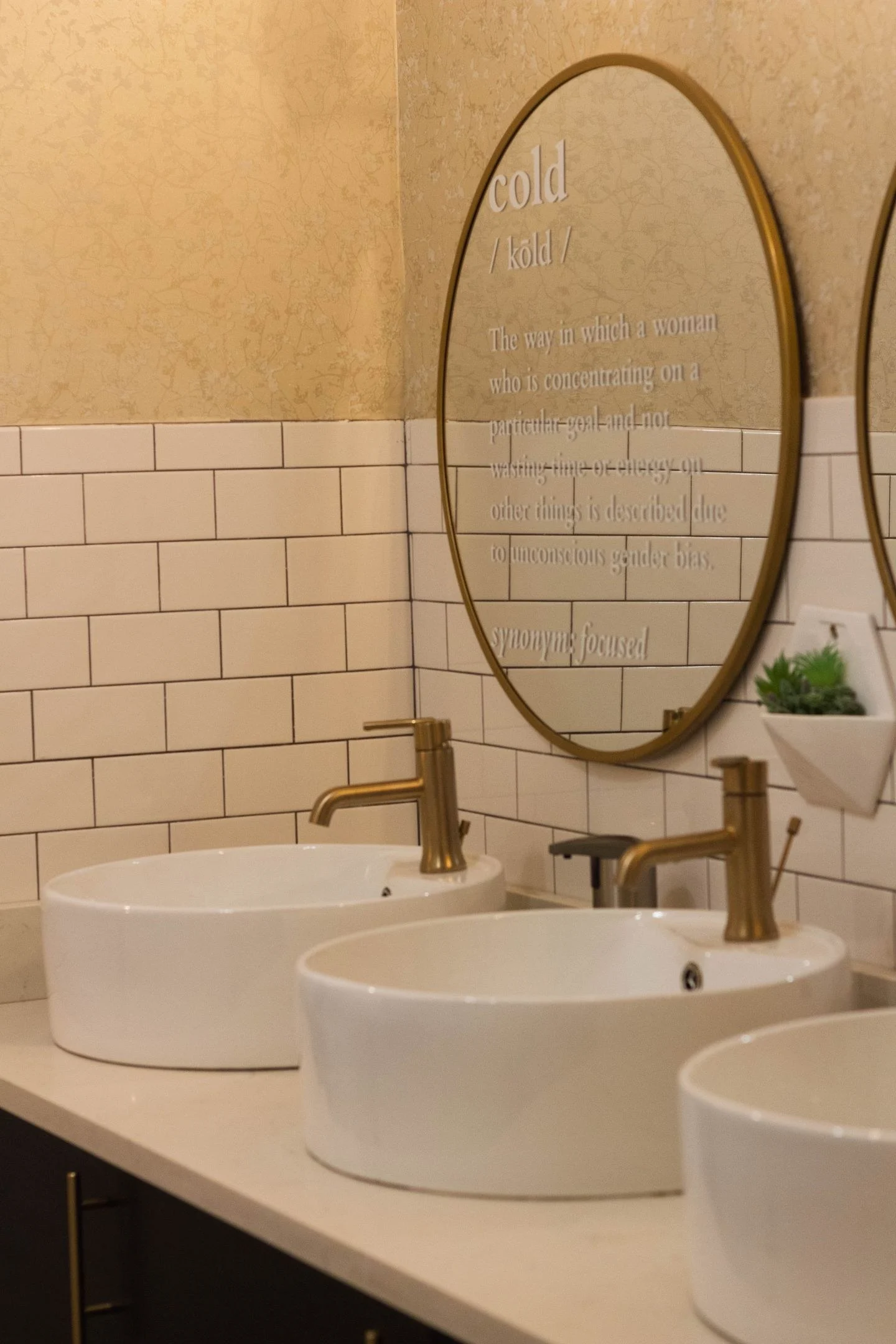
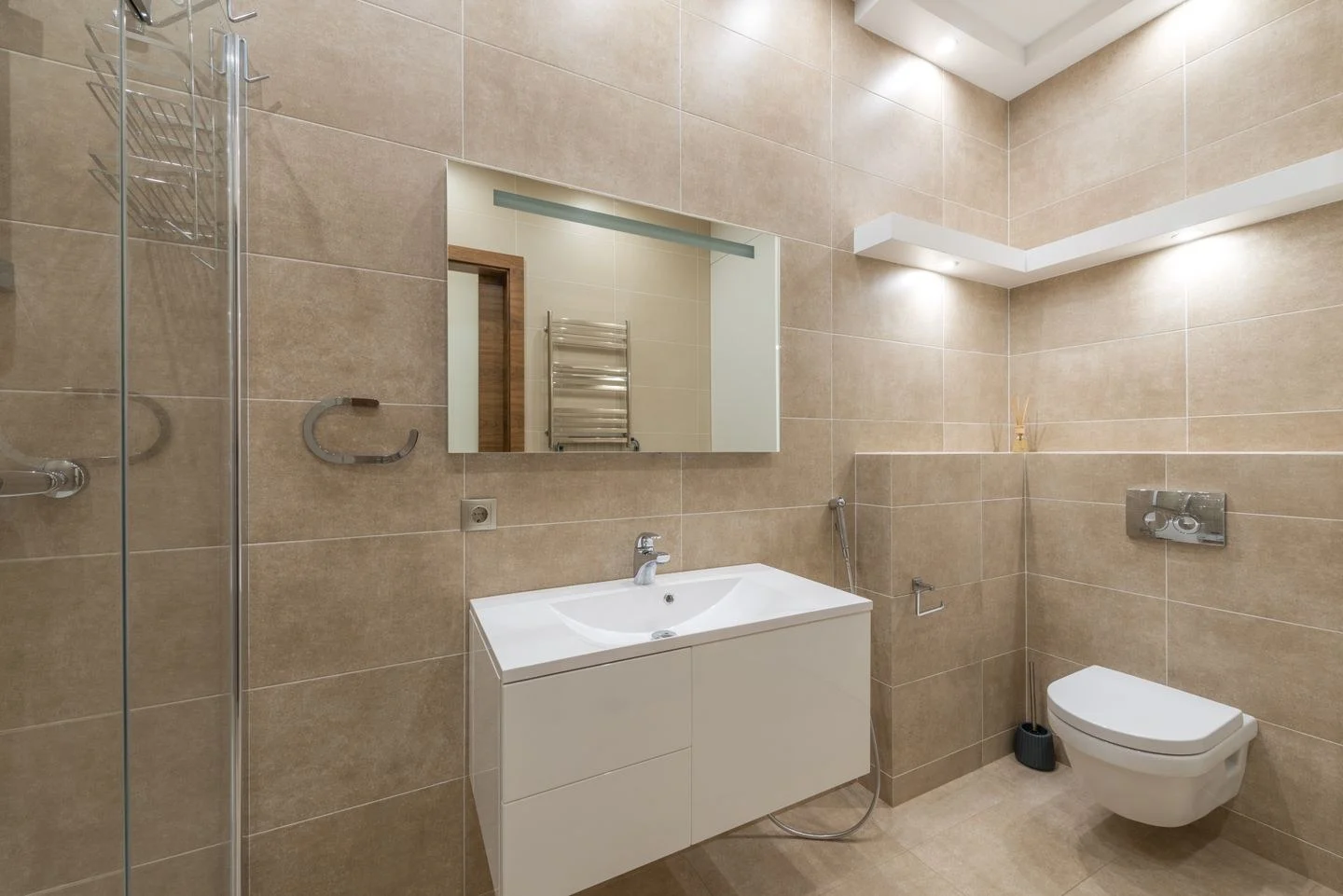
For an overnight guest, reserve a patch of counter or an empty shelf for a wash bag. A room filled with the host's products leaves no place for the visitor's own routine. Clear that space before adding a decorative tray or a vase.
Provide a hanging position for a bath towel if the room has a shower. Consider where clothing or a robe can go without landing on a wet surface. Hooks need to suit their intended load and the wall or door where they are installed. A chair squeezed into a narrow gap is not a useful substitute if it obstructs movement.
Extra toiletries can be a considerate addition, but keep them limited and clearly identified. Original packaging preserves instructions and ingredient information. A small collection is easier to check and replenish than a deep basket of partly used products. Guests with specific needs will often prefer what they brought.
Make the room easy to reset
Choose a towel arrangement that can be replaced quickly, a soap container that is straightforward to refill, and accessories that can be lifted for cleaning. A crowded display may look finished in a photograph yet make routine maintenance unnecessarily awkward.
Check the lighting and door hardware before a visit. A distinctive switch or an unfamiliar lock may need a brief explanation from the host. The essentials should work reliably; decorative details can remain simple.
Finally, remove personal items that do not need to be in the guest's path. A modest bathroom with clear storage and a little open space feels more welcoming than one stocked with every imaginable amenity. It gives visitors enough information to use the room comfortably while leaving room for their own belongings.