A decorating budget becomes easier to manage when it follows the room's largest decisions. Buying smaller accessories first can use up money while the sofa, storage, or lighting problem remains unresolved. Start by identifying what prevents the room from working as you want it to.
Write a short list of needs in ordinary language: enough comfortable seating, a clear route to the door, a surface for working, or storage for items currently left on the floor. Separate those needs from preferences about finish and style. Both matter, but they do not always deserve the same priority.
Inventory what can stay
Measure and assess the furniture you already own. A piece may need a different position rather than replacement. Another may look acceptable but be uncomfortable or poorly sized for the room. Record condition, usefulness, and any realistic repair or alteration options before assigning it a place in the budget.
Do not assume that updating an existing piece is automatically cheaper than replacing it. Compare actual quotes for upholstery, refinishing, delivery, or repairs when those options are relevant. Include the time the item will be unavailable and any limits of the proposed work.
Keep sentimental value separate from practical fit where possible. A meaningful object may deserve a place in another room if keeping it here forces several additional purchases. The budget should support the home as a whole rather than make one room carry every existing piece.
Price the complete decision
For each major purchase, include costs beyond the displayed item price: delivery, assembly, suitable hardware, installation, required accessories, and applicable taxes. Check the seller's current terms directly. A light fixture may need professional installation; a rug may need a compatible pad; a curtain choice may require rods, brackets, and alterations.
Consider returns and access before ordering. Measure doors, stairs, and the route into the room. Understand any return charges, custom-order restrictions, and lead times. These details can change which option fits the budget even when two products have similar headline prices.
Leave an amount uncommitted for uncertainties you have actually identified. The appropriate allowance depends on the project: a simple furniture refresh has different unknowns from work involving installation or repairs. Use quotes and the room's condition to set that allowance rather than applying a decorative percentage without context.
Buy in an order that preserves choices
Resolve dimensions before colors that depend on them. A sofa's size may determine the rug and side tables; a dining table may determine the chair count and light placement. Ordering dependent pieces too early can create expensive compromises when the main piece arrives.
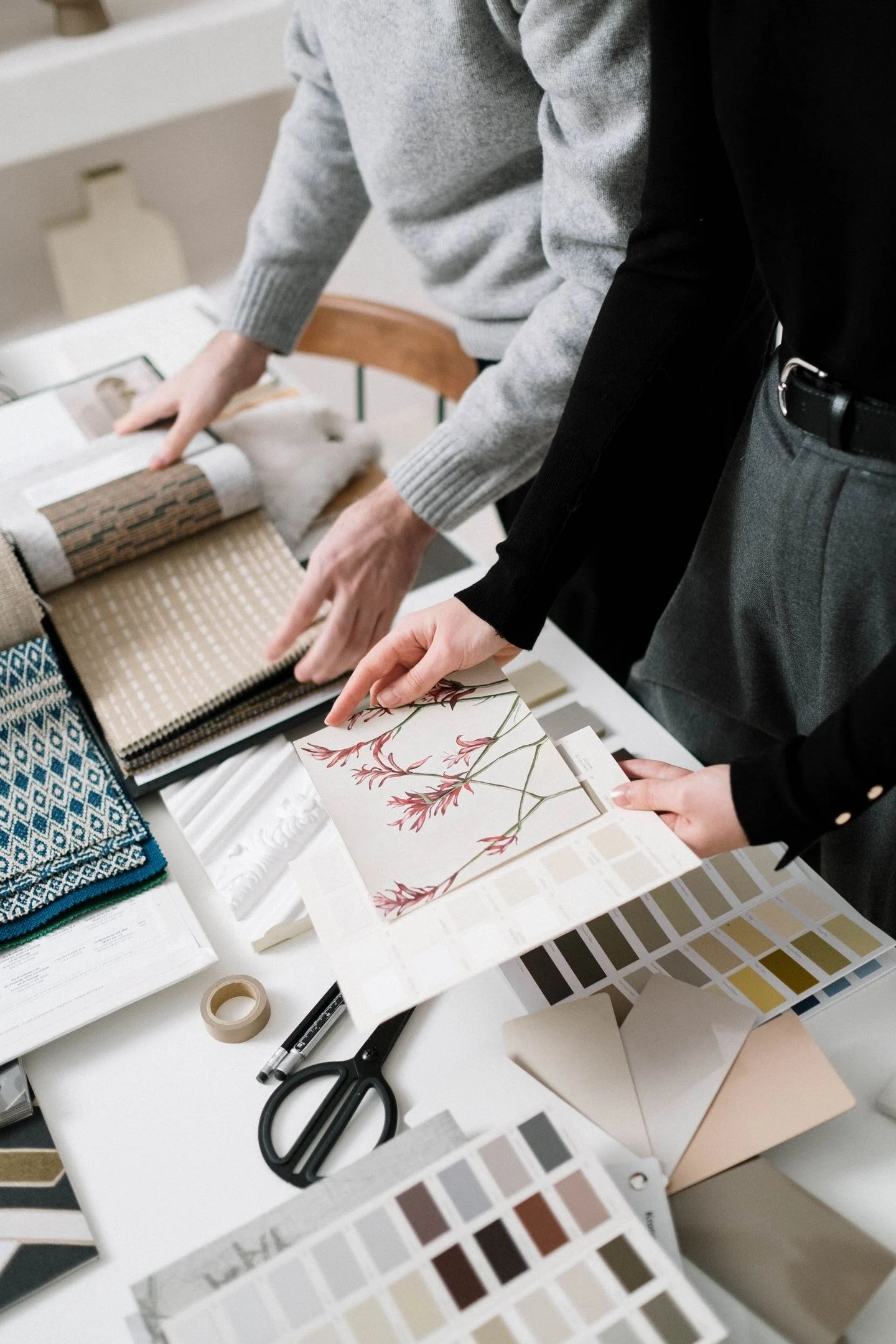
Samples and temporary layouts can reduce uncertainty at relatively low cost. Tape a footprint, borrow a suitable chair for a fit test, or compare fabric swatches under the room's light. These steps do not guarantee a perfect result, but they can reveal obvious mismatches before money is committed.
Keep a simple record of estimated and actual costs. When one decision becomes more expensive, revisit the remaining priorities rather than assuming every planned accessory must still be purchased. Some finishing details may be postponed without preventing the room from functioning well.
Allow time to use the room between stages. A new storage piece may remove the need for several baskets; a better lamp position may make another fixture unnecessary. The most useful budget is one that can respond to what the room teaches you. It keeps the largest needs visible while leaving smaller decisions flexible until they have a clear purpose.