Linen-look and velvet describe different aspects of upholstery. Linen-look usually describes an appearance, while velvet describes a pile construction that can be made from different fibers. Neither label tells you everything about durability, cleaning, or how the fabric will feel on a particular sofa.
Read the fiber composition and care information for each candidate. A linen-look fabric might contain synthetic fibers, natural fibers, or a blend. Two velvets can also behave differently because of their fiber content and construction. Compare the actual products rather than treating the style name as a performance rating.
Look at the whole piece, not only the swatch
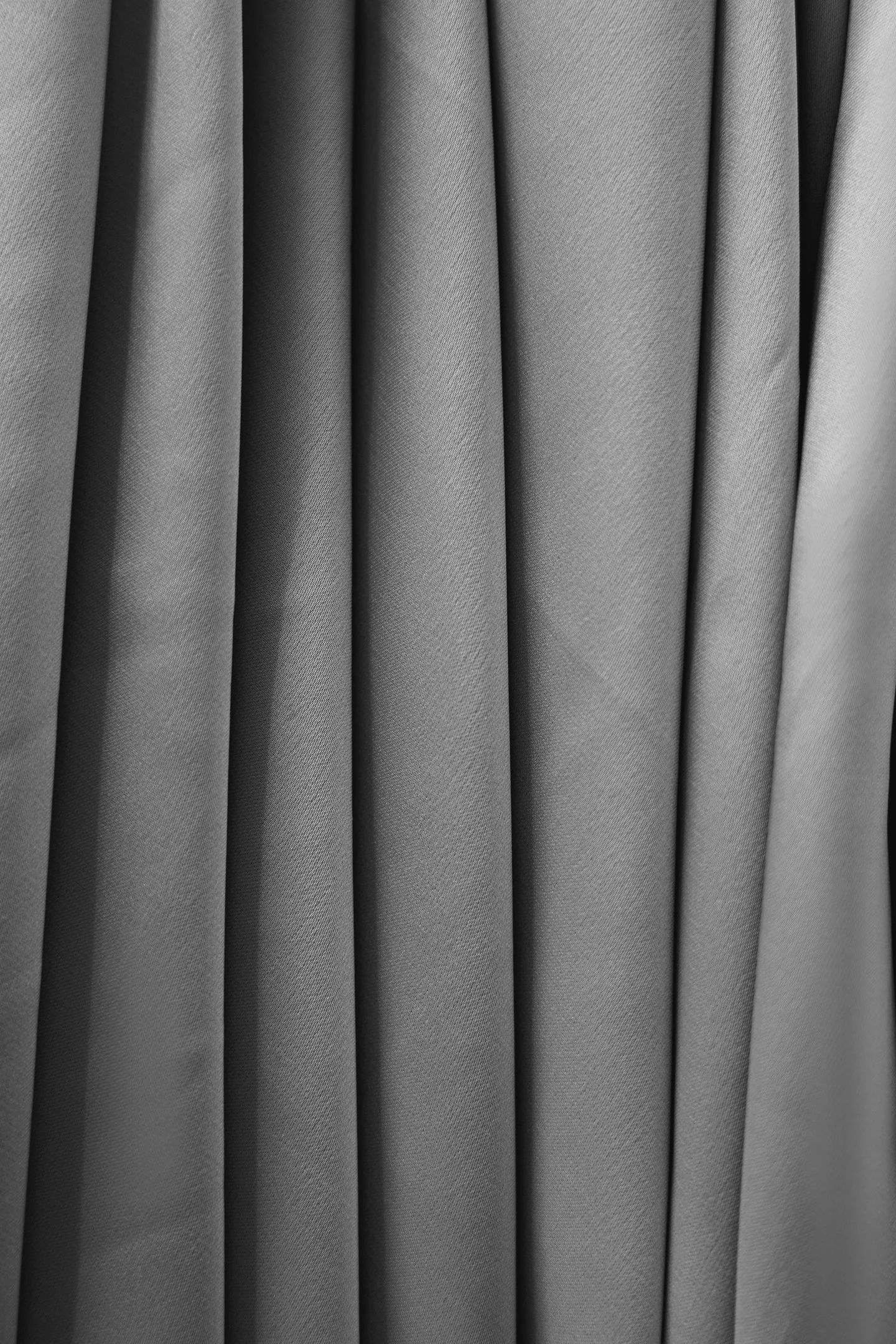
A woven linen-like texture can make a large sofa feel quieter, particularly when its color is close to the wall. Small variations in the yarn may add depth without a strong sheen. On a broad cushion, however, a pronounced weave can become more visible than it appeared on a tiny sample.
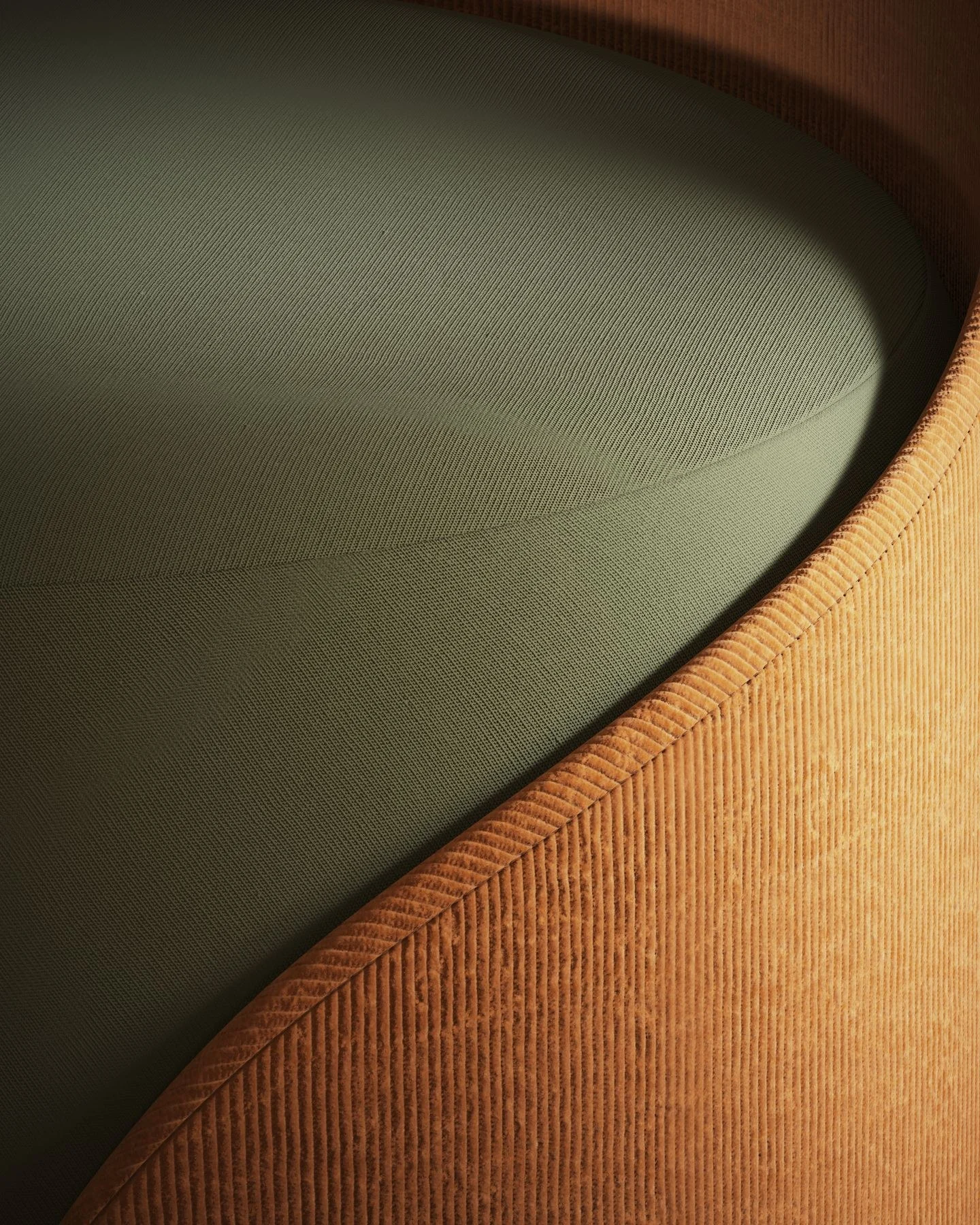
Velvet's pile changes its appearance with direction and light. A color may look deeper from one side of the room and lighter from another. That movement can give a simple sofa shape more presence, but it should be a quality you enjoy rather than a surprise after delivery.
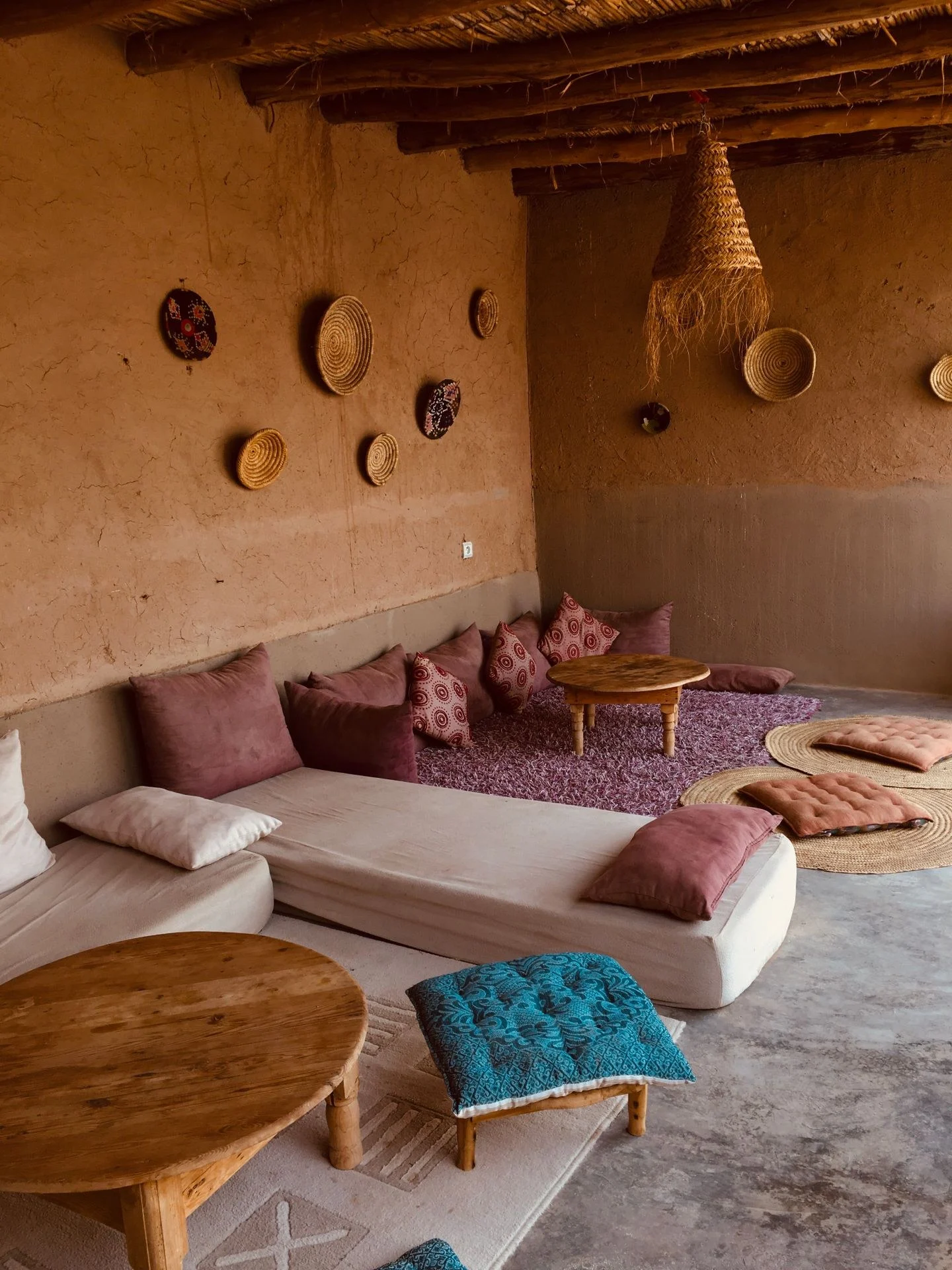
Place the samples horizontally and vertically, then turn them under the room's normal lighting. Compare them beside the rug, curtains, and existing chairs. The sofa will include surfaces facing several directions, so one flattering sample angle is an incomplete test.
Match the care to the household
Check the manufacturer's cleaning instructions, any performance testing provided, and the details of the finished furniture. A fabric marketed for frequent use still needs appropriate care. Removable cushion covers are not automatically machine washable, and a strong fabric does not make the entire sofa immune to wear.
Consider the kinds of marks that would bother you. Changes in pile direction may be part of a velvet's normal appearance. A visibly textured weave may hold small debris differently from a smoother surface. Pets, food, direct sun, and repeated contact with the same seat all deserve consideration when comparing specific materials.
Request the largest available sample and handle it in the room. You can assess touch and appearance without performing cleaning experiments that contradict its instructions. Ask the supplier about uncertainties before ordering rather than relying on a generic claim that one fabric type is always easier.
Choose the texture whose normal behavior suits the way you want the room to feel. A quiet woven surface and a light-responsive velvet can both be appropriate. The useful comparison is between two fully specified fabrics on furniture that fits your life, not between two attractive labels.