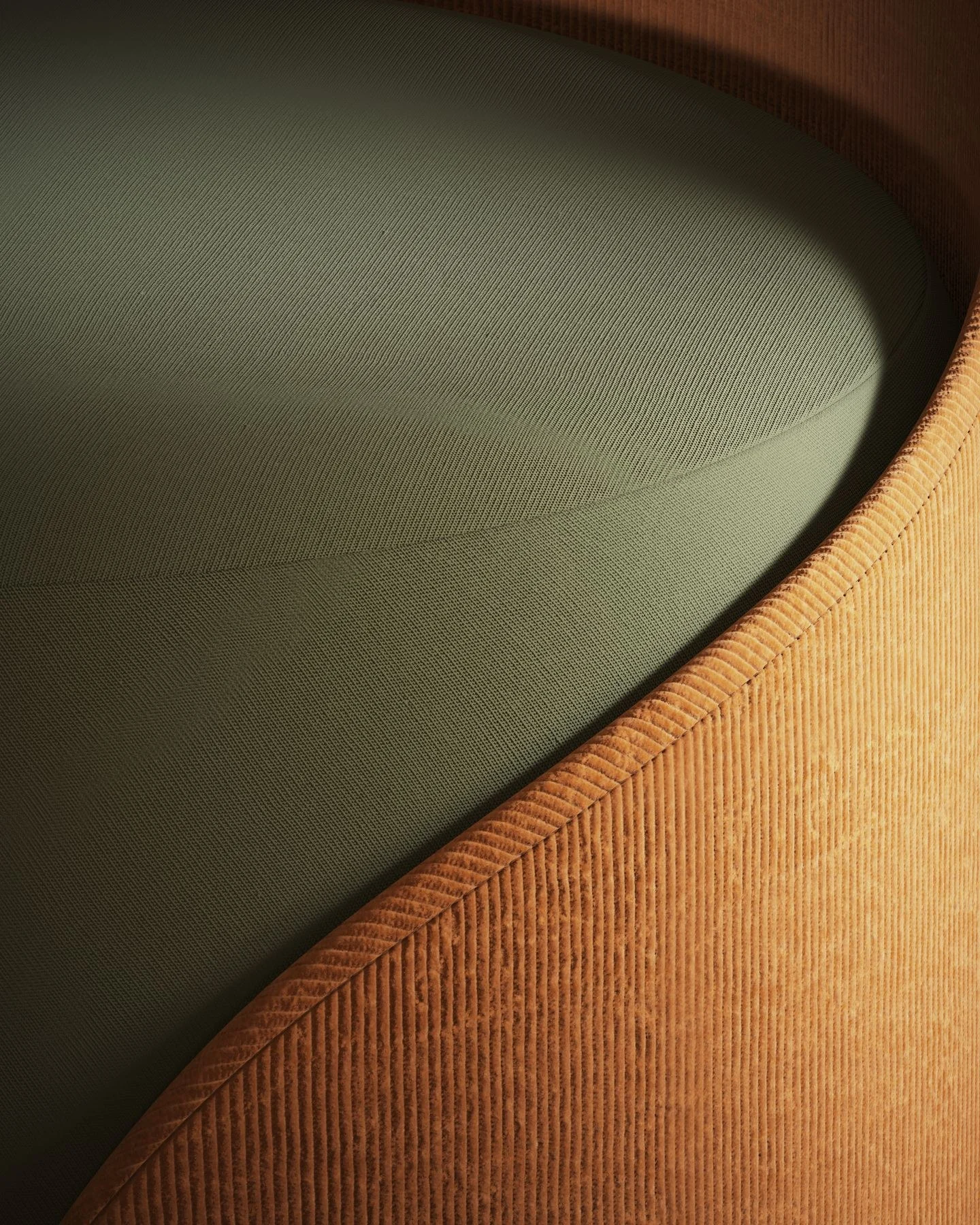
A material you already like can give a room refresh a useful starting point. It might be a wood floor, a leather chair, a stone fireplace, or a woven rug. Choosing that anchor limits the number of decisions and makes it easier to keep worthwhile pieces.
Describe the material in concrete terms. Is the wood pale and matte or dark and glossy? Is the stone quietly mottled or strongly veined? Is the rug's texture subtle at a distance or visibly chunky? Those qualities offer more direction than a broad style label such as modern or rustic.
Decide which quality to repeat
You might repeat the material's warm tone through a textile without introducing more wood. You might contrast its rough surface with a smoother table. Repetition and contrast can both connect the room, but they create different effects. Choose one relationship to test first.
For example, a dark leather chair could be supported by lighter woven upholstery and a small dark frame elsewhere. Replacing every seat with dark leather would make the material much more dominant. The existing piece does not need to multiply in order to belong.
Look at the scale of the anchor. A floor affects nearly every view, while a small side table occupies a more limited area. The stronger the material's presence, the quieter some surrounding choices may need to be. A strongly patterned rug may already provide enough movement without patterned curtains and cushions competing beside it.
Test the change with what remains
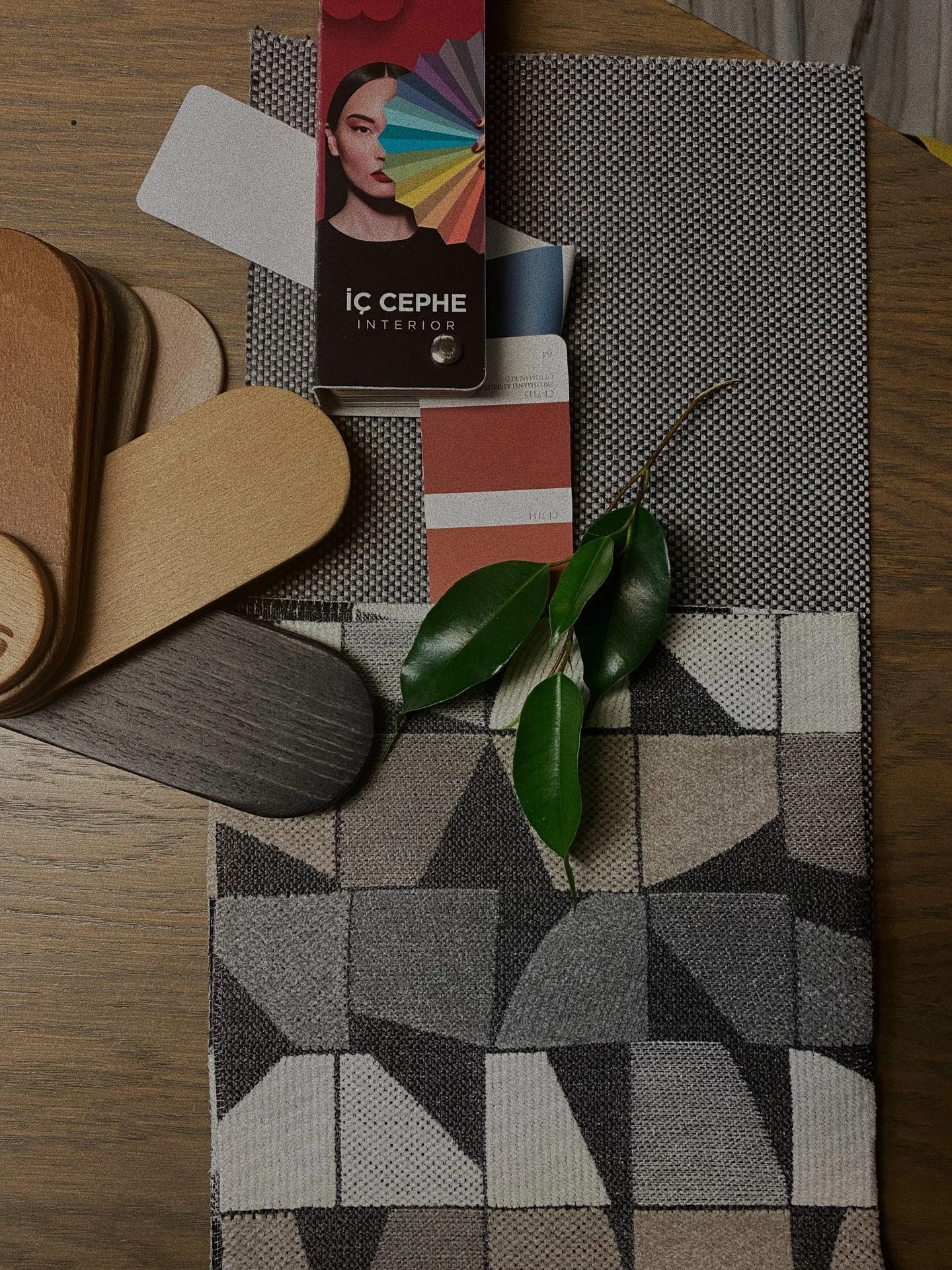
Gather samples beside the actual material in the room. Include furniture you plan to keep, even if it is not part of the idealized palette. A refresh must connect the real collection, not only the new purchases.
Begin with reversible changes such as moving a chair, editing accessories, or trying a textile. These experiments can reveal whether the issue is color, proportion, or placement. If the room becomes clearer after removing a few competing objects, a larger purchase may not be necessary.
Keep care and use in the decision. A material that looks compatible may introduce a maintenance routine you do not want. Check the specific product information rather than assuming that visual similarity means similar performance.
Review the room from its main entrance after each meaningful change. The anchor should help explain the new arrangement without becoming a rule that every object must follow. A coherent refresh can preserve variety while making the relationships between the pieces easier to see.